 Instalab
Vital Nutrients
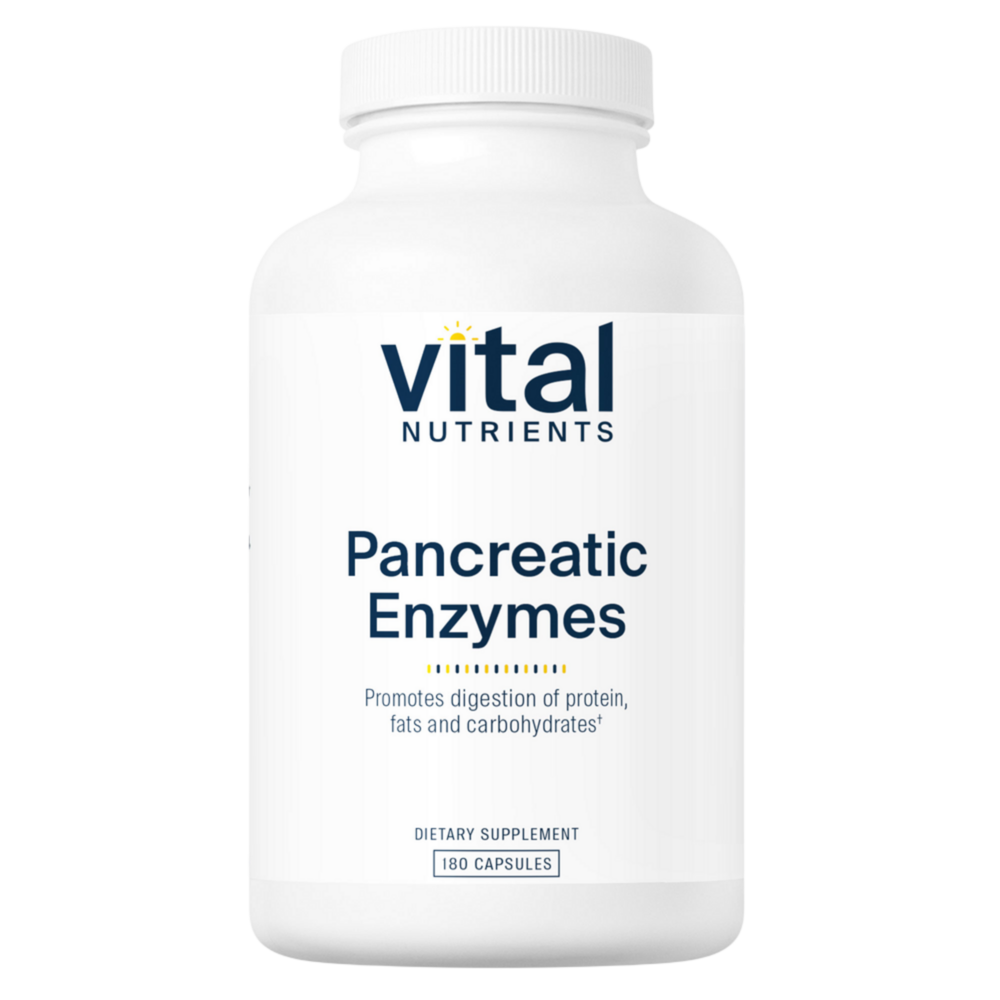
Pancreatic Enzymes 1000mg by Vital Nutrients
180 capsules · 90-day supply
Support Digestive Health with a Comprehensive Enzyme Blend$75.99
Purchase options
Practitioner-grade brand3rd-party testedFree shipping $50+
Gluten Free·Soy Free·Dairy Free·Wheat Free·Sugar Free·Casein Free
Vital Nutrients Pancreatic Enzymes 1000mg overview
This fits adults with signs of low digestive output, like oily stools, floating stools, or weight loss with large meals, especially if Fecal elastase-1 (a stool marker of pancreatic enzyme output) is low. It also helps after pancreatic or GI surgery, with chronic pancreatitis, celiac disease during recovery, or diabetes when exocrine function is impaired. For occasional gas and bloating after rich meals, pancreatic enzymes can take the edge off, but the biggest, most reliable gains are in true insufficiency confirmed by testing.
This blend provides lipase (breaks fats into absorbable fatty acids), protease (reduces proteins to peptides and amino acids), and amylase (splits starch into sugars). Taking enzymes at the first bites mixes them with food as it leaves the stomach, which improves contact with the meal. Better breakdown increases uptake of fat-soluble nutrients like vitamins A, D, E, and K, and can reduce steatorrhea (excess fat in stool), gas from undigested carbs, and post-meal fullness when your own pancreas output is low.
Use two capsules with the first bites of a main meal. For smaller meals or snacks, many people do well with one capsule; for very large or high-fat meals, some need more under clinician guidance. Swallow intact with water. Do not open or chew, as mouth irritation can occur. If you use non–enteric-coated enzymes, pairing with meals (not on an empty stomach) is what protects them from stomach acid. Recheck symptoms and, when relevant, stool fat or Fecal elastase-1 within 4 to 12 weeks.
Avoid during an acute pancreatitis flare until cleared by your clinician. Do not use if you have a pork allergy, since most pancreatin is porcine-derived. Vegans and strict vegetarians usually prefer microbial enzymes instead. Combining with orlistat (the fat-blocking drug) works at cross-purposes, and amylase-containing products can blunt the effect of acarbose or miglitol (diabetes drugs that slow carb breakdown). If your Vitamin D, 25-Hydroxy or other fat-soluble vitamins are low, test and treat those alongside enzymes.
Frequently asked questions
Do pancreatic enzymes help with bloating and gas?
Yes when the cause is poor digestion of fat or carbs. Enzymes often reduce post‑meal bloating within days. If symptoms persist despite correct timing with meals, consider testing for small intestinal bacterial overgrowth or food intolerances.
How long do pancreatic enzymes take to work?
Symptom relief can show up in the first few meals if dosing and timing are right. Objective changes like reduced stool fat or weight stabilization are usually assessed over 4 to 12 weeks.
Can I take pancreatic enzymes with acid reducers like omeprazole?
Yes. Acid suppression can actually protect non–enteric-coated enzymes from stomach acid. Still take them at the start of meals for best mixing with food.
Are pancreatic enzymes vegetarian or vegan?
No. Pancreatin is typically derived from pork. If you need a non‑animal option, look for microbial or plant-based enzyme blends, understanding they differ in activity from pancrelipase.
Can I take enzymes with snacks or just big meals?
You can take them with any meal that causes symptoms. Many people use a smaller dose with snacks and a larger dose with main meals. Always start them with the first bites.
Do pancreatic enzymes interact with diabetes medications?
They can reduce the effect of acarbose or miglitol, which work by slowing carbohydrate breakdown. If you use either drug, check with your prescriber before adding enzymes.
What side effects should I watch for?
Most tolerate them well. Possible issues include nausea, cramping, constipation or loose stools, and mouth irritation if capsules are opened or chewed. Rarely, very high doses cause colon problems; use as directed.
How to take it & ingredients
Suggested use: Take 2 capsules at the start of a meal, or as directed by your healthcare practitioner.
Active ingredients
2 capsules per serving · 90 servings
▼
Pancreatic Enzyme Blend
1000 mg
Protease
223000 USP units
Amylase
245000 USP units
Lipase
35500 USP units
Other ingredients: Gelatin Capsule, Cellulose, Calcium Carbonate, Ascorbyl Palmitate
Certifications
Benefits
Warnings
Customers also considered
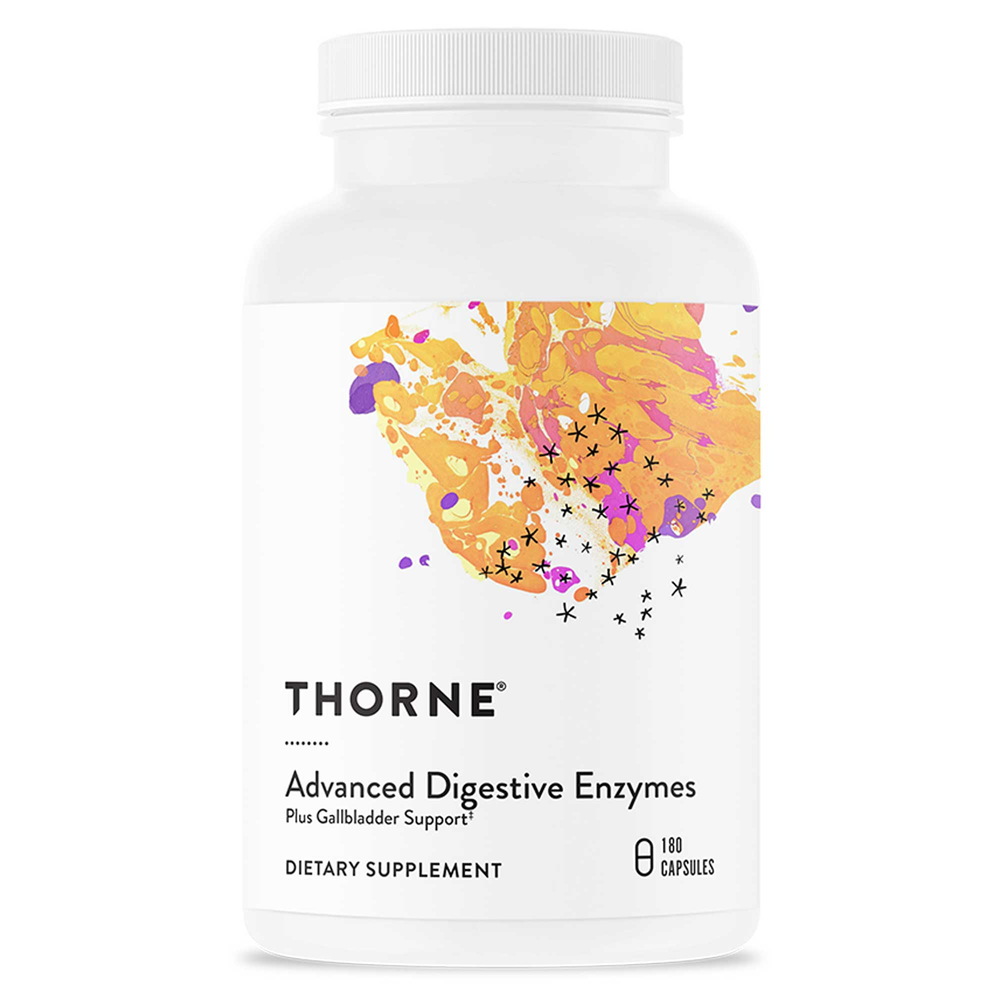
Advanced Digestive Enzymes
Thorne
180 capsules
$56.00$50.40 with Subscribe & Save
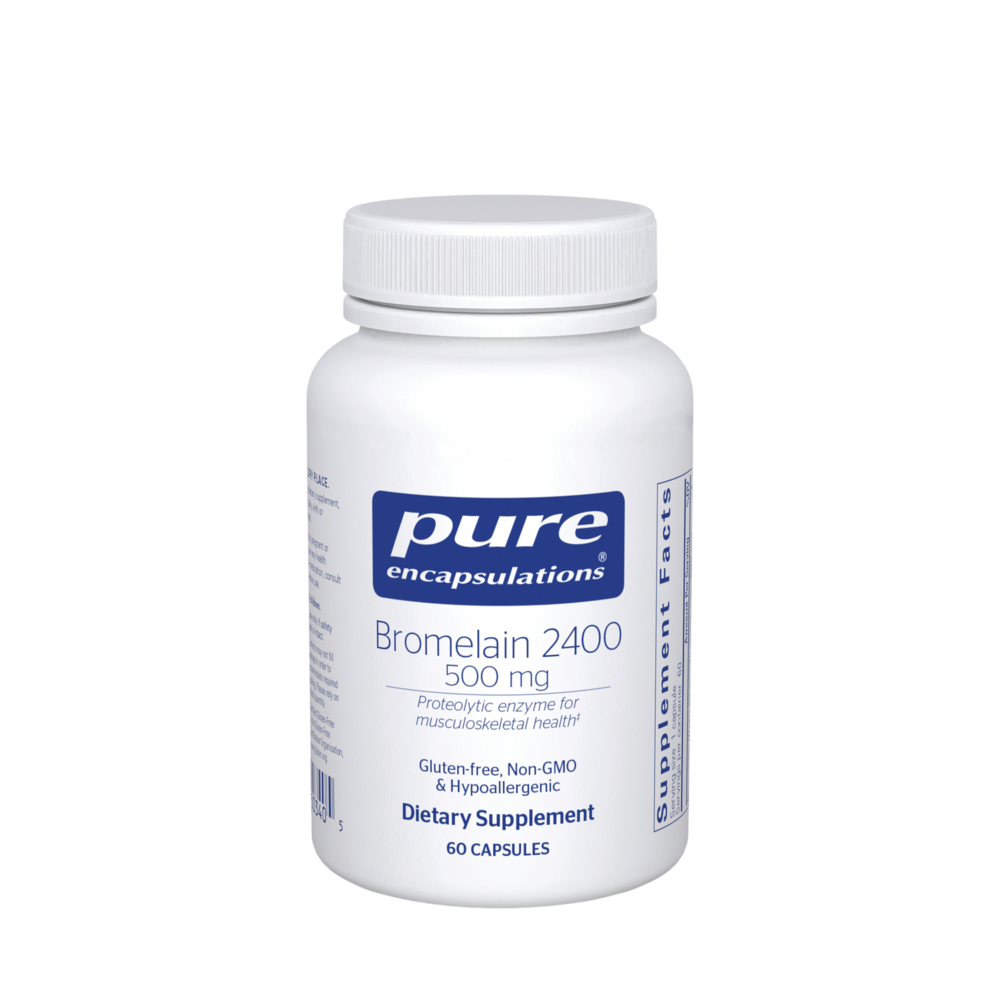
Bromelain 2400 500mg
Pure Encapsulations
60 capsules
$40.00$31.99 with Subscribe & Save
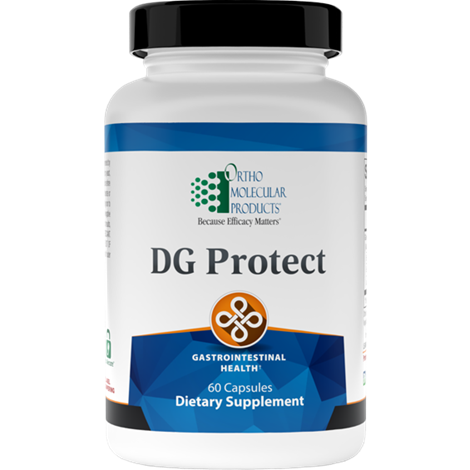
DG Protect
Ortho Molecular Products
60 capsules
$64.44$58.05 with Subscribe & Save
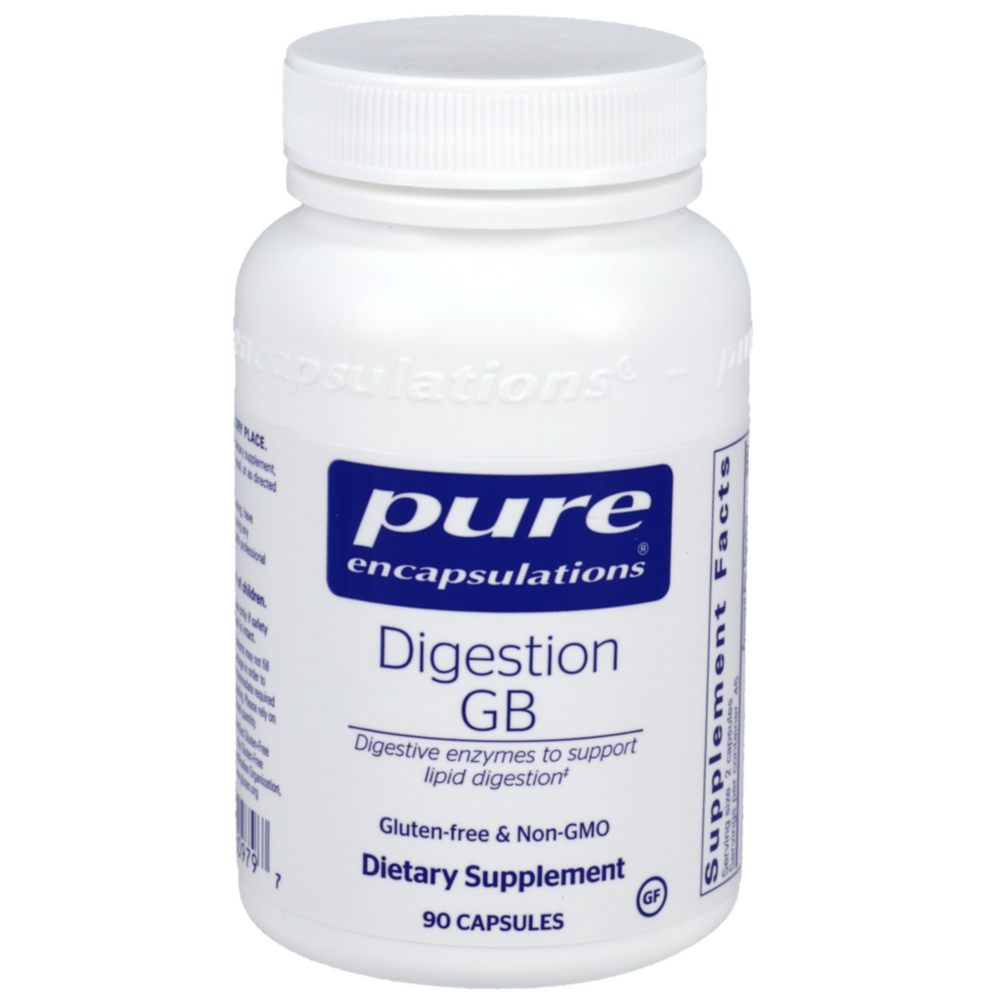
Digestion GB
Pure Encapsulations
90 capsules
$36.50$28.99 with Subscribe & Save