 Instalab
Vital Nutrients
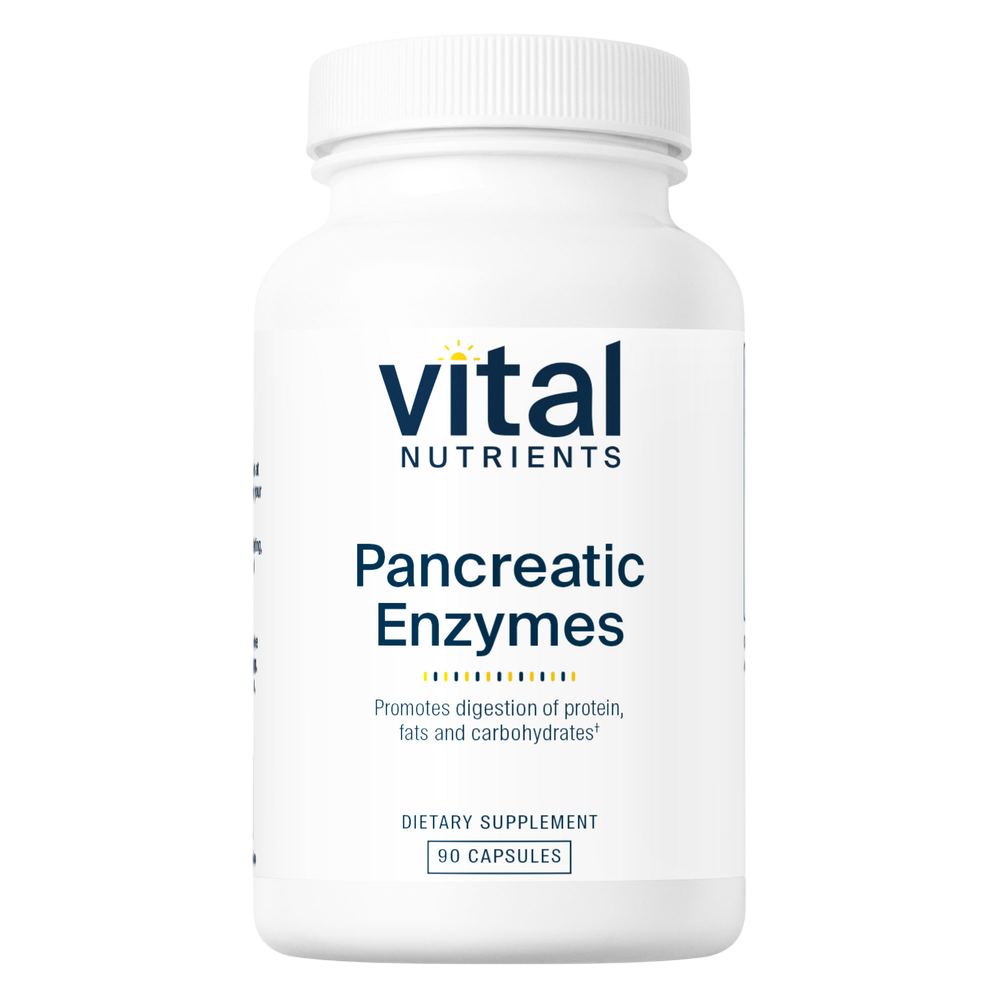
Pancreatic Enzymes 1000mg by Vital Nutrients
90 capsules · 45-day supply
Support Digestive Health and Nutrient Absorption with Pancreatic Enzymes$39.99
Purchase options
Practitioner-grade brand3rd-party testedFree shipping $50+
Gluten Free·Soy Free·Dairy Free·Wheat Free·Sugar Free·Casein Free
Vital Nutrients Pancreatic Enzymes 1000mg overview
Pancreatic enzymes help if large meals leave you bloated or with greasy, floating stools, especially when your Fecal Elastase-1 (a stool test of pancreatic output) is low or borderline. They can also be useful after gallbladder removal when fat-heavy meals are tougher. If you have diagnosed pancreatic insufficiency, cystic fibrosis, chronic pancreatitis, or post–pancreas surgery, you usually need prescription-strength enzymes, not this over-the-counter blend.
This blend supplies amylase (breaks carbs to sugars), protease (breaks protein to smaller peptides and amino acids), and lipase (splits fat into fatty acids). By finishing the job your pancreas normally does, these enzymes reduce unbroken food reaching the colon, which is the main driver of gas and pressure. Better fat breakdown also helps absorption of fat-soluble vitamins A, D, E, and K, something you can track with Vitamin D, 25-Hydroxy if your level has run low.
Take 2 capsules with the first bites of a meal, as directed. Enzymes work per meal, so expect effects right away when they help. For snacks, half the mealtime amount is reasonable. The label lists 1,000 mg of a blend but not activity units (like USP lipase/protease/amylase), which makes precise matching to your meal size harder. If you need consistent fat control, prescription products with stated lipase units are more predictable.
Do not use this in place of prescription pancrelipase if your stool fat test is high or your Fecal Elastase-1 is clearly low. Most pancreatin is pork-derived (check the label), so avoid if you have a pork allergy or avoid pork for religious reasons. Rarely, enzymes can irritate the mouth if capsules are opened. Severe, unexplained weight loss, oily diarrhea, or vitamin deficiencies warrant medical evaluation before self-treating.
Frequently asked questions
Do pancreatic enzymes help with gas and bloating?
They can when the cause is poor digestion of fat, protein, or carbs. By breaking food down earlier in the gut, less reaches the colon to ferment. If symptoms persist, check for other causes like lactose intolerance, SIBO, or celiac disease.
How fast do pancreatic enzymes work?
They work with the very first meal you take them. If they are a fit, you’ll notice less fullness, gas, and greasy stools from that meal. No loading phase is needed, and there’s no benefit to taking them between meals.
Can I take pancreatic enzymes with a PPI like omeprazole?
Yes. Unlike some prescription enteric-coated products, non-enteric over-the-counter blends are taken with the meal and can still work when stomach acid is reduced. If fat control is inconsistent, discuss prescription options with stated lipase units.
Are these a substitute for prescription pancrelipase?
No. For confirmed pancreatic insufficiency, prescription enzymes with defined lipase units are standard. Over-the-counter blends may help mild meal-related symptoms but are not reliable for high stool fat or significant weight loss.
What lab tests tell me I might need enzymes?
Fecal Elastase-1 indicates pancreatic output. Stool fat tests (qualitative or 72-hour) show malabsorption. Low fat-soluble vitamins (A, D, E, K), such as a low Vitamin D, 25-Hydroxy, can be a downstream clue when fat isn’t absorbed.
Are pancreatic enzymes vegan?
Usually no. Pancreatin is typically porcine (pork) derived. If you avoid pork, look for microbial or plant-based enzyme formulas instead, though those won’t fully mimic pancreatic lipase potency for high-fat meals.
What side effects should I watch for?
Most people tolerate them well. Possible issues include mild nausea, constipation or diarrhea, and mouth irritation if you open the capsules. Stop and seek care for persistent pain, bleeding, or signs of allergy like hives or wheezing.
How to take it & ingredients
Suggested use: Take 2 capsules at the start of a meal, or as directed by your healthcare practitioner.
Active ingredients
2 capsules per serving · 45 servings
▼
Pancreatic Enzyme Blend
1000 mg
Protease
223000 USP units
Amylase
245000 USP units
Lipase
35500 USP units
Other ingredients: Gelatin Capsule, Cellulose, Calcium Carbonate, Ascorbyl Palmitate
Certifications
Benefits
Warnings
Customers also considered
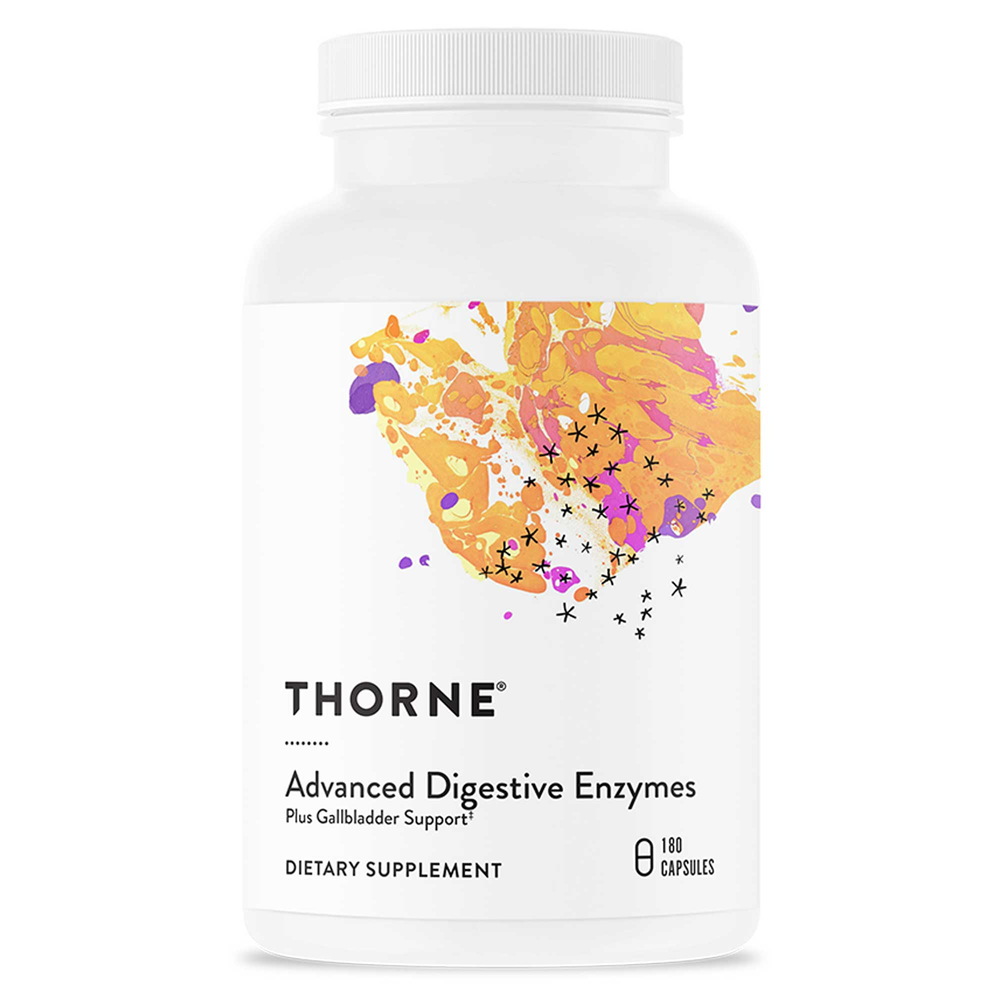
Advanced Digestive Enzymes
Thorne
180 capsules
$56.00$50.40 with Subscribe & Save
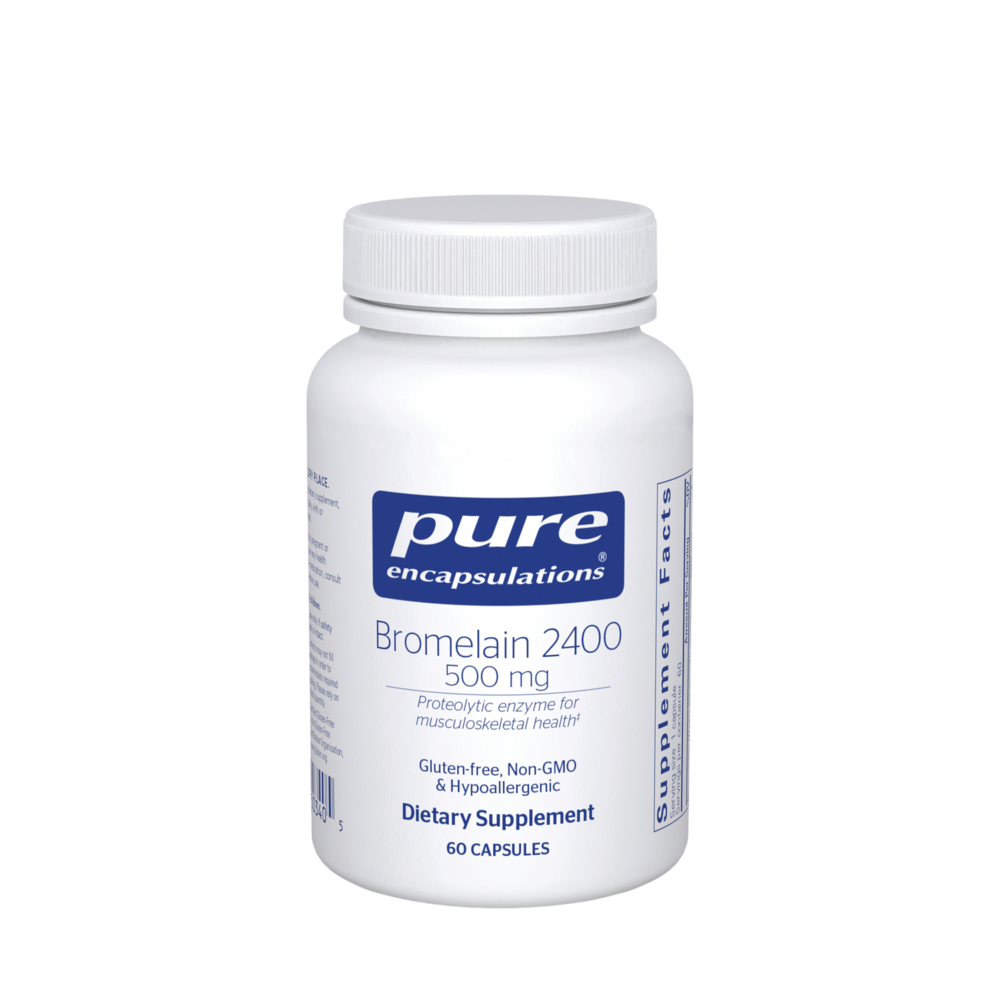
Bromelain 2400 500mg
Pure Encapsulations
60 capsules
$40.00$31.99 with Subscribe & Save
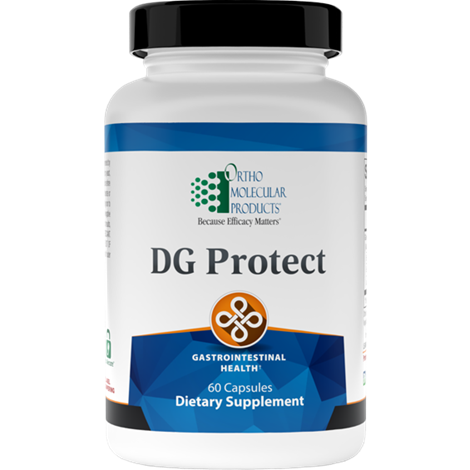
DG Protect
Ortho Molecular Products
60 capsules
$64.44$58.05 with Subscribe & Save
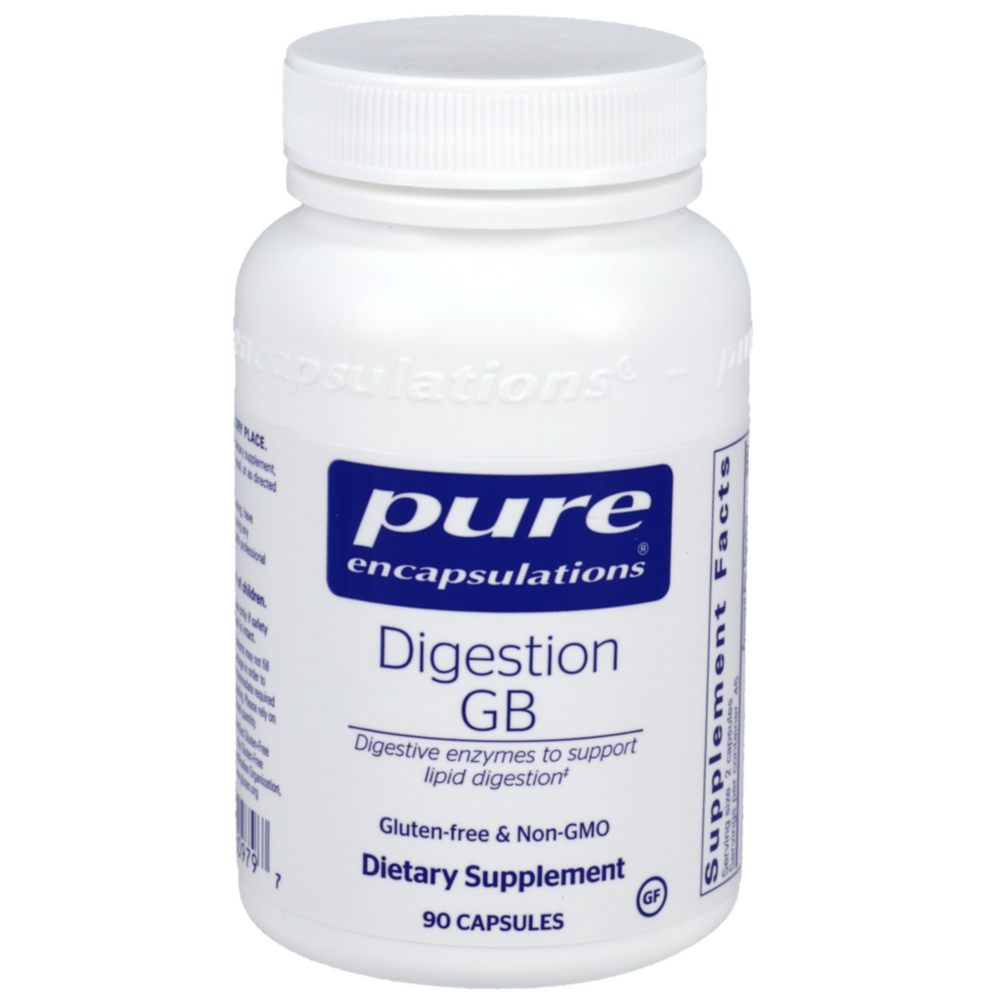
Digestion GB
Pure Encapsulations
90 capsules
$36.50$28.99 with Subscribe & Save