 Instalab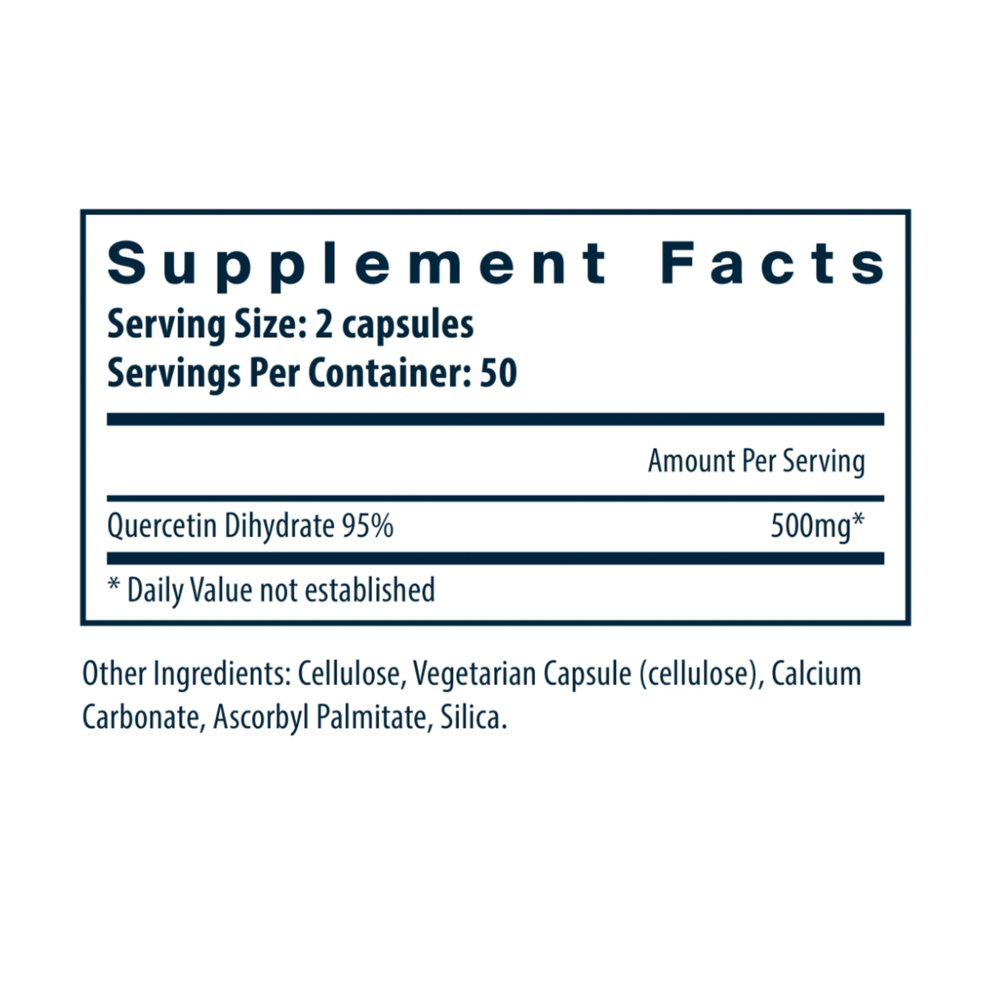
Vital Nutrients
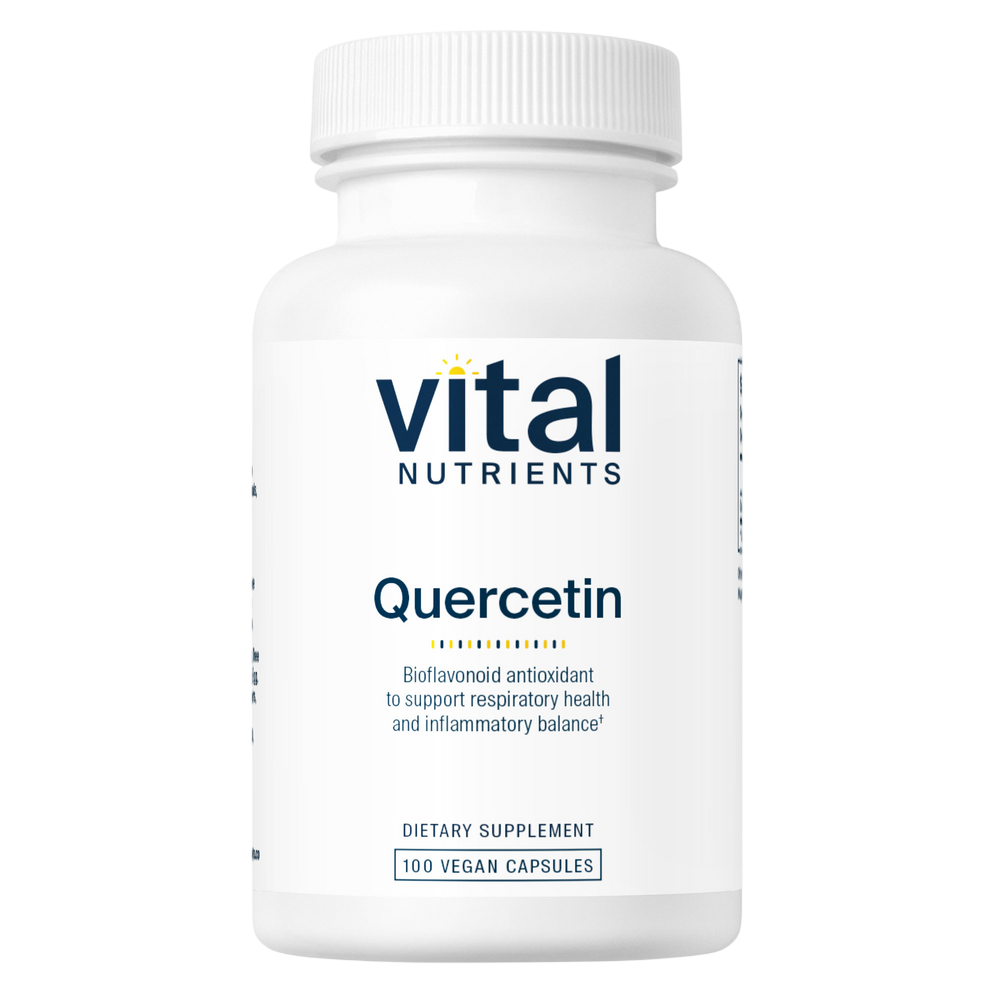
Quercetin 500 mg by Vital Nutrients
100 capsules · 50-day supply
Powerful Antioxidant Support for Immune and Respiratory Health$33.99
Purchase options
Practitioner-grade brand3rd-party testedFree shipping $50+
Vegan·Vegetarian·Gluten Free·Soy Free·Dairy Free·Egg Free·
Vital Nutrients Quercetin overview
If spring and fall pollen make you live on antihistamines, quercetin is the non‑sedating add‑on most people try first. It’s a fit if your Total IgE (the allergy antibody) or eosinophils (allergy‑prone white cells) run high, or you get flushing and congestion from wine or aged foods. People who prefer fewer decongestants and want steadier nasal and sinus control do best. If asthma is poorly controlled or symptoms are severe, use standard inhalers first and layer quercetin only with clinician guidance.
Quercetin calms mast cells (the immune cells that dump histamine during allergy flares) so they release fewer mediators that drive itching, sneezing, and congestion. It also inhibits enzymes that make leukotrienes and prostaglandins (inflammatory signaling molecules tied to nasal swelling and bronchospasm). As an antioxidant, it reduces oxidative stress that can keep airways irritable. In small clinical trials, these mechanisms translate to milder seasonal symptoms and less rescue medication use; effects on broad inflammation markers like hs-CRP are modest and inconsistent.
Take it between meals as the label directs; food can reduce absorption. Starting 2 to 4 weeks before peak pollen season works better than waiting for symptoms. Many protocols pair quercetin with vitamin C or bromelain (a pineapple enzyme) to improve uptake and nasal comfort, which is reasonable if you tolerate them. Expect steady benefit after 2 to 4 weeks. If you’re tracking labs, improvements align with calmer symptom diaries more than with changes in Total IgE.
Quercetin has mild blood-thinning effects, so combine cautiously with aspirin, clopidogrel, or warfarin and stop before elective procedures when advised. It can affect drug metabolism and transport in the gut and liver, so check with your clinician if you take cyclosporine, tacrolimus, calcium‑channel blockers, or many chemotherapy agents. Separate from iron or magnesium by a few hours to avoid binding in the gut. Pregnancy and breastfeeding: avoid due to limited human data. Thyroid disease: take away from levothyroxine and monitor levels.
Frequently asked questions
Does quercetin actually help with allergies?
Yes, in small human trials quercetin reduced sneezing, nasal congestion, and rescue antihistamine use. It stabilizes mast cells and reduces histamine release. It’s an add-on, not a replacement for inhalers in asthma or for epinephrine in severe reactions.
How long does quercetin take to work for allergies?
Most people notice steadier symptom control after 2 to 4 weeks of daily use. Starting before pollen season works better than starting at peak symptoms. If nothing changes by week 6, reconsider the plan with your clinician.
What’s the best time to take quercetin?
Between meals is best because food can reduce absorption. Split dosing twice daily keeps levels steadier through the day. If it upsets your stomach, take it with a light snack and assess tolerance.
Can I take quercetin with my antihistamine or nasal steroid?
Usually yes. Quercetin is often layered with cetirizine, fexofenadine, or a nasal steroid. It has different mechanisms and does not cause drowsiness. If you’re on multiple meds, confirm with your clinician to check for interactions.
Does quercetin thin your blood?
It has mild antiplatelet effects, which can add to the impact of aspirin, clopidogrel, or warfarin. If you use blood thinners or have a bleeding disorder, get medical advice and stop before procedures as directed.
Is quercetin safe in pregnancy or while breastfeeding?
Human safety data are limited, so it’s best to avoid during pregnancy and breastfeeding. For allergy symptoms in these settings, use clinician-recommended medications with established safety profiles.
Should I take quercetin with vitamin C or bromelain?
Pairing with vitamin C or bromelain is common and may improve absorption and nasal comfort. If you bruise easily or take blood thinners, be cautious with bromelain and review the plan with your clinician.
Can quercetin affect thyroid medication?
It can interfere with absorption. Separate quercetin and levothyroxine by at least 4 hours, and recheck thyroid labs if you change your supplement routine.
How to take it & ingredients
Suggested use: Take 2 capsules, twice a day between meals, or as directed by your healthcare professional.
Active ingredients
2 capsules per serving · 50 servings
Quercetin Dihydrate 95%
500 mg
Other ingredients: Cellulose, Hypromellose, Calcium Carbonate, Magnesium Silicate, Ascorbyl Palmitate, Silica
Certifications
Benefits
Warnings