 Instalab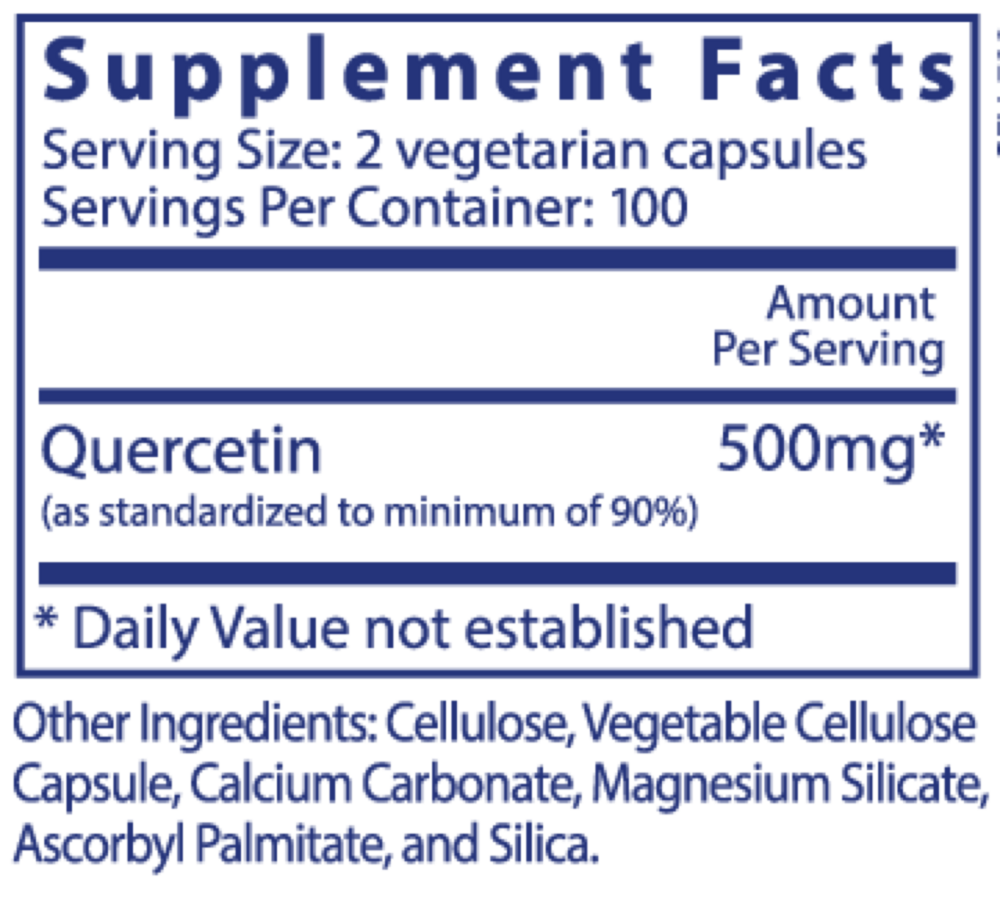
Vital Nutrients
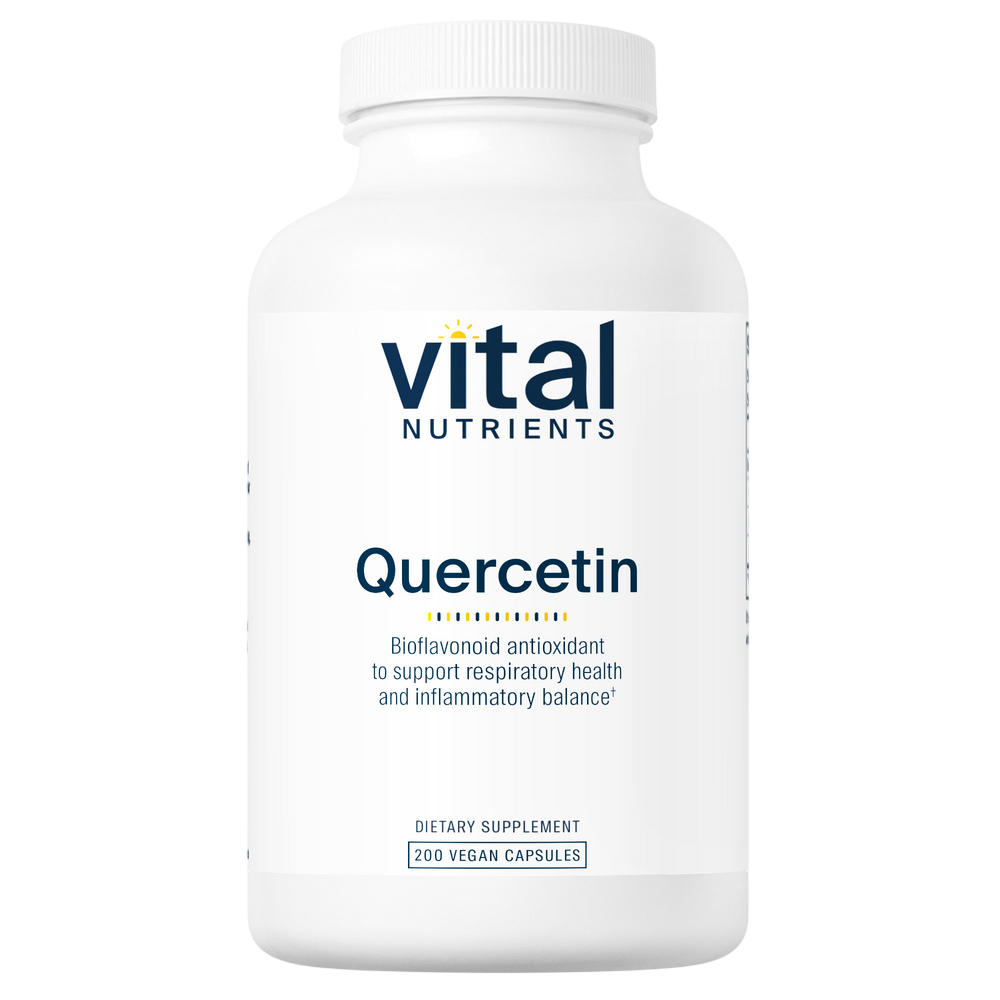
Quercetin 500 mg by Vital Nutrients
200 capsules · 100-day supply
Natural Antioxidant Support for Immune and Respiratory Health$61.99
Purchase options
Practitioner-grade brand3rd-party testedFree shipping $50+
Vegan·Vegetarian·Gluten Free·Soy Free·Dairy Free·Egg Free·
Vital Nutrients Quercetin overview
If spring pollen makes your nose and eyes miserable, quercetin for allergies is a practical, non-drowsy option. It fits adults with recurrent seasonal symptoms or histamine issues where meals high in aged cheese, wine, or cured meats trigger flushing or congestion. It’s reasonable if antihistamines leave you groggy, or you want to layer non-drug options. Track symptoms and, if you test, follow IgE (allergy antibodies), eosinophils (allergy-linked white cells), and hs-CRP (an inflammation marker) for trends over time.
Quercetin stabilizes mast cells (the immune cells that release histamine during allergies), so they spill fewer mediators that drive sneezing, itching, and congestion. It also downshifts leukotrienes (airway-tightening signaling molecules) and acts as an antioxidant that tamps down local irritation. This formula uses quercetin dihydrate, the standard form; it’s not the most absorbable, so effective doses tend to be higher. Claims about antiviral use are not well supported in human trials, so take it for allergy control, not infections.
The suggested use is 2 capsules twice daily between meals. Consistency matters; most people notice steadier symptom relief within 1 to 3 weeks, with fuller benefit by 4 to 6 weeks across a full pollen season. If you prefer gentler maintenance outside peak season, many step down to one dose per day. Taking it with a small amount of fat or alongside vitamin C is reasonable in practice, though this product’s instructions prioritize an empty stomach.
Quercetin can affect drug handling in the liver and gut (CYP3A4, 2C19, and P‑gp), so use caution with drugs that have tight dosing windows: transplant immunosuppressants, certain chemotherapy, tacrolimus, cyclosporine, and some statins. It has mild antiplatelet effects, so check with your clinician if you use blood thinners or high-dose fish oil. Separate from quinolone antibiotics by several hours. Pregnancy or breastfeeding: avoid due to limited safety data. If you have kidney disease or a history of kidney stones, use medical guidance and monitor.
Frequently asked questions
Does quercetin really help allergies?
Often, yes. By stabilizing mast cells, quercetin reduces histamine release and can ease sneezing, itchy eyes, and congestion. Human studies show modest but meaningful improvements for some people, especially when taken consistently through the season.
How long does quercetin take to work for hay fever?
Expect noticeable changes within 1–3 weeks, with fuller benefit by 4–6 weeks. Starting 2–4 weeks before your worst allergy month usually yields smoother control during peak pollen.
Should I take quercetin with food or on an empty stomach?
This formula is intended between meals. Some clinicians pair quercetin with a little fat or vitamin C to help absorption, but follow the label unless your clinician advises otherwise.
Can I take quercetin with an antihistamine like cetirizine?
Yes, they’re often combined. Quercetin works on mast cells, while antihistamines block histamine receptors. If you get overly dry or sleepy, reduce the drug dose with your clinician’s OK.
Does quercetin thin your blood?
It has mild antiplatelet activity. Most healthy adults tolerate it well, but if you use warfarin, DOACs, or daily aspirin, speak with your clinician and watch for easy bruising or nosebleeds.
Is quercetin safe long term?
Short seasonal use at common doses is generally well tolerated. For year‑round use, discuss with your clinician, especially if you have kidney disease or take multiple prescription drugs.
Can I take quercetin with statins or transplant meds?
Use caution. Quercetin can alter CYP3A4 and P‑gp activity, which affects levels of some statins and immunosuppressants like tacrolimus or cyclosporine. Coordinate with your prescriber.
What side effects should I watch for?
Occasional headache, stomach upset, or tingling can occur, usually mild. Taking it away from large meals helps some people. Stop and seek care if you notice hives, wheezing, or swelling.
How to take it & ingredients
Suggested use: Take 2 capsules, twice a day between meals, or as directed by your healthcare professional.
Active ingredients
2 capsules per serving · 100 servings
Quercetin Dihydrate 95%
500 mg
Other ingredients: Cellulose, Hypromellose, Calcium Carbonate, Magnesium Silicate, Ascorbyl Palmitate, Silica
Certifications
Benefits
Warnings