 Instalab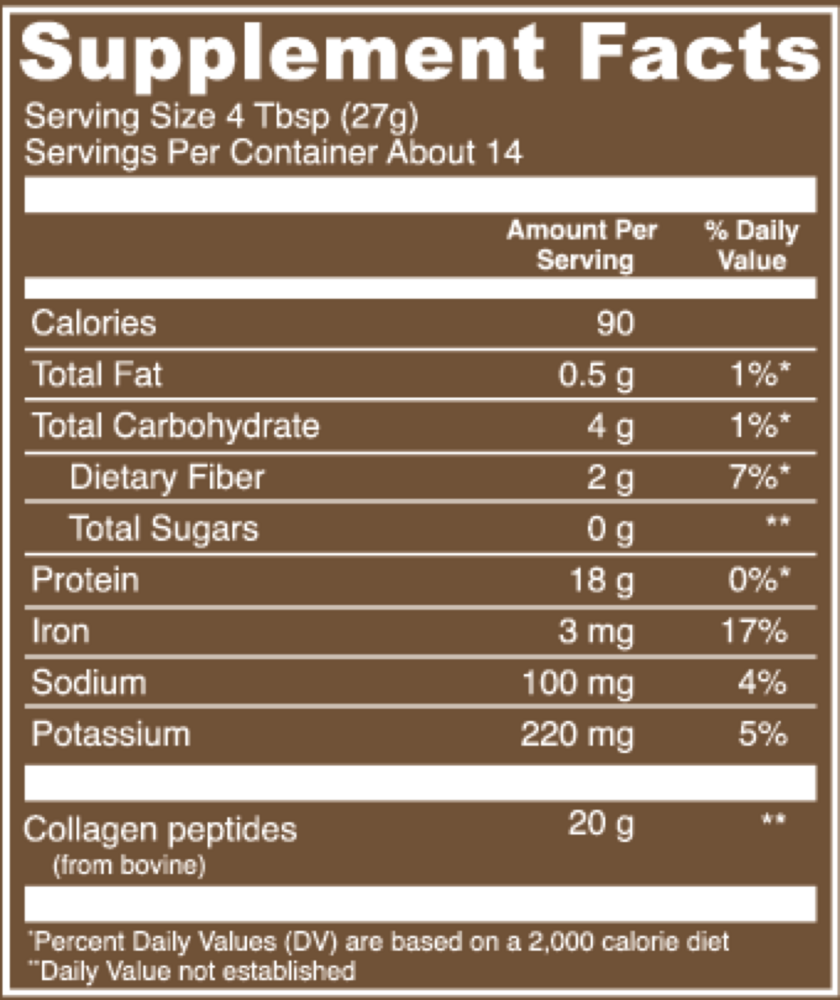


Vital Proteins LLC
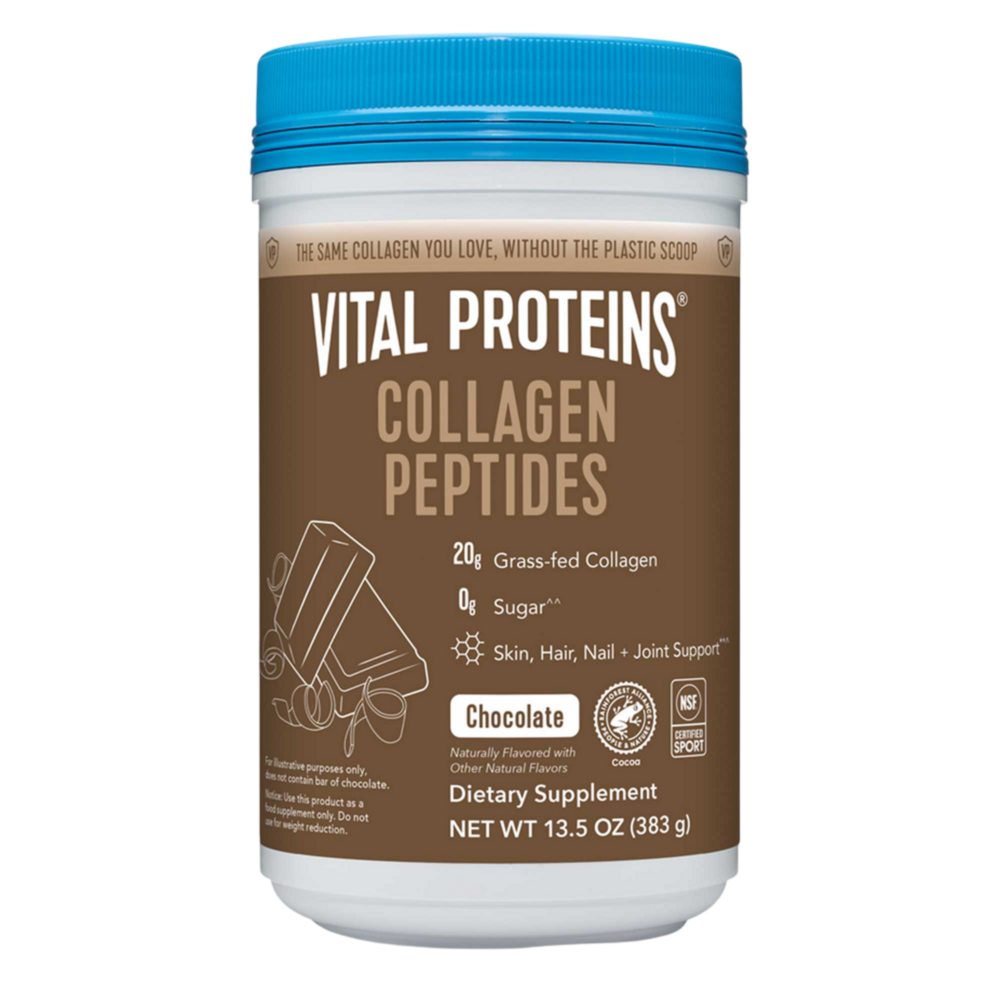
Collagen Peptides Chocolate 20 g by Vital Proteins LLC
383 grams
Delicious Chocolate Collagen for Skin, Joints, and Hair Support$27.99
Purchase options
Practitioner-grade brand3rd-party testedFree shipping $50+
Gluten Free·Dairy Free
Vital Proteins LLC Collagen Peptides Chocolate overview
If your goals are smoother-looking skin, stronger nails, or less day‑to‑day joint discomfort, collagen peptides are a practical, food-like way to try. The 20 g per serving here is a clinical-range dose used in many trials. It suits people with high-impact training, postpartum nail breakage, or adults noticing skin dryness with age. Vegans should skip it since it’s bovine-derived. If your primary aim is muscle building, whey or a leucine-rich protein is more effective than collagen.
These hydrolyzed peptides supply glycine, proline, and hydroxyproline, the main building blocks your body uses to make collagen in skin, cartilage, and tendons. Because they’re pre-broken into small peptides, they dissolve and absorb readily, and some of these peptides signal fibroblasts (the cells that make collagen) to step up production. In studies, people often see modest improvements in skin elasticity and hydration within 8 to 12 weeks, and joint comfort changes over 2 to 6 months.
Mix the full serving in 8 oz of water, coffee, or a smoothie; warm liquids blend easiest. Timing is flexible. For tendon or ligament goals, pair with 50–100 mg vitamin C from food or a small supplement and take 30–60 minutes before loading exercise. Daily consistency matters more than timing. Collagen is not a complete protein, so do not use it as your only protein source if you track macros or follow higher-protein diets.
Avoid if you do not consume animal products or have a known beef or gelatin allergy. If you have advanced kidney disease and have been told to restrict protein, talk with your clinician before adding 20 g daily. For weight training or sarcopenia (age-related muscle loss), prioritize a leucine-rich protein like whey or soy and use collagen, if at all, as an add-on rather than the core protein source.
Frequently asked questions
Do collagen peptides really help skin?
Evidence shows modest but real improvements in skin elasticity and hydration with daily use, typically within 8–12 weeks. Results vary by age, sun exposure, and consistency. It won’t replace sunscreen or retinoids, but it can be a useful add-on.
How long does collagen take to work for joints?
Joint comfort changes usually take longer than skin. Most studies report noticeable differences between 2 and 6 months of daily use. Stay consistent, and reassess around the 12–16 week mark before deciding if it’s worth continuing.
Can I put collagen peptides in coffee?
Yes. Collagen is heat-stable, and warm liquids help it dissolve. Coffee or tea is fine. If you’re using it for tendon support, pair with some vitamin C and take it 30–60 minutes before exercise instead of randomly.
Is collagen a complete protein?
No. Collagen is low in essential amino acids like tryptophan and leucine. It’s fine as a supplemental protein for skin and joint goals, but use a complete protein (whey, soy, dairy, eggs) to support muscle building and recovery.
Any side effects from collagen peptides?
Most people tolerate collagen well. A minority notice mild fullness, bloating, or taste changes. Start with a half serving if you’re sensitive. Allergic reactions are rare but possible in those with beef or gelatin allergies.
Do collagen peptides interact with medications?
There are no well-documented drug interactions with collagen. If you’re on a protein-restricted plan for kidney disease or have a history of severe food allergies, check with your clinician before adding a daily 20 g dose.
Should I take collagen with vitamin C?
It helps. Vitamin C is required for collagen assembly. A small amount from food (citrus, berries, peppers) or a 100–250 mg supplement around the time you take collagen is a reasonable, low-cost way to support the pathway.
How to take it & ingredients
Suggested use: Combine 4 tbsp with 8fl oz water, mix thoroughly. For best results, use a shaker cup or blender.
Active ingredients
4 tablespoons per serving
Collagen Peptides
Grass-fed, pasture-raised bovine hide
Grass-fed, pasture-raised bovine hide
20 g
Other ingredients: Cocoa processed with alkali, natural flavors, sea salt, stevia sweetener
Certifications
Benefits
Warnings
Customers also considered
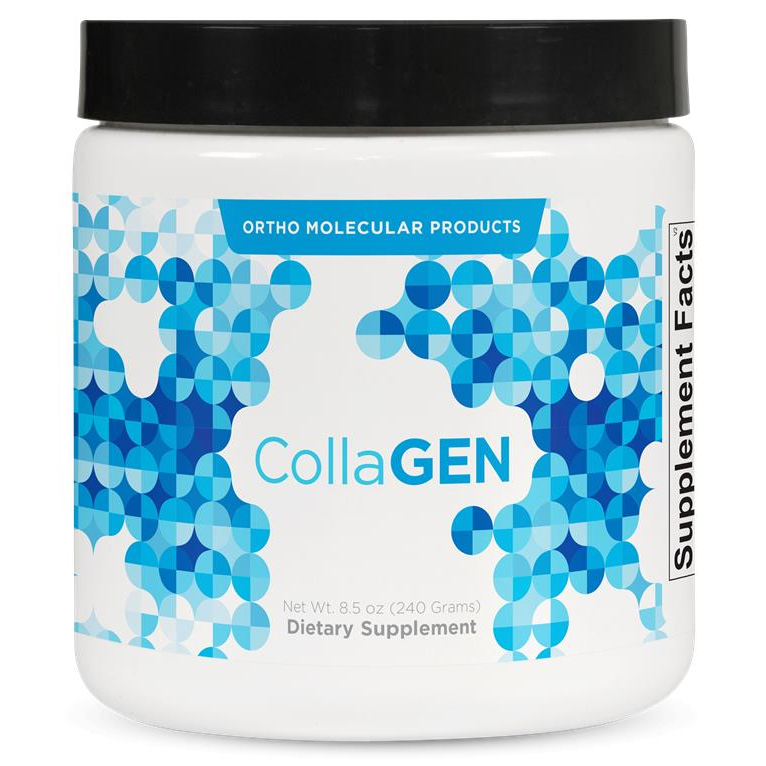
CollaGEN
Ortho Molecular Products
240 grams
$81.64$73.55 with Subscribe & Save
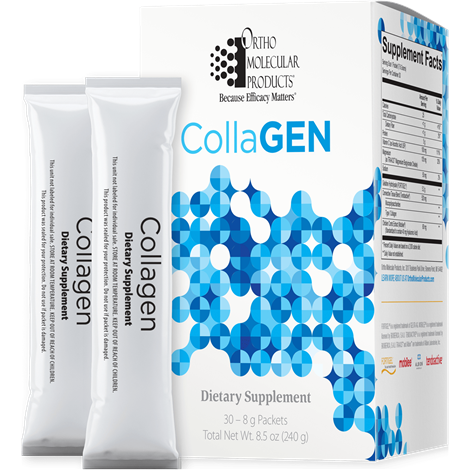
CollaGEN Stick Packs
Ortho Molecular Products
30 packets
$106.84$96.25 with Subscribe & Save
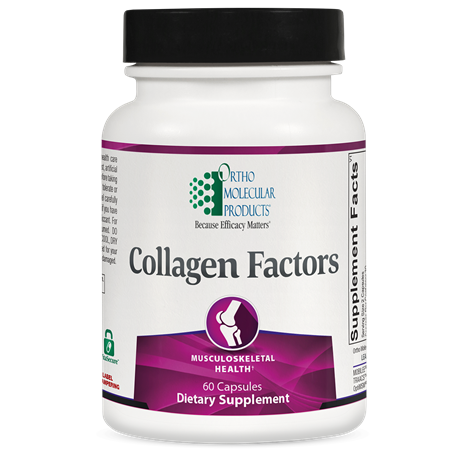
Collagen Factors
Ortho Molecular Products
60 capsules
$47.23$42.55 with Subscribe & Save
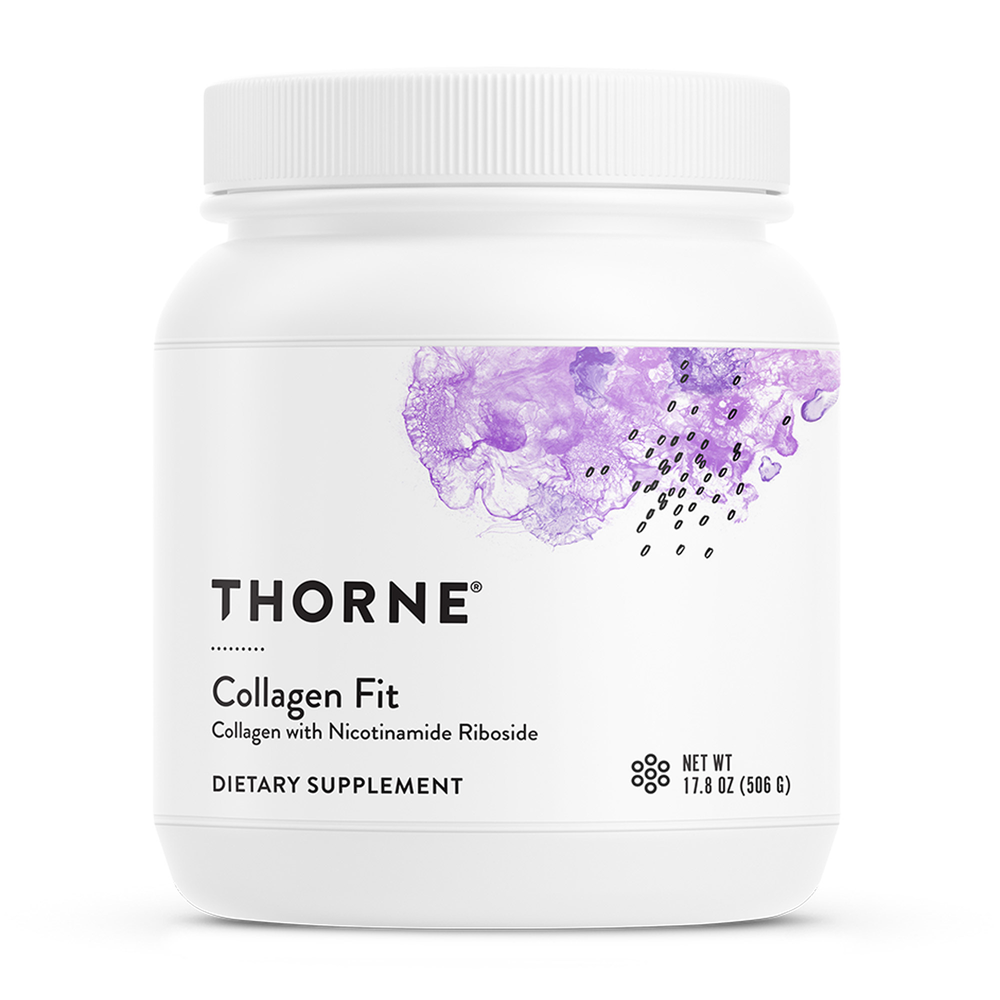
Collagen Fit
Thorne
506 grams
$56.00$50.40 with Subscribe & Save