 Instalab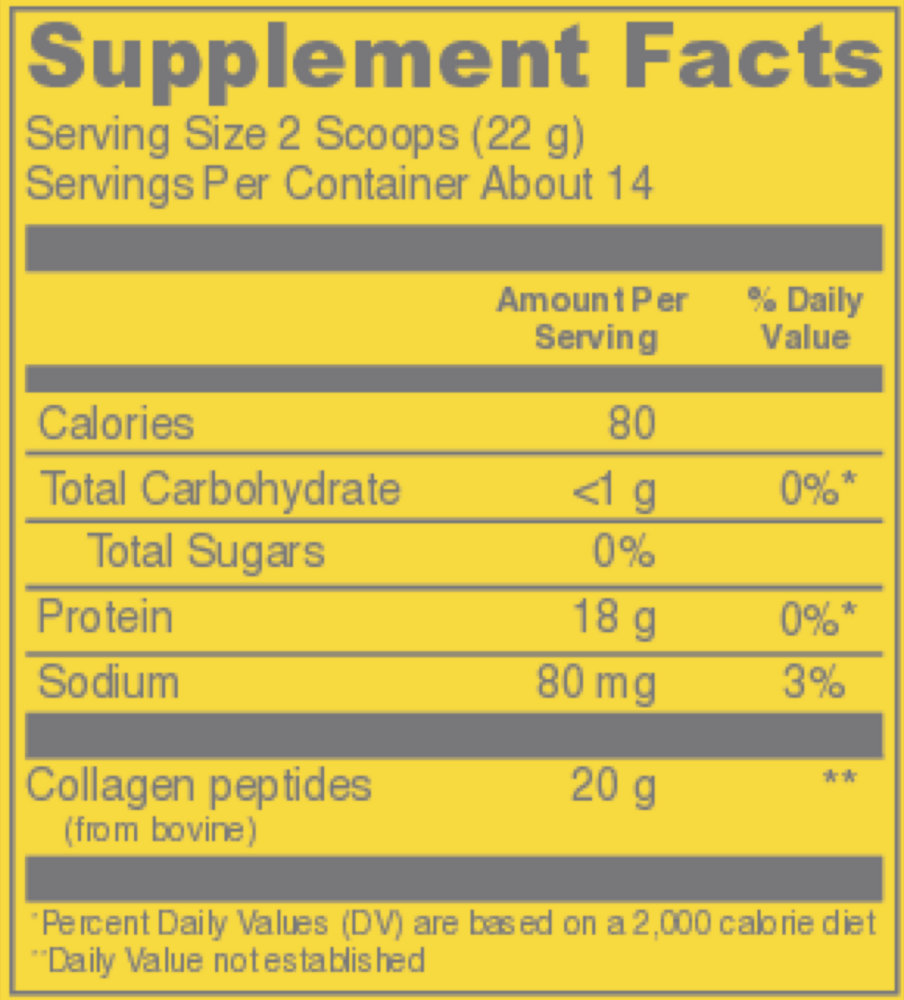


Vital Proteins LLC
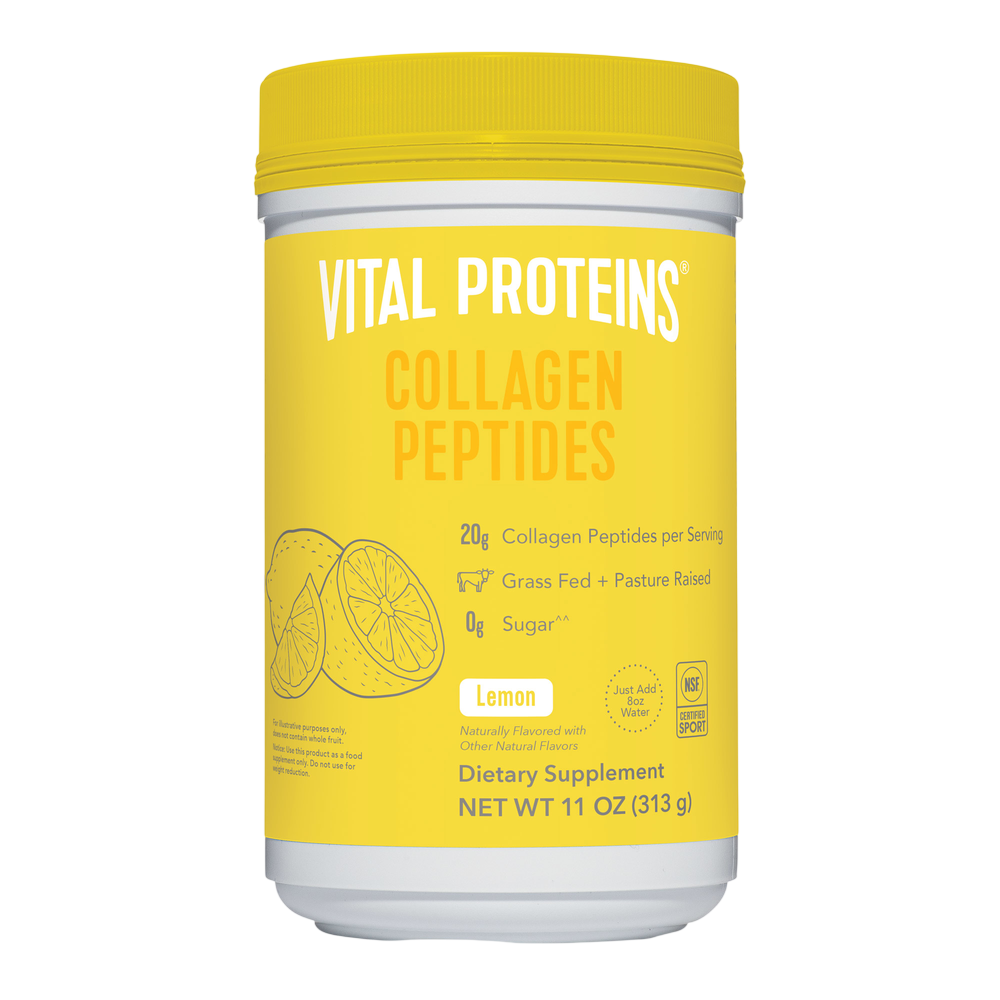
Collagen Peptides Lemon 20 g by Vital Proteins LLC
313 grams
Hydrate and support skin, joints, and hair with collagen peptides.$27.99
Purchase options
Practitioner-grade brand3rd-party testedFree shipping $50+
Gluten Free·Dairy Free
Vital Proteins LLC Collagen Peptides Lemon overview
If your skin is starting to look drier or less firm in your 30s and beyond, collagen peptides are one of the few ingestible beauty tools with clinical signal. They also fit runners and lifters with mild joint aches, and anyone who struggles to hit daily protein from food. The 20 g serving here is a research-level dose for skin and joint outcomes within 8 to 12 weeks. Vegans will need a different strategy since collagen is animal-derived.
These hydrolyzed collagen peptides break down into small di‑ and tripeptides that are absorbed intact and act like signals to fibroblasts (the skin cells that make collagen). That nudges new collagen and hyaluronic acid production, which is why studies find modest gains in skin elasticity and hydration by 8 to 12 weeks. In joints and tendons, the same peptides provide glycine, proline, and hydroxyproline, the key amino acids in cartilage, and can reduce exercise-related discomfort in responders.
Mix the 20 g serving in hot or cold liquids; lemon flavor makes plain water easy. Take once daily, with or between meals. For tendon or joint goals, pairing with a small dose of vitamin C and taking it 30 to 60 minutes before loading exercise can amplify collagen synthesis. Collagen is not a complete protein, so keep eating complete protein sources alongside it for muscle and overall nutrition.
Skip this if you need a vegan or halal/kosher option, or if you avoid bovine products. If you follow a protein-restricted plan for advanced kidney disease, review total daily protein with your clinician before adding 20 g. For bone density, collagen is an adjunct; you still need adequate calcium, Vitamin D, 25-Hydroxy in a healthy range, and resistance training for meaningful change.
Frequently asked questions
How long do collagen peptides take to work?
Most skin and joint studies show results in 8 to 12 weeks at 10–20 g per day. Some people notice skin hydration sooner, while joint comfort can continue improving up to 6 months with consistent use.
Do collagen peptides help with joint pain?
They can in mild, activity-related joint discomfort. Trials in athletes and adults with knee pain show reduced symptoms over 8–24 weeks at daily doses of 10–20 g. Severe arthritis usually needs broader treatment.
Can I put collagen peptides in coffee or hot tea?
Yes. These peptides are heat-stable and dissolve in hot or cold liquids. Temperature does not meaningfully affect their absorption or activity.
Are collagen peptides a complete protein?
No. Collagen lacks tryptophan and has low amounts of several essential amino acids. Treat it as a functional add-on, not a sole protein source. Keep eating complete proteins like eggs, dairy, fish, soy, or legumes plus grains.
Do I need vitamin C with collagen peptides?
A small amount helps. Vitamin C is a cofactor for collagen formation. Many protocols pair collagen with 50–100 mg vitamin C, especially before training for tendon goals.
Are collagen peptides safe in pregnancy or breastfeeding?
Generally considered food-grade and well tolerated, but safety data are limited. Discuss total protein needs and any allergies with your obstetric provider before starting.
Will collagen peptides improve hair and nails?
Some users see stronger nails and fewer breakages within 8–12 weeks. Hair outcomes are mixed; if shedding is new, check iron (Ferritin) and thyroid labs with your clinician.
Are collagen peptides suitable for vegans?
No. Collagen is animal-derived. Vegan options use “collagen builders” like glycine, proline, and vitamin C, but they are not collagen peptides.
How to take it & ingredients
Suggested use: Combine 4 tbsp with 8 fl oz of hot or cold water and mix thoroughly. Use more or less water to adjust taste.
Active ingredients
4 tablespoons per serving
Collagen Peptides
From bovine
From bovine
20 g
Other ingredients: Citric acid, natural flavors, sea salt, stevia sweetener
Certifications
Benefits
Warnings
Customers also considered
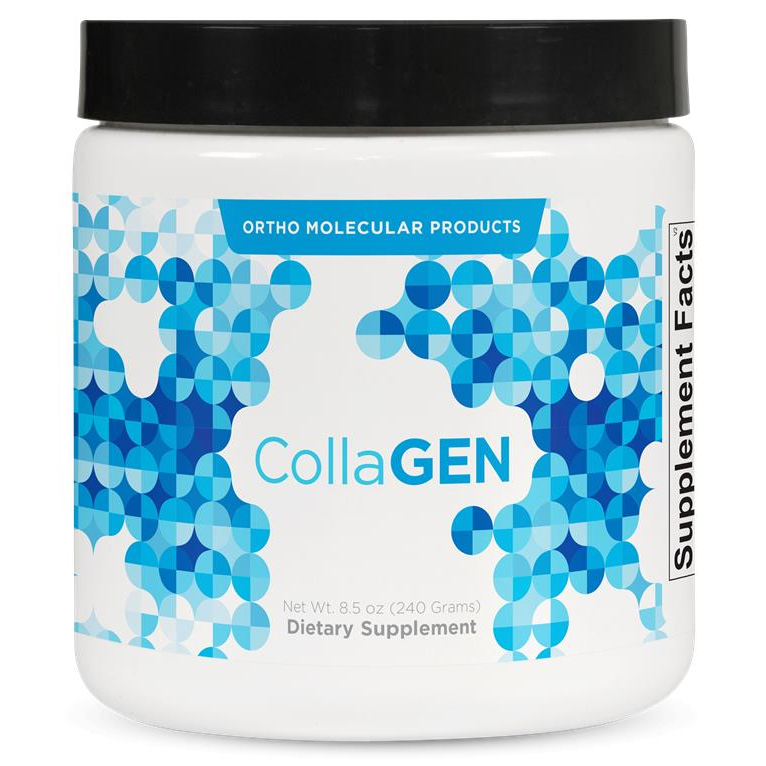
CollaGEN
Ortho Molecular Products
240 grams
$81.64$73.55 with Subscribe & Save
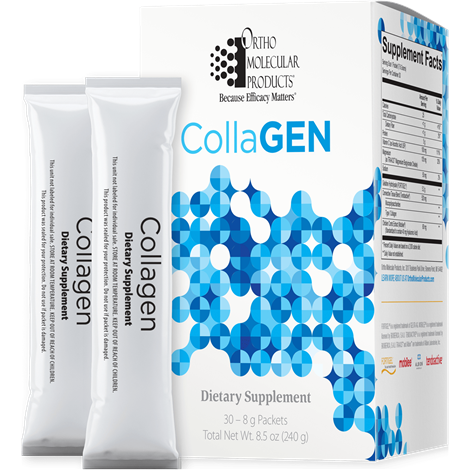
CollaGEN Stick Packs
Ortho Molecular Products
30 packets
$106.84$96.25 with Subscribe & Save
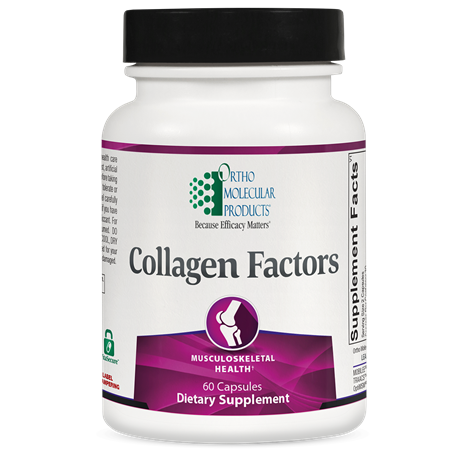
Collagen Factors
Ortho Molecular Products
60 capsules
$47.23$42.55 with Subscribe & Save
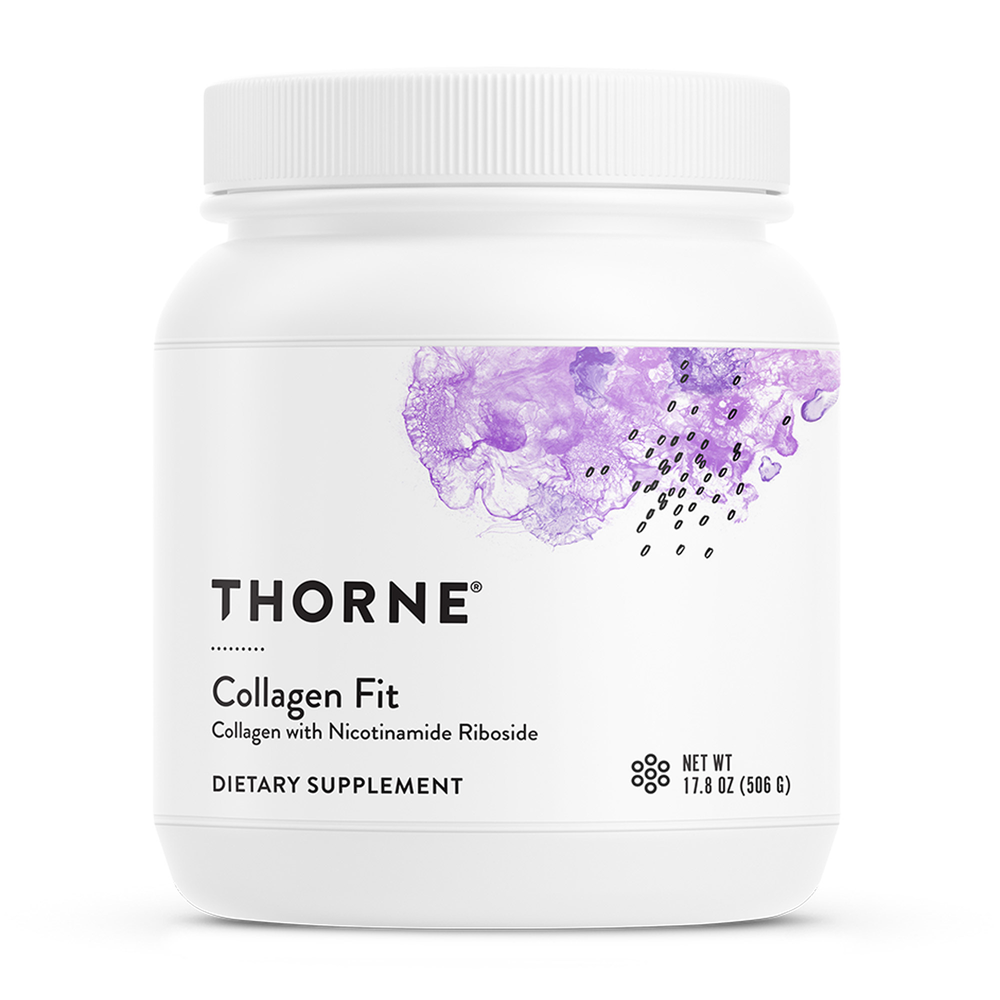
Collagen Fit
Thorne
506 grams
$56.00$50.40 with Subscribe & Save