 Instalab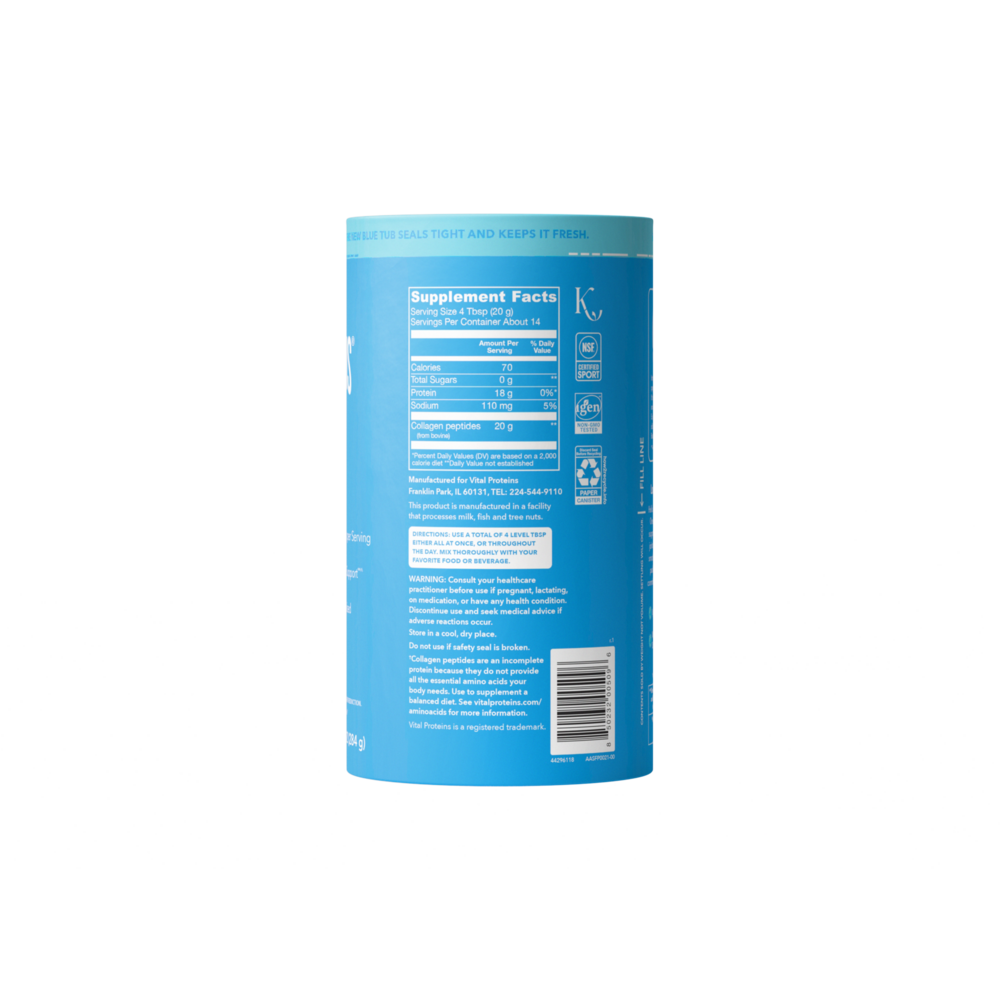

Vital Proteins LLC
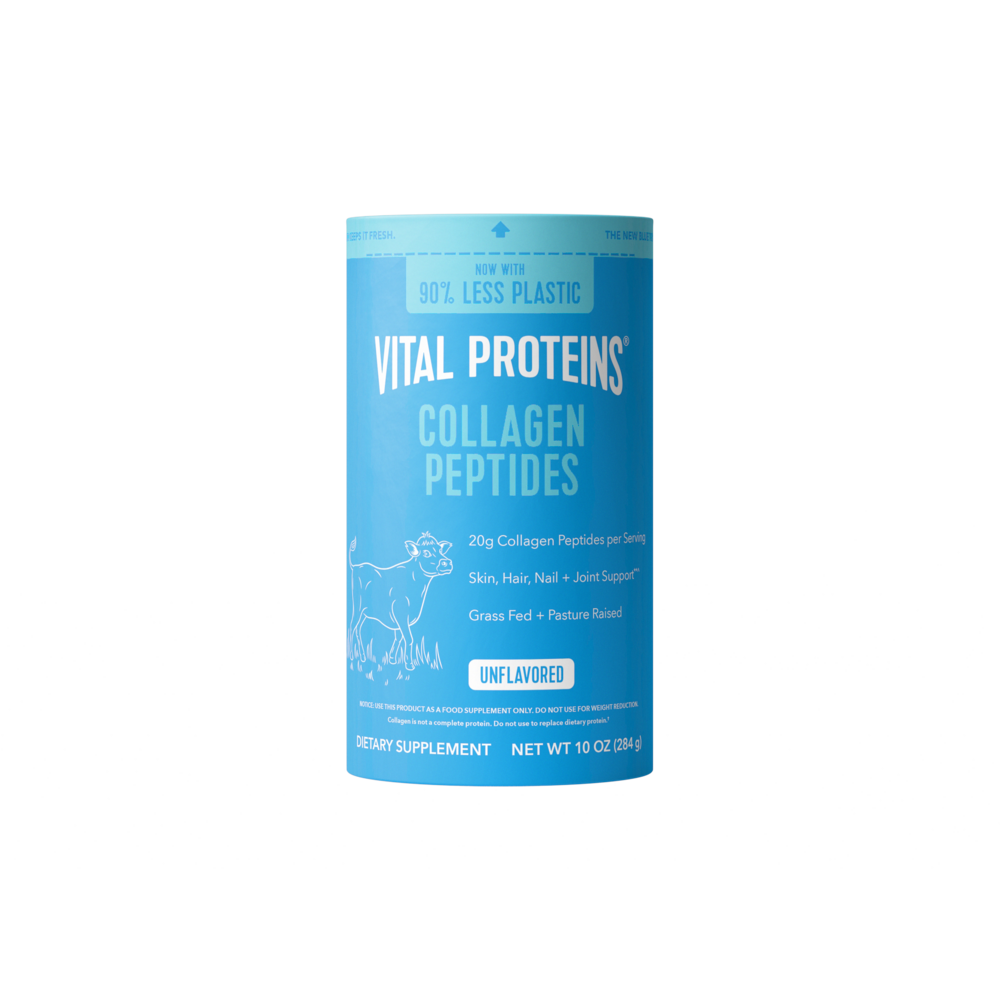
Collagen Peptides Unflavored 20 g by Vital Proteins LLC
284 grams
Support Skin, Joints, Hair, and Bones with Pure Collagen Peptides$27.99
Purchase options
Practitioner-grade brand3rd-party testedFree shipping $50+
Kosher·Gluten Free·Dairy Free
Vital Proteins LLC Collagen Peptides Unflavored overview
If you’re looking for collagen peptides benefits you can feel and measure, this 20 g serving fits adults aiming for skin elasticity and joint comfort within 8 to 12 weeks. It’s useful if fine lines or dry skin are creeping in, if your nails split easily, or if your knees ache after runs. For bone health, pair it with adequate calcium and Vitamin D, 25-Hydroxy in a healthy range. Athletes use it to nudge tendon and ligament recovery alongside training.
Hydrolyzed collagen is pre-broken into small peptides rich in glycine, proline, and hydroxyproline. These are absorbed and act two ways: they supply the exact amino acids your body needs to rebuild collagen, and they signal fibroblasts (skin’s collagen-making cells) and chondrocytes (cartilage cells) to make more collagen and hyaluronic acid. Bovine collagen provides mainly type I and III, the forms most abundant in skin, bone, and tendons.
Mix the full scoop in 8 oz of any hot or cold liquid; coffee and smoothies work well. Take once daily or split into two smaller servings. Effects on skin and joints typically appear after consistent daily use for 8 to 12 weeks; brittle nails often improve by 6 to 8 weeks. For connective tissue training, 10–15 g 30–60 minutes before rehab or lifting with a vitamin C source is a practical protocol.
Collagen is not a complete protein and shouldn’t replace higher-leucine proteins like whey or soy for muscle building. If you follow a protein-restricted plan for kidney disease, talk with your clinician before adding 20 g daily. Allergic to beef? Skip bovine collagen. If you have a history of recurrent kidney stones, especially calcium oxalate stones, discuss added gelatin/collagen intake with your urologist.
Frequently asked questions
How long do collagen peptides take to work?
Most studies show noticeable changes in skin hydration and elasticity, and reduced joint discomfort, within 8–12 weeks of daily use. Nails often respond a bit earlier, around 6–8 weeks. Consistency matters more than timing.
Do collagen peptides help skin and wrinkles?
Yes, in many adults. Randomized trials report modest improvements in skin elasticity, hydration, and fine lines after daily collagen for 8–12 weeks. The effect is real but not dramatic, and it depends on dose and consistency.
Are collagen peptides a complete protein?
No. Collagen is low in tryptophan and has less leucine than whey or soy, so it’s not ideal as your primary protein. Use it for connective tissue and skin goals, and get complete proteins elsewhere in your diet.
Should I take collagen with vitamin C?
It helps. Vitamin C is a cofactor your body uses to build collagen. Pair your collagen with a vitamin C–containing food or supplement, especially around rehab or strength sessions targeting tendons or ligaments.
Is marine collagen better than bovine collagen?
They’re similar for skin outcomes. Marine is also type I collagen; bovine provides type I and III. Choose bovine if you want type III for tendons and bone, or marine if you avoid beef. Dose and adherence matter more than source.
Can I take collagen peptides with coffee or hot drinks?
Yes. Hydrolyzed collagen dissolves in hot or cold liquids, and heat from coffee doesn’t meaningfully damage it. Mix thoroughly to avoid clumping, and drink anytime that helps you stay consistent.
Any side effects from collagen peptides?
They’re generally well tolerated. Some people notice mild fullness, bloating, or a change in stool if they increase the dose quickly. Start with half a serving for a few days if you’re sensitive to new proteins.
Is collagen safe in pregnancy or breastfeeding?
Collagen is a food-derived protein and is widely used, but data in pregnancy are limited. If you’re pregnant or breastfeeding, discuss any new supplement, including collagen, with your obstetric clinician.
How to take it & ingredients
Suggested use: Combine 4 level tbsp with 8 fl oz of liquid & mix thoroughly.
Active ingredients
4 tablespoons per serving
Collagen Peptides
From bovine
From bovine
20 g
Certifications
Benefits
Warnings
Customers also considered
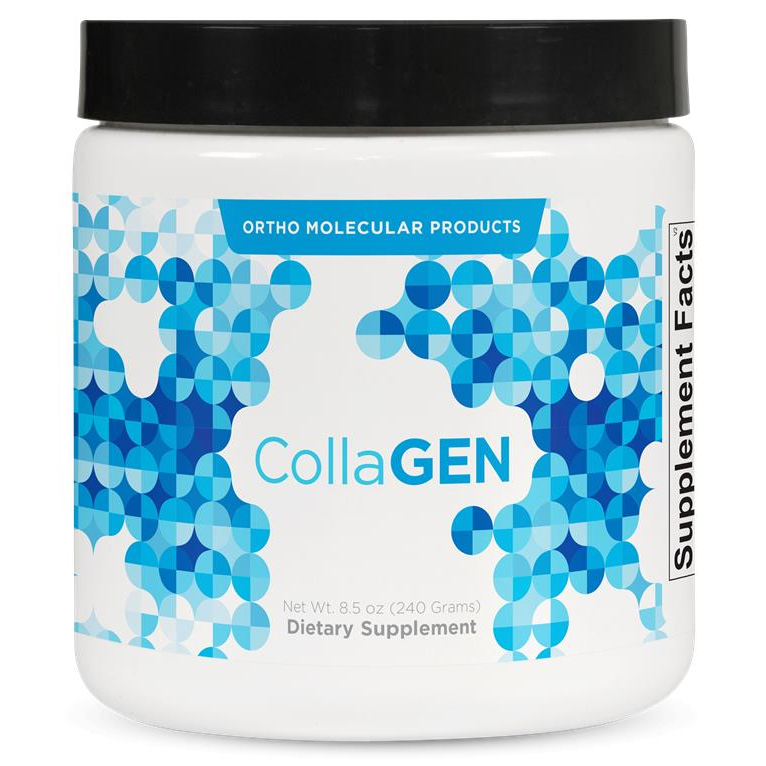
CollaGEN
Ortho Molecular Products
240 grams
$81.64$73.55 with Subscribe & Save
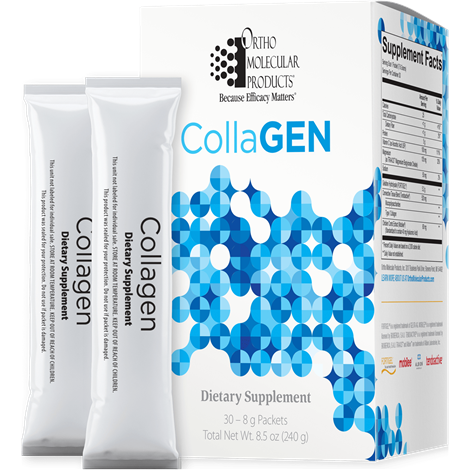
CollaGEN Stick Packs
Ortho Molecular Products
30 packets
$106.84$96.25 with Subscribe & Save
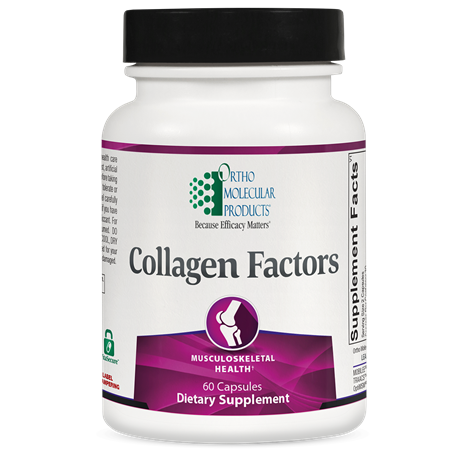
Collagen Factors
Ortho Molecular Products
60 capsules
$47.23$42.55 with Subscribe & Save
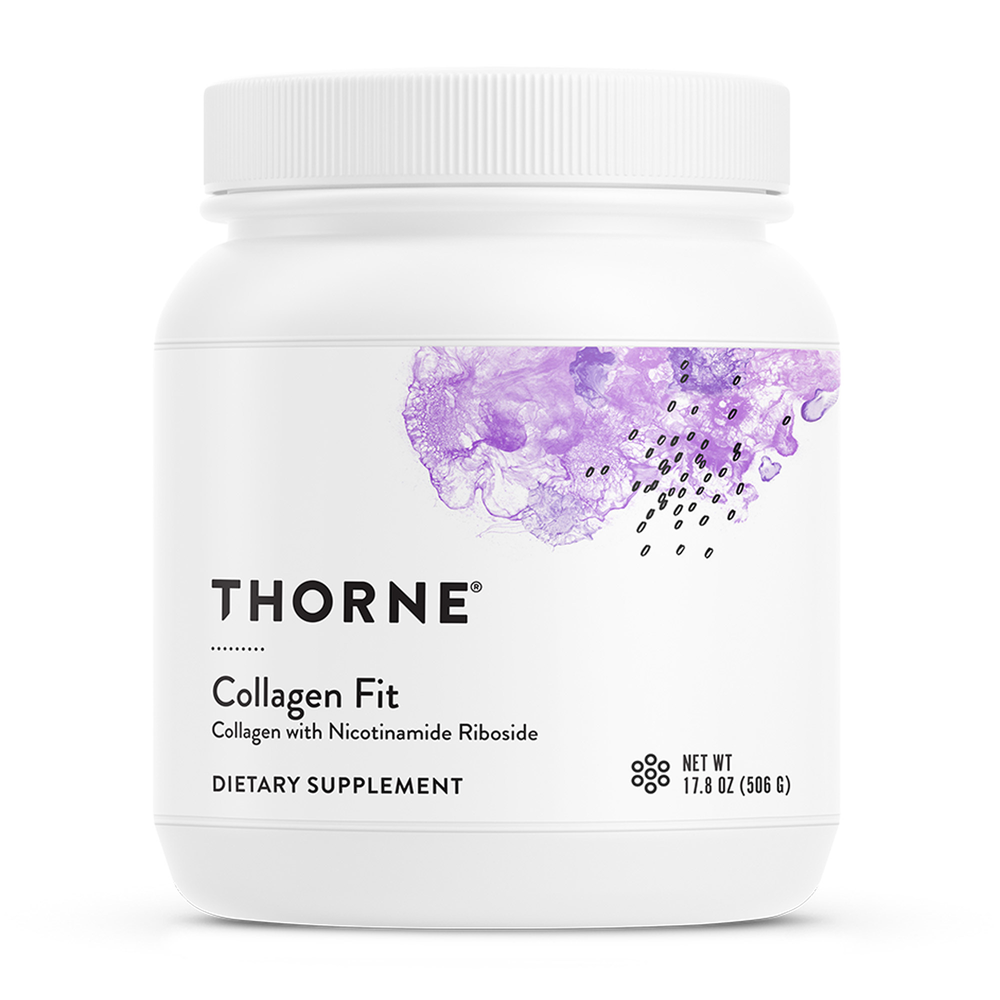
Collagen Fit
Thorne
506 grams
$56.00$50.40 with Subscribe & Save