 Instalab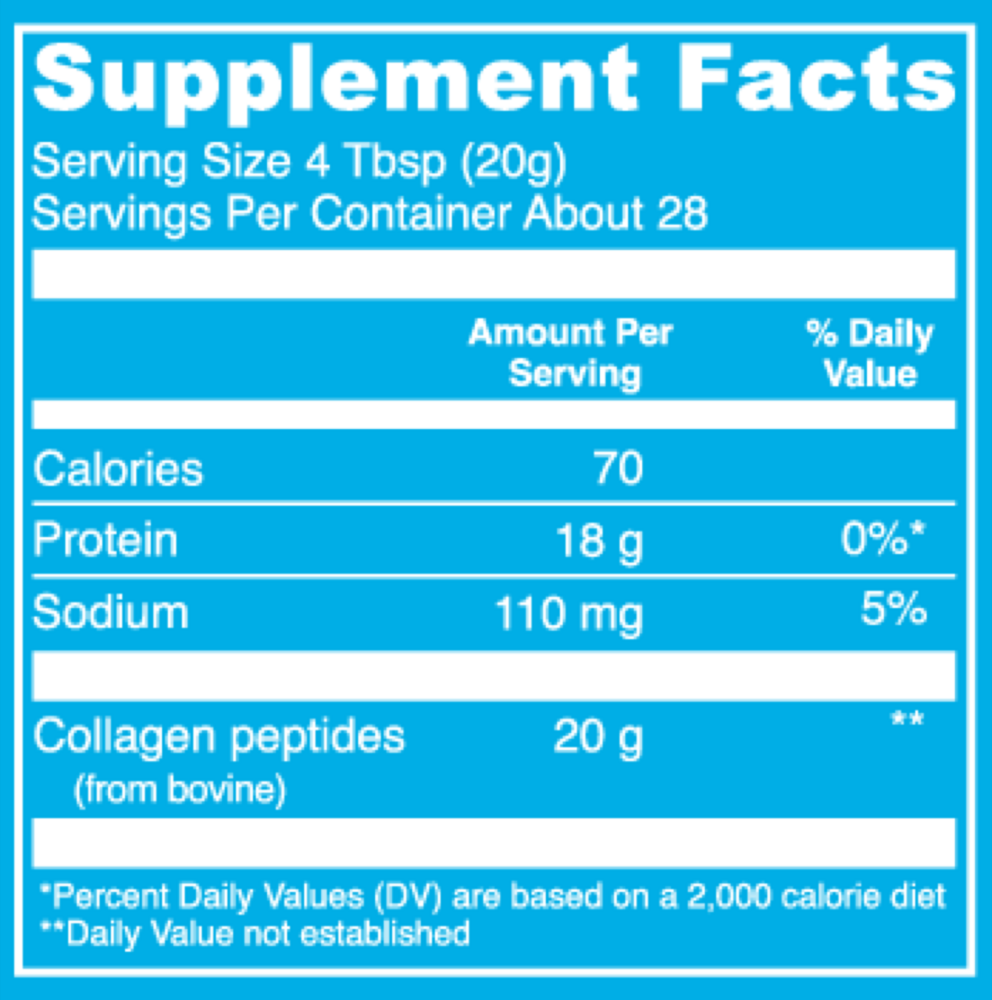

Vital Proteins LLC
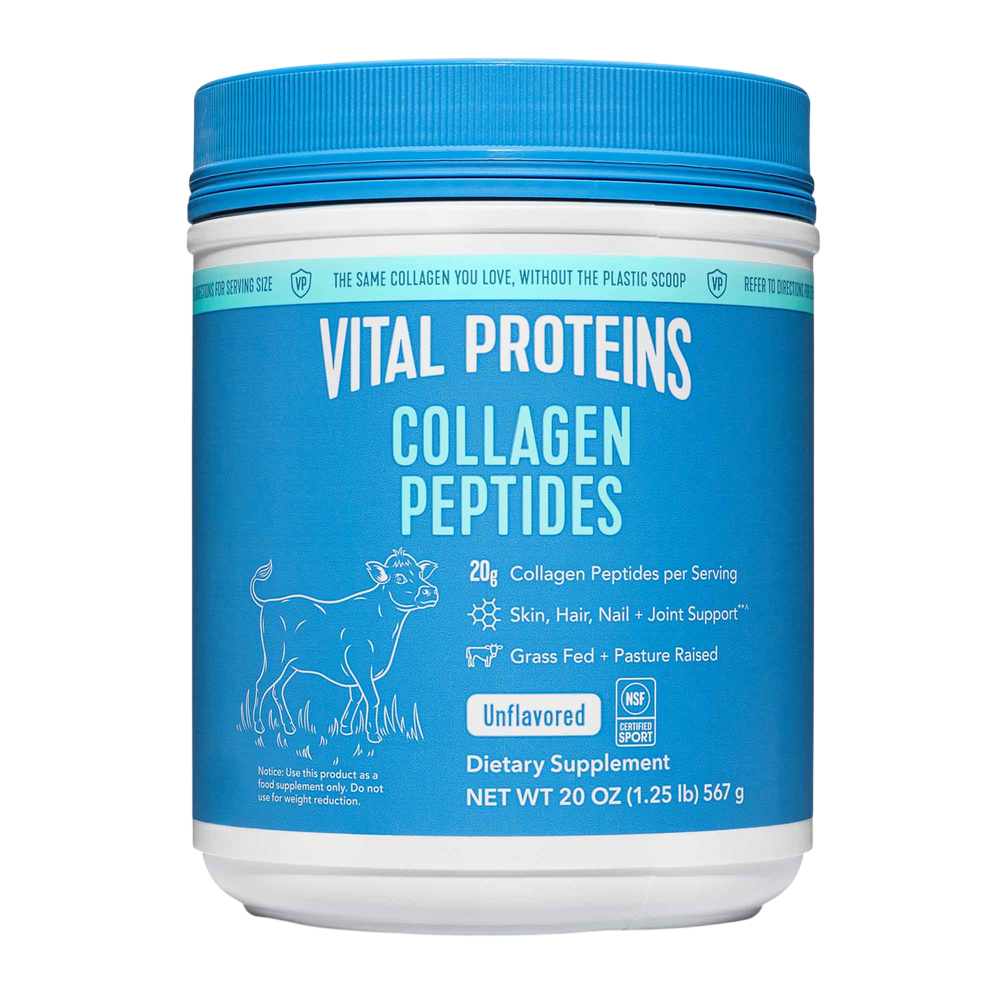
Collagen Peptides Unflavored 20 g by Vital Proteins LLC
567 grams
Support Your Skin, Joints, and Hair with Premium Collagen Peptides$47.99
Purchase options
Practitioner-grade brand3rd-party testedFree shipping $50+
Kosher·Gluten Free·Dairy Free
Vital Proteins LLC Collagen Peptides Unflavored overview
Collagen peptides are a fit if you want modest, measurable changes in skin and joints without changing your whole diet. Adults in their 30s to 60s often notice skin dryness or knee discomfort from training; 10–20 g daily is the research lane. Expect visible skin improvements within 8–12 weeks, and joint comfort to trend better over 3–6 months. If you’re vegan or need marine-only sources, this bovine form isn’t for you.
These short collagen fragments deliver glycine, proline, and hydroxyproline (the key amino acids your body uses to rebuild collagen) and also act as signals that nudge fibroblasts (the cells that make skin collagen) to produce more. Trials show small but real gains in skin elasticity and hydration. In joints, they provide raw material for cartilage and can lower exercise-related pain over months. Some studies show favorable shifts in P1NP (a bone-formation marker) and CTX (a bone-breakdown marker), suggesting a tilt toward building.
The 20 g serving mixes into coffee, tea, or smoothies; hot or cold is fine. Many studies use 10 g, so you can split the scoop morning and evening. Take with vitamin C–rich foods (citrus, berries), since vitamin C is a cofactor for collagen assembly. For joints and bone, pair with resistance training; for bone density, keep Vitamin D, 25-Hydroxy and calcium intake on target.
Collagen is not a complete protein and is low in leucine (the amino acid that triggers muscle building), so it shouldn’t replace whey, soy, or a balanced protein at meals if muscle gain is the goal. Skip if you avoid bovine products or have a known beef/gelatin allergy. On protein-restricted diets for kidney disease, discuss total protein with your clinician first.
Frequently asked questions
How long do collagen peptides take to work?
Skin changes usually show up in 8–12 weeks; joint comfort often improves over 3–6 months. Collagen turnover is slow, so daily use matters. If nothing changes by 12 weeks for skin or 6 months for joints, reconsider dose, adherence, or whether collagen is the right tool.
Do collagen peptides help with wrinkles or skin elasticity?
Yes, several randomized trials show modest improvements in skin elasticity and hydration with daily collagen peptides. Effects are noticeable but not dramatic, and they depend on consistent use. Results are typically seen after 8–12 weeks and can be maintained with ongoing intake.
Are collagen peptides good for joint pain or knee issues?
They can help reduce exercise-related or mild degenerative knee discomfort over 3–6 months. Benefits are modest and work best alongside strength training and weight management. For acute injuries or significant arthritis, collagen is an adjunct, not a replacement for medical care.
Can I mix collagen peptides in coffee or hot drinks?
Yes. Heat doesn’t meaningfully damage collagen peptides. They dissolve well in hot coffee or tea and also mix into smoothies, oats, or soup. If clumping, add powder first, then liquid, and stir or use a shaker.
Are collagen peptides a complete protein?
No. Collagen lacks tryptophan and is low in leucine, so it doesn’t fully stimulate muscle protein synthesis. Use collagen for skin, joints, and connective tissue, and rely on complete proteins (whey, soy, eggs, meats, legumes) for muscle building.
Do I need vitamin C with collagen peptides?
It helps. Vitamin C is required to assemble new collagen fibers. You don’t need a separate pill if your diet includes vitamin C–rich foods, but combining collagen with fruit or a C-containing meal is a smart habit.
Any side effects or GI issues with collagen?
Most people tolerate it well. A small number report mild bloating or a lingering taste. Splitting the dose or mixing into more liquid usually solves it. Allergic reactions are rare but possible if you’re sensitive to bovine/gelatin proteins.
Is collagen safe in pregnancy or breastfeeding?
Collagen is a food-derived protein and generally considered safe, but data in pregnancy are limited. If you’re using it to reach protein goals, review your total daily protein with your prenatal clinician before starting.
How to take it & ingredients
Suggested use: Combine 4 level tbsp with 8 fl oz of liquid & mix thoroughly.
Active ingredients
4 tablespoons per serving
Collagen Peptides
From bovine
From bovine
20 g
Certifications
Benefits
Warnings
Customers also considered
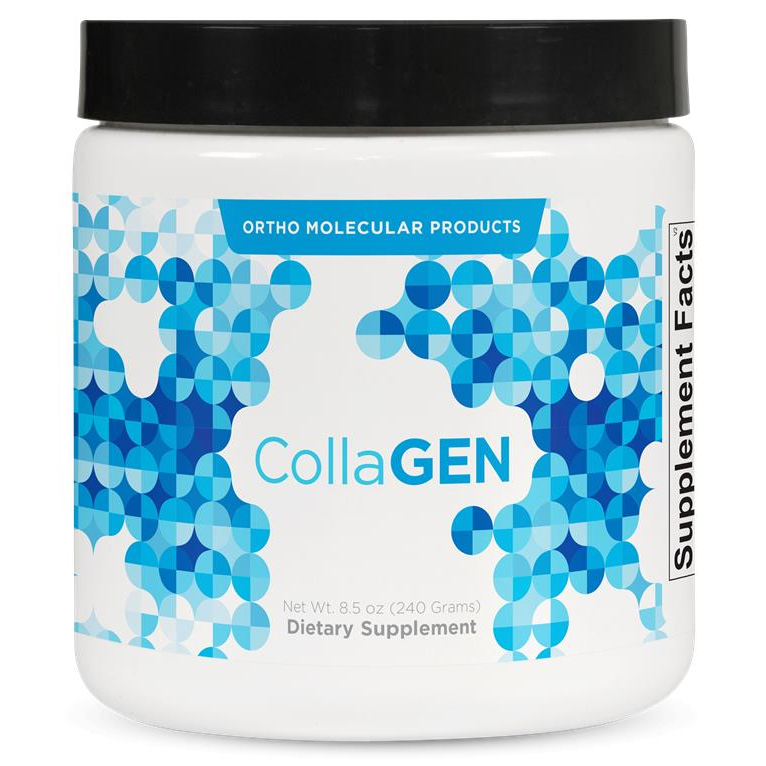
CollaGEN
Ortho Molecular Products
240 grams
$81.64$73.55 with Subscribe & Save
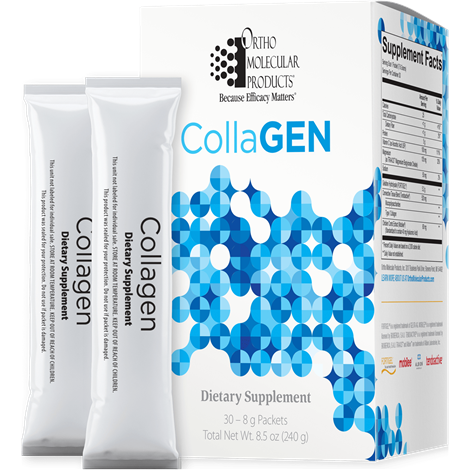
CollaGEN Stick Packs
Ortho Molecular Products
30 packets
$106.84$96.25 with Subscribe & Save
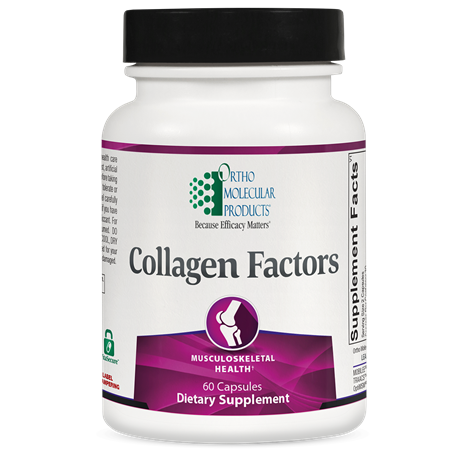
Collagen Factors
Ortho Molecular Products
60 capsules
$47.23$42.55 with Subscribe & Save
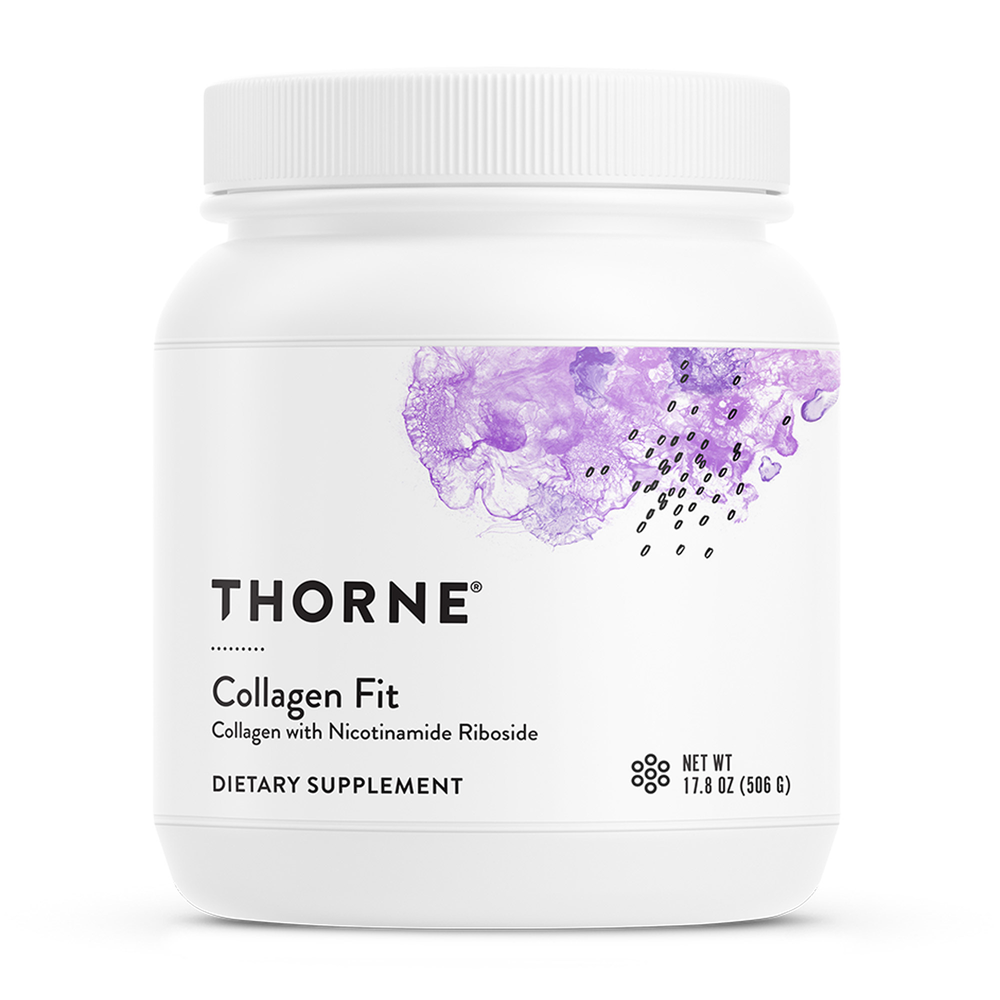
Collagen Fit
Thorne
506 grams
$56.00$50.40 with Subscribe & Save