 Instalab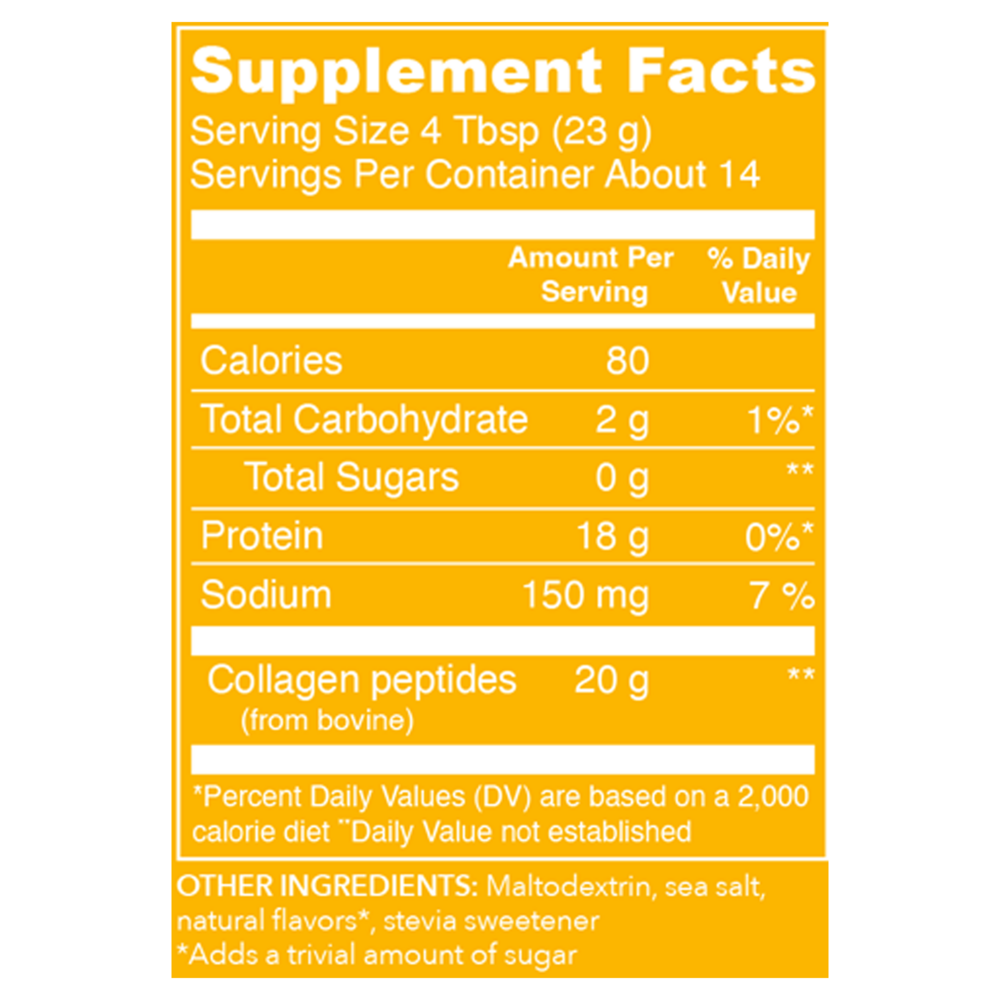


Vital Proteins LLC
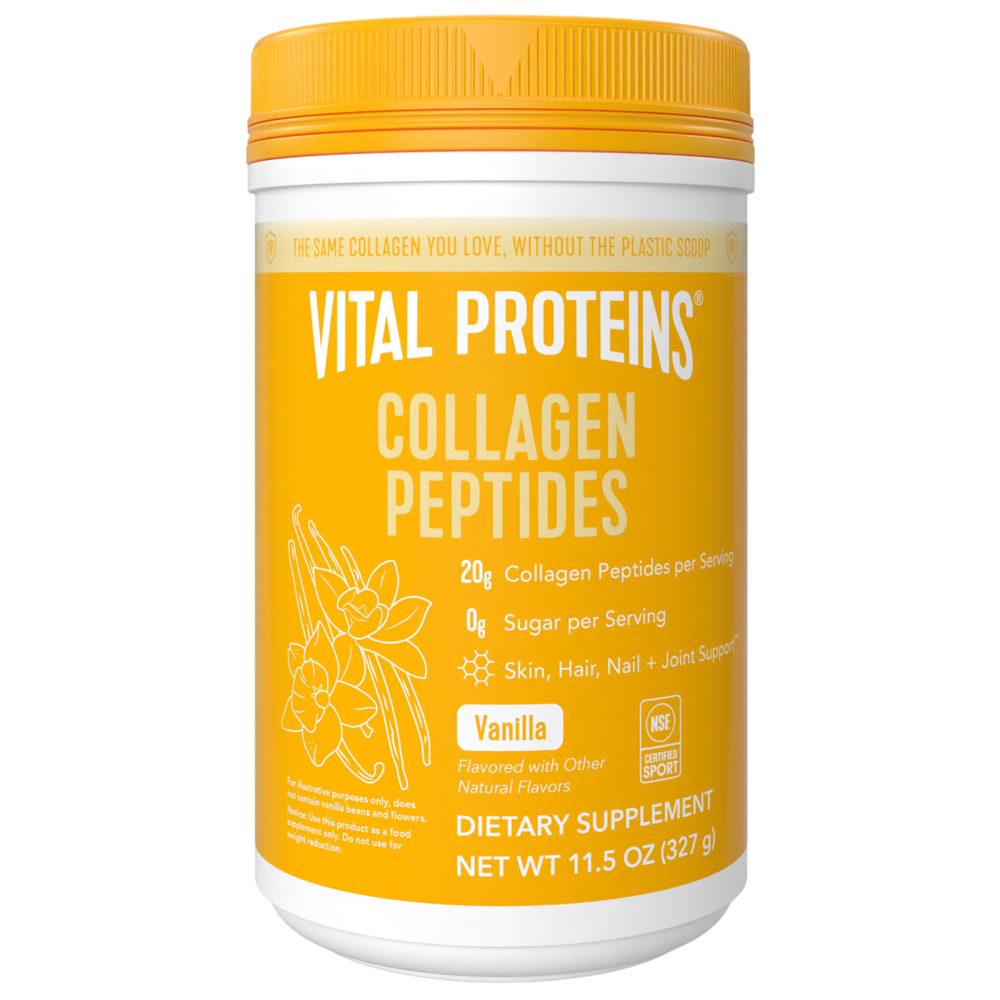
Collagen Peptides Vanilla 20 g by Vital Proteins LLC
327 grams
Support Skin, Joints, and Hair with Delicious Vanilla Collagen Peptides$27.99
Purchase options
Practitioner-grade brand3rd-party testedFree shipping $50+
Kosher·Gluten Free·Dairy Free
Vital Proteins LLC Collagen Peptides Vanilla overview
Smoother skin and less morning joint stiffness are where collagen peptides consistently earn their keep. Adults seeing early wrinkles or dryness, runners with creaky knees, and postpartum patients with brittle nails tend to notice the clearest wins. The 20 g per day here matches many trials that improved skin elasticity within 8 to 12 weeks and reduced activity-related joint discomfort over 3 to 6 months. Vegans should skip—this is bovine-derived. If you’re chasing muscle gain, keep your usual complete protein; collagen isn’t a substitute.
Collagen peptides are broken down into small di- and tripeptides like proline–hydroxyproline that are absorbed intact and act as signals to fibroblasts (the skin cells that build collagen) to ramp up collagen and hyaluronic acid production. That’s the biology behind better elasticity and hydration. For joints, these peptides provide glycine and proline, the raw materials for collagen in cartilage, and appear to reduce cartilage breakdown markers in studies, translating to modest pain relief in active and older adults.
Mix one serving in hot coffee or tea, or shake into cold liquids until fully dissolved. Once-daily is fine; splitting into two smaller doses can ease fullness. Pair with vitamin C–rich foods (citrus, berries) because vitamin C is required for collagen assembly in tissues. Expect skin changes in 8 to 12 weeks and joint changes after consistent use for 3 months. For bone health, benefits in bone density typically require longer courses alongside calcium and vitamin D.
Skip if you avoid bovine products for religious, ethical, or allergy reasons. This is not a complete protein, so don’t replace your main protein source. If you have a history of kidney stones, keep total daily protein and supplemental intake moderate and hydrate well; discuss with your clinician. Sensitive stomachs can start with half a serving for a week. Pregnancy and breastfeeding are generally compatible, but ingredient lists matter—review with your obstetric clinician if unsure.
Frequently asked questions
How long do collagen peptides take to work?
Skin results usually show up in 8–12 weeks, while joint comfort changes often need 3 months of daily use. Nail strength can improve in 2–3 months. Bone outcomes require longer courses, typically many months alongside calcium and vitamin D.
Are collagen peptides a complete protein?
No. Collagen is low in several essential amino acids and contains virtually no tryptophan. Use it as a functional add-on, not a replacement for complete proteins like whey, soy, dairy, eggs, fish, or mixed plant proteins.
Should I take collagen peptides with vitamin C?
Yes, pairing with vitamin C is smart. Vitamin C is required for the enzymes that build collagen in tissue. A glass of orange juice, berries, or a small vitamin C supplement alongside your collagen is enough.
Do collagen peptides help joint pain or just skin?
Both, but effects differ. Trials show modest reductions in activity-related knee pain over 3–6 months, and more consistent improvements in skin elasticity and hydration by 8–12 weeks. Severe arthritis still needs standard medical management.
Can I put collagen peptides in coffee?
Yes. Heat-stable collagen peptides dissolve well in hot coffee or tea. Caffeine doesn’t inactivate them. If mixing cold, shake vigorously or use a blender bottle to avoid clumping.
Are bovine collagen peptides safe in pregnancy?
Generally considered acceptable as a food-derived protein, but data are limited. Review the full ingredient list, including flavors and sweeteners, and check with your obstetric clinician before starting any new supplement.
What side effects should I expect from collagen peptides?
Most tolerate them well. The most common issues are mild fullness, bloating, or a lingering taste. Starting with half a serving and taking with food or splitting doses usually solves it. Allergic reactions are rare but possible with bovine products.
Is marine collagen better than bovine collagen?
They perform similarly for skin in head-to-head data. Marine collagen is often type I; bovine is mostly type I and III. Choice usually comes down to dietary preference, allergen profile, sourcing, and taste rather than clear efficacy differences.
How to take it & ingredients
Suggested use: Incorporate 1 serving per day into your favorite beverage or recipe. For best results, mix in hot or shake in cold.
Active ingredients
4 tablespoons per serving
Collagen Peptides
From bovine
From bovine
20 g
Other ingredients: Maltodextrin, sea salt, natural flavors, stevia sweetener
Certifications
Benefits
Warnings
Customers also considered
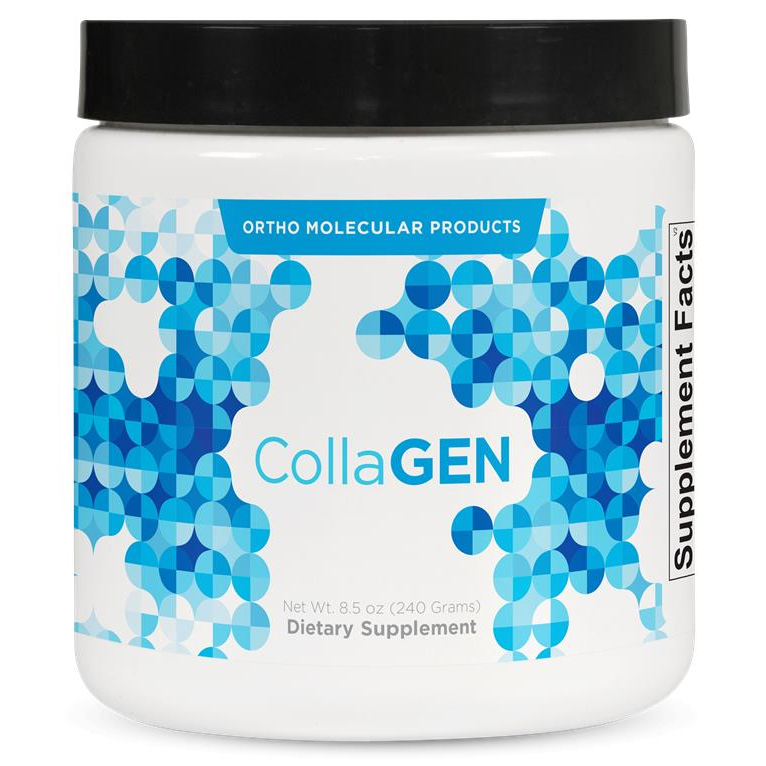
CollaGEN
Ortho Molecular Products
240 grams
$81.64$73.55 with Subscribe & Save
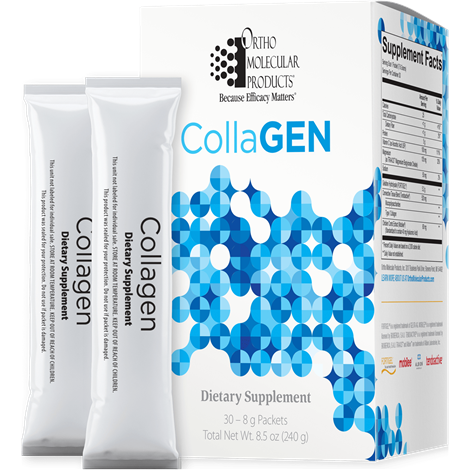
CollaGEN Stick Packs
Ortho Molecular Products
30 packets
$106.84$96.25 with Subscribe & Save
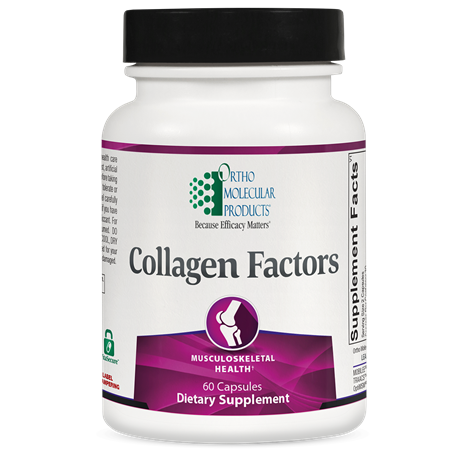
Collagen Factors
Ortho Molecular Products
60 capsules
$47.23$42.55 with Subscribe & Save
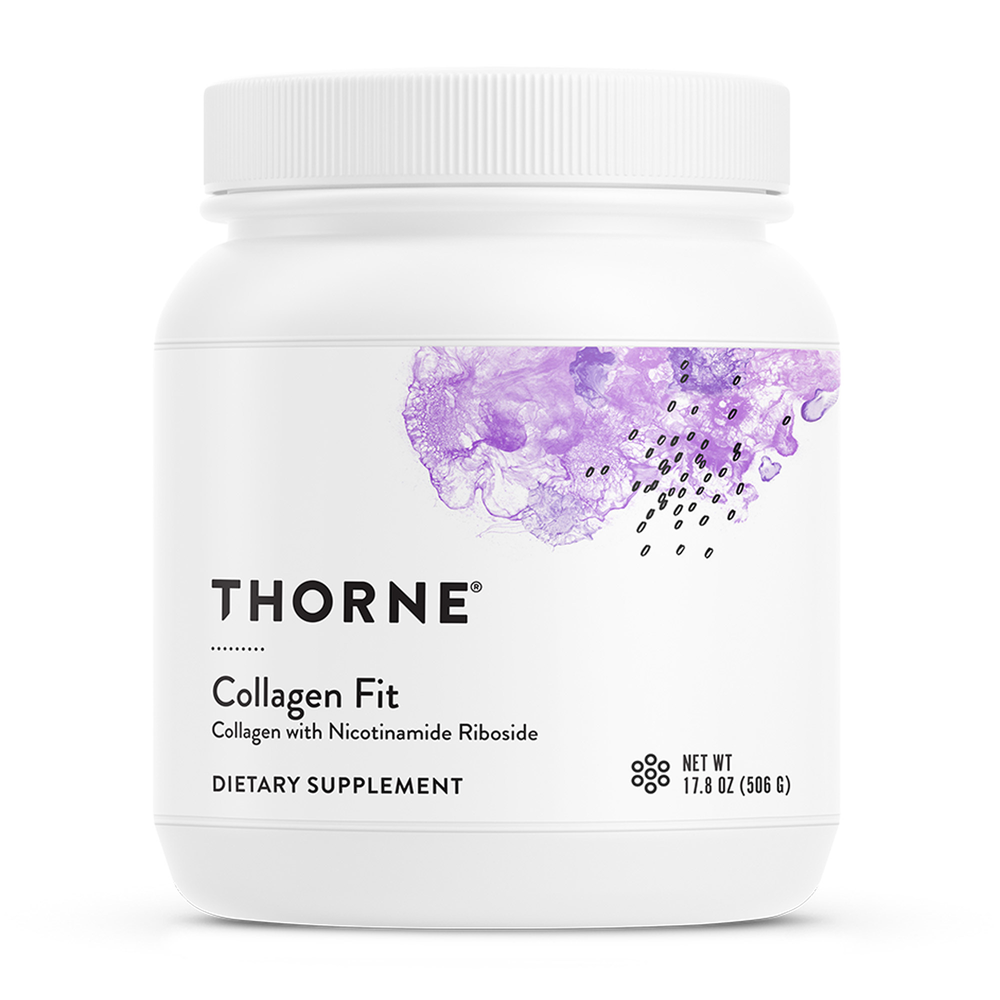
Collagen Fit
Thorne
506 grams
$56.00$50.40 with Subscribe & Save