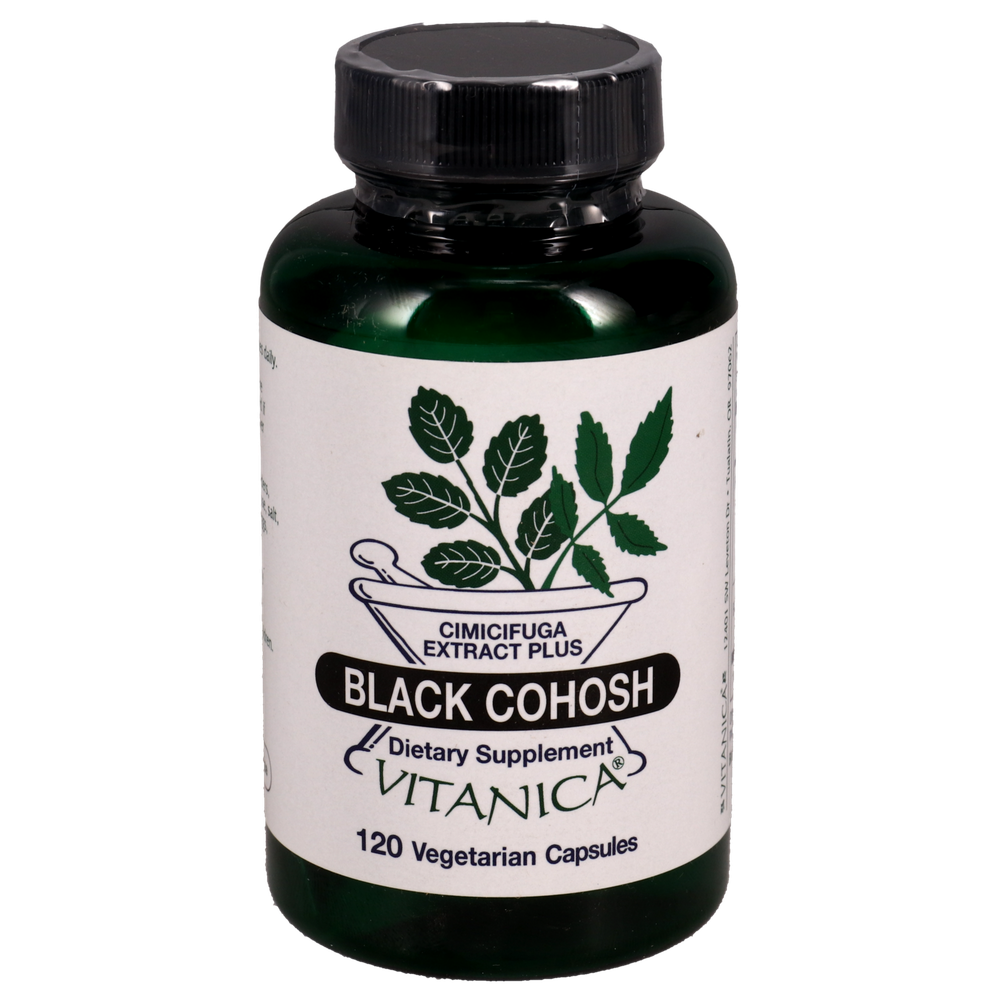
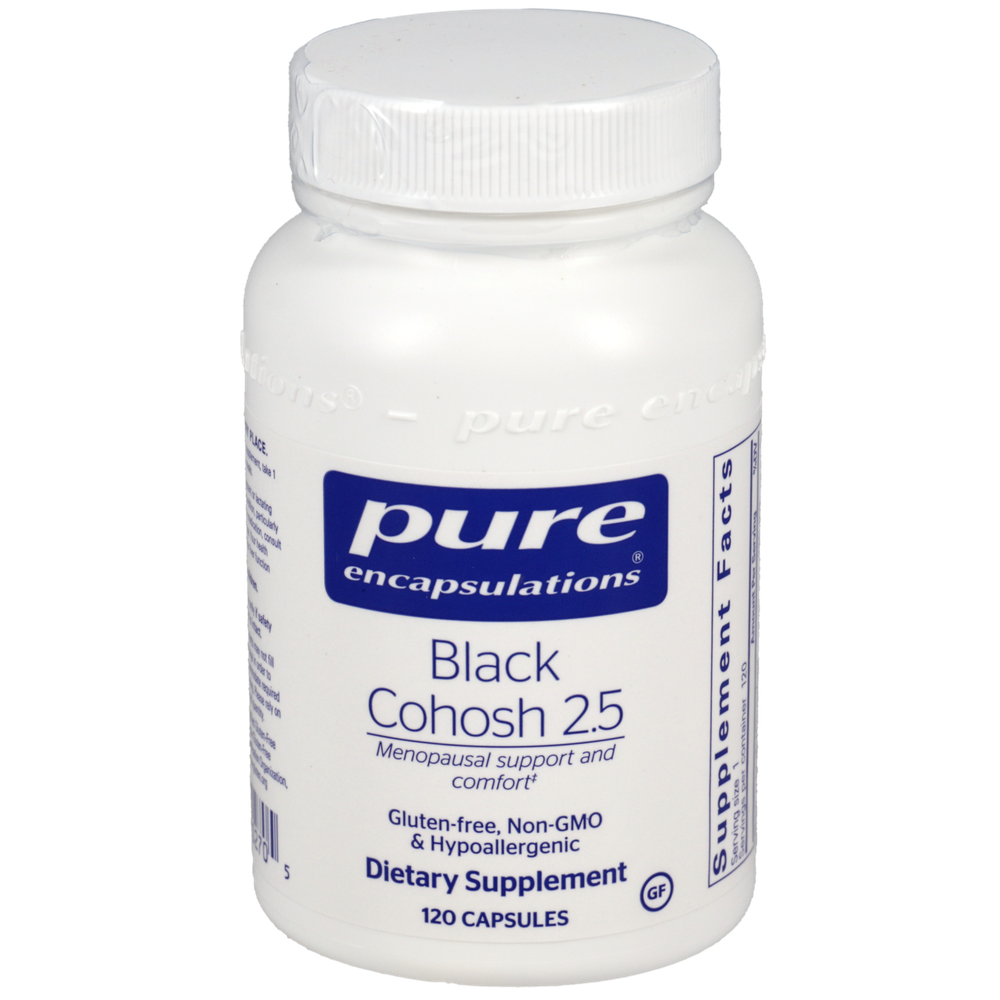
If you’re looking for black cohosh for hot flashes during peri‑ or postmenopause, this fits. It’s most helpful for vasomotor symptoms (hot flashes, night sweats) that disrupt sleep and mood, especially if you prefer a non-hormonal approach or can’t use estrogen therapy. If your symptoms are severe or daily life is being derailed, discuss menopausal hormone therapy with your clinician first; it remains the most effective option.
This herb’s triterpene glycosides (the main active compounds) appear to act on serotonin pathways that help the brain regulate body temperature. Unlike estrogen, black cohosh does not reliably raise Estradiol (the main ovarian estrogen) or lower FSH (follicle-stimulating hormone, which climbs as ovaries retire) in trials, which is why it’s considered non-hormonal. Benefits, when they occur, tend to be modest but noticeable for hot flashes.
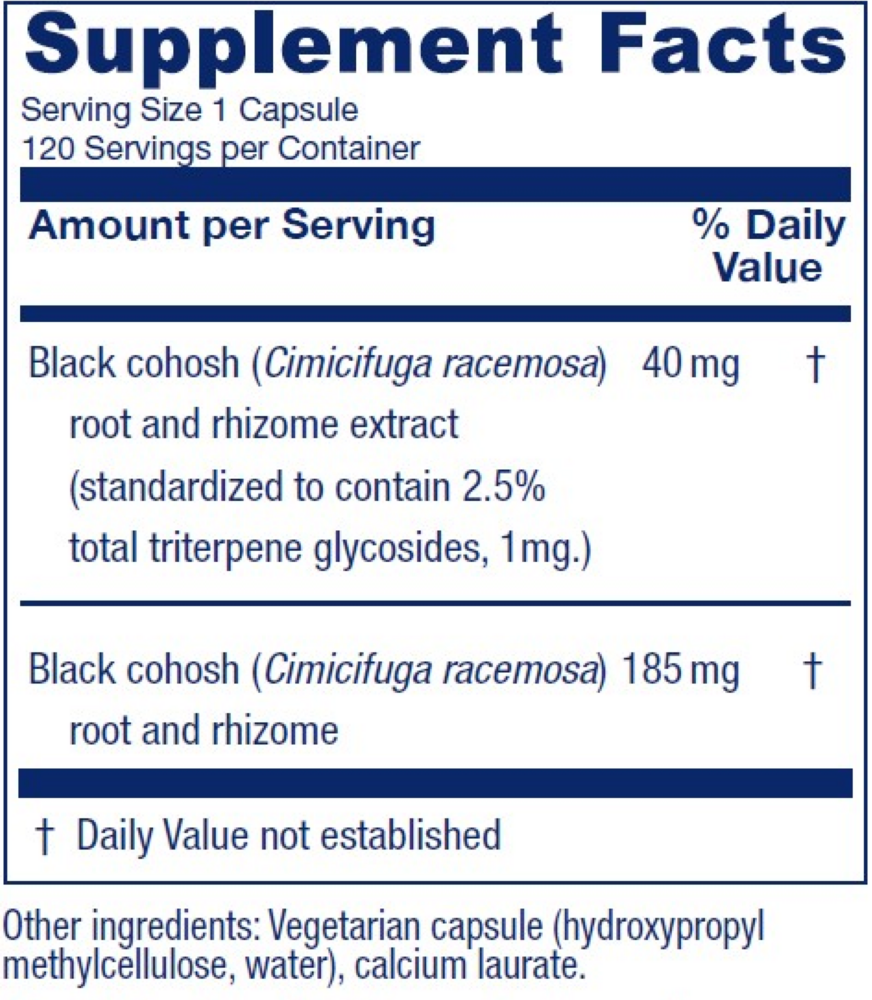
Vitanica combines 185 mg root powder with 40 mg of a 2.5% standardized extract (about 1 mg triterpene glycosides) per capsule. Take one capsule once daily for a week, then increase to twice daily if needed. With or without food is fine. If night sweats are the main issue, place a dose in the evening. Expect a trial of 4 to 8 weeks; no change by then means it’s unlikely to help you.
Avoid black cohosh in pregnancy or while breastfeeding. If you have liver disease, heavy alcohol use, or take liver-stressing drugs (for example high-dose acetaminophen or isoniazid), talk to your clinician and consider checking ALT and AST (liver enzymes). Stop if you develop dark urine, jaundice, or right‑upper abdominal pain. With a history of estrogen‑receptor–positive breast cancer or tamoxifen use, involve your oncology team before starting.
It can, but effects are modest. Some women see fewer and milder hot flashes within 4–8 weeks, while others feel little change. Trials are mixed overall, which is why it’s best framed as a low-risk, non-hormonal trial rather than a guaranteed fix.
Give it 4 to 8 weeks. Small improvements often show up by week 4, with the full effect apparent by 8 weeks. If nothing changes by then, it’s reasonable to stop and consider other options with your clinician.
No. Most studies show black cohosh does not increase Estradiol or lower FSH, which is why it’s considered non-hormonal. Its effects are thought to involve brain temperature regulation rather than acting like estrogen.
Serious liver injury is rare but has been reported. If you have liver disease, drink heavily, or use liver-stressing medications, talk to your clinician first and consider baseline ALT/AST. Stop immediately if you notice jaundice, dark urine, or severe abdominal pain.
Don’t start without oncology guidance. Black cohosh appears non-hormonal, but data in breast cancer survivors and with tamoxifen are limited. Your oncology team can weigh symptom relief against theoretical risks and drug interactions.
Timing is flexible. If night sweats wake you, take a dose in the evening. Otherwise, once or twice daily at consistent times is fine, with or without food. Consistency matters more than clock time.
Most people tolerate it well. Possible effects include stomach upset, headache, or dizziness. Rarely, allergic reactions or liver-related symptoms occur. Stop and seek care if you develop rash, yellowing of the eyes/skin, dark urine, or severe abdominal pain.
Usually you don’t need it if you’re on estrogen therapy, which is more effective for hot flashes. Combining with SSRIs/SNRIs is generally tolerated, but discuss with your clinician to avoid duplication and to tailor dosing.