 Instalab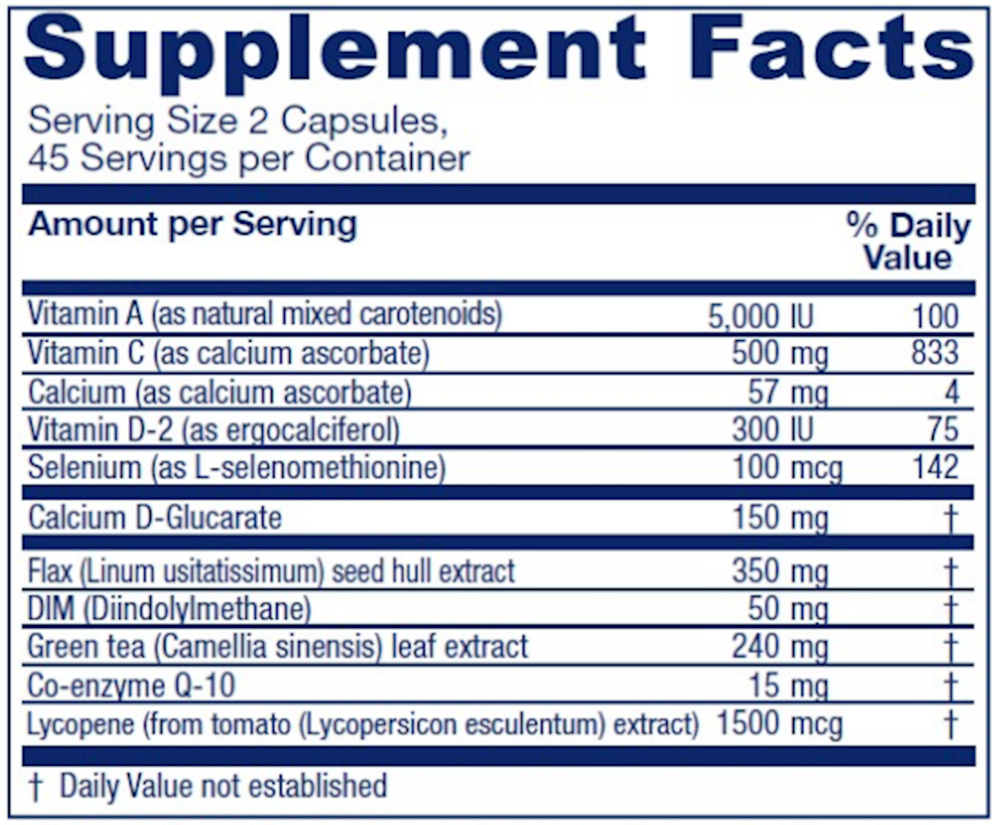
Vitanica
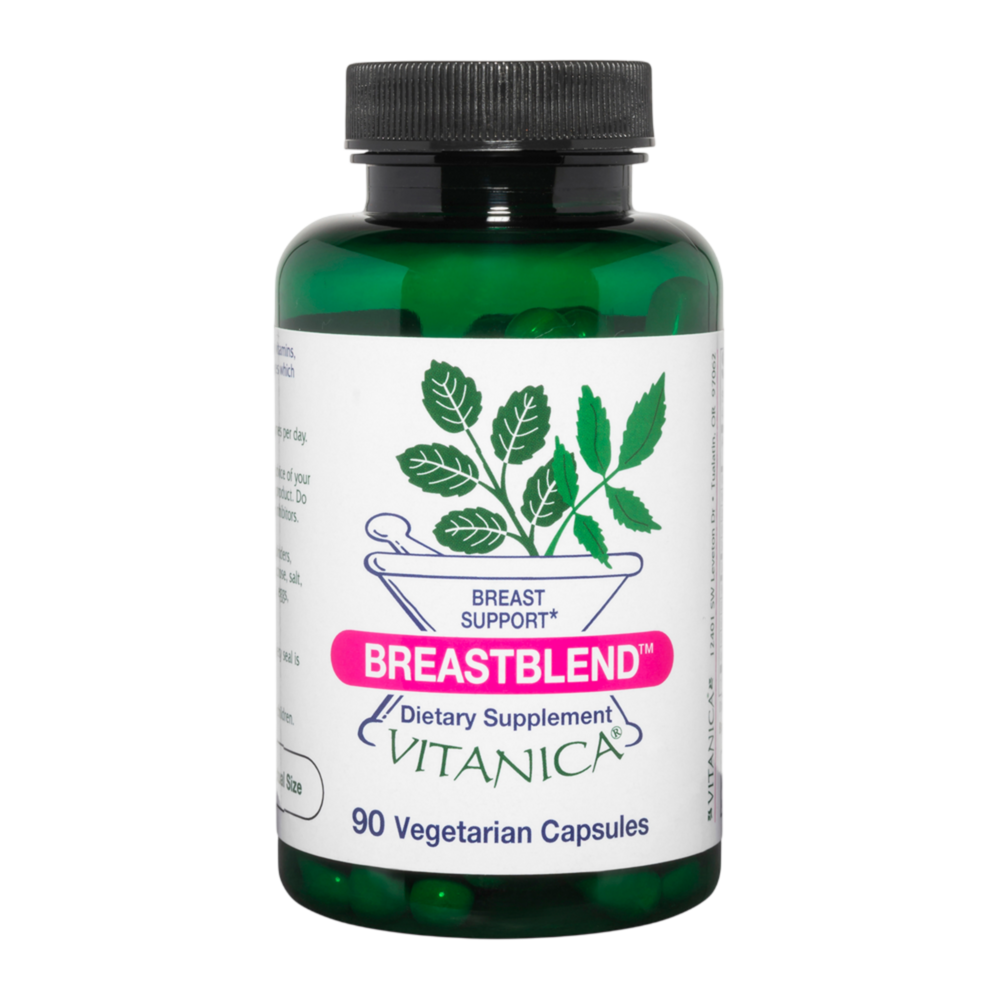
BreastBlend™ by Vitanica
90 capsules · 45-day supply
Comprehensive Support for Hormonal Balance and Women's Health$51.99
Purchase options
Practitioner-grade brand3rd-party testedFree shipping $50+
Vegetarian·Gluten Free·Soy Free·Dairy Free·Salt Free·Wheat Free·
Vitanica BreastBlend™ overview
This blend fits women with heavy or tender cycles, mid‑cycle breast soreness, or a family tendency toward estrogen‑related symptoms who are tracking hormones and want to optimize estrogen metabolism. It’s a practical next step if your Estradiol or Progesterone labs look imbalanced, or your urinary estrogen metabolites testing shows a tilt away from the “2‑hydroxy” pathway. Vegans or low‑seafood eaters also benefit from the added selenium and carotenoids.
DIM (diindolylmethane) nudges estrogen processing toward forms that are less stimulating to breast tissue, by inducing liver enzymes and favoring the 2‑hydroxy route. Calcium D‑glucarate supports glucuronidation, the liver’s tag‑and‑export step that sends used estrogens out through bile. High‑lignan flax seed extract increases enterolignans, which can raise SHBG (sex hormone–binding globulin, a carrier that lowers free estrogen) and gently modulate receptors. Green tea extract supplies catechins that act as antioxidants and mild liver enzyme modulators. Lycopene from tomato extract and mixed carotenoids provide membrane‑level antioxidant coverage, while selenium feeds glutathione peroxidase, a core antioxidant enzyme. CoQ10 supports mitochondrial energy in metabolically active tissues.
Take two capsules twice daily with meals. Fat in the meal improves absorption of carotenoids, lycopene, CoQ10, and DIM. Start with two capsules once daily for a week if you’re supplement‑sensitive, then move to the full dose. Expect 4 to 8 weeks to notice cycle‑related changes; recheck Estradiol, Progesterone, SHBG, or urinary estrogen metabolites after one to three cycles. The included vitamin D is D2 and a low dose, so do not rely on it for repleting a low Vitamin D, 25‑Hydroxy.
Skip this if you are pregnant, trying to conceive, or breastfeeding. Get clinician input if you use prescription hormones, birth control pills, or tamoxifen or raloxifene, since DIM and green tea can alter drug metabolism. People with a history of liver disease should take green tea extracts only under supervision; stop and seek care if you notice dark urine, jaundice, or right‑upper abdominal pain. Selenium is already included, so avoid stacking multiple selenium products.
Frequently asked questions
What does a DIM supplement do for estrogen?
DIM shifts how your liver breaks down estrogen toward 2‑hydroxy metabolites, which are less stimulating to breast tissue. That can translate to less cyclical breast tenderness in responders within 4 to 8 weeks. It is not hormone replacement and will not raise progesterone.
How long does DIM take to work?
Most notice changes in cycle‑related symptoms after 4 to 8 weeks. For objective data, repeat Estradiol, Progesterone, SHBG, or urinary estrogen metabolites after one to three cycles on a stable dose.
Can I take DIM with birth control pills?
Use caution. DIM can induce liver enzymes that process medications, which could theoretically lower hormone drug levels. If you use oral contraceptives, discuss DIM with your clinician and do not change contraception based on a supplement.
Is green tea extract safe for daily use?
At typical doses it’s well tolerated, especially with food. Rarely, concentrated extracts have been linked to liver injury. Take with meals, avoid excess alcohol, and stop if you develop dark urine, yellowing of the eyes, or unexplained fatigue.
Does this lower estrogen too much?
It usually changes the balance of estrogen metabolites rather than suppressing total estrogen. Even so, some people feel headache or fatigue if the dose is too high. If symptoms suggest low estrogen, lower the dose or pause and check labs.
Is vitamin D2 in this enough for low vitamin D levels?
No. The included D2 is a small maintenance amount and D3 is generally more effective for raising Vitamin D, 25‑Hydroxy. If your level is low, use a separate vitamin D3 repletion plan with monitoring.
Can men take DIM and flax lignans?
Yes, men sometimes use DIM and flax lignans to influence estrogen metabolism or SHBG. If you’re monitoring testosterone, Estradiol, or SHBG, recheck labs after 6 to 8 weeks and review any prostate or medication considerations with your clinician.
How to take it & ingredients
Suggested use: Take Two (2) capsules, two times per day.
Active ingredients
2 capsules per serving · 45 servings
Pro-Vitamin A
Natural Mixed Carotenoids - Betatene®
Natural Mixed Carotenoids - Betatene®
5000 IU
Vitamin C
As Calcium Ascorbate
As Calcium Ascorbate
500 mg
Vitamin D2
As Ergocalciferol
As Ergocalciferol
300 IU
Selenium
As L-Selenomethionine
As L-Selenomethionine
100 mcg
Calcium D-Glucarate
150 mg
High Lignan Flax Seed Hull Extract
500 mg
DIM (Diindolylmethane)
50 mg
Green Tea Extract
Camellia sinensis
Camellia sinensis
240 mg
Co-enzyme Q-10
15 mg
Lycopene
50,000 ppm, tomato extract
50,000 ppm, tomato extract
1500 mg
Other ingredients: Vegetarian Capsule (Cellulose and Water), L-Leucine
Certifications
Benefits
Warnings
Customers also considered
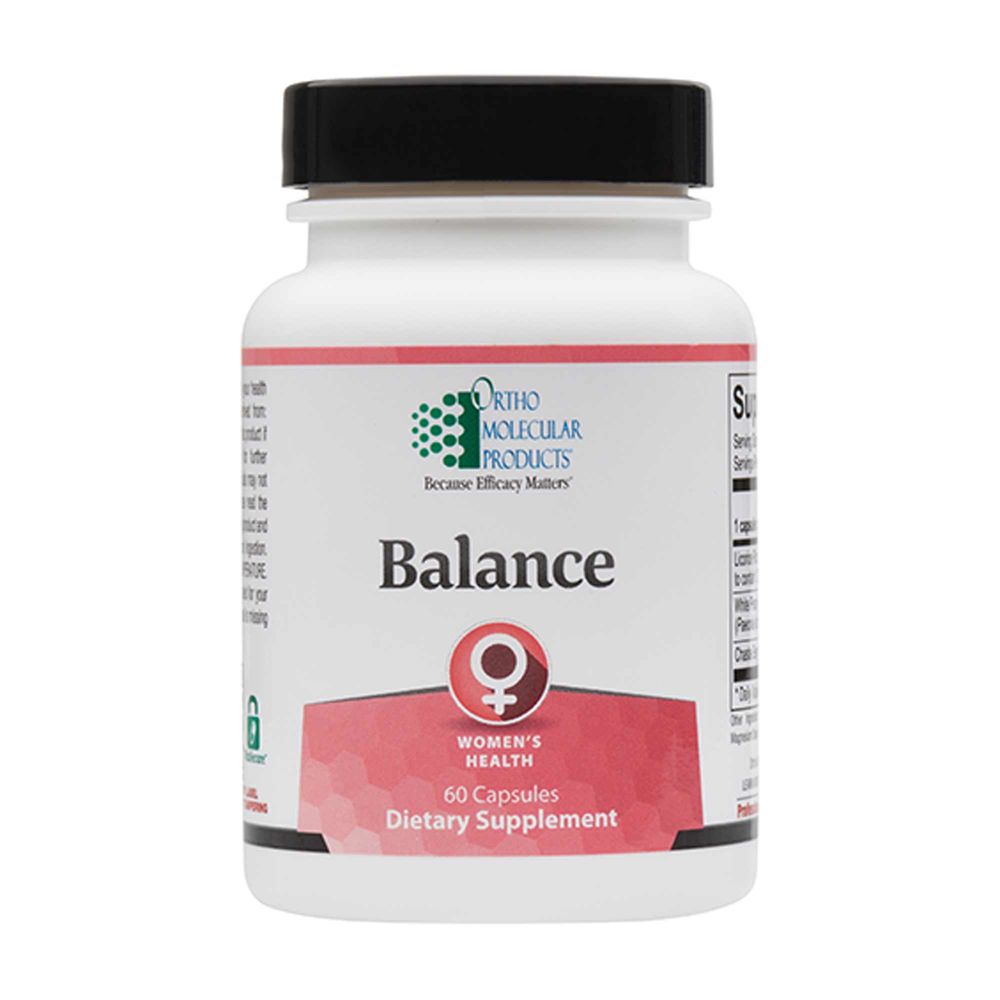
Balance
Ortho Molecular Products
60 capsules
$47.90Save 10% with Subscribe & Save
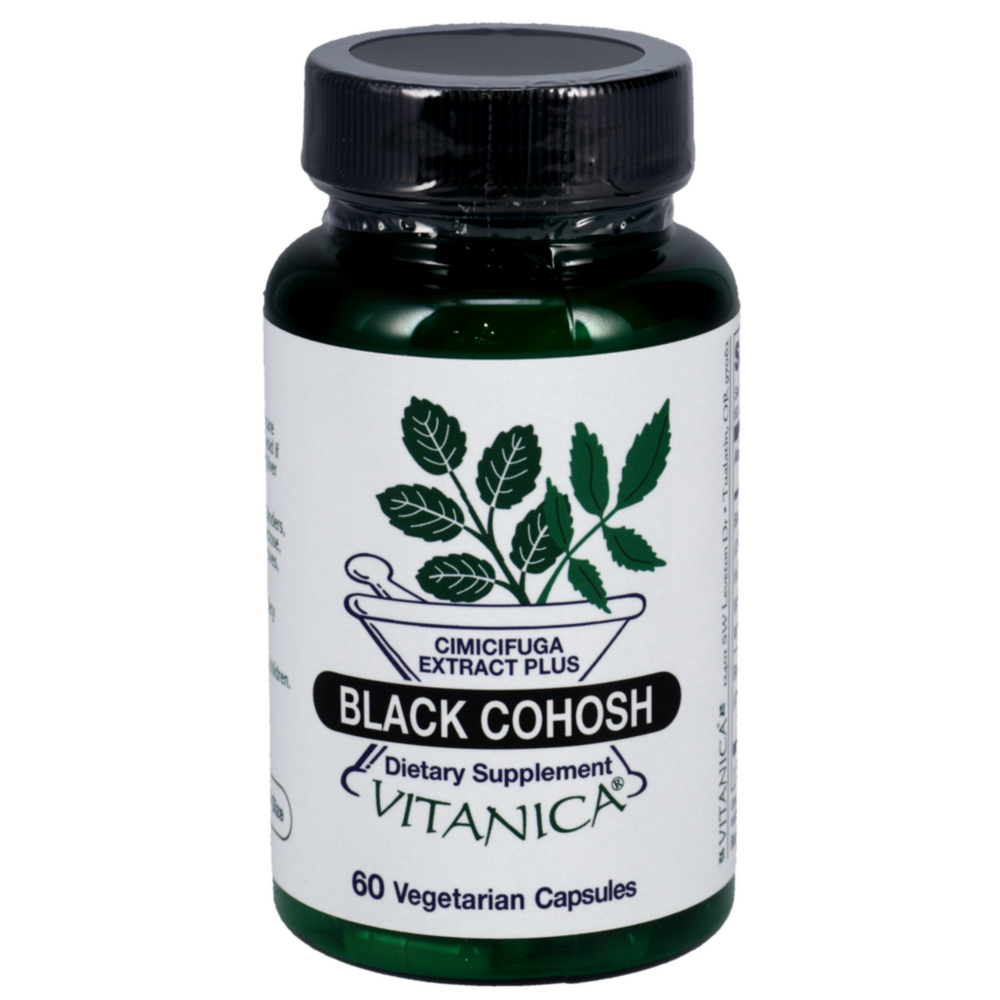
Black Cohosh
Vitanica
60 capsules
$17.99Save 22% with Subscribe & Save
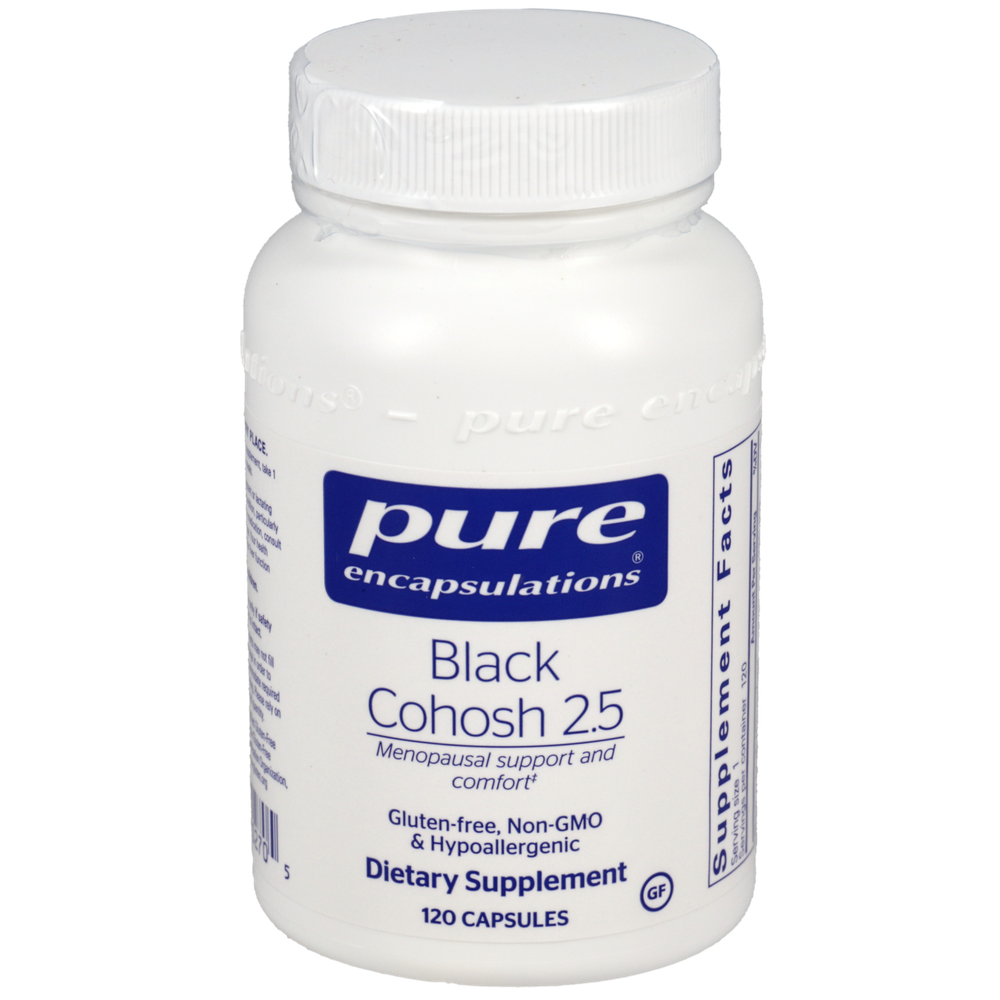
Black Cohosh 2.5
Pure Encapsulations
120 capsules
$53.00Save 21% with Subscribe & Save
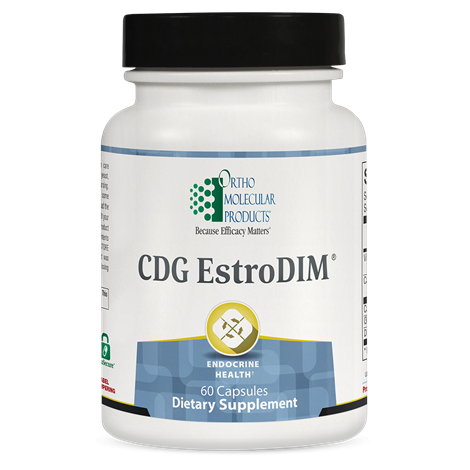
CDG EstroDIM
Ortho Molecular Products
60 capsules
$103.73Save 10% with Subscribe & Save