 Instalab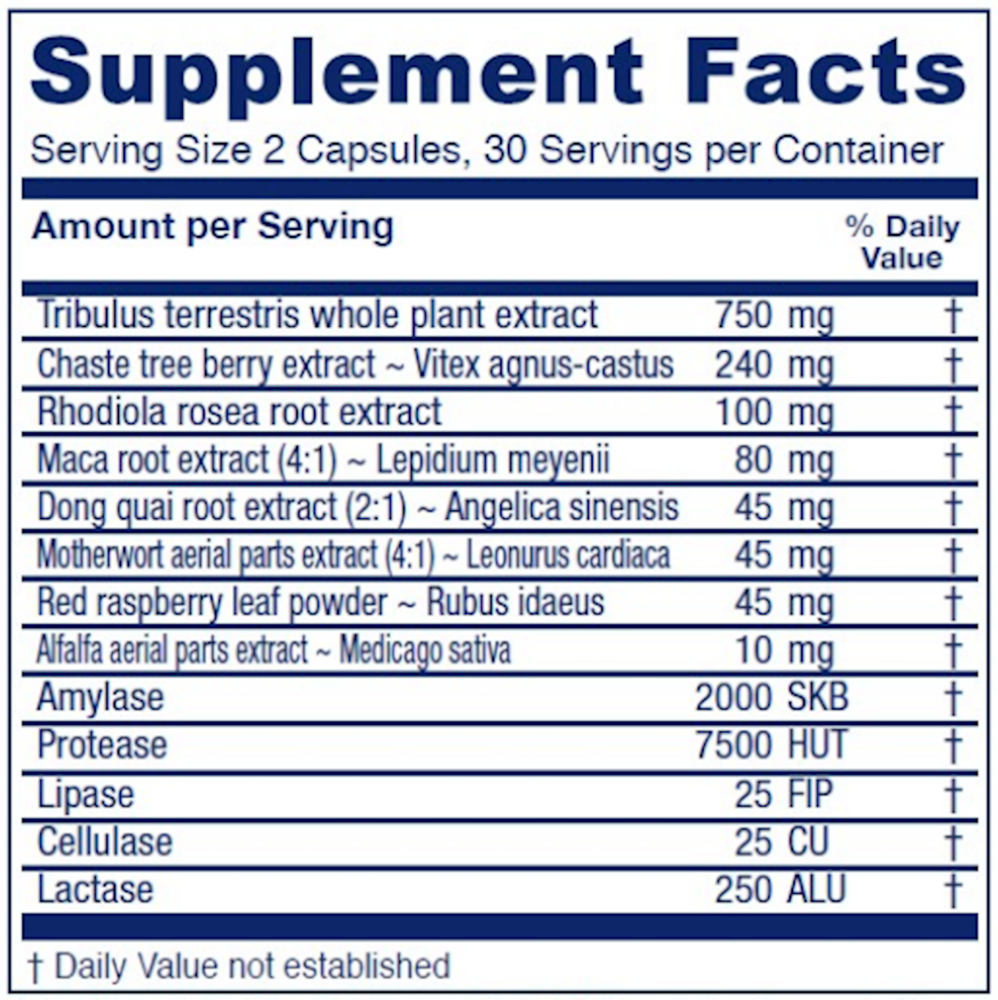
Vitanica
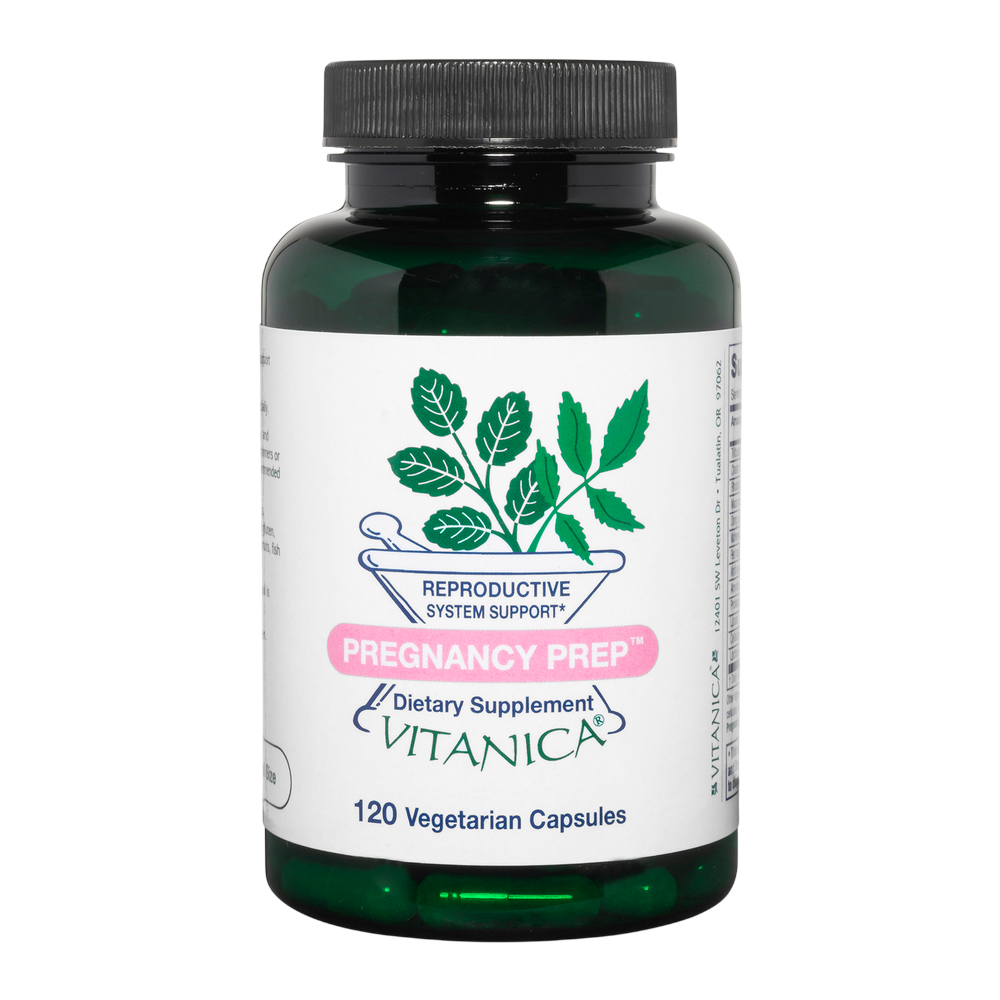
Pregnancy Prep by Vitanica
120 capsules · 60-day supply
Non-Hormonal Botanical Capsule Formula$39.99
Purchase options
Practitioner-grade brand3rd-party testedFree shipping $50+
Vegan·Vegetarian·Gluten Free
Vitanica Pregnancy Prep overview
Pregnancy Prep is a non-hormonal botanical formula in capsule form. It is a single-capsule routine intended to be taken alongside a prenatal multivitamin rather than as a substitute for one. The botanicals in the formula are chaste tree berry, tribulus, motherwort, dong quai, maca root, alfalfa, and red raspberry leaf, with rhodiola and digestive enzymes also included.
Take 2 capsules once or twice daily, with food. Many users start at the lower amount (2 capsules once daily) for the first week and increase if it is well tolerated. Take alongside your prenatal rather than substituting for it.
If you take prescription medications, are working with a reproductive specialist, or have a hormone-sensitive condition, talk to your clinician before starting and review the warnings below.
Frequently asked questions
Should I take it every day or only in part of the cycle?
Daily use across the whole cycle is the manufacturer-validated approach for this formula. Taking it only during part of the menstrual cycle is not the studied pattern for this combination.
Can I use this with assisted reproductive treatment?
Generally no. Most reproductive specialists prefer no botanicals during stimulation cycles, and chaste tree berry can interact with hormone-modulating treatment. Stop at least one full cycle before any planned procedure unless your clinician explicitly approves continued use.
Can I take this alongside my prenatal multivitamin?
Yes. The formula is a botanical blend and does not contain folate, iodine, choline, or iron, so it does not duplicate a standard prenatal multivitamin.
What side effects should I watch for?
Possible nausea, headaches, breast tenderness, vivid dreams, or cycle shifts during the first month of use. Unusual bleeding, mood changes, or rash are reasons to stop and check in with your clinician.
When should I stop?
Discontinue at the first sign of pregnancy. This product is for preconception use and is not designed for use during pregnancy or breastfeeding.
How to take it & ingredients
Suggested use: Take two (2) capsules one to two times per day.
Active ingredients
2 capsules per serving · 60 servings
Tribulus terrestris whole plant extract
750 mg
Rhodiola rosea root extract
100 mg
Chaste tree berry extract
Vitex agnus-castus
Vitex agnus-castus
240 mg
Red raspberry leaf powder
Rubus idaeus
Rubus idaeus
45 mg
Alfalfa aerial parts extract
Medicago sativa
Medicago sativa
10 mg
Dong quai root extract (2:1)
Angelica sinensis
Angelica sinensis
45 mg
Motherwort aerial parts extract (4:1)
Leonurus cardiaca
Leonurus cardiaca
45 mg
Maca root extract (4:1)
Lepidium meyenii
Lepidium meyenii
80 mg
Amylase
2000 SKB
Protease
7500 HUT
Lipase
25 FIP
Cellulase
25 CU
Lactase
250 ALU
Other ingredients: Vegetable cellulose, Water, L-leucine
Certifications
Benefits
Warnings
Customers also considered
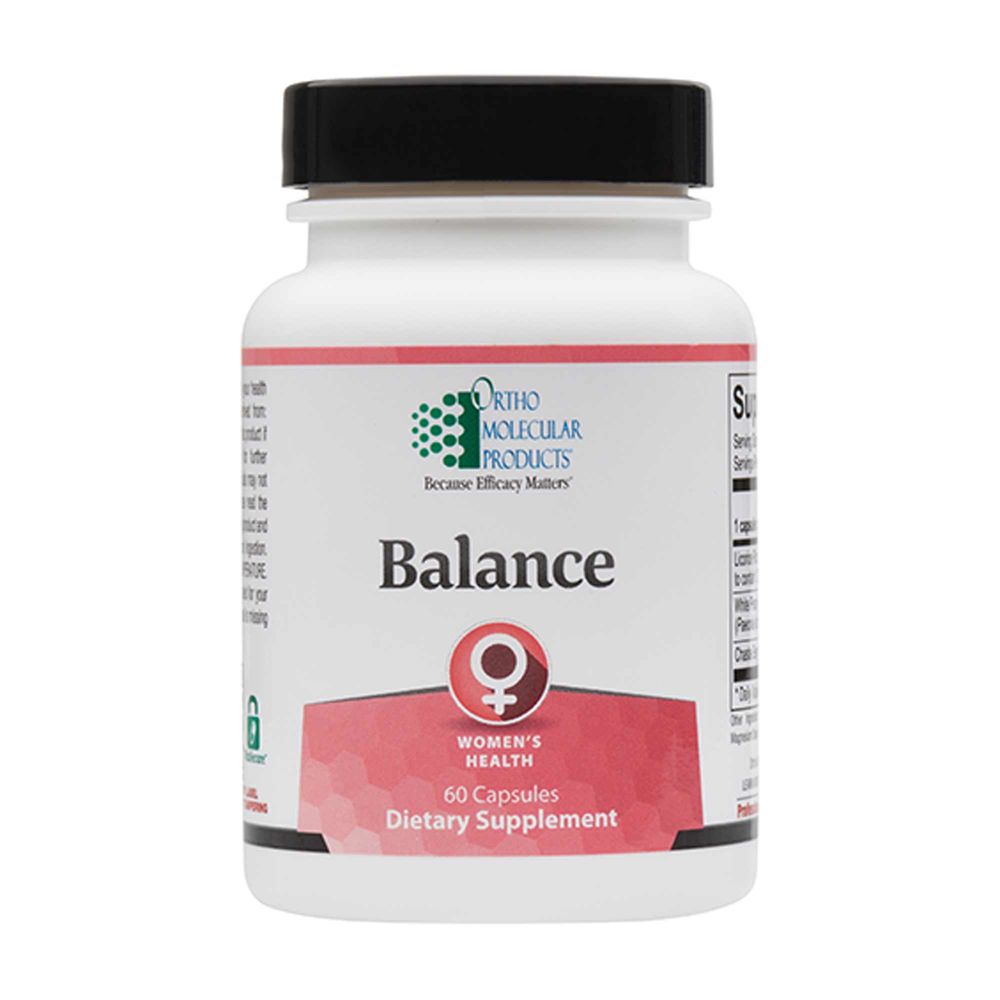
Balance
Ortho Molecular Products
60 capsules
$47.90$43.15 with Subscribe & Save
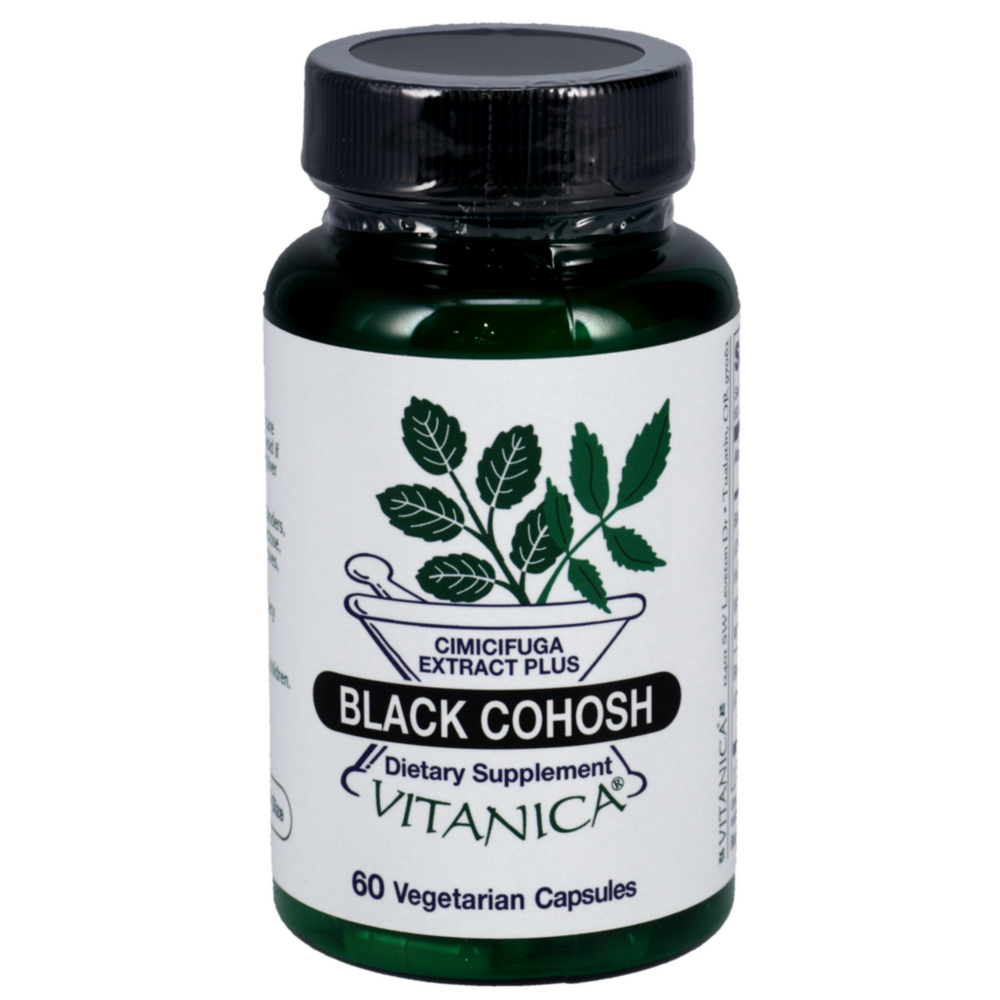
Black Cohosh
Vitanica
60 capsules
$17.99$13.99 with Subscribe & Save
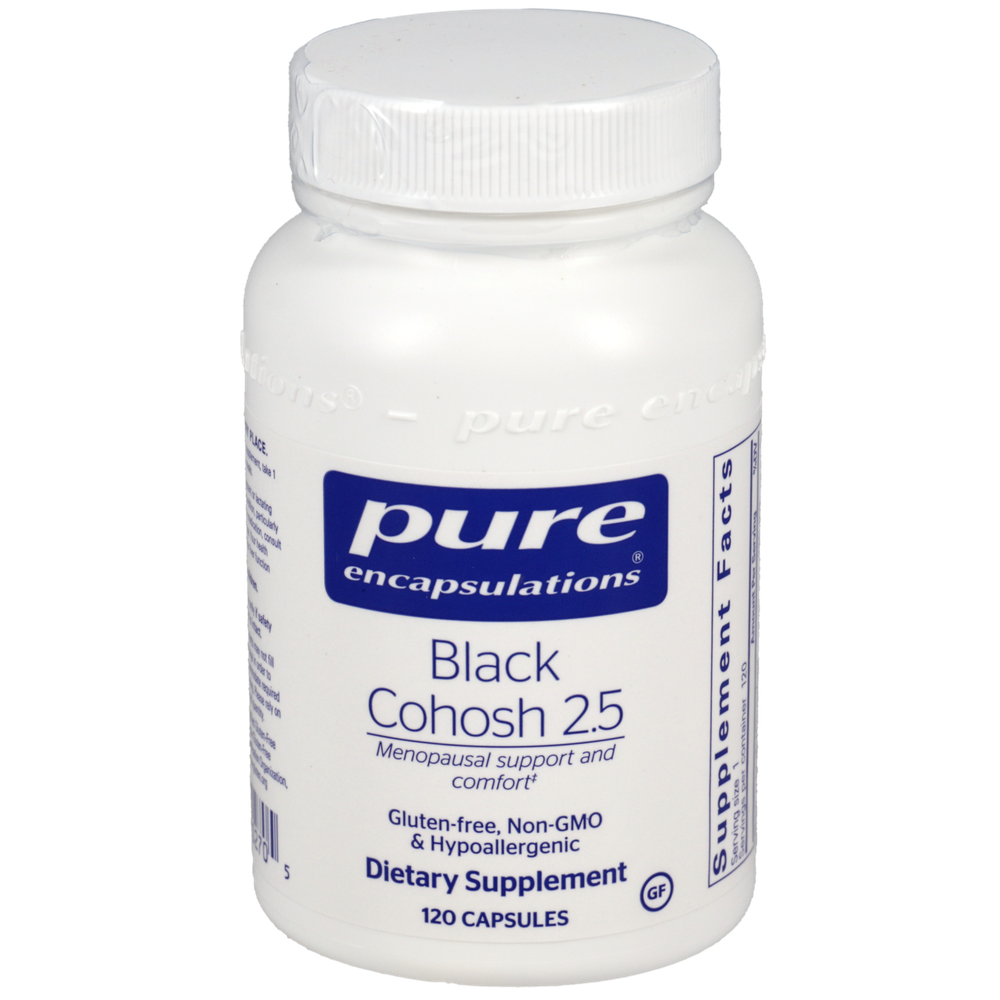
Black Cohosh 2.5
Pure Encapsulations
120 capsules
$53.00$41.99 with Subscribe & Save
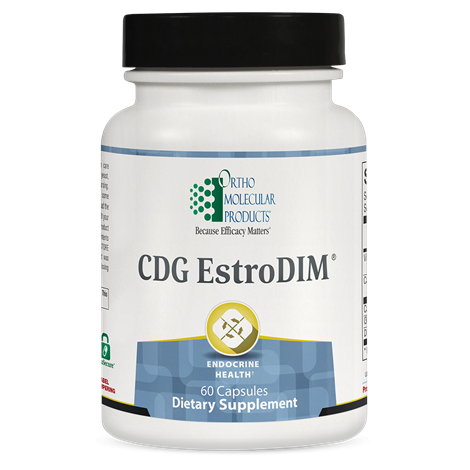
CDG EstroDIM
Ortho Molecular Products
60 capsules
$103.73$93.45 with Subscribe & Save