 Instalab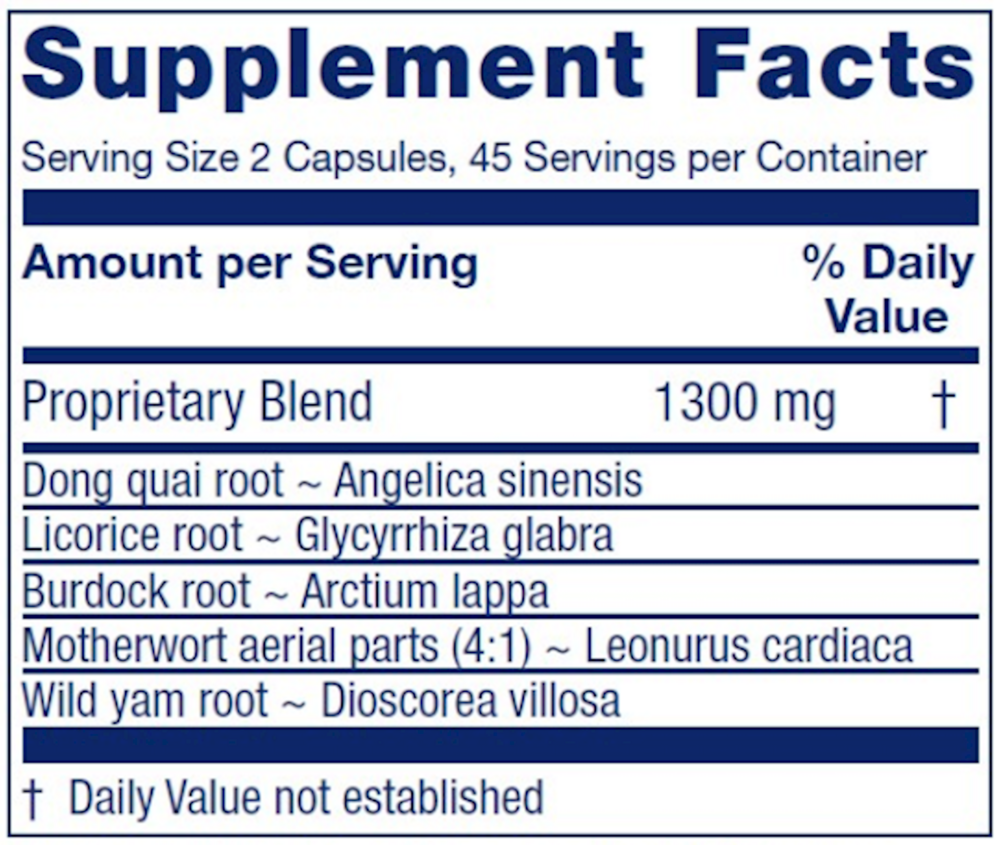
Vitanica
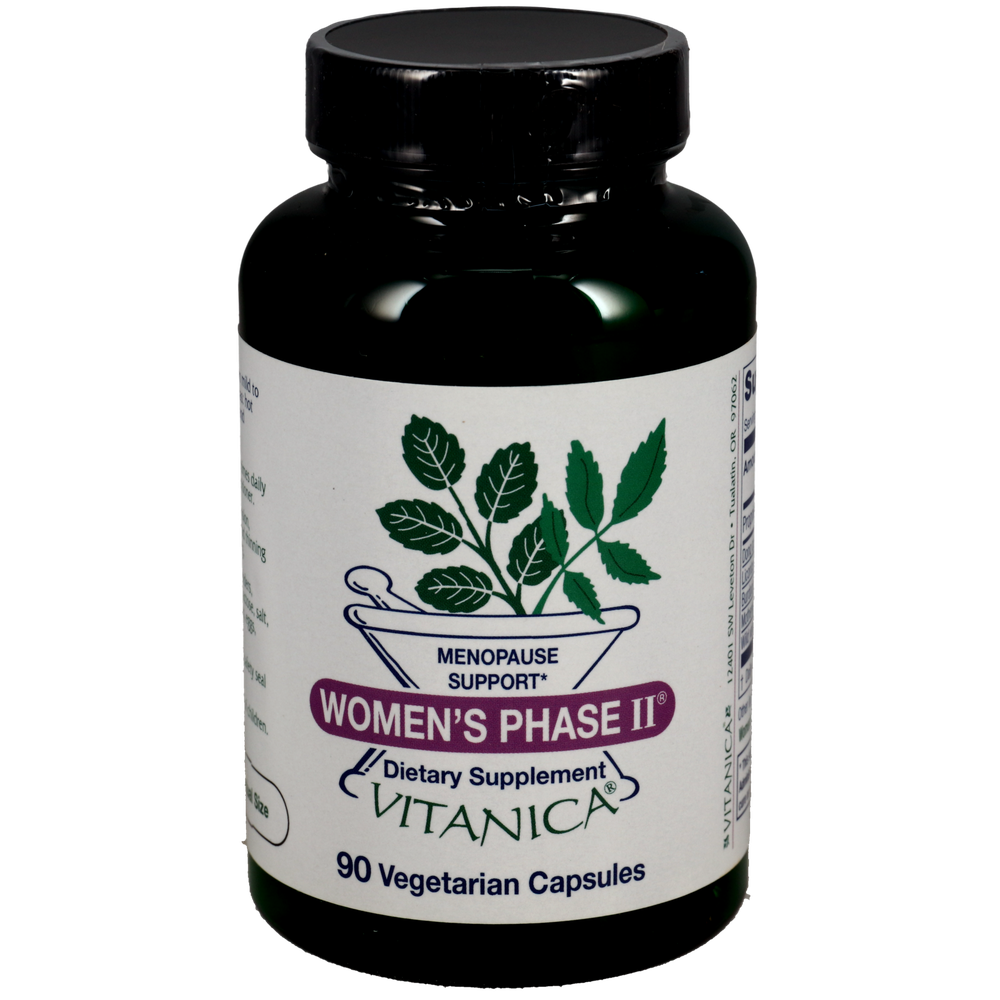
Womens Phase II 1300 mg by Vitanica
90 capsules · 45-day supply
Natural Support for Hormonal Balance and Menopausal Wellness$18.99
Purchase options
Practitioner-grade brand3rd-party testedFree shipping $50+
Vegan·Vegetarian·Gluten Free
Vitanica Womens Phase II overview
This is a fit if you’re in perimenopause or early menopause with hot flashes, night sweats, sleep changes, or mood swings and prefer an herbal menopause supplement before or alongside hormone therapy. It’s most useful when your Estradiol (the main ovarian estrogen) is trending lower and FSH (the pituitary signal that rises as ovaries retire) is climbing. If heavy bleeding is part of your picture, check Ferritin (iron stores) and TSH (thyroid) so you’re not masking another issue.
Botanical blends for menopause use several gentle levers at once. Some herbs provide phytoestrogens, plant compounds that lightly engage estrogen receptors and can ease vasomotor symptoms like hot flashes. Others act on the brain’s thermoregulation and stress circuits, nudging serotonin and GABA signaling (neurochemicals that steady mood and sleep). In practice, responders see modest reductions in hot-flash frequency and intensity within 4 to 8 weeks, with better sleep following as nighttime sweats calm down.
Use two to six capsules daily, ideally split with meals to steady absorption and reduce nausea. Start at the low end for one to two weeks, then titrate every 7 to 10 days until symptoms are controlled or you reach the top of the range. Most people know if it’s helping by week 4, with fuller effects by week 8. If symptoms are severe, estrogen therapy remains the most effective option; consider labs and a clinician visit.
Skip herbal menopause supplements if you have a history of estrogen‑sensitive cancers unless your oncology team approves. Talk to your clinician if you use anticoagulants, blood pressure medicines, or SSRIs/SNRIs, since some botanicals can affect bleeding, blood pressure, or serotonin signaling. Unexplained abdominal pain, dark urine, or yellowing of the eyes are rare but important reasons to stop and check liver tests. Pregnancy is unlikely here, but avoid use if pregnant or breastfeeding.
Frequently asked questions
Will this help hot flashes and night sweats?
Often, yes. Herbal menopause blends typically deliver modest reductions in hot-flash frequency and intensity. Expect a noticeable change within 4 to 8 weeks if you’re a responder. If symptoms are severe, hormone therapy works better.
How long does an herbal menopause supplement take to work?
Give it 4 weeks for a fair test, with fuller effects by 8 weeks. Titrate your dose gradually within the suggested range. If nothing changes by week 8, it’s reasonable to stop and consider other options.
Can I take this with hormone therapy?
Usually, but clear it with your clinician. Some herbs have mild estrogen-like effects or can interact with medications. If you’re on estrogen or progesterone, coordinate dosing to avoid duplicating strategies or chasing side effects.
Is it safe with antidepressants like SSRIs or SNRIs?
Use caution and ask your prescriber. Certain botanicals can influence serotonin signaling or drug metabolism. If you combine them, watch for agitation, sleep changes, or gastrointestinal upset and check in if symptoms appear.
What labs should I check during perimenopause?
Estradiol and FSH clarify where you are in the transition. TSH screens for thyroid issues that mimic menopause symptoms. Ferritin is useful if periods are heavy. Treat the labs as context, not the whole story.
Are there side effects to watch for?
Most are mild: nausea, headache, or digestive upset. Rarely, herbs can affect blood pressure, bleeding, or liver enzymes. Stop and seek care for severe abdominal pain, dark urine, jaundice, or unusual bruising.
Do I take it with or without food?
With food is best. Dividing the daily amount across breakfast and dinner improves tolerance and keeps levels steadier, especially if you’re sensitive to herbs on an empty stomach.
How to take it & ingredients
Suggested use: Two (2) to six (6) capsules daily as needed.
Active ingredients
2 capsules per serving · 45 servings
▼
Proprietary Blend
1300 mg
Dong Quai root
Angelica sinensis
Angelica sinensis
-
Licorice root
Glycyrrhiza glabra
Glycyrrhiza glabra
-
Burdock root
Arctium lappa
Arctium lappa
-
Motherwort leaf
Leonurus cardiaca
Leonurus cardiaca
-
Wild Yam root
Dioscorea villosa
Dioscorea villosa
-
Other ingredients: Vegetable cellulose, Water
Certifications
Benefits
Warnings
Customers also considered
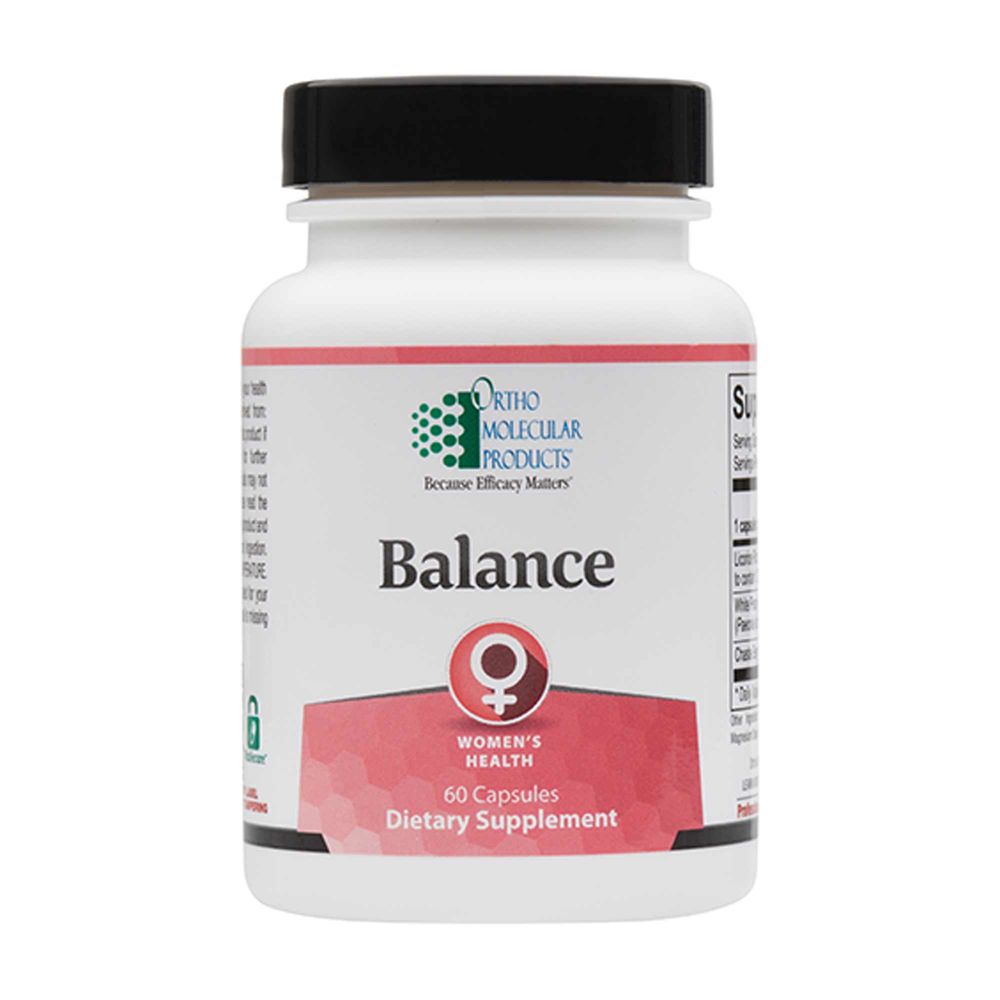
Balance
Ortho Molecular Products
60 capsules
$47.90$43.15 with Subscribe & Save
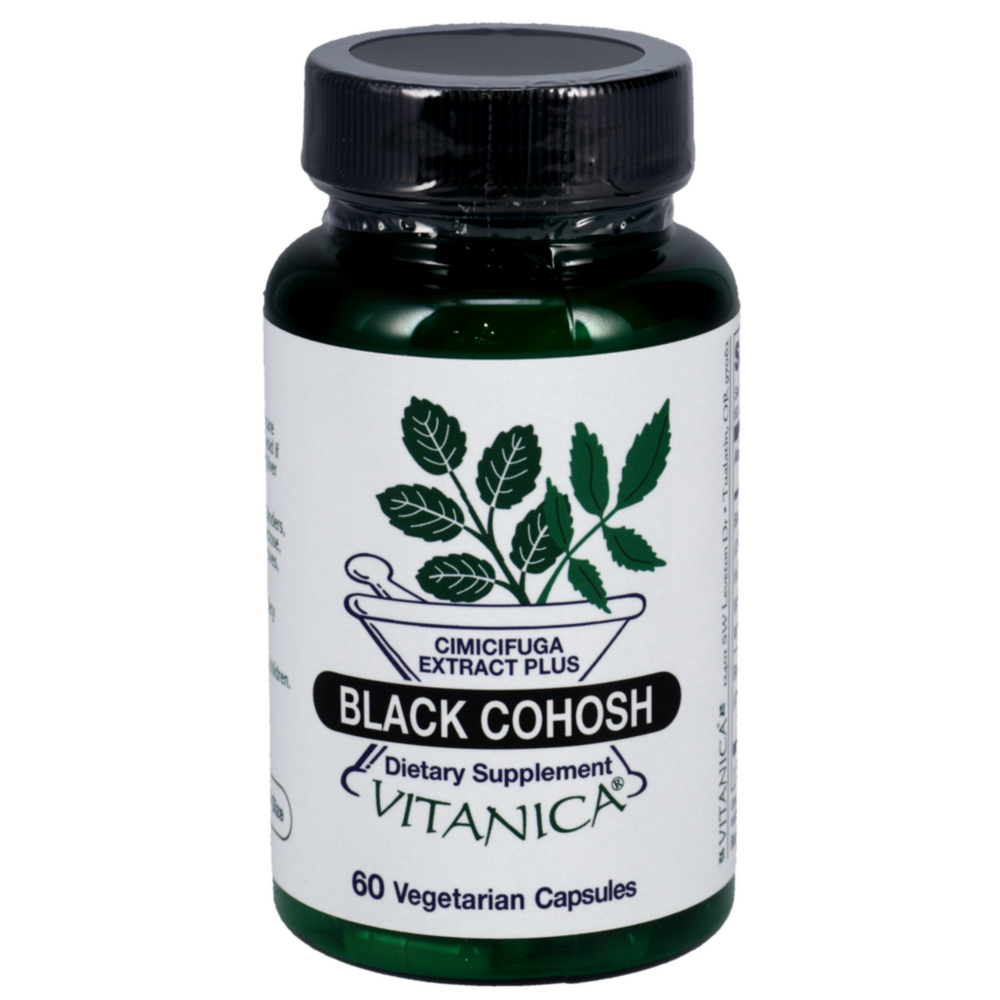
Black Cohosh
Vitanica
60 capsules
$17.99$13.99 with Subscribe & Save
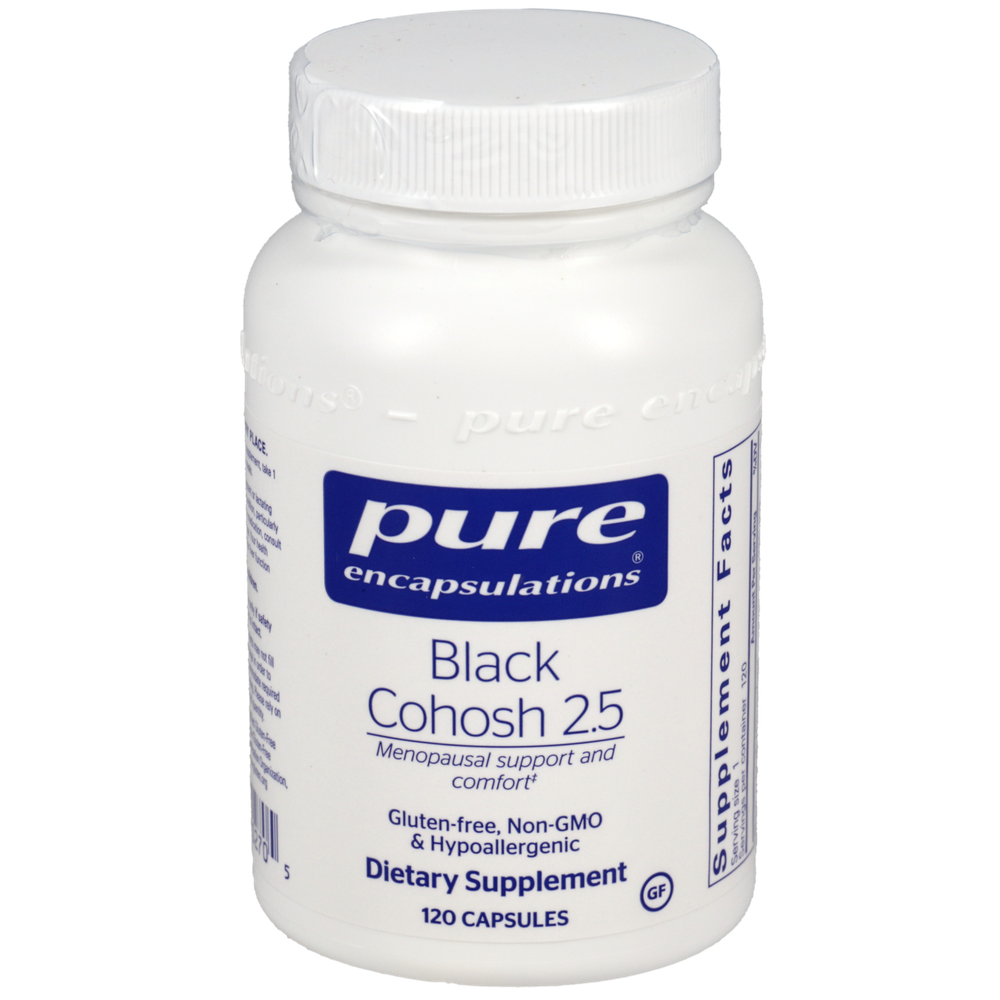
Black Cohosh 2.5
Pure Encapsulations
120 capsules
$53.00$41.99 with Subscribe & Save
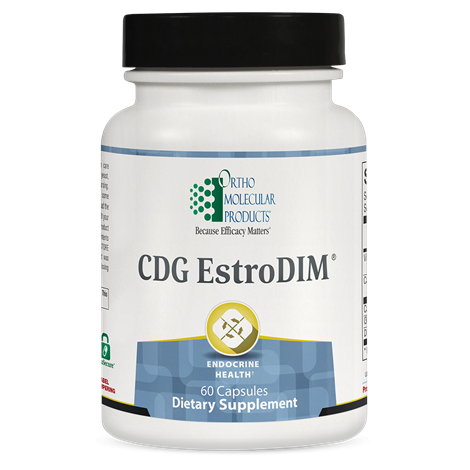
CDG EstroDIM
Ortho Molecular Products
60 capsules
$103.73$93.45 with Subscribe & Save