 Instalab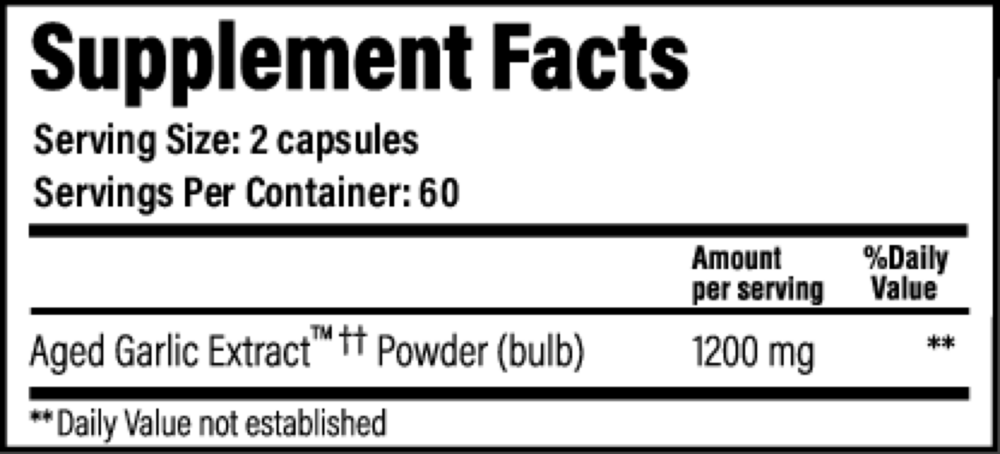
Wakunaga
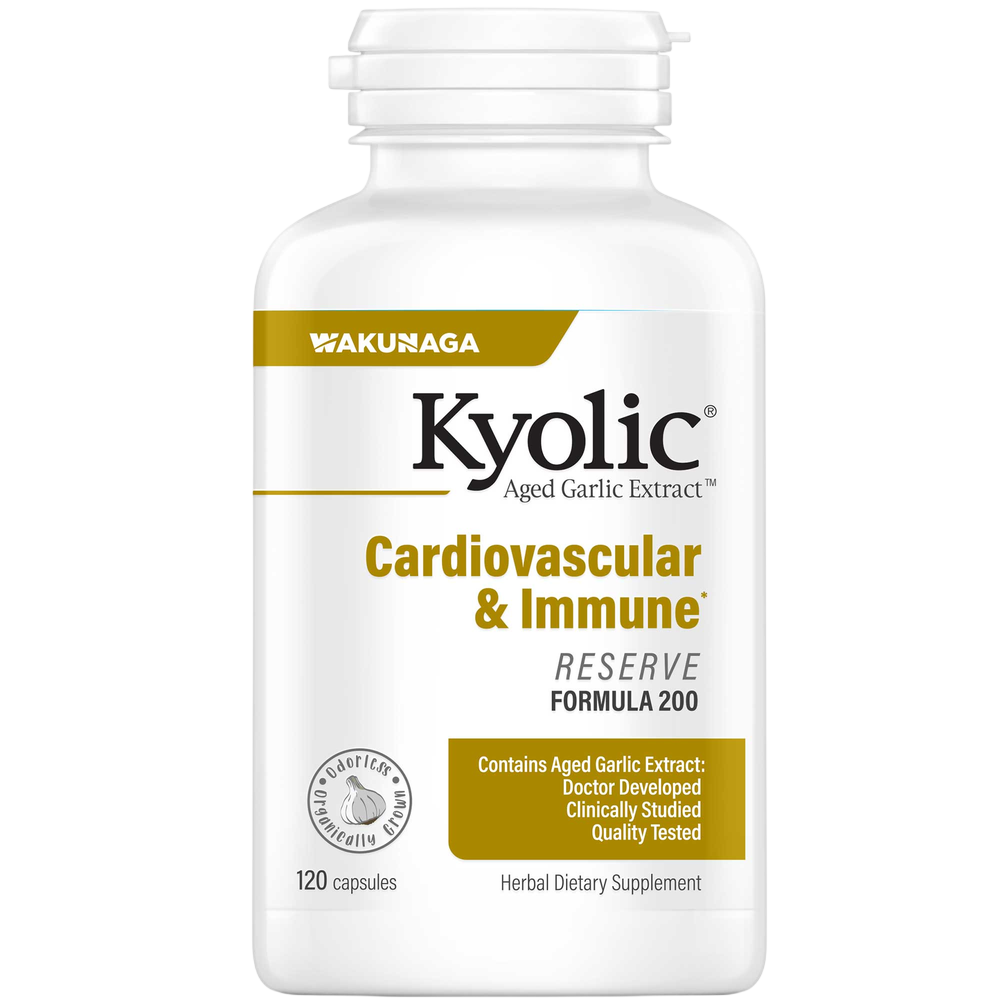
Kyolic Aged Garlic Extract Formula 200 - Cardiovascular & Immune, Reserve 1200 mg by Wakunaga
120 capsules · 60-day supply
Aged Garlic Extract for Cardiovascular and Immune Support$36.99
Purchase options
Practitioner-grade brand3rd-party testedFree shipping $50+
Gluten Free·Soy Free·Dairy Free·Milk Free·Artificial Preservative Free·Yeast Free·
Wakunaga Kyolic Aged Garlic Extract Formula 200 - Cardiovascular & Immune, Reserve overview
If you’re chasing real-world help with blood pressure, aged garlic extract is one of the few botanicals with consistent human data. It’s a fit if your readings run high despite diet and exercise, or if your Lipid Panel shows borderline cholesterol and you want an adjunct to lifestyle. It also suits adults tracking hs-CRP (a blood marker of inflammation) who want a modest nudge downward. Vegetarians who don’t eat garlic regularly and adults who dislike garlic’s odor use this form because it’s deodorized and standardized.
This formula concentrates stable sulfur compounds like S‑allyl cysteine, which improve nitric oxide signaling (the cue that relaxes blood vessels), helping lower blood pressure within 8 to 12 weeks. These compounds also make platelets less sticky, a blood-thinning effect relevant to bruising risk. In the liver, they lightly inhibit cholesterol-making enzymes, so LDL-C (the carrier often called “bad cholesterol”) and non-HDL can drift down. Antioxidant activity reduces oxidized lipids and can modestly lower hs-CRP in responders.
Take 1 to 2 capsules, twice daily with meals, and stick with a split dose for steadier levels. Expect blood pressure changes in 4 to 12 weeks; cholesterol and hs-CRP shifts usually follow a similar timeline. If you already use a statin or blood pressure medicine, keep your routine and add this consistently, then recheck home blood pressure and your next Lipid Panel to judge effect.
Garlic has an antiplatelet effect. Use caution if you take warfarin, apixaban, rivaroxaban, clopidogrel, prasugrel, or high-dose fish oil; bruising or nosebleeds mean the combo may be too much. Stop 7 days before surgery or dental procedures. It can add to blood pressure–lowering drugs, so monitor at home to avoid dizziness. Mild stomach upset can occur; taking with food usually solves it. Pregnancy and breastfeeding: data are limited, so avoid unless your clinician advises otherwise.
Frequently asked questions
Does aged garlic extract really lower blood pressure?
Yes. Multiple randomized trials show meaningful reductions, often within 8–12 weeks, especially in adults with elevated readings. Keep measuring at home and share logs with your clinician to adjust medications if needed.
How long before aged garlic extract starts working?
Plan on 4–12 weeks for blood pressure changes and similar timing for modest shifts in LDL-C and hs-CRP. Daily, split dosing with meals improves tolerance and consistency.
Does aged garlic extract thin your blood?
It has an antiplatelet effect, which can increase bruising or bleeding. Be cautious if you use anticoagulants or antiplatelet drugs, and stop a week before surgery or dental work.
Can I take aged garlic extract with my statin or blood pressure meds?
Usually yes, and that’s how it’s been studied. Monitor home blood pressure to avoid going too low, and recheck your Lipid Panel after 8–12 weeks to assess any additive cholesterol benefit.
What side effects should I watch for?
Most people tolerate it well. Occasional stomach upset, reflux, or mild gas can occur; taking with meals helps. Increased bruising or nosebleeds suggest too much blood-thinning—contact your clinician.
Is aged garlic extract better than raw garlic or garlic oil?
Aged garlic extract standardizes stable compounds like S-allyl cysteine and is deodorized. Trials supporting blood pressure and arterial benefits mostly use aged extracts, not raw cloves or garlic oil.
Will it help my cholesterol numbers?
Expect modest improvements at best. Some people see small drops in LDL-C and non-HDL over 8–12 weeks. Use it alongside diet changes and recheck your Lipid Panel to confirm response.
How to take it & ingredients
Suggested use: Take 1 to 2 capsules, twice daily with a meal.
Active ingredients
2 capsules per serving · 60 servings
Aged Garlic Extract Powder
Bulb
Bulb
1200 mg
Other ingredients: Gelatin, Microcrystalline Cellulose, Magnesium Stearate (Vegetable Source), Silica
Certifications
Benefits
Warnings
Customers also considered
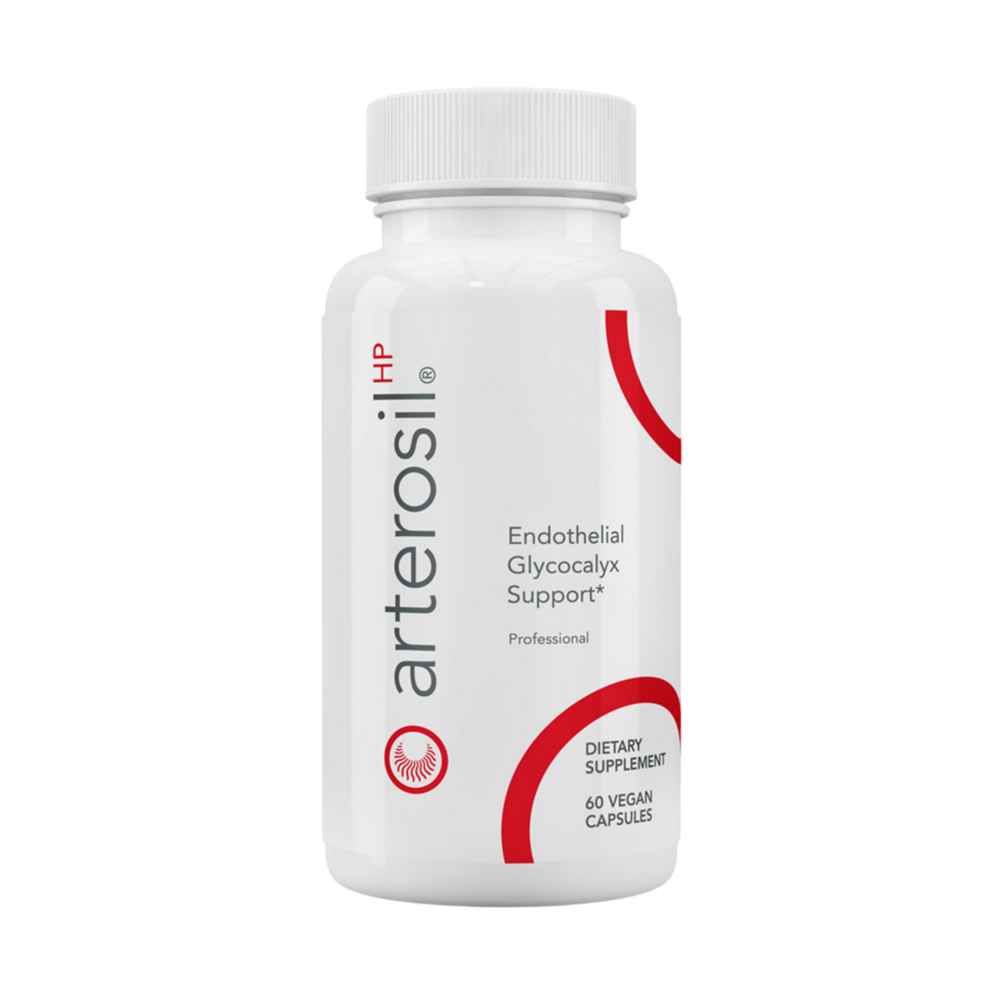
Arterosil HP
Calroy Health Sciences
60 capsules
$99.99$79.99 with Subscribe & Save
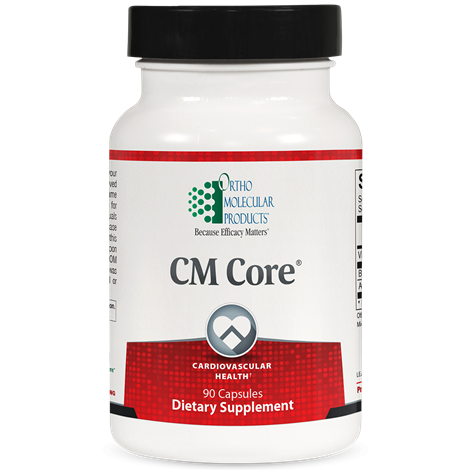
CM Core
Ortho Molecular Products
90 capsules
$70.32$63.35 with Subscribe & Save
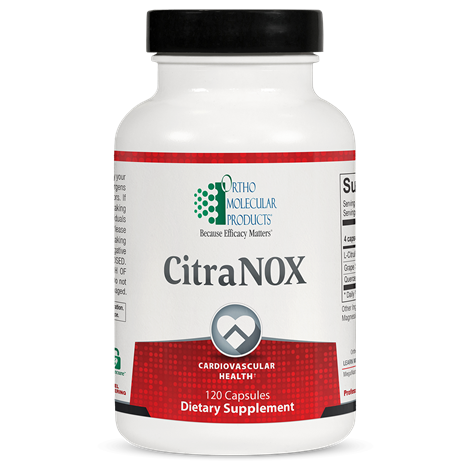
CitraNOX
Ortho Molecular Products
120 capsules
$70.32$63.35 with Subscribe & Save
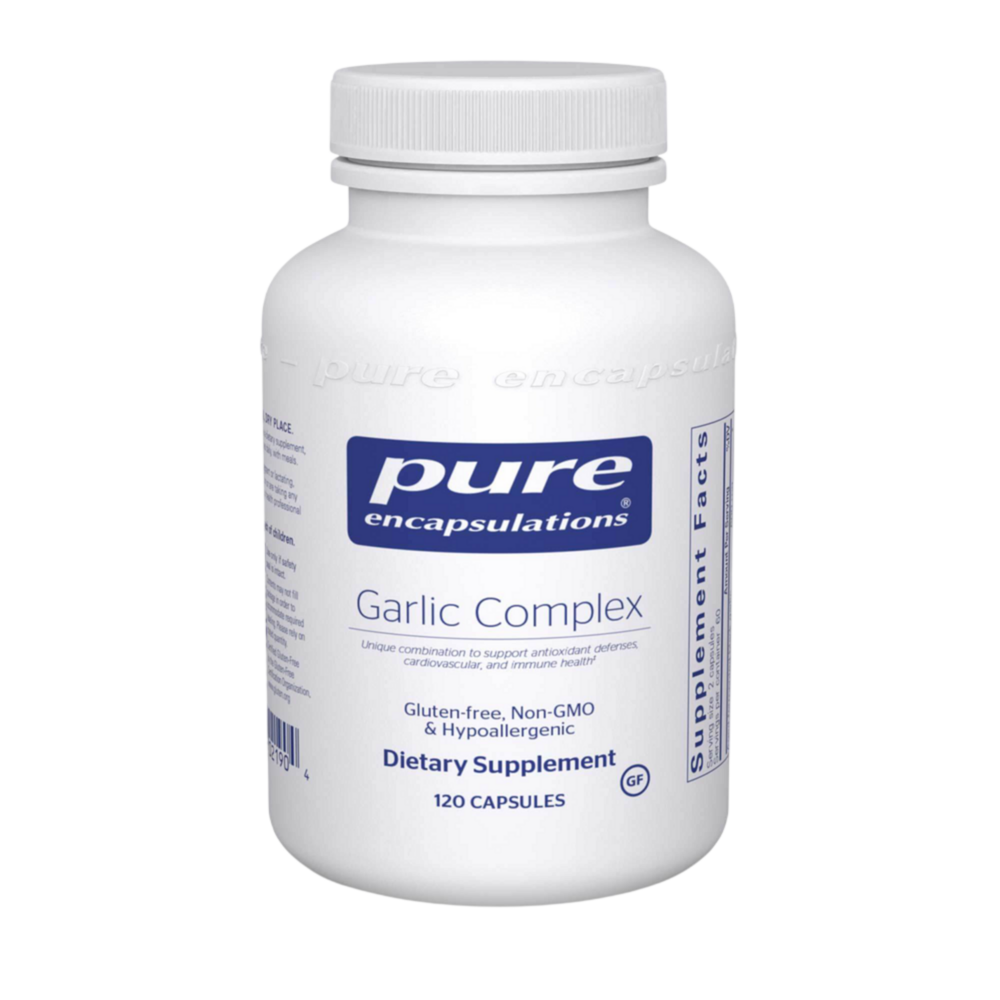
Garlic Complex
Pure Encapsulations
120 capsules
$59.50$47.99 with Subscribe & Save