 Instalab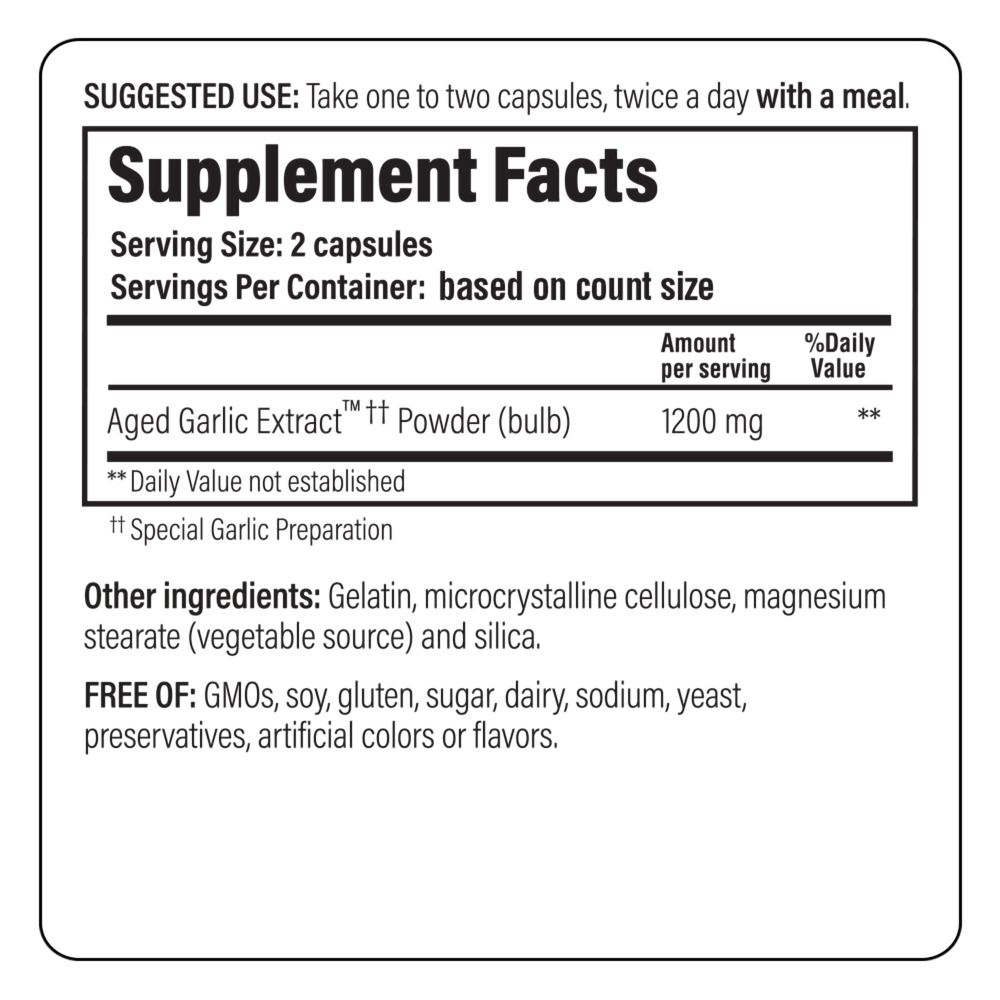
Wakunaga
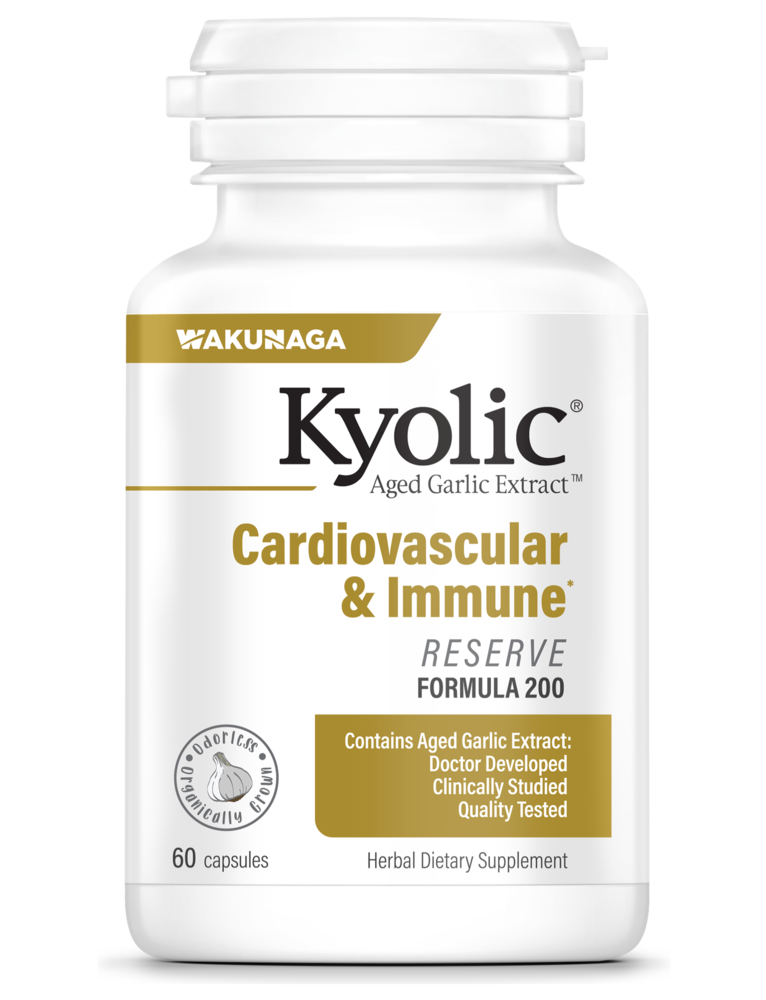
Kyolic Aged Garlic Extract Formula 200 - Cardiovascular & Immune, Reserve 1200 mg by Wakunaga
60 capsules · 30-day supply
Aged Garlic Extract for Cardiovascular and Immune Health Support$21.99
Purchase options
Practitioner-grade brand3rd-party testedFree shipping $50+
Gluten Free·Soy Free·Dairy Free·Milk Free·Artificial Preservative Free·Yeast Free·
Wakunaga Kyolic Aged Garlic Extract Formula 200 - Cardiovascular & Immune, Reserve overview
If you’re after aged garlic extract for blood pressure, this fits adults with elevated readings or borderline lipids who want a non-fishy, odorless option. It’s useful if your LDL-C is high, ApoB (the number of artery-clogging particles) is up, or hs-CRP (an inflammation marker) runs higher than you’d like. People who can’t tolerate raw garlic or want steadier dosing without odor usually do better with this form. If your triglycerides are the main issue, fish oil often moves that marker more.
Aged garlic extract concentrates water‑soluble compounds like S‑allyl cysteine that are stable and well absorbed. These compounds relax blood vessels by improving nitric oxide signaling (the cue that tells arteries to dilate), which helps lower blood pressure within 4 to 12 weeks. They modestly curb liver cholesterol production and improve how the lining of blood vessels functions, with small drops in LDL-C and hs-CRP in responders. Trials have also shown slower plaque progression on coronary calcium scans in some users.
Take 1 to 2 capsules, twice daily with meals, as the manufacturer suggests. Split dosing keeps blood levels steadier through the day. Expect blood pressure effects in 1 to 3 months, and lipid changes a bit later. If you need targeted triglyceride reduction, consider adding omega-3 fish oil and track changes with a lipid panel, ApoB, and hs-CRP after 8 to 12 weeks.
Garlic can mildly thin blood. Use caution with warfarin, apixaban, rivaroxaban, clopidogrel, or daily aspirin, and stop 7 days before surgery. It can add to blood pressure medication effects; monitor at home to avoid dizziness. Do not combine with the HIV drug saquinavir, which garlic can reduce. Common side effects are mild stomach upset or heartburn. Pregnancy and nursing: food garlic is fine, but use supplemental doses only with clinician guidance.
Frequently asked questions
Does aged garlic extract lower blood pressure?
Yes. In people with elevated blood pressure, aged garlic extract typically reduces readings within 4–12 weeks. The effect is modest but meaningful. It works best when taken consistently with meals and alongside basics like sodium control and regular exercise.
How long does aged garlic extract take to work?
Blood pressure changes often show up in 4–12 weeks. Lipid and inflammation markers like LDL-C, ApoB, and hs-CRP usually need 8–12 weeks to judge. Recheck labs and home blood pressure after three months to see if you’re responding.
Does aged garlic extract thin your blood?
It has a mild antiplatelet effect, which can increase bleeding risk when combined with warfarin, DOACs (blood thinners like apixaban), clopidogrel, or high-dose fish oil. Avoid around surgery and discuss with your prescriber if you’re on any blood thinners.
Can I take aged garlic extract with a statin or blood pressure meds?
Usually yes. It’s often used alongside statins and antihypertensives. Monitor for lower-than-expected blood pressure, and recheck a lipid panel and ApoB after 8–12 weeks. If you notice dizziness or lightheadedness, contact your clinician.
What’s the difference between aged garlic and regular garlic?
Aging converts harsh sulfur compounds into stable, odorless molecules like S‑allyl cysteine that are better studied and easier on the stomach. You get consistent dosing without breath or body odor, and clinical trials largely use aged extracts.
Are there side effects with aged garlic extract?
Most people tolerate it well. Possible effects include mild stomach upset, heartburn, or gas, especially on an empty stomach. Taking it with food and splitting the dose helps. Stop and seek care if you notice unusual bleeding or bruising.
Should I stop aged garlic extract before surgery or dental work?
Yes. Because of its mild blood-thinning effect, stop it 7 days before procedures unless your surgeon or dentist advises otherwise. Restart when you’re cleared after the procedure.
Is aged garlic extract safe in pregnancy or while breastfeeding?
Food amounts are fine, but supplemental doses should be used only under clinician guidance during pregnancy or nursing. If you’re considering it for blood pressure, discuss safer first-line options with your obstetric provider.
How to take it & ingredients
Suggested use: Take 1 to 2 capsules, twice daily with a meal.
Active ingredients
2 capsules per serving · 30 servings
Aged Garlic Extract Powder
Bulb
Bulb
1200 mg
Other ingredients: Gelatin, Microcrystalline Cellulose, Magnesium Stearate (Vegetable Source), Silica
Certifications
Benefits
Warnings
Customers also considered
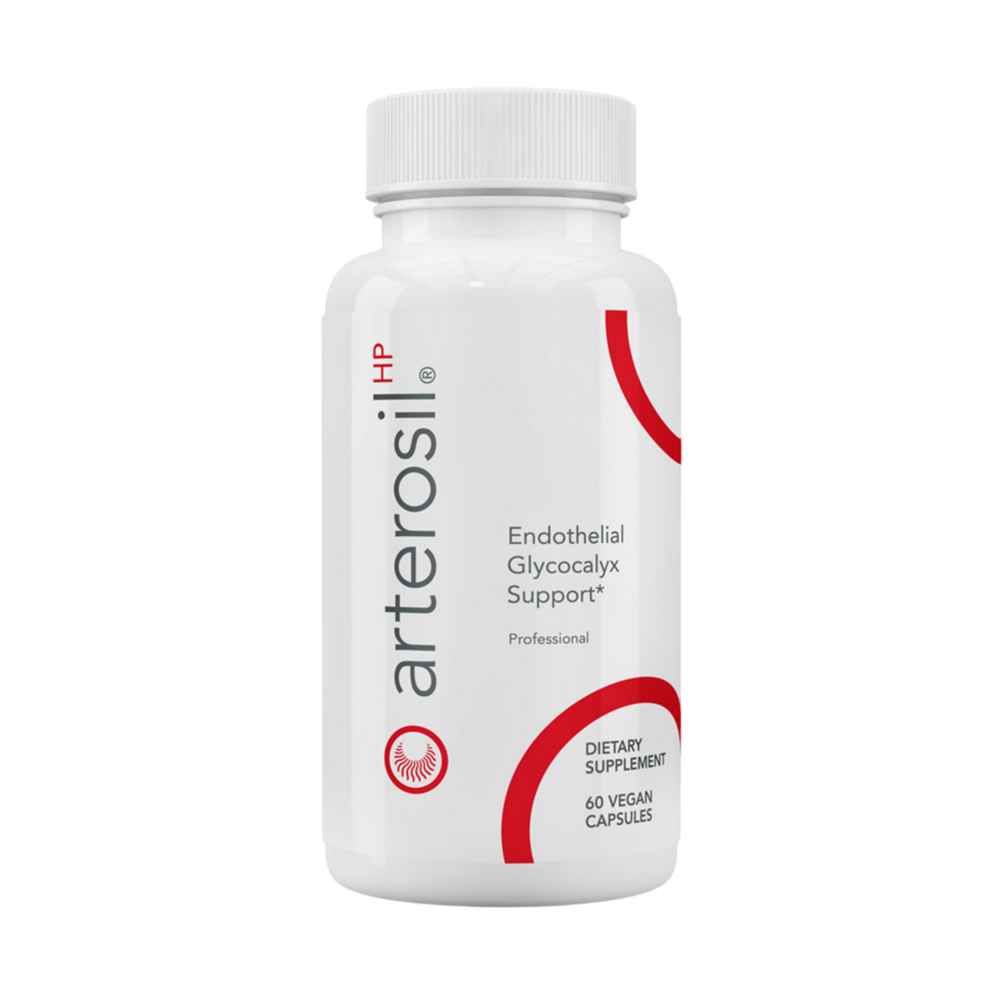
Arterosil HP
Calroy Health Sciences
60 capsules
$99.99$79.99 with Subscribe & Save
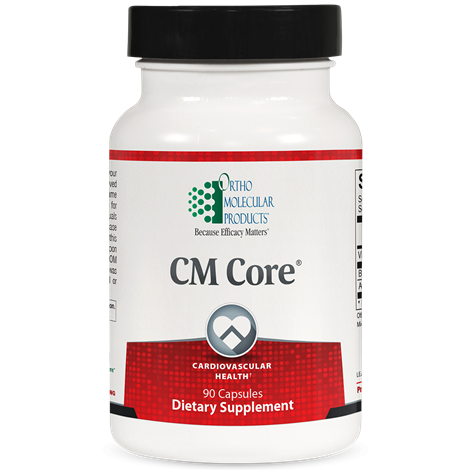
CM Core
Ortho Molecular Products
90 capsules
$70.32$63.35 with Subscribe & Save
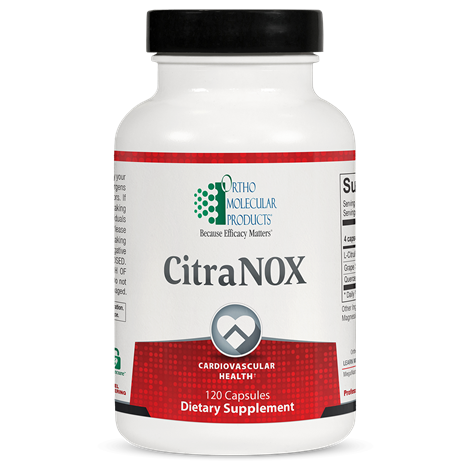
CitraNOX
Ortho Molecular Products
120 capsules
$70.32$63.35 with Subscribe & Save
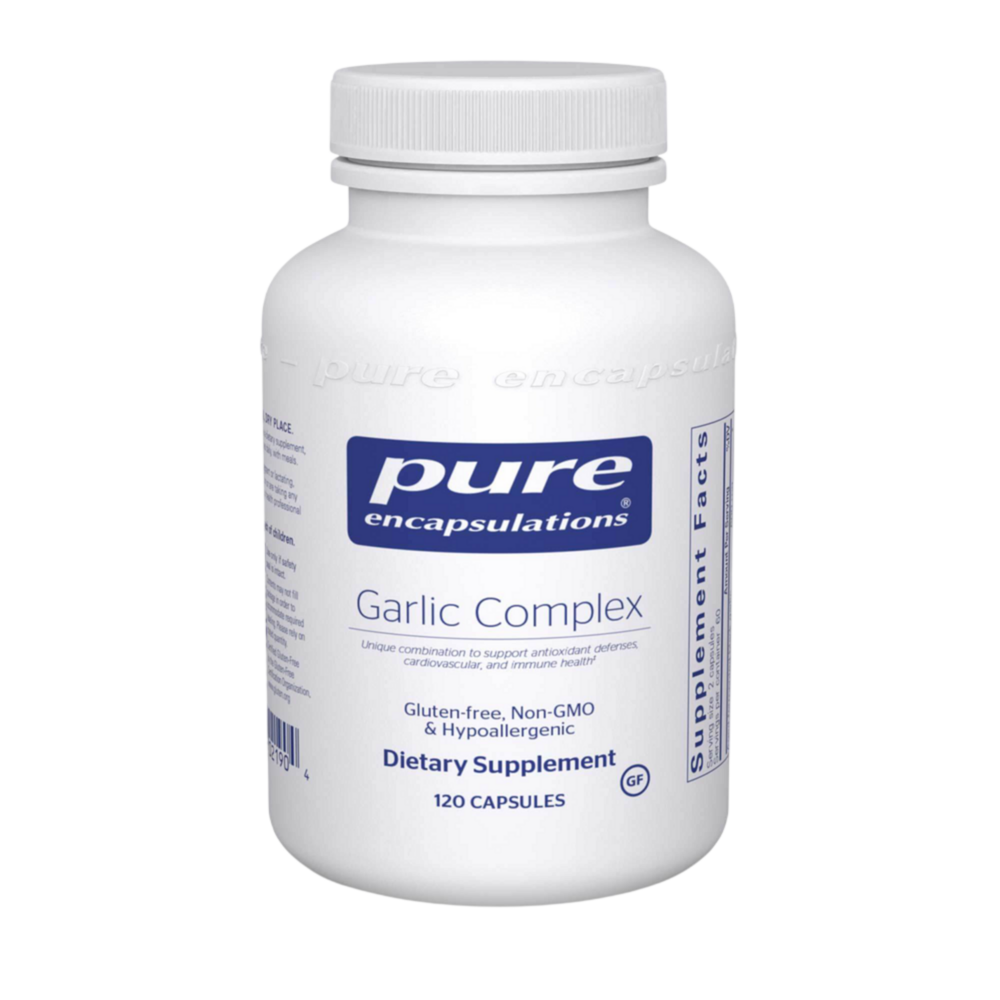
Garlic Complex
Pure Encapsulations
120 capsules
$59.50$47.99 with Subscribe & Save