
Is the Cyclospora Outbreak Over, and Which Foods Should You Skip?
Skip Taylor Farms iceberg lettuce and the Marketside bagged salads from the July recall, and treat any untraceable pre-cut leafy green the same way through the rest of summer. The 2026 US Cyclospora outbreak is the largest the country has ever measured, and it isn't over. Washing and chlorine rinses won't save you. If watery diarrhea drags past three days, say the word Cyclospora when you call your doctor, because a short course of one common antibiotic ends it fast.


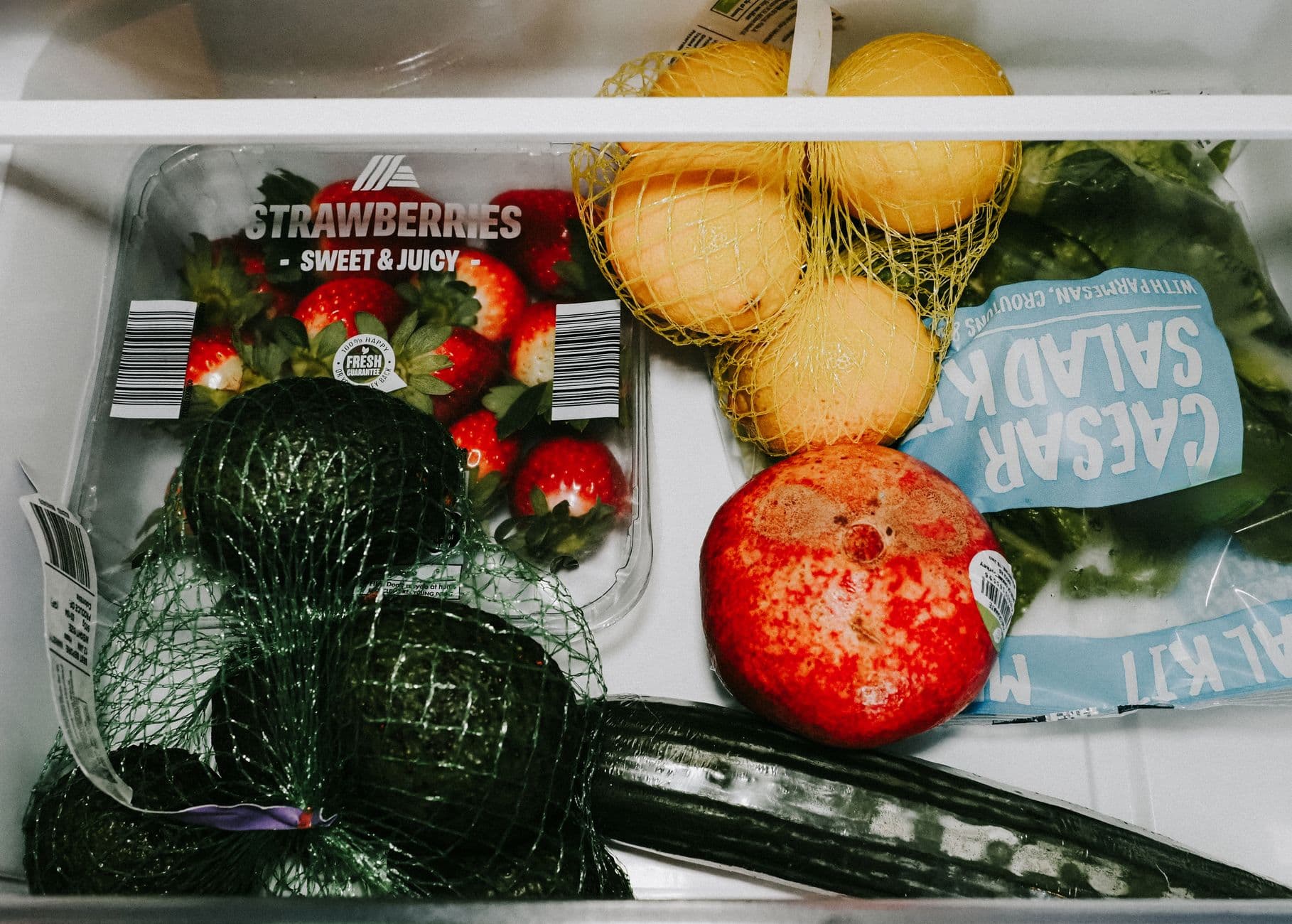
As of the CDC's August 18 update, more than 15,000 laboratory-confirmed cases have been reported across 47 states, DC, and Puerto Rico, with 828 hospitalizations and two deaths. Seventeen states are formally connected to the primary lettuce outbreak; the rest are just reporting cases. Both deaths trace back to iceberg lettuce grown by Taylor Farms de Mexico in central Mexico, recalled July 17 after going out as Walmart's Marketside bagged salads and to Taco Bell, Jack in the Box, and Sysco food service between June 29 and July 16. The single most protective thing you can do right now is avoid that lettuce, and treat any pre-cut leafy green whose source you can't identify with the same caution through August.
Why avoiding the recalled lettuce isn't the whole answer
CDC and FDA are chasing at least six other Cyclospora clusters this summer whose sources haven't been pinned down. Past US outbreaks have been tied to cilantro, basil, raspberries, snow peas, and green onions, so leafy greens aren't the only exposure worth thinking about.
You can't wash your way out of this one either. Cyclospora oocysts have a tough outer wall and shrug off chlorine at the 80 to 100 parts per million concentrations produce washes actually use, and higher concentrations aren't allowed on food. Contamination happens weeks upstream, usually in irrigation water, and the oocysts have to sit in the environment for 7 to 14 days before they even become infectious. By the time the greens reach a bag or a sink, the parasite is stuck to the leaf and isn't coming off in a rinse.
What's linked, and what to do about it
| Product or exposure | Status as of August 2026 | What to do now |
|---|---|---|
| Taylor Farms de Mexico iceberg lettuce (Walmart Marketside bags; food service to Taco Bell, Jack in the Box, Sysco, distributed 6/29 to 7/16) | Recalled July 17; linked to both deaths | Discard if it's still in your fridge; check the FDA recall list before buying iceberg or bagged salads |
| Other bagged salads and pre-cut leafy greens without clear sourcing | Not directly implicated, but six other clusters are still under investigation | Prefer whole heads from a grower you can identify; skip untraceable pre-cut greens through the rest of the season |
| Fresh cilantro and basil, especially raw at restaurants | Not part of this recall, but repeatedly linked to past US outbreaks, including a 2023 Alabama restaurant outbreak | Be selective about raw herb garnishes from May through August, especially at places sourcing from small distributors |
| Imported berries such as raspberries | Not implicated in 2026; historically the vehicle in large 1990s outbreaks | Fine to eat now; worth remembering as part of the summer produce watch list in future years |
The illness has a distinctive shape
Cyclosporiasis has a fingerprint. Watery diarrhea sets in about a week after exposure, often with many loose stools a day. What separates it from a run-of-the-mill stomach bug is that it doesn't stop. In untreated healthy adults, symptoms typically last weeks and can stretch to a month or more, with a waxing and waning course that sometimes relapses, plus profound fatigue, cramping, nausea, and weight loss along the way. People often describe it as heartburn or indigestion at first, and it gets misread as irritable bowel syndrome for weeks before anyone thinks of a parasite.
If you're on transplant medications or have advanced HIV, illness runs longer and harder, and a small share of AIDS patients develop biliary complications. Both deaths in this outbreak were in patients with significant underlying conditions.
Ask for the specific test, take the specific pill
Knowing the parasite by name is what pays off here. A routine stool ova-and-parasite exam can miss Cyclospora because the oocysts stain unreliably and often show up as unstained "ghosts." CDC's July 14 Health Alert to clinicians spelled this out and told them to order Cyclospora-specific testing: a modified acid-fast stain or a PCR panel that includes it. If your clinician orders "a stool test," say Cyclospora out loud.
One practical wrinkle: specialized or reference-lab testing can take 10 to 14 days to come back, so if your illness fits the pattern and the exposure fits the season, doctors often start treatment on clinical suspicion. A seven-day course of trimethoprim-sulfamethoxazole (TMP-SMX) reliably cures the infection in immunocompetent adults, and diarrhea usually stops in two to three days. Ciprofloxacin is a partial backup if you can't take sulfa drugs, though it fails more often; that head-to-head evidence comes from HIV-positive patients and is extrapolated to healthy adults, and people who don't respond typically end up on TMP-SMX anyway.
What to do while the outbreak plays out
CDC hasn't declared the outbreak over. Several clusters remain unexplained, and Cyclospora's biology means fresh contamination could already be moving through the supply chain weeks before anyone knows. Skip the recalled products, be skeptical of untraceable pre-cut greens for the rest of the summer, and if the diarrhea comes and won't quit, name the parasite when you call the doctor. What would change this call is CDC identifying the sources of the other clusters, declaring the outbreak over, or evidence that a home decontamination method actually inactivates Cyclospora on leafy greens. Until then, the caution up front and the fast fix from the right pill are both worth having.