
Can You Get Sick From the Jalapeño Salmonella Outbreak?
You can. Uncomplicated Salmonella in a healthy adult resolves on its own. Whether it's serious depends less on the pepper and more on who caught it: the same illness plays out very differently in a healthy 30-year-old than in an 80-year-old or a newborn.


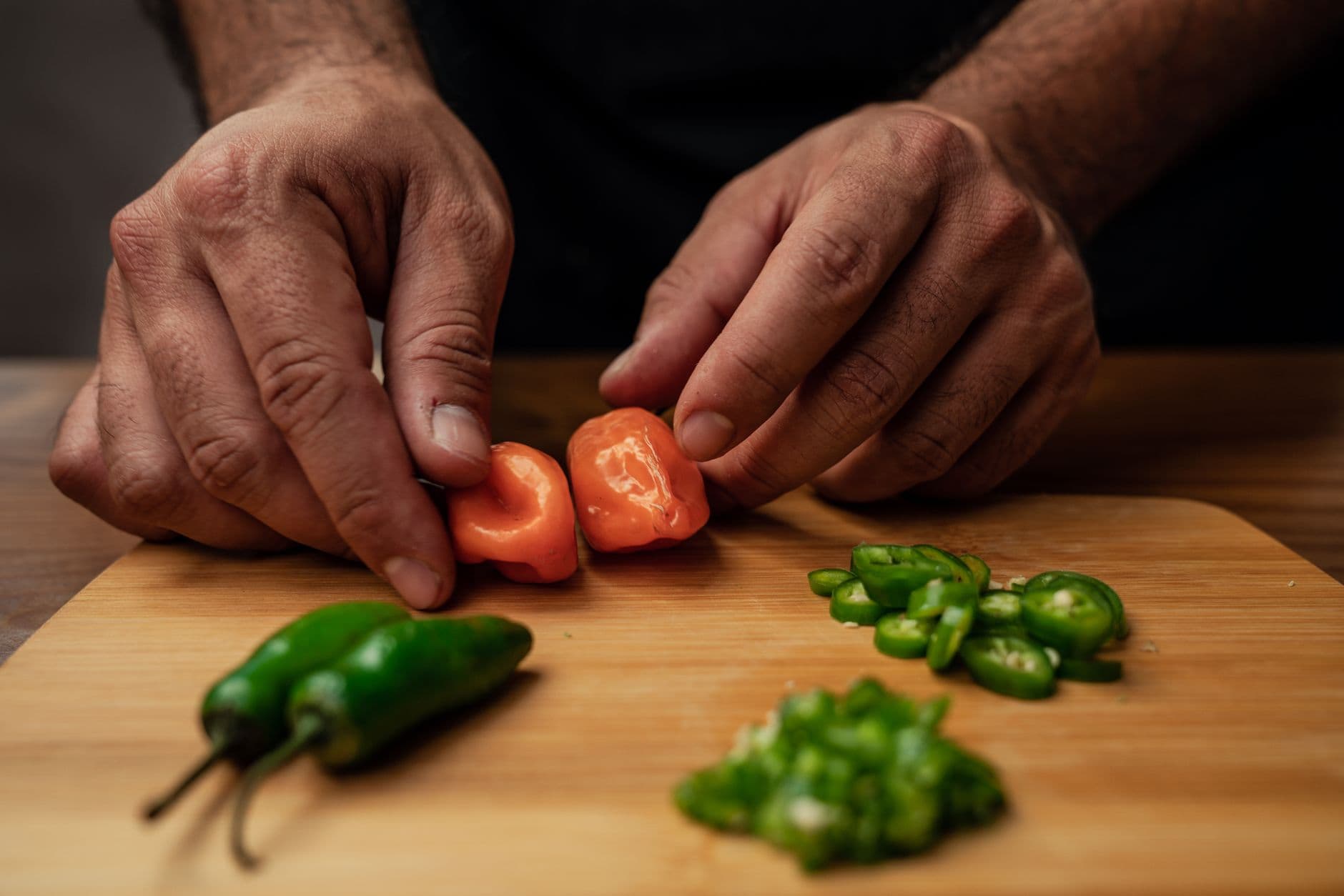
The outbreak has a name and an address. The strain is Salmonella Javiana. The peppers are fresh jalapeños grown by a single Sinaloa, Mexico supplier and distributed by Coast Citrus. The illnesses cluster in Mexican-style restaurants across eight states, with Minnesota and Colorado carrying more than half the count between them. That combination, a single upstream source feeding a specific style of restaurant, is why the recall list has grown so fast, and why the highest-probability exposure isn't the pepper on your cutting board.
The outbreak by the numbers, and the recall
As of CDC's August 19 update, 431 people across 32 states had confirmed infections. Fifty-seven were hospitalized. No deaths had been reported. Illness onsets ran from June 19 to August 2, with reported restaurant meals stretching back to mid-June. Coast Citrus first recalled bulk Sinaloa jalapeños on July 22 and expanded the recall on August 5. Downstream recalls followed for Taylor Fresh Foods burritos, bowls, guacamole, salsas, and wraps, plus items from H-E-B, Whole Foods, Hardie's Fresh Foods, and Salata Dressings, some with best-by dates through mid-August. Chipotle and QDOBA pulled the affected jalapeños once notified.
If you have anything jalapeño-containing at home from that window, check it against the FDA recall list and throw it out. Don't try to wash it clean. Chlorinated washing reduces Salmonella on produce surfaces only modestly, typically less than 2 log, and can't reach bacteria that have internalized into plant tissue or formed biofilms, so scrubbing isn't a rescue. Wipe down anything the peppers touched.
The window to watch, and what Salmonella feels like
Salmonella typically shows up within a day or so of exposure. CDC gives the range as 6 hours to 6 days. Nearly everyone with a confirmed case has diarrhea. Cramps and fever are common, with temperatures often close to 39°C in outbreak investigations. Bloody diarrhea shows up in a substantial minority of confirmed cases, though the rate varies a lot by age (much higher in young children, much lower in the very old). For a healthy adult, the whole illness usually runs 2 to 7 days and resolves without treatment. That's where most of the 431 people in this outbreak sit.
Who actually needs a clinician on the phone
The overall hospitalization rate in Salmonella outbreaks is about 1 in 5, but that risk is stacked heavily toward specific groups. In US surveillance, adults 65 and older were hospitalized close to half the time when they got Salmonella, compared with about a fifth of younger adults, and their death rate from the infection was several times higher, driven mostly by cases that turned invasive. Older adults also often show fewer of the classic symptoms even as they're getting sicker, which is why 'I feel a little off' is not a reliable signal in that group. Infants have far higher rates of invasive Salmonella than older children, and once the infection reaches the bloodstream the great majority end up hospitalized. HIV, active cancer treatment, and other forms of immune suppression put adults into the same high-stakes tier; invasive Salmonella in people with untreated HIV has run roughly 40% fatal in global data.
For anyone in one of those groups, the calculus flips. Call a clinician when symptoms start, not when they get bad. Regardless of age or immune status, bloody diarrhea, a fever that won't break, signs of dehydration, or symptoms pushing past three days warrant medical contact.
| Your situation | Risk level | What the evidence supports |
|---|---|---|
| Healthy adult, no symptoms, ate at a Mexican-style restaurant in June or July | Low | Watch for diarrhea, cramps, or fever for about a week from exposure |
| Healthy adult with diarrhea, cramps, or fever in the past week | Moderate | Hydrate and rest; expect resolution in 2 to 7 days without antibiotics |
| Adult 65+, infant, pregnant, or immunocompromised with any symptoms | High | Contact a clinician when symptoms start, not when they get bad |
| Bloody diarrhea, high fever, dehydration, or symptoms past three days | High regardless of group | Contact a clinician now |
| Recalled jalapeños or products in your fridge | Not applicable | Throw them out; wash surfaces they touched. Don't try to rinse and eat |
Why antibiotics aren't the fix for most people
The reflex to ask for an antibiotic is understandable and usually wrong here. A randomized trial from 1980 comparing ampicillin, amoxicillin, and placebo in Salmonella gastroenteritis found no difference in how long diarrhea lasted, but about half of antibiotic-treated patients had a bacteriologic relapse compared with none on placebo. That trial was in children, and later work in adults has landed in the same place: antibiotics don't speed recovery in uncomplicated cases, they can prolong shedding of the bug in stool, and they select for resistant strains. Guidelines reserve antibiotics for sepsis, invasive or extraintestinal disease, and high-risk hosts (infants under 3 months, immunocompromised, hemoglobinopathies, adults over 65 with severe illness). For a healthy adult riding out a few days of misery, oral rehydration is the answer, not a prescription.
What would shift the picture
FDA hasn't yet confirmed the outbreak strain in a specific Coast Citrus pepper sample, so the epidemiologic and traceback evidence is carrying most of the argument. If cases keep coming from meals eaten after the August recalls took hold, the loop isn't closed. If a death gets reported or the recall widens to additional distributors or brands, the exposure picture gets larger. For now, the pattern is straightforward: contaminated peppers moving through restaurant kitchens, invisible on the plate, with different stakes for different people at the same table.