
Do You Lose Muscle on GLP-1s?
Yes, part of what you drop on a GLP-1 is lean tissue, including some muscle, not only fat. But the trials show most of the loss is fat, and lean tissue makes up roughly a fifth to two fifths of the weight lost, a range that overlaps with dieting and bariatric surgery. The drug isn't melting muscle. The issue to watch is whether your strength holds, and that is something you can work on while the drug drives mostly fat loss.


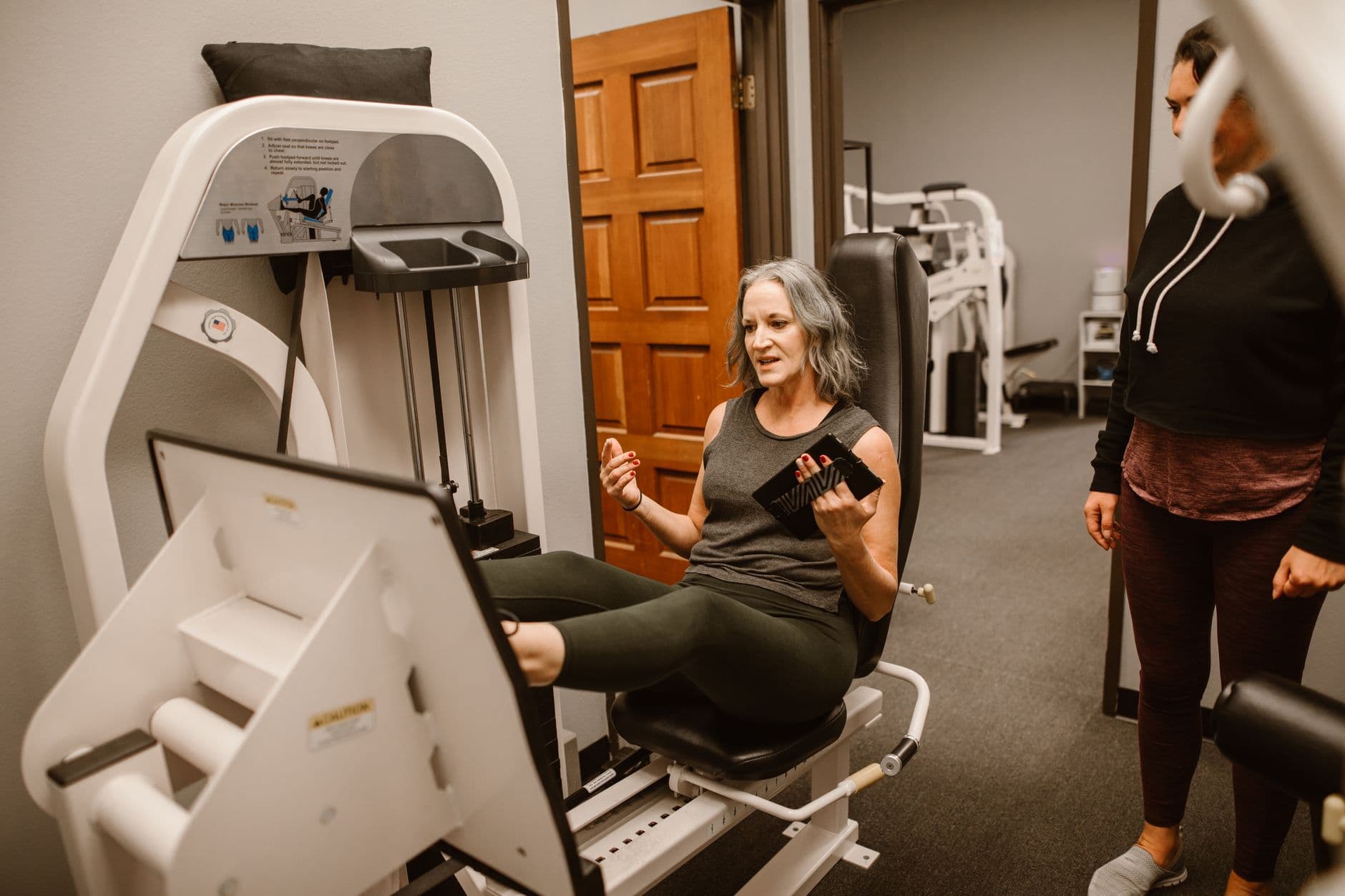
The fear behind the headlines is that GLP-1 drugs eat muscle. The scans say something more precise. Most trials report lean mass, not pure muscle. You do lose lean tissue, but you lose far more fat, so the share of your body that is lean tissue often rises during treatment. In the tirzepatide body-composition substudy of SURMOUNT-1, the fat-to-lean split of the weight people lost matched placebo and resembled patterns seen with calorie restriction or bariatric surgery. Tirzepatide drove a much bigger total loss, not a worse kind of loss.
What the scans actually show
Most intentional weight loss includes some lean tissue loss, whatever the trigger. GLP-1s land in that broader range. The estimates differ by study. Some semaglutide figures put a larger slice of total loss in the lean column than tirzepatide's SURMOUNT-1 DXA substudy, but these come from separate trials rather than a head-to-head comparison, so they do not show that one drug spares muscle better than the other. A 2026 systematic review of incretin body-composition trials found that roughly two thirds of the studies crossed the benchmark researchers use to flag disproportionate muscle loss. Across the studies, fat loss was still larger than lean loss.
This is why the percent numbers and the absolute numbers can point in opposite directions, and both can be honest. Your absolute lean mass can drop. The proportion of you that is lean mass can go up, because fat leaves faster. A scan showing lower lean mass is not, by itself, a sign that something has gone wrong.
| Evidence area | Best-supported finding | Takeaway |
|---|---|---|
| Overall GLP-1 and dual-incretin range | Lean tissue commonly accounts for about 20 to 40% of total weight lost | A meaningful share is lean, but most loss is fat |
| Semaglutide body composition | SEMALEAN found lean mass fell about 3 kg by 7 months and then stabilized; percent lean mass rose | The absolute and percent signals can move in opposite directions |
| Tirzepatide (SURMOUNT-1 scan substudy) | Fat mass fell about 34%, lean mass about 11%; roughly a quarter of weight lost was lean | Same proportional split as placebo, with much larger total loss |
| Protein intake | Higher-protein diets preserve fat-free mass in broader weight-loss trials; GLP-1-specific evidence is still preliminary | Track intake because appetite suppression makes undershooting easy |
| Resistance training | Protects fat-free mass during diet-induced weight loss; a semaglutide/tirzepatide resistance exercise and protein trial protocol has been published | Best-supported habit, but direct GLP-1 evidence is still catching up |
Does losing the muscle cost you strength?
So far, the function data don't show a clear harm signal. In SEMALEAN, semaglutide users had an early lean-mass drop that then held steady, handgrip strength improved, and sarcopenic obesity prevalence fell from 49% to 33% over a year. That study had no control group, so some of that shift reflects how sarcopenic obesity is defined once fat drops. Tirzepatide data point in a similar direction on weight-loss quality: SURMOUNT-1 showed preferential fat loss, and SURPASS-3 MRI found less fat inside the thigh muscle in people with type 2 diabetes, though overall thigh muscle volume also fell. Those findings do not prove that strength is protected for everyone.
The caveat is scale. The 10.9% lean-mass drop with tirzepatide over 72 weeks has been compared with a decade or more of age-related skeletal-muscle decline. That comparison explains the concern, but these body-composition studies have not shown that it translates into measured weakness. Frailty, falls, disability, gait speed, and long-term weight-maintenance outcomes have not been measured well; in the 2026 systematic review, no included trial reported objective physical-function outcomes. Averages describe the trial population, not you. If you are older, already sarcopenic, frail, nutritionally depleted, or dropping weight fast, you have less reserve than the average trial participant.
The two levers you actually control
Resistance training has the strongest evidence for holding onto lean tissue during weight loss. Across trials of diet-induced weight loss, adding it, typically two to three sessions a week, protects fat-free mass, increases fat loss, and improves strength. The catch is that most data come from people losing weight without semaglutide or tirzepatide. Exercise plus liraglutide improved physical function and cardiorespiratory fitness after diet-induced weight loss, but a protocol has only recently been published for a trial testing resistance exercise and extra protein directly with semaglutide or tirzepatide. It has not yet reported results. Rapid, large weight loss can also thin bone; in one trial, adding exercise to liraglutide preserved bone density that the drug alone reduced.
Protein is the second lever. Higher-protein diets preserve more lean mass during diet-induced weight loss, especially in older adults, though the clearest measured benefit is on body composition. Practical GLP-1 guidance often lands around 1.2 to 1.6 grams per kilogram per day, adjusted for body size and medical context, which is above the standard 0.8 gram baseline; a joint advisory from several obesity and nutrition societies advises against prolonged intake at or above 2 grams per kilogram per day. That range has not been proven as the exact GLP-1 dose-response answer. The practical problem is that appetite suppression makes undershooting easy: cross-sectional data on GLP-1RA users suggest many do not meet their daily protein needs. Your protein intake, strength, and body composition are all things you can measure and track over time. Vitamin D is worth checking too; a retrospective claims analysis of GLP-1RA users, mostly adults with type 2 diabetes, found nutritional deficiencies diagnosed after GLP-1RA initiation, with vitamin D deficiency the most common, though vitamin D deficiency is already common in obesity before any treatment, so some of that may reflect pre-existing deficiency being detected.
Early phase 2 trials suggest bimagrumab with semaglutide can shift more loss toward fat, and apitegromab with tirzepatide can reduce lean-mass loss with similar total weight loss. That does not make them practical tools for now. Both are investigational for obesity-related muscle preservation, and no completed trial has shown fewer falls, less disability, or better long-term strength. Supplements are not a substitute for lifting either. A scan showing lower lean mass, on its own, is not proof of functional harm.
GLP-1s do not make weight loss muscle-free, but they also do not turn fat loss into muscle wasting by default. The weight you lose is mostly fat, some lean loss is expected, and the outcome you can change is your strength. Protect it proactively with protein and resistance training, and watch it more closely if you are older or already low on muscle. Weight regain after stopping semaglutide is common, another reason to build muscle-protective habits now. What would move this from reasoned extrapolation to settled fact is a long, adequately powered trial in semaglutide and tirzepatide users that tests protein and resistance training against measured strength, gait speed, frailty, and falls, especially in the older and sarcopenic adults who have the most to lose.