
Is the Recalled Impella Heart Pump Still Being Used in Hospitals?
Yes, the recalled Impella is still in use, and if a loved one is on one right now, the pump itself isn't coming out. The FDA's Class I recall targets the wheeled console at the bedside, not the pump threaded into the heart. The console is being fixed through a manufacturer service update. What matters at the bedside is simple: whether the team has a backup controller ready and a written protocol for the alarm that triggered this recall.


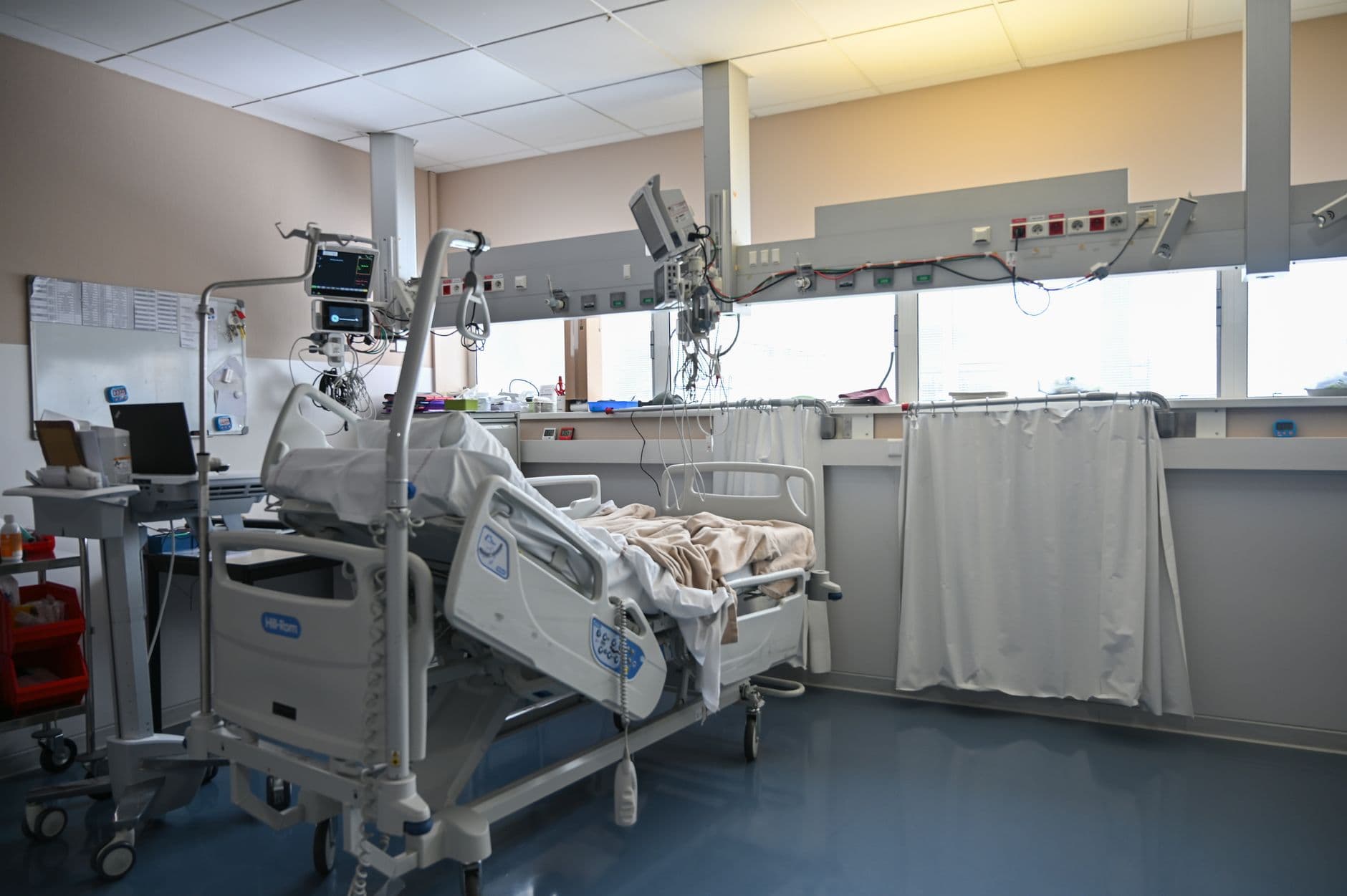
The recall doesn't mean the pump comes out. On September 24, 2026, the FDA classified Abiomed's removal of all Automated Impella Controllers as a Class I action, its most serious category, after linking three deaths and 37 serious injuries to a sensor failure inside those bedside consoles. The console is what's being fixed. The pump inside the heart is not the recalled part, and the FDA is letting hospitals keep using the affected consoles while service catches up.
What the recall actually covers
The Automated Impella Controller is the wheeled unit at the bedside that runs the pump. Inside it sits a purge-pressure sensor. Its job is to keep a small stream of heparinized dextrose fluid flowing through the motor against blood flow, so blood can't enter the motor housing and clot. A component in that sensor can fail to detect the purge disc, and when it does, purge delivery can silently stop. If purge stops for long, the pump inside the patient is at risk. J&J puts the failure at about 2 in 1,000 cases. The recall covers every generation of the controller sold in the US.
Why the FDA isn't pulling it
A Class I recall usually means take the device out. This one doesn't, and the reason is arithmetic. Unselected 30-day mortality in cardiogenic shock still runs about 40 to 50 percent across randomized trials and registries, and for the crashing hearts Impella is put in, the pump is often the only thing keeping the circulation going. Pulling support kills faster than a rare console alarm.
So the affected consoles stay in place while service happens, with a specific script for when the sensor fails. If the Purge Disc Disconnected or Not Detected alarm sounds, the clinician reinserts the disc. If that fails, they switch to a backup controller. If the fault comes up during active support, the team keeps the pump running while planning a controller exchange.
This isn't the first Impella recall under J&J
Since Johnson & Johnson bought Abiomed in 2022, this is the third Class I action on the platform. A prior recall of the Instructions for Use, for a design change that stiffened the pump tip and raised left ventricular perforation, was the deadliest. In February 2026, a smaller batch of controllers was recalled for a software flaw that delayed a different purge alarm on the Impella 5.5. J&J received an FDA warning letter in 2023 over manufacturing quality.
| Action | Date | Affected | Reported harm |
|---|---|---|---|
| Controller recall (purge-sensor failure) | Sept 2026 | All Automated Impella Controllers | 3 deaths, 37 serious injuries |
| Controller software recall (delayed purge alarm) | Feb 2026 | 62 controllers used with Impella 5.5 | None specified |
| Instructions for Use recall (LV perforation) | Prior | Left-sided Impella blood pumps | 49 deaths, 129 serious injuries |
| FDA warning letter | Sept 2023 | Manufacturing quality controls | Not tied to specific outcomes |
None of that erases what the pump can do. In DanGer Shock, a randomized trial in a narrowly selected STEMI cardiogenic shock population, the Impella arm had more severe bleeding, limb ischemia, and kidney failure requiring dialysis, and the trial excluded patients with out-of-hospital cardiac arrest and hypoxic brain injury. It's the only randomized survival signal in this space, and it applies to that carefully picked group, not to every shock patient.
What to ask the shock team
If your family member is on an Impella now, three questions do the useful work. Is there a backup Automated Impella Controller at the bedside, ready to swap in? Does the team have a written protocol for the Purge Disc Disconnected or Not Detected alarm? Are the affected controllers scheduled for the manufacturer service update? Any device-related event should be reported to Abiomed and to the FDA through MedWatch. Explantation isn't on that list because explantation isn't the fix.
How to read the signal
A Class I recall on the console of a device that keeps dying hearts beating isn't the same as pulling the device out, and treating it that way would kill more patients than the defect ever will. This is a real safety signal in a device that, in a carefully selected patient, still delivers the only randomized survival benefit of its class, alongside a documented complication burden. The bedside question isn't whether the pump stays. It's whether the team is ready when the alarm goes off.