
Dementia Is Now the 5th Leading Cause of Death. What Actually Helps?
Nearly half of dementia is tied to things you can act on, and most of the strongest levers are midlife ones you already know how to measure: your blood pressure, your LDL cholesterol, your hearing, how much you move. The World Health Organization (WHO) just moved dementia to the fifth leading cause of death globally, driven by aging populations rather than a rising per-person risk. What you can do before symptoms show up is clearer than it used to be.


The WHO's October 2026 estimates put dementia at the fifth leading cause of death worldwide in 2023. In 2000 it was nineteenth. Deaths roughly tripled over those two decades. Alarming at first glance, but incomplete: compare people of the same age across the period and the per-person rate has barely changed. Dementia isn't getting more dangerous. More of us are living long enough to meet it. What you can do about your own odds is a lot, according to the same WHO evidence base.
Why the ranking climbed
The climb is driven by two forces: aging populations in middle- and high-income countries, and better diagnosis and death-certificate coding. Global dementia deaths rose from about half a million a year in 1990 to close to two million by 2023. The age-standardized rate stayed roughly flat. The ranking shift is a demographic fact about the world, not a verdict about your own brain. Your personal risk was mostly set long before the headline.
Where the 45% comes from
In July 2026 the WHO issued new prevention guidelines built on the 2024 Lancet Commission on dementia. Across 14 modifiable factors spanning early life, midlife, and late life, the Commission's model estimates that acting on all of them could prevent or delay up to 45% of dementia globally, after accounting for how the factors overlap.
Hearing loss and high LDL cholesterol top the list as the two biggest midlife contributors. Less education comes next, then social isolation, depression, head injury, physical inactivity, hypertension, smoking, obesity, diabetes, excess alcohol, untreated vision loss, and air pollution.
The 45% is a global average, and it varies by country. Populations with more untreated hearing loss, less schooling, or more uncontrolled hypertension have higher preventable fractions; some national estimates top 50%. Your personal ceiling depends on which of these factors actually apply to you.
| Risk factor | Life stage | Global share | What acting on it looks like |
|---|---|---|---|
| Hearing loss | Midlife | 7% | Correcting hearing when it drops, especially in people already at risk |
| High LDL cholesterol | Midlife | 7% | Lowering LDL with diet, activity, and medication when indicated |
| Less education | Early life | 5% | Cognitive engagement across life; schooling itself is mostly set by early adulthood |
| Social isolation | Late life | 4% | Staying connected and engaged in later decades |
| Depression | Midlife | 3% | Recognizing and treating depression |
| Traumatic brain injury | Midlife | 3% | Reducing head-injury risk from falls, driving, and contact sports |
| Physical inactivity | Midlife | 2% | Regular activity most days of the week |
| Hypertension | Midlife | 2% | Controlling blood pressure, with trial evidence supporting lower targets |
| Smoking | Midlife | 2% | Not smoking, or quitting if you do |
| Obesity | Midlife | 1% | Keeping a healthy weight |
| Diabetes | Midlife | 1% | Preventing or controlling type 2 diabetes |
| Excess alcohol | Midlife | 1% | Keeping alcohol low; less is better |
| Untreated vision loss | Late life | 2% | Correcting vision problems in later life |
| Air pollution | Late life | 2% | Reducing exposure where possible |
What the strongest trials actually show
The best trial evidence is targeted, not universal. In SPRINT MIND, a systolic blood pressure target of 120 versus 140 in adults with hypertension cut mild cognitive impairment by about a fifth, and the combined risk of impairment or dementia by about 15%. Dementia alone fell by a similar fraction but didn't quite reach statistical significance; the trial stopped early for its heart-disease benefit before enough dementia had accumulated.
ACHIEVE tested hearing aids against general-health counseling in older adults with hearing loss. Across the whole group, three years of hearing aid use didn't change cognitive decline. In a prespecified subgroup already at higher dementia risk, it cut three-year decline by about half. That isn't noise. Correcting hearing matters most for people whose brains are already under pressure.
For movement, the evidence is observational but consistent. Pooled across prospective studies of hundreds of thousands of adults, regularly active people have roughly 15% to 25% less dementia than inactive people. Some of that gap is reverse causation, because early cognitive decline cuts activity before a diagnosis. But the signal doesn't vanish when researchers restrict to activity measured decades before onset.
What hasn't worked
Supplements don't substitute for any of this. Trials of omega-3, vitamin E, ginkgo biloba, and antioxidant multivitamins in cognitively healthy older adults have not shown meaningful protection against dementia, and the current WHO guideline recommends against routine use for prevention in the absence of a deficiency. Generic multidomain lifestyle programs in unselected older adults mostly missed their primary cognitive endpoints too: MAPT in France, DO-HEALTH across Europe, AgeWell.de in Germany. What's worked in trials has been specific: treating a particular midlife condition in someone who actually has it.
The newest anti-amyloid drugs fit the same pattern. In July 2026 the FDA cleared a once-weekly subcutaneous form of lecanemab for early Alzheimer's. It's a treatment for people with symptomatic early disease, not a preventive tool for healthy adults. No pill or shot yet replaces midlife risk-factor management.
The midlife window
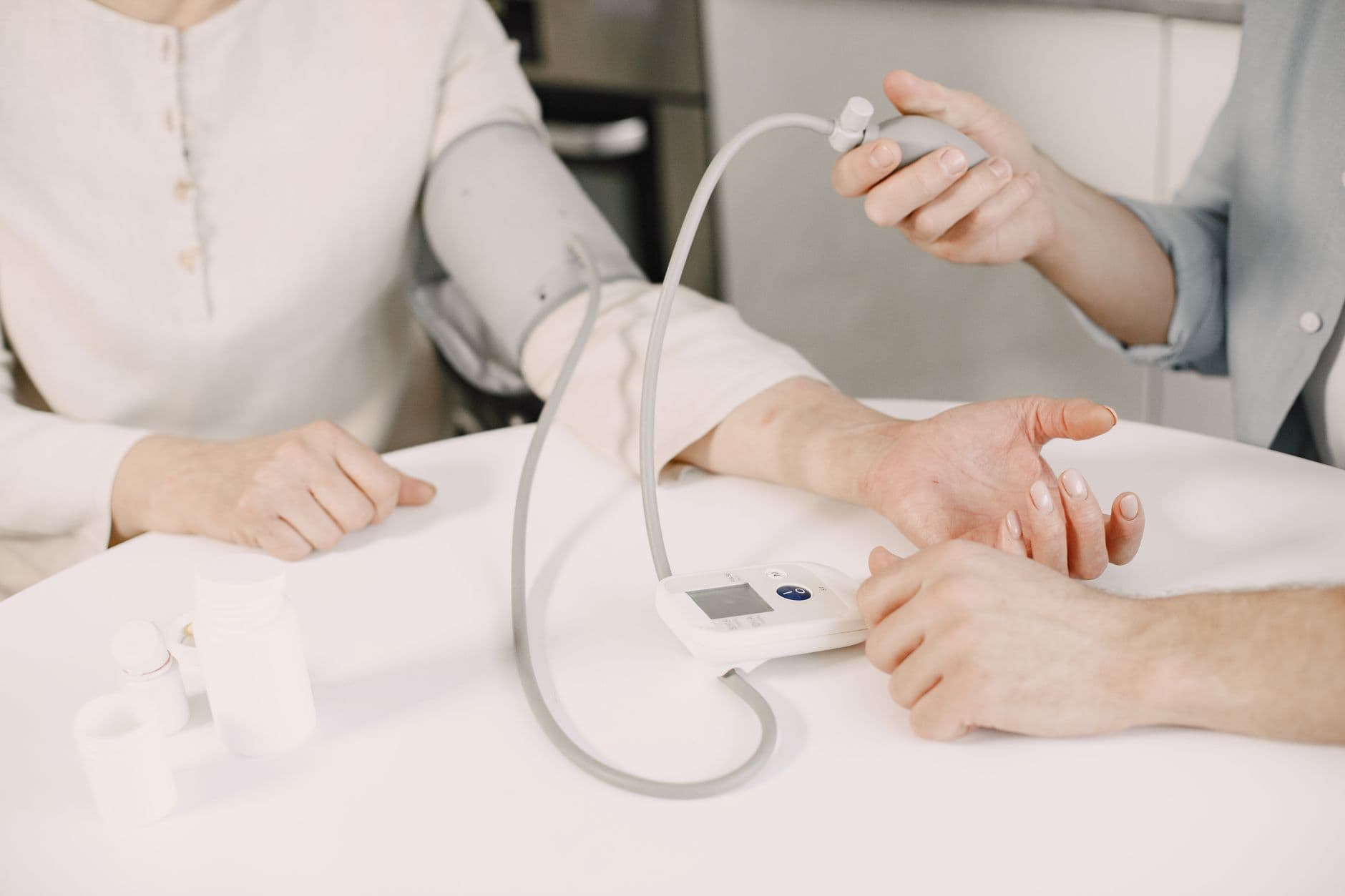
Dementia pathology accumulates for decades, which is why the levers with the strongest evidence go to work in the preclinical window: blood pressure, LDL, hearing, and activity. Each is a number you can know now. Blood pressure is cheap to measure at home. LDL is a routine blood test, and the human evidence that lower is better for your heart and your brain runs well below the guideline-normal cutoff. An audiogram is quick, and the trial-level benefit of hearing aids is largest in exactly the people most at risk for dementia. The rest of the Lancet list, from smoking and alcohol to head protection and vision, is on it for the same reason.
The move to fifth leading cause of death is a fact about aging populations. What it changes for you is how much it matters to spend the next decade on the levers that work, well before any symptoms that would make you want to.