
Do You Need Paxlovid or a Booster for the Summer COVID Wave?
Yes, if you're 65 or older or have a high-risk condition. Start nirmatrelvir-ritonavir (Paxlovid) within a few days of symptoms, and be current on the 2025-2026 LP.8.1 booster. Both still cover Stratus (XFG) and Nimbus (NB.1.8.1), the immune-evasive Omicron descendants driving the summer 2026 wave. The XFG-matched shot isn't shipping yet, and neither variant looks more dangerous than earlier Omicron, so waiting trades a real, available benefit for a theoretical one.


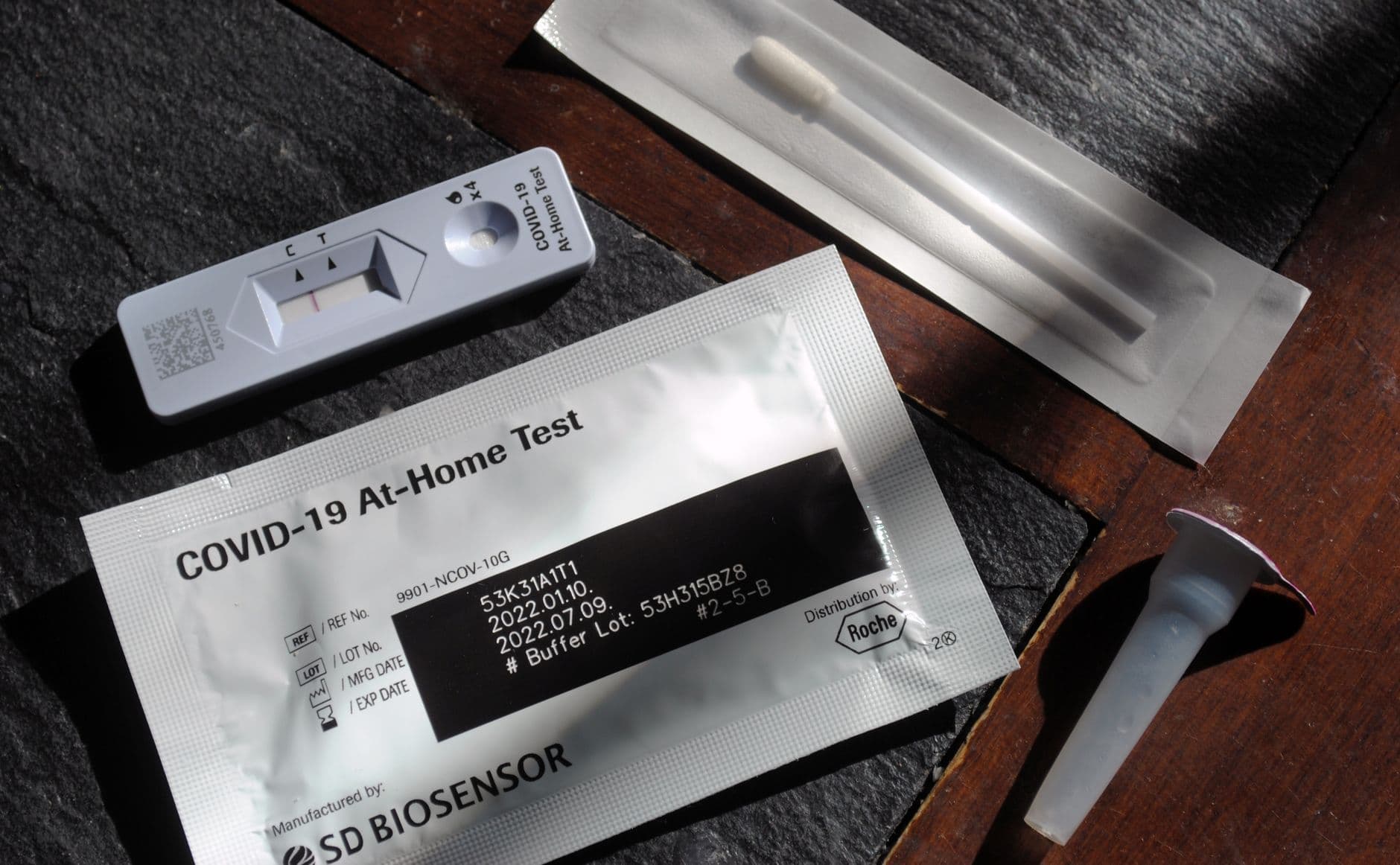
The wave is real and nearly nationwide, but the virus isn't scarier than it was six months ago. As of August 19, CDC's epidemic-trend estimates show COVID growing or likely growing in 47 states, and wastewater levels are roughly double what they were in July. Two Omicron descendants dominate: XFG (Stratus) and NB.1.8.1 (Nimbus). A third, BA.3.2 (Cicada), is a WHO variant under monitoring with heavy spike mutation and has turned up across many states, though it hasn't shown a sustained growth advantage. What decides how this plays out for you isn't which variant you catch. It's what you do at symptom onset, and what your immune system already has on file.
Why the wave is happening now
Stratus and Nimbus aren't intrinsically more transmissible. They spread because they slip past the antibodies most of us already have. In lab work on adults vaccinated with the KP.2 shot, both evade serum neutralization more than the previous LP.8.1.1 and XEC lineages. That's an incremental step in Omicron's drift, not a jump, and WHO rates the added global risk from Stratus as low. The summer bump is antigenic drift meeting a population whose last shot or infection is months old.
What it feels like
Symptoms track the broader Omicron pattern, not something new. Sore throat is often the leading feature and can be hoarse or razor-sharp in the first day or two. Then cough, fever, fatigue, runny nose, headache. Loss of smell and taste is less common than in earlier waves. Neither Stratus nor Nimbus has been tied to more severe disease, and no distinct symptom fingerprint has been established for either one.
Long COVID risk has come down too. After Omicron infection in vaccinated adults, cumulative incidence at one year is about 3.5 per 100, versus roughly 10 per 100 in unvaccinated pre-Delta infections. Lower. Not zero.
The two tools that change outcomes
Paxlovid, started early. In vaccinated adults during Omicron, meta-analyses put the reduction in hospitalization at roughly 40 to 60% and death at 60 to 80%, with the biggest benefit in adults 65 and older. In the Israeli Omicron surge, hospitalization fell about 73% and death about 79% in the 65-plus group, with no detectable benefit in the 40-to-64 group. That's where the age cutoff earns its keep: a high-leverage move for the older or higher-risk person, a much weaker case for a healthy 45-year-old with a sore throat. The window is short. A positive test on day one or two unlocks it; a positive test on day five usually doesn't.
The current 2025-2026 booster. The LP.8.1-adapted shot sits in the same JN.1 lineage as last season's JN.1 and KP.2 boosters, which is where the strongest clinical effectiveness data live. In a Danish cohort of adults 65 and older, the JN.1-adapted BNT162b2 booster cut COVID hospitalization by about 70% and death by about 76%, with no waning through four months. US estimates from the IVY and VISION networks agree on strong protection against the worst outcomes, with about 79% protection against mechanical ventilation or death in the IVY analysis. Neutralization data show the current shot covers Stratus, Nimbus, and related JN.1 descendants.
Stratus, Nimbus, Cicada, and the tools at a glance
| Item | Key feature | What it means for you |
|---|---|---|
| Stratus (XFG) | Dominant US variant; grew by evading antibodies, not by spreading faster | Omicron-like symptoms, no signal of worse severity |
| Nimbus (NB.1.8.1) | Peaked in early summer, still circulating; more neutralization escape than earlier JN.1 descendants | Omicron-like symptoms, no signal of worse severity |
| Cicada (BA.3.2) | Variant under monitoring; heavy spike mutation, no sustained growth advantage yet | Too early to characterize severity or a distinct symptom profile |
| Current LP.8.1 booster | About 70% protection against hospitalization and 76 to 96% against death in adults 65+ | Available now, still covers Stratus and Nimbus |
| Paxlovid | Cuts hospitalization about 40 to 60% and death 60 to 80% in vaccinated Omicron; strongest at 65+ | Only helps if started within the first few days of symptoms |
| XFG-matched 2026-2027 vaccine | FDA advisers voted 8 to 1 in May 2026 to recommend a monovalent JN.1-lineage XFG formula | Not yet shipping; the current LP.8.1 booster is what's available |
Why waiting for the XFG-matched shot isn't a good trade
FDA has narrowed eligibility for the current booster to adults 65 and older or people 6 months to 64 with a high-risk condition, and CDC frames vaccination for everyone else as an individual decision with a clinician. If you're eligible and haven't had the LP.8.1 booster, getting it now buys real protection you can bank for months. The XFG-matched formula may be a slightly better match to Stratus when it arrives, but the biggest jump in protection is going from unboosted to boosted, not from one JN.1-lineage shot to a closer one.
If you're testing at home, test early. A positive rapid test in the first couple of days is what makes Paxlovid an option; a delayed test usually closes that door. What would change this call is a head-to-head trial showing the XFG-matched vaccine is meaningfully better than the current one against circulating strains, or direct clinical data that Stratus, Nimbus, or Cicada causes worse disease. Neither exists today.