
Mumps at SDSU: Should You Get a Third MMR Shot?
If you're a close contact of a mumps case at SDSU, or on any campus where public health has declared an outbreak and is offering boosters, take the third MMR shot. It's free, well tolerated, and cuts your short-term risk by about three quarters. Your two childhood doses are still doing their main job, keeping breakthrough cases mild. What they're no longer reliably doing is blocking infection. The mumps part of MMR fades faster than the measles and rubella parts, and most undergraduates got their second dose around kindergarten.


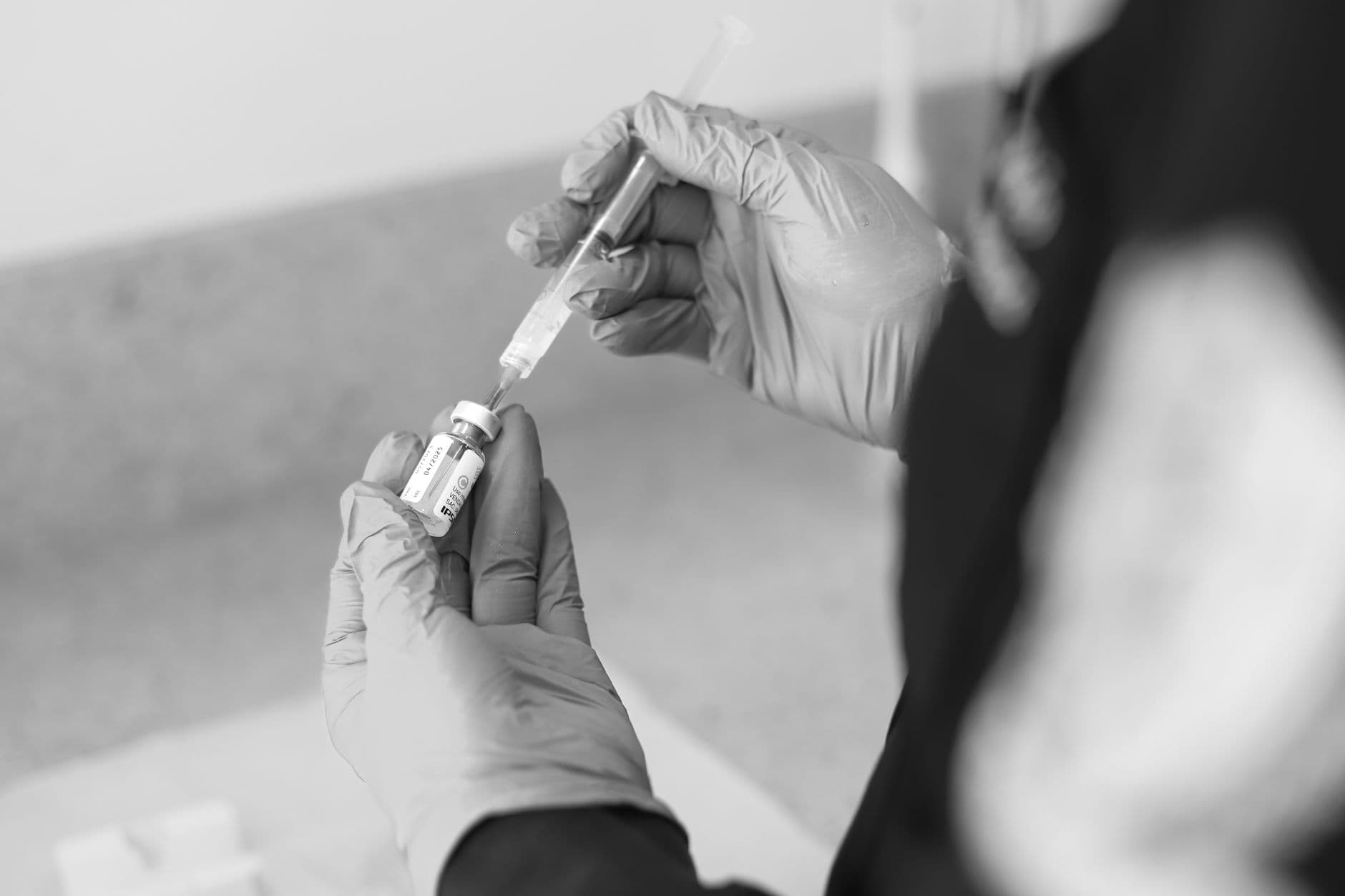
By September 30, San Diego State had 14 confirmed and 1 probable mumps case, concentrated in the football team, with earliest symptoms on September 6. All of them had the two MMR doses California requires. That's not a surprise. About four in five large US mumps outbreaks over the past fifteen years have hit college campuses, and most of those cases had already been vaccinated twice. San Diego County is running a free booster clinic at the Calpulli Center for students identified as close contacts. That shot is the one intervention that moves the odds during an active cluster.
A football team is where the virus thrives
Mumps moves through close-range droplets, so a locker room and shared housing give it everything it needs. A person is contagious from two days before parotid swelling through five days after, and up to a fifth of infections stay asymptomatic while still shedding virus.
The campus pattern is consistent. A 2016 outbreak at the University of Iowa reached 301 students; 86% had two doses and 12% had already received three. An Indiana cluster across four universities ran about 85% two-dose. Two doses are keeping cases from being severe. They aren't reliably blocking infection.
Your kindergarten shots have been fading
The mumps part of MMR raises neutralizing antibodies, and those antibodies drop roughly 7% to 10% per year after dose two. A 14-year cohort in Wales found two-dose protection against mumps infection ran about 94% within the first five years and about 50% after fifteen. At Iowa, protection in students whose second dose was more than thirteen years earlier fell to about 32%, with an uncertainty range that reached no benefit at all. That's the exact profile of today's undergraduates: dose two at age 4 to 6, now 18 to 22. Attack rates in Iowa tracked the same curve, climbing from under 2 per 1,000 in recently vaccinated students to roughly 18 per 1,000 in those vaccinated 16 to 23 years earlier.
The complication side is better news. Two doses still blunt the parts of mumps you most want to avoid. Vaccinated men who catch mumps get orchitis in about 4% to 12% of cases, versus 15% to 30% or more without vaccination. Symptomatic aseptic meningitis stays under 2% and is usually self-limited. Pancreatitis and sensorineural hearing loss remain well below 1%. Vaccinated people who do catch mumps shed less virus, land in the hospital less often, and recover faster.
What a third dose actually buys
During the Iowa outbreak, students took a third MMR dose at campus clinics. Attack rates ran 6.7 per 1,000 in three-dose recipients versus 14.5 per 1,000 in two-dose. After adjusting for time since dose two, the third dose cut mumps risk by about 78% in the following weeks. A village outbreak in New York showed a similar three-quarters drop.
The antibody boost is real but temporary. Titers rise sharply at one month, stay elevated at a year, and drift back toward baseline over one to three years. That's why ACIP has recommended the extra dose since 2017 only for people public health identifies as at increased risk during an active outbreak, not as a universal adult booster. Side effects track the vaccine's usual profile: a sore arm in about a quarter of recipients, a headache in roughly one in eight, mild joint aches in about one in ten, usually gone in a day or two. No serious events showed up in the Iowa cohort. The main contraindication is pregnancy.
| Outcome | With your two childhood doses | What a third dose adds in an outbreak |
|---|---|---|
| Catching mumps, dose two within 5 years | About 94% protection | Little room to improve |
| Catching mumps, dose two 13+ years ago | About 32% to 50% protection | Roughly 78% short-term risk cut |
| Orchitis, meningitis, hospitalization | Strongly reduced; breakthrough cases are milder | Little incremental gain |
When it's worth taking
If you're an SDSU football player, a close contact of a confirmed case, or on any campus where public health is actively offering boosters to an identified at-risk group, take the shot. It's free, safe, and meaningfully lowers your short-term odds in the window that matters. If you're a vaccinated adult outside such a group, the data don't support a routine third dose. Your childhood shots are still doing the serious-complication work, and the antibody bump from a booster fades within a few years.
Watch for parotid swelling on one or both sides, fever, headache, earache, or testicular pain. Incubation runs 12 to 25 days, so symptoms can show up weeks after an exposure. If swelling starts, isolate for five days from that point. About half of mumps infections present with only nonspecific symptoms, which is one reason outbreaks keep spreading before anyone notices.
The SDSU story isn't a vaccine failure. It's an immunity curve bending down in exactly the environment the virus was built to exploit: close contact, dense housing, decades past the last shot. Your childhood doses are still doing the job that matters most, keeping breakthrough cases mild. The one thing that measurably moves your personal odds during an active cluster is the targeted third dose the health department is already offering.