 Instalab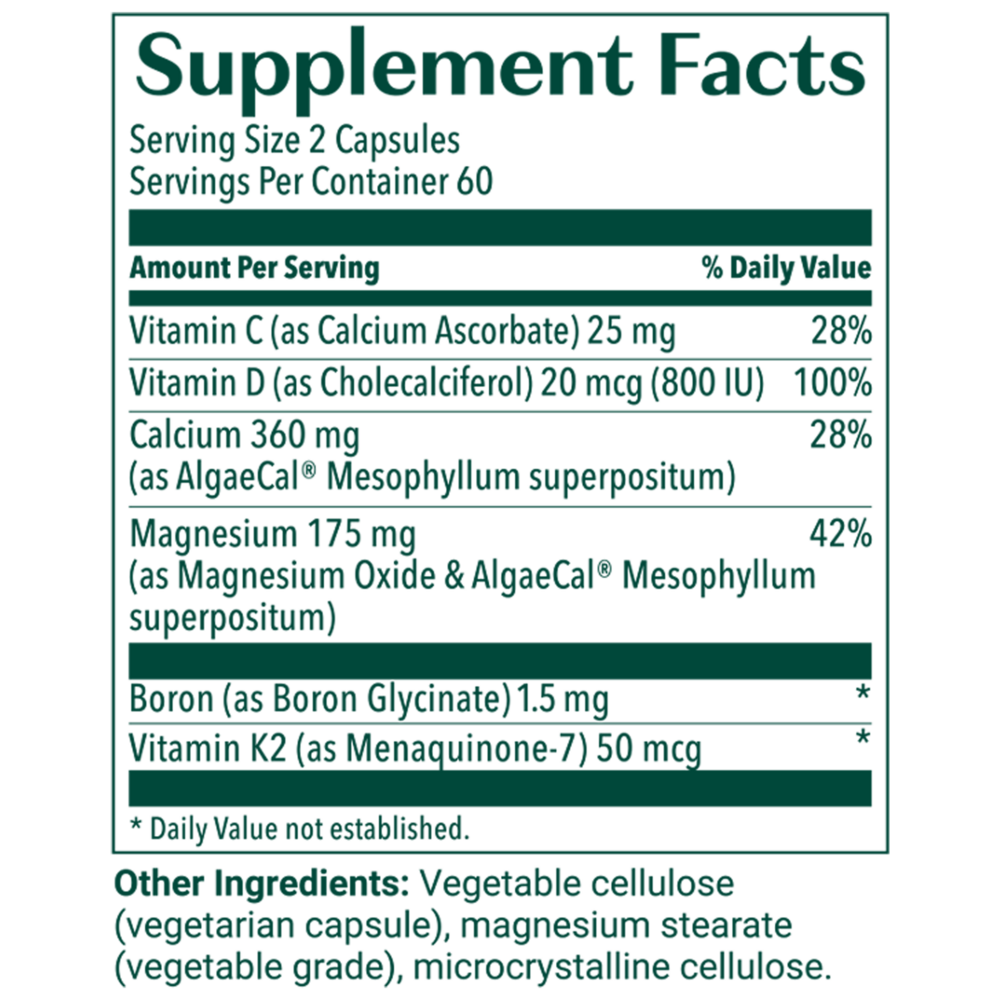


AlgaeCal Inc.
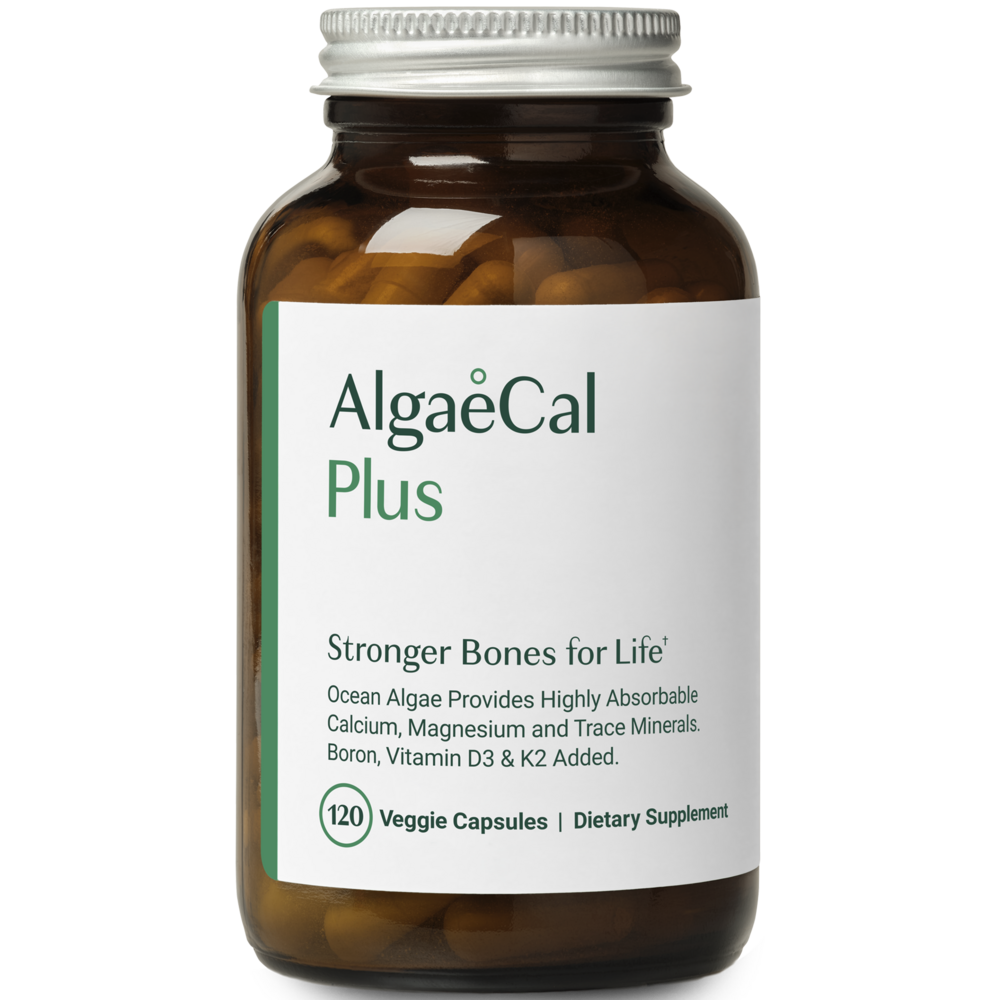
AlgaeCal Plus by AlgaeCal Inc.
120 capsules · 60-day supply
Comprehensive Bone Support with Calcium, Vitamin D, and Magnesium$81.99
Purchase options
Practitioner-grade brand3rd-party testedFree shipping $50+
Vegetarian
AlgaeCal Inc. AlgaeCal Plus overview
If your DEXA scan (the X-ray test for bone density) shows osteopenia, or you are postmenopausal with low dietary calcium, this calcium supplement for bone density is a practical fit. It also suits adults avoiding dairy, long-term steroid users, and those whose Vitamin D, 25-Hydroxy is in the lower range. The formula pairs calcium with vitamin D3, vitamin K2, magnesium, boron, and vitamin C, which is the combination most clinicians reach for when food alone is not closing the gap.
Algae-derived calcium delivers calcium with a natural trace-mineral matrix, which many patients find gentler than chalky salts. Vitamin D3 improves calcium absorption from the gut and helps lower parathyroid hormone (the signal that pulls calcium from bone). Vitamin K2 activates osteocalcin (the protein that locks calcium into bone) and matrix Gla protein (which helps keep calcium out of arteries). Magnesium supports bone matrix formation, boron helps the body use vitamin D, and vitamin C supports collagen in bone.
Take two capsules with breakfast and two with dinner, with food as directed. Splitting calcium improves absorption and reduces stomach upset. Keep a 2–4 hour gap from iron, levothyroxine, and certain antibiotics to avoid binding in the gut. Most people reassess with a DEXA scan yearly and recheck Vitamin D, 25-Hydroxy within 8–12 weeks. If your calcium intake from food is already high, discuss whether you need the full daily amount.
Skip or get clinician guidance if you have a history of high calcium, recurrent kidney stones, primary hyperparathyroidism, sarcoidosis, or advanced chronic kidney disease. Vitamin K2 can interfere with warfarin; do not combine without medical supervision. Separate calcium by at least two hours from tetracycline or fluoroquinolone antibiotics and morning thyroid medication. Thiazide diuretics can raise blood calcium, so periodic blood calcium and PTH checks are sensible if you use them.
Frequently asked questions
Does algae calcium actually improve bone density?
It can help when combined with vitamin D3, vitamin K2, magnesium, and adequate protein. Expect changes on a DEXA scan over 6–12 months, not weeks. Results depend on baseline diet, activity, hormones, and adherence.
Is algae calcium better absorbed than calcium carbonate?
Absorption varies person to person. Many find algae-derived calcium gentler on the stomach, and it brings trace minerals. The key drivers of absorption are taking it with food and having adequate vitamin D3.
How long does it take for calcium and vitamin D to work?
Vitamin D status improves within 4–12 weeks. Bone density changes are slower, typically assessed at 6–12 months. Consistent dosing and resistance exercise matter as much as the supplement choice.
Can I take this calcium with magnesium at the same time?
Yes, this formula includes both. Split dosing with meals improves tolerance. If you get loose stools, move one dose to a different meal or reduce other supplemental magnesium sources.
Does vitamin K2 interfere with blood thinners like warfarin?
Yes. Vitamin K2 affects clotting factors and can change warfarin dosing. Do not use K2 with warfarin unless your prescriber is actively monitoring and adjusting therapy.
Will calcium cause constipation or bloating?
It can. Taking doses with meals, staying hydrated, adding fiber, and ensuring magnesium intake usually fixes it. If symptoms persist, reduce the single-dose size or discuss alternatives with your clinician.
Can men take a calcium and K2 supplement?
Yes. Men with low dietary calcium or osteopenia on DEXA can benefit, especially if Vitamin D, 25-Hydroxy is low. Lifestyle factors like resistance training and protein are equally important.
Which labs should I monitor while taking calcium?
Check Vitamin D, 25-Hydroxy after 8–12 weeks, and consider periodic serum calcium and parathyroid hormone to ensure you are not overshooting. Your clinician may also track bone turnover markers.
How to take it & ingredients
Suggested use: Take 2 capsules twice daily with meals, for a total of 4 capsules per day, or as directed by your physician.
Active ingredients
2 capsules per serving · 60 servings
Vitamin C
Calcium Ascorbate
Calcium Ascorbate
25 mg
Vitamin D
Cholecalciferol
Cholecalciferol
800 IU, 20 mcg
Calcium
AlgaeCal Lithothamnion superpositum
AlgaeCal Lithothamnion superpositum
360 mg
Magnesium
Magnesium Oxide and AlgaeCal Lithothamnion superpositum
Magnesium Oxide and AlgaeCal Lithothamnion superpositum
175 mg
Boron
Boron Glycinate
Boron Glycinate
1.5 mg
Vitamin K2
Menaquinone-7
Menaquinone-7
50 mcg
Other ingredients: Vegetable cellulose (capsule), Magnesium stearate (vegetable grade), Microcrystalline cellulose
Certifications
Benefits
Warnings
Customers also considered
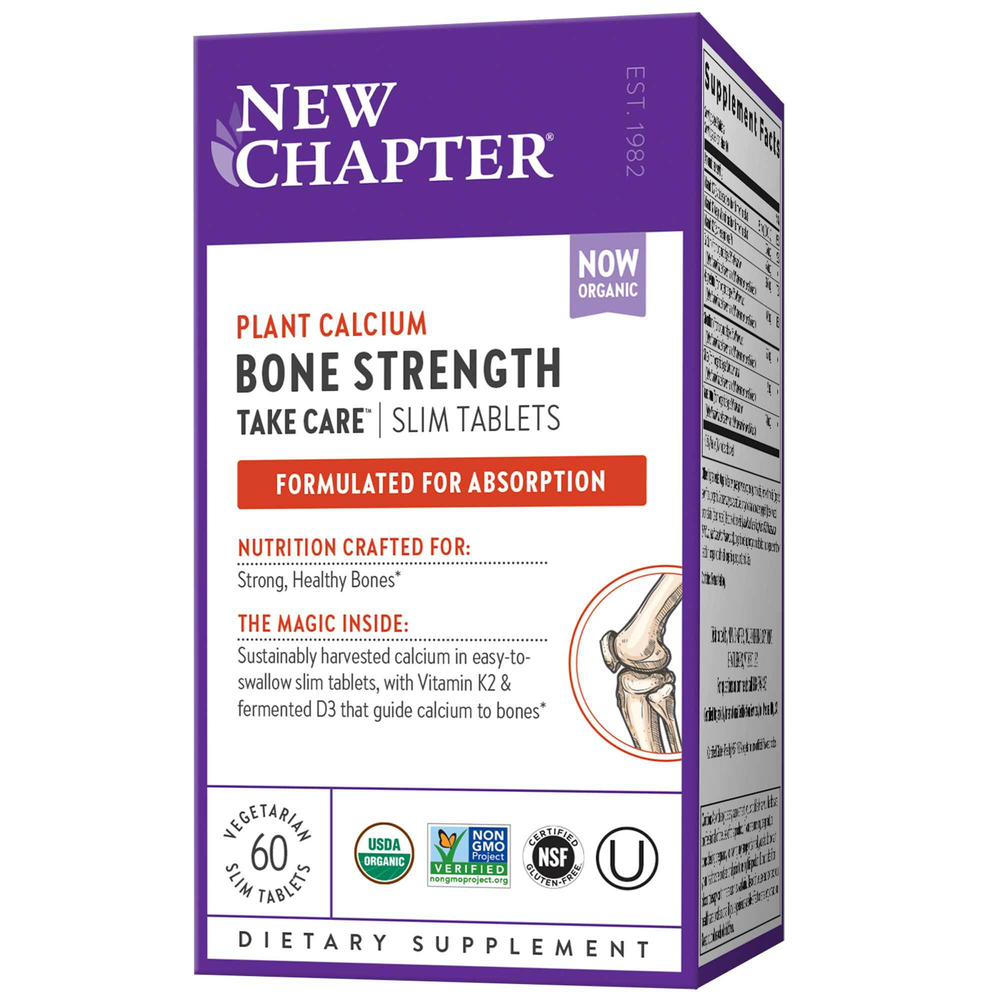
Bone Strength Take Care
New Chapter
60 tablets
$40.99Save 20% with Subscribe & Save
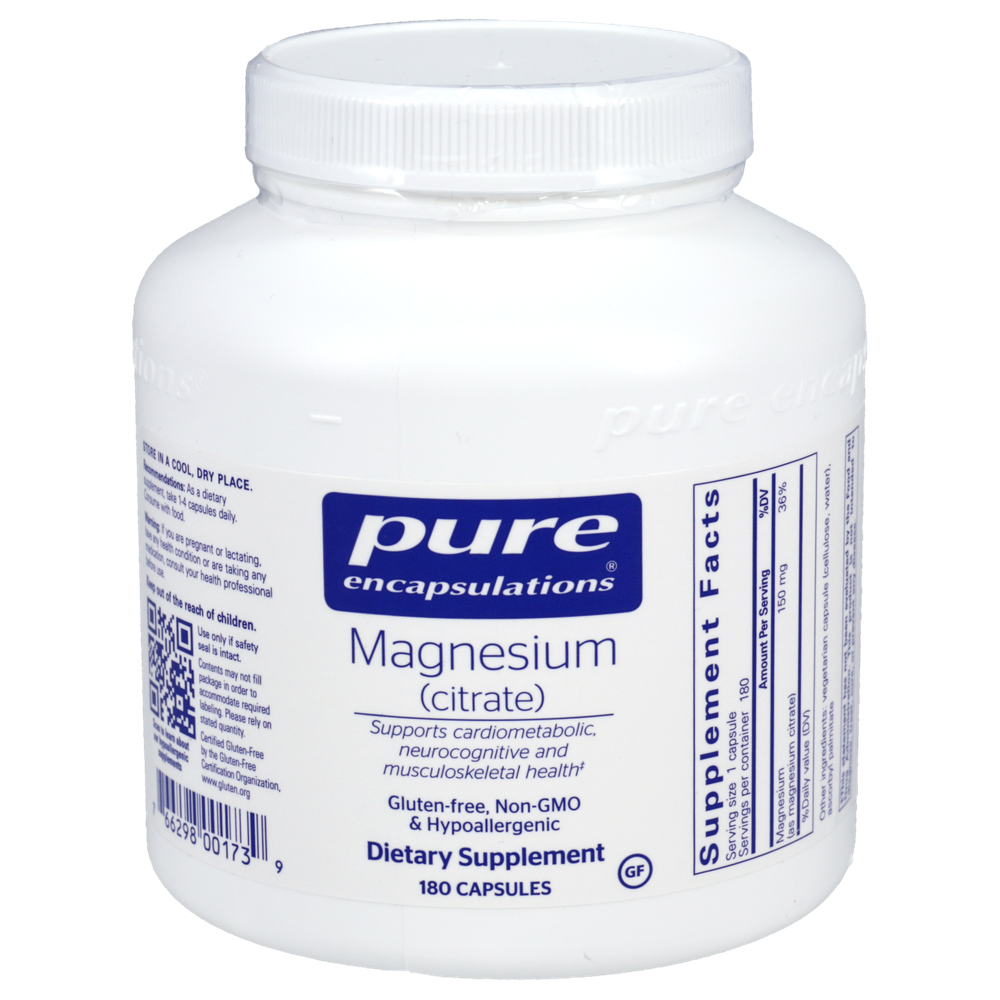
Magnesium Citrate
Pure Encapsulations
180 capsules
$34.50Save 19% with Subscribe & Save
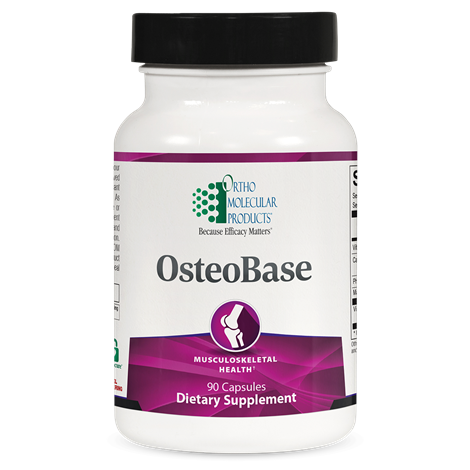
OsteoBase
Ortho Molecular Products
90 capsules
$39.68Save 10% with Subscribe & Save
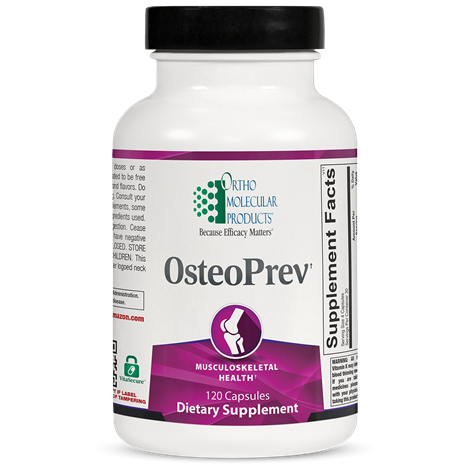
OsteoPrev®
Ortho Molecular Products
120 capsules
$86.19Save 10% with Subscribe & Save