 Instalab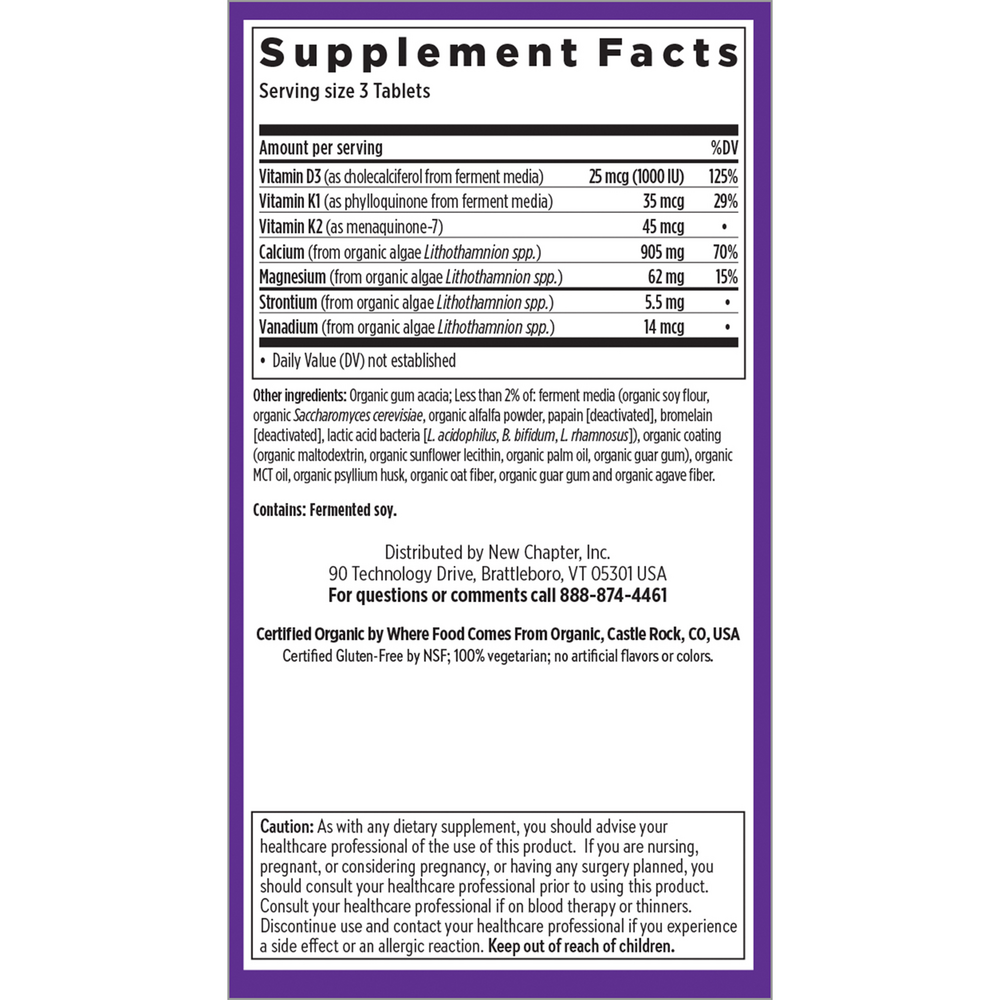

New Chapter
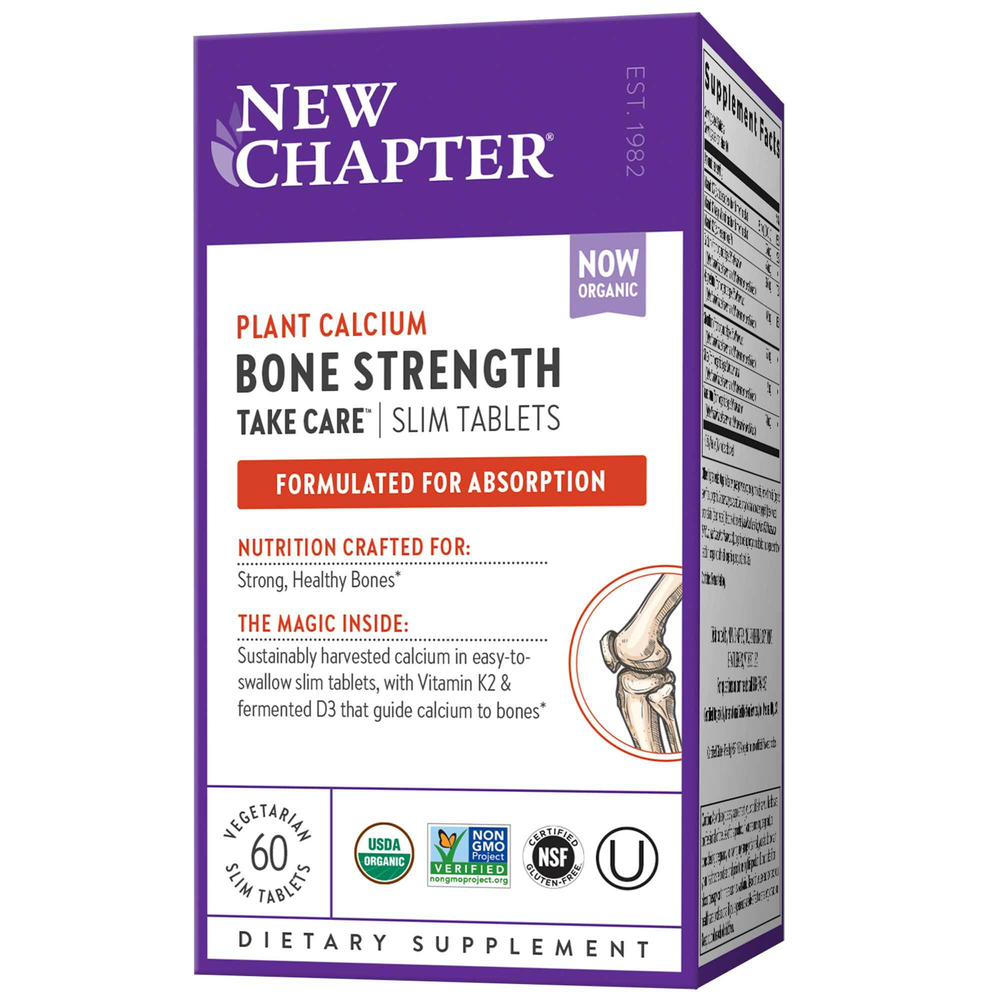
Bone Strength Take Care by New Chapter
60 tablets · 20-day supply
Comprehensive Bone Support with Calcium, Vitamin D, and Magnesium$40.99
Purchase options
Practitioner-grade brand3rd-party testedFree shipping $50+
Vegetarian·Kosher·Gluten Free·Artificial Color Free·Artificial Flavor Free
New Chapter Bone Strength Take Care overview
If your diet is light on dairy or calcium-rich plants, algae calcium can cover the gap. This formula fits post‑menopausal women, adults on acid-suppressing meds who absorb minerals poorly, and people with low Vitamin D, 25-Hydroxy. It also suits those with osteopenia on a DEXA scan, or on steroids that thin bone. If your usual intake already meets your needs, you may not need the full three-tablet dose.
Calcium from red marine algae comes with a natural matrix of magnesium and trace minerals, which is gentle on the stomach and well absorbed when taken with meals. Vitamin D3 (the form your skin makes) raises calcium absorption from the gut. Vitamin K2 MK‑7 and K1 activate osteocalcin (a bone-building protein), helping direct calcium into bone instead of soft tissues. Small amounts of strontium and silica are included; the strontium here is far below drug doses that can inflate DEXA readings.
Take three tablets daily with food, ideally split with two meals to improve absorption and reduce constipation. If you consume meaningful dietary calcium, one to two tablets is a reasonable maintenance approach. Expect changes in bone markers like P1NP or CTX (lab tests of bone turnover) within 8–12 weeks, while DEXA changes are typically evaluated over 6–12 months. Stay hydrated and keep fiber up if you’re prone to constipation.
Space calcium at least 4 hours from levothyroxine, and 2–6 hours from tetracycline or quinolone antibiotics and from bisphosphonates; it blocks their absorption. Vitamin K1 and K2 interact with warfarin (a blood thinner), so avoid or coordinate closely with your prescriber. Thiazide diuretics can raise calcium; monitor if you use them. Take calcium with meals if you have a history of calcium‑oxalate stones, and discuss the best form with your clinician.
Avoid high-dose calcium if you have high blood calcium, severe kidney disease, sarcoidosis, or recurrent unexplained kidney stones. If your hs-CRP is elevated, correct lifestyle drivers first rather than chasing bone health with supplements alone. For those with adequate dietary calcium and a normal DEXA, prioritize Vitamin D, 25-Hydroxy repletion and resistance training before adding more calcium.
Frequently asked questions
Is algae calcium better than calcium carbonate or citrate?
Algae calcium is well tolerated and provides trace minerals, but head‑to‑head data are limited. Citrate absorbs well even with low stomach acid. The best choice is the one you’ll take with meals consistently while meeting your total daily calcium target.
How long until calcium helps bone density?
Bone density changes are slow; plan on 6–12 months before a new DEXA scan. Bone turnover labs like CTX or P1NP can shift within 8–12 weeks when calcium, vitamin D3, and training are on point.
Can I take all three calcium tablets at once?
You can, but splitting the dose with meals improves absorption and reduces GI side effects. Two tablets with one meal and one with another meal is a practical split.
Does calcium cause constipation or stomach upset?
It can. Taking doses with meals, splitting across the day, staying hydrated, and getting enough fiber usually fixes it. If constipation persists, reduce the dose or discuss alternatives with your clinician.
Is this safe with warfarin or other blood thinners?
Not with warfarin. The vitamin K1 and K2 can counteract its effect. Do not start without prescriber oversight. Non–vitamin K anticoagulants are less affected, but still inform your clinician.
Should I still take this if I eat a lot of dairy?
If your dietary calcium is already robust, you may only need one tablet for insurance or none at all. Check your Vitamin D, 25-Hydroxy and discuss your total intake with your clinician.
What time of day should I take calcium?
Take it with meals, morning or evening. Avoid taking it with thyroid medication, antibiotics, or bisphosphonates; separate by the recommended window so those drugs absorb properly.
Does vitamin K2 help put calcium in bones?
Yes. K2 activates osteocalcin, a protein that helps bind calcium in bone. MK‑7 has a longer half‑life, so once‑daily dosing maintains steadier activation than K1 alone.
How to take it & ingredients
Suggested use: Take three tablets daily with food.
Active ingredients
3 tablets per serving · 20 servings
Vitamin D3
Cholecalciferol from ferment media
Cholecalciferol from ferment media
25 mcg, 1000 IU
Vitamin K1
Phylloquinone from ferment media
Phylloquinone from ferment media
35 mcg
Vitamin K2
Menaquinone-7
Menaquinone-7
45 mcg
Organic Algae Lithothamnion
Lithothamnion calcareum and Lithothamnion corallioides
Lithothamnion calcareum and Lithothamnion corallioides
974.51 mg
Calcium
From organic algae Lithothamnion
From organic algae Lithothamnion
905 mg
Magnesium
From organic algae Lithothamnion
From organic algae Lithothamnion
62 mg
Strontium
From organic algae Lithothamnion
From organic algae Lithothamnion
5.5 mg
Silica
From organic algae Lithothamnion
From organic algae Lithothamnion
2 mg
Vanadium
From organic algae Lithothamnion
From organic algae Lithothamnion
14 mcg
Other ingredients: Organic barley grass powder, Organic gum acacia, Ferment media (organic soy flour, organic Saccharomyces cerevisiae, organic alfalfa powder, papain (deactivated), bromelain (deactivated), Lactobacillus acidophilus, Bifidobacterium bifidum, Lactobacillus rhamnosus), Organic coating (organic maltodextrin, organic sunflower lecithin, organic palm oil, organic guar gum), Silica
Certifications
Benefits
Warnings
Customers also considered
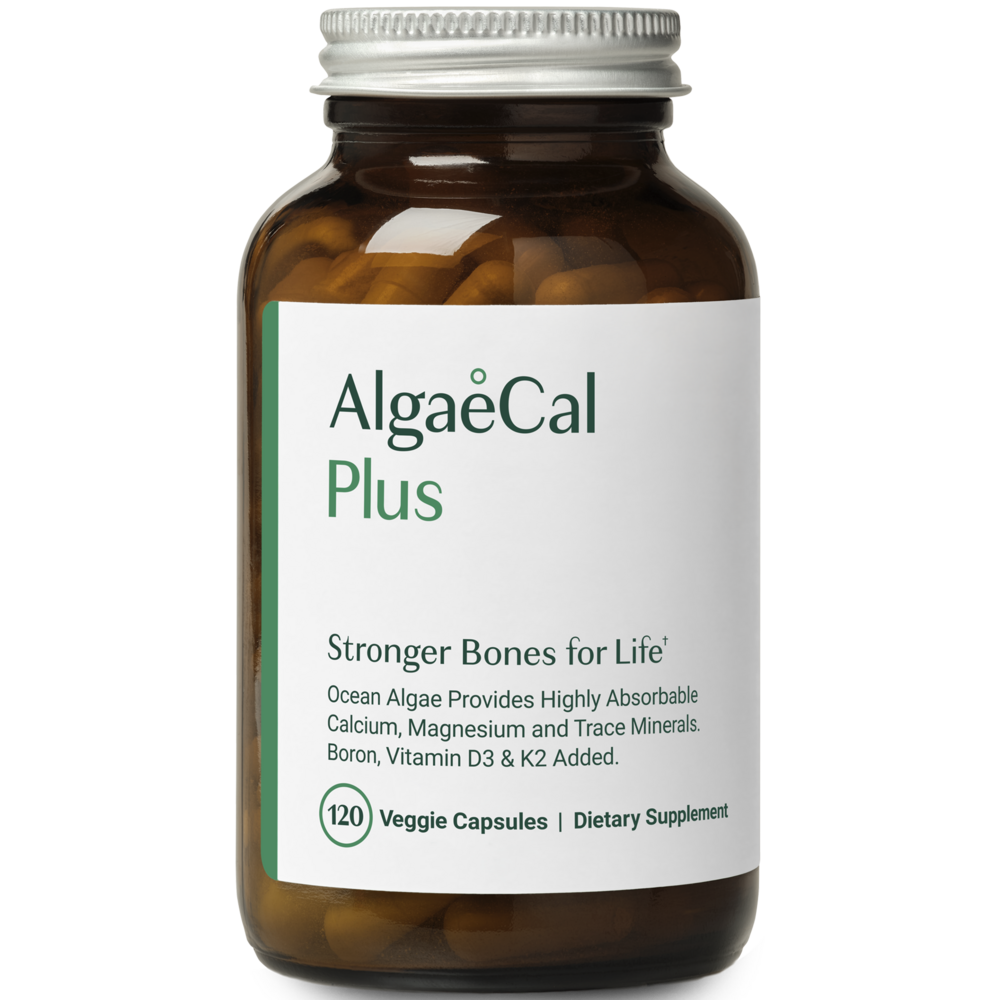
AlgaeCal Plus
AlgaeCal Inc.
120 capsules
$81.99$65.99 with Subscribe & Save
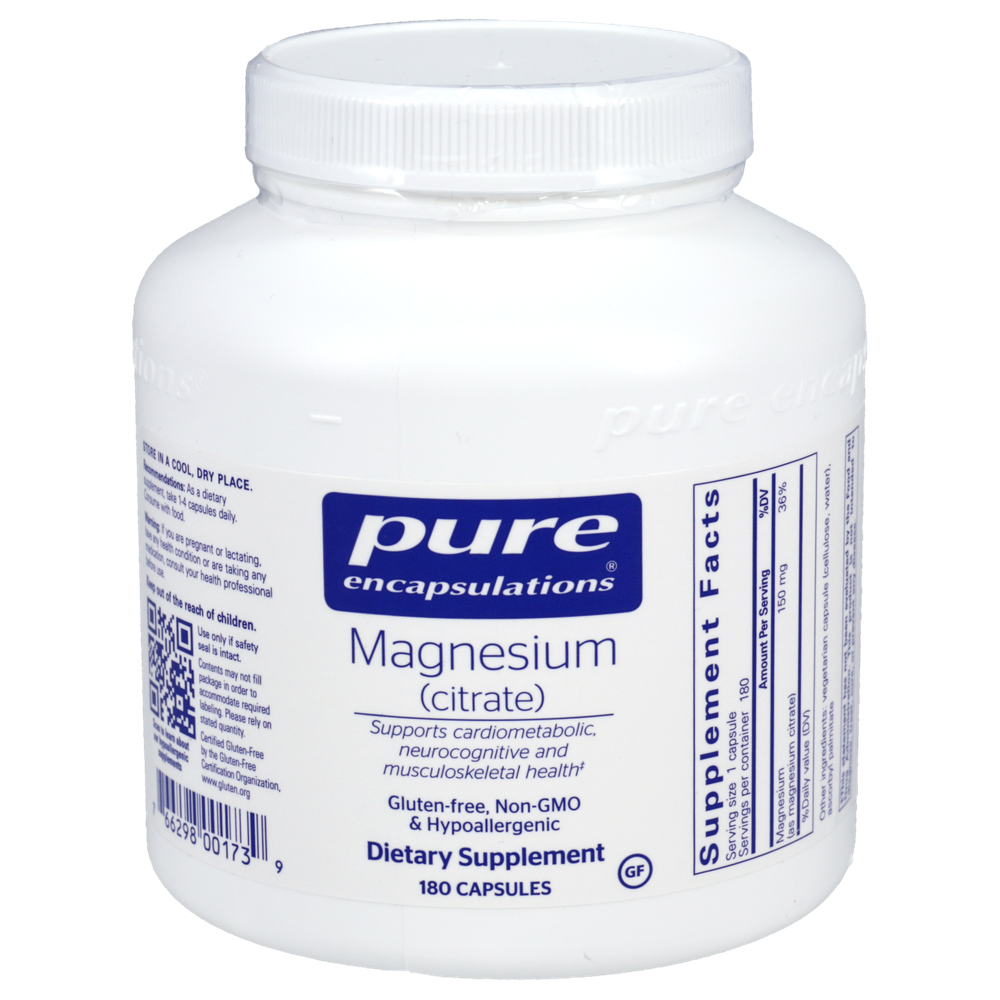
Magnesium Citrate
Pure Encapsulations
180 capsules
$34.50$27.99 with Subscribe & Save
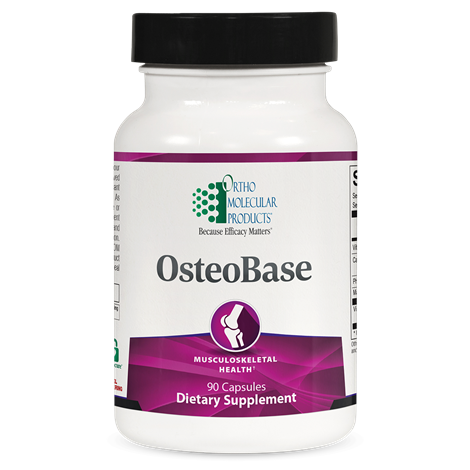
OsteoBase
Ortho Molecular Products
90 capsules
$39.68$35.75 with Subscribe & Save
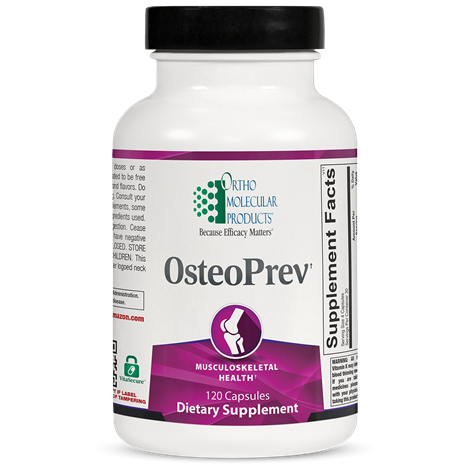
OsteoPrev®
Ortho Molecular Products
120 capsules
$86.19$77.65 with Subscribe & Save