 Instalab
Urolithin A
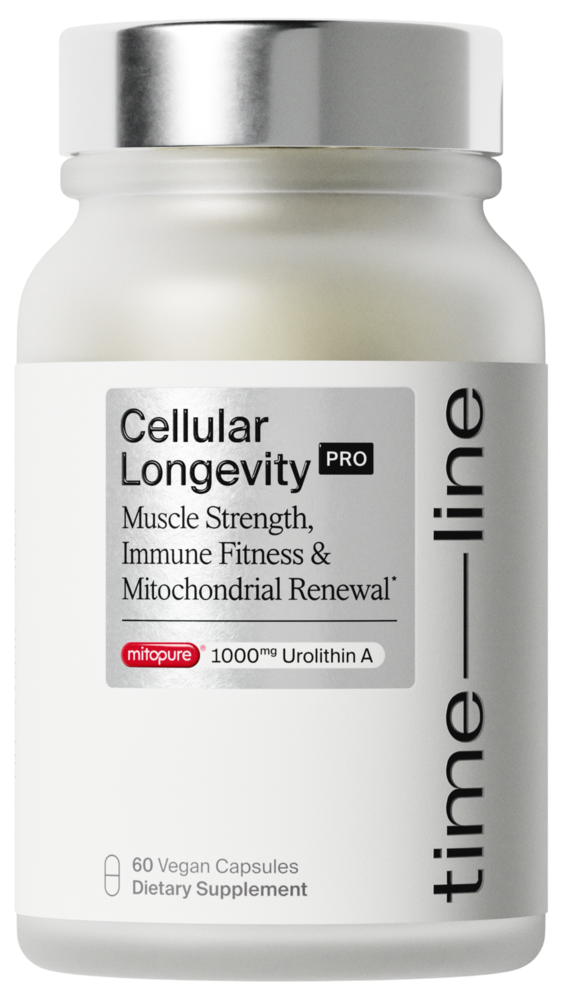
Urolithin A supports mitochondrial renewal (mitophagy) and muscle function.
Our vetting standard
Every urolithin a formula here clears the same bar.
- Clinically studied, effective doses
- Bioavailable, well-absorbed forms
- Practitioner-grade, trusted brands
- Third-party tested for identity and potency
See if it's actually working
Trials measured muscle strength and endurance rather than a blood marker, so grip strength is the honest primary readout at three months, with training capacity alongside it.
Urolithin A FAQs
What is urolithin A?
Urolithin A is a metabolite produced by gut bacteria from ellagic acid (found in pomegranates, walnuts, berries). It activates mitophagy — the cellular recycling of damaged mitochondria — supporting mitochondrial function, muscle endurance, and cellular health.
Why supplement urolithin A directly?
Only about 40% of people produce urolithin A from food precursors due to differences in gut microbiome. Direct supplementation bypasses this variability and provides a standardized dose that has shown benefits for muscle endurance and mitochondrial markers in trials.
How much urolithin A should I take?
500 mg/day, the dose used in clinical studies showing improved mitochondrial function and muscle endurance. Effects build over 8–16 weeks. Take with food.
Urolithin A vs. NAD precursors — which is better?
They target different mitochondrial mechanisms. Urolithin A drives mitophagy (recycling damaged mitochondria); NAD precursors (NMN, NR) support mitochondrial energy production via NAD+ levels. Some longevity protocols use both — they're complementary, not redundant.
Can I just eat pomegranates instead?
Only if your gut microbiome converts ellagic acid to urolithin A — and only about 40% of people do, in variable amounts. Even good converters would need to eat pomegranates daily to match supplemental doses. Direct supplementation is far more reliable.
What benefits will I notice?
Subtle improvements in muscle endurance, exercise recovery, and energy after 8–16 weeks. Many effects are biomarker-level (mitochondrial function tests) rather than dramatically felt. Best paired with strength training for measurable strength gains.
Is urolithin A safe?
Yes — clinical trials up to 1,000 mg/day for 4 months show no significant adverse effects. It's been granted GRAS status in the US. Limited long-term data; pregnancy and breastfeeding safety unstudied.
Should I cycle urolithin A?
Most studies use continuous dosing, and there's no evidence of tolerance. Cycling isn't required. Some people take it during periods of high training stress and pause during off-seasons, but daily use is well-tolerated.
What is mitophagy and why does it matter?
Mitophagy is the cellular process of removing damaged mitochondria. Damaged mitochondria are inefficient energy producers and increase oxidative stress. Mitophagy declines with age — urolithin A reactivates this pathway, supporting cellular and muscle health.