 Instalab
Codeage
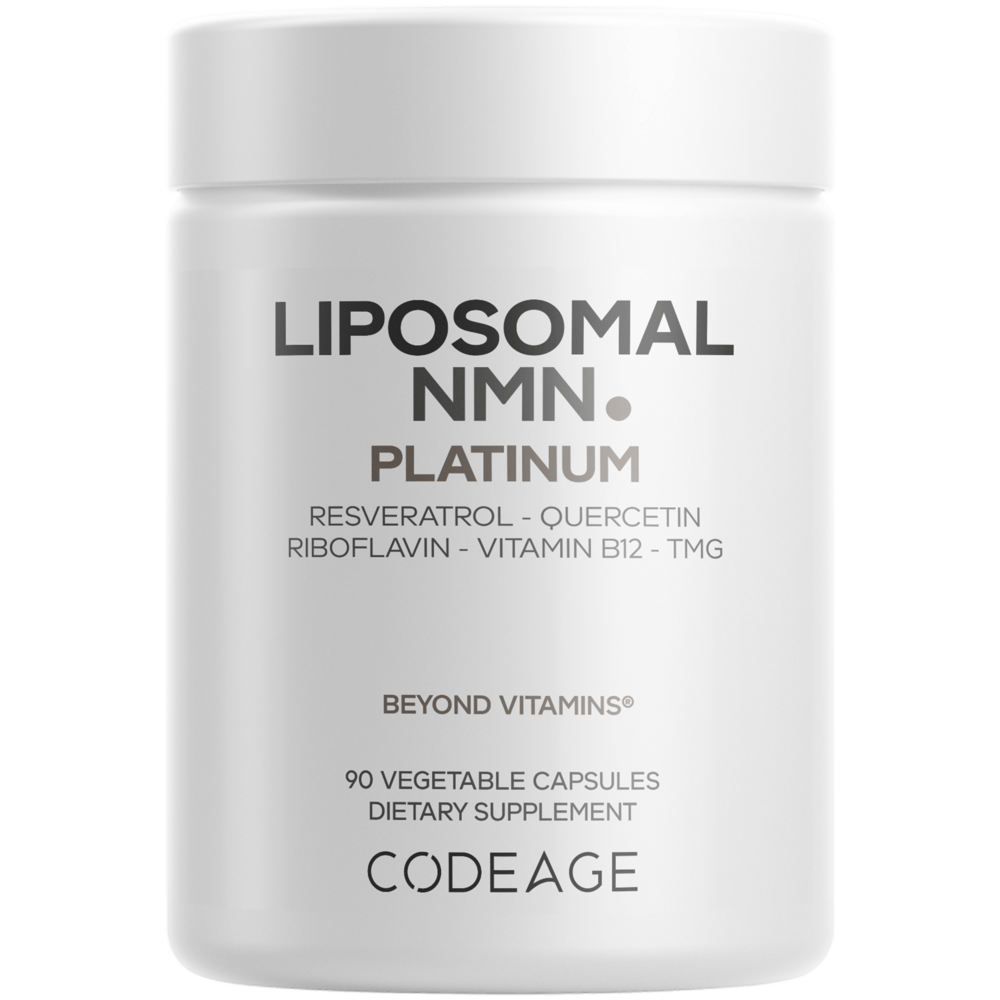
Liposomal NMN Platinum by Codeage
90 capsules · 30-day supply
Advanced Liposomal NMN for Cellular Energy and Healthy Aging$79.99
This item is currently out of stockGet notified when this item is back in stock
Practitioner-grade brand3rd-party testedFree shipping $50+
Vegan·Vegetarian·Gluten Free·Soy Free·Dairy Free
Codeage Liposomal NMN Platinum overview
This is for adults curious about raising NAD+ (the coenzyme that powers cellular energy reactions) without megadosing niacin. It fits people in their 30s–60s noticing flagging daytime energy or recovery and those tracking metabolic labs like fasting glucose, HbA1c, and triglycerides. If you already have robust energy and excellent sleep, effects are subtler. For established B12 deficiency, correct your Vitamin B12 first; the 250 mcg here is maintenance-level, not repletion.
NMN (nicotinamide mononucleotide) is a direct precursor your cells convert to NAD+, supporting mitochondrial ATP production and enzymes involved in DNA repair (PARPs) and cellular housekeeping (sirtuins, proteins that regulate repair and metabolism). Trans-resveratrol nudges sirtuin activity, while quercetin helps with cellular stress signaling and has modest effects on hs-CRP (a systemic inflammation marker) in some responders. Betaine (trimethylglycine) donates methyl groups, buffering the nicotinamide byproduct so methylation, the body’s chemical on/off switch for genes and detox, isn’t overtaxed.
Take the three-capsule serving in the morning with food; resveratrol and quercetin absorb better with a meal, and early dosing avoids occasional sleep disruption from B12 or increased alertness. New users can start with one capsule for a week, then step up. Subjective energy changes often show within 1–2 weeks; metabolic shifts on labs such as fasting glucose or hs-CRP are better assessed after 8–12 weeks. Stay hydrated, especially if you’re caffeine-forward.
Quercetin can interact with common drugs by affecting drug-transport proteins and liver enzymes; use caution with cyclosporine, tacrolimus, calcium channel blockers, and many statins—separate by several hours and ask your clinician. Resveratrol and quercetin have mild antiplatelet effects, so avoid stacking with blood thinners like warfarin, apixaban, or high-dose fish oil before procedures. Pregnancy and breastfeeding: skip due to limited safety data. Active cancer care or complex liver disease warrants clinician guidance first. Regulatory status for NMN is evolving in the U.S.
Frequently asked questions
Does NMN actually raise NAD+ in humans?
Small human studies show NMN increases blood NAD+ or related metabolites, with downstream benefits like improved muscle insulin sensitivity in select groups. Effects vary by dose, age, and baseline status. It’s not a substitute for sleep, diet, or exercise.
How long does NMN take to work?
Cellular NAD+ can rise within hours, but most people judge benefits by energy, focus, or training recovery over 1–2 weeks. Recheck objective markers like fasting glucose, HbA1c, or hs-CRP after 8–12 weeks of steady use.
Is NMN safe to take long term?
Short- to mid-term human trials report good tolerance at doses in this range. Long-term data are limited. Monitor how you feel, sleep quality, and basic labs (liver enzymes ALT/AST, fasting glucose) every few months if you plan ongoing use.
Can I take NMN with metformin or statins?
Often yes, but review with your clinician. Quercetin and resveratrol can affect drug metabolism and transport. If you use statins, calcium channel blockers, or immunosuppressants, space dosing and confirm with your prescriber.
Does NMN keep you awake if taken at night?
It can for some, likely from alertness and the B12 content. Take it in the morning or early afternoon. If you’re sensitive, avoid dosing within 8 hours of bedtime.
Should I cycle NMN or take it daily?
Daily use is typical in studies. Some users take 1–2 days off weekly to assess baseline energy. If you notice diminishing returns, a short break of 1–2 weeks can help you recalibrate.
Is quercetin safe with antibiotics?
Avoid taking quercetin near fluoroquinolone antibiotics (like ciprofloxacin) and separate by several hours from other antibiotics due to absorption and enzyme interactions. When on antibiotics, clear any supplement stack with your clinician.
Is NMN legal as a supplement?
The FDA has questioned NMN’s supplement status, and the regulatory landscape is evolving. Many products remain available. If this matters to you, discuss alternatives like nicotinamide riboside with your clinician.
How to take it & ingredients
Suggested use: Take 3 capsules daily with 8 ounces of water or your favorite beverage, with or without food.
Active ingredients
3 capsules per serving · 30 servings
NMN
Beta-Nicotinamide Mononucleotide
Beta-Nicotinamide Mononucleotide
500 mg
Quercetin
From Japanese sophora concentrate (flower bud)
From Japanese sophora concentrate (flower bud)
250 mg
Trans-Resveratrol
From Japanese knotweed root
From Japanese knotweed root
150 mg
Riboflavin
Riboflavin-5-Phosphate
Riboflavin-5-Phosphate
1 mg
Vitamin B12
Methylcobalamin
Methylcobalamin
250 mcg
Betaine Anhydrous
Trimethylglycine
Trimethylglycine
85 mg
Other ingredients: Methylcellulose capsule, Non-GMO sunflower oil containing phosphatidylcholine (liposomal delivery matrix)
Certifications
Benefits
Warnings