 Instalab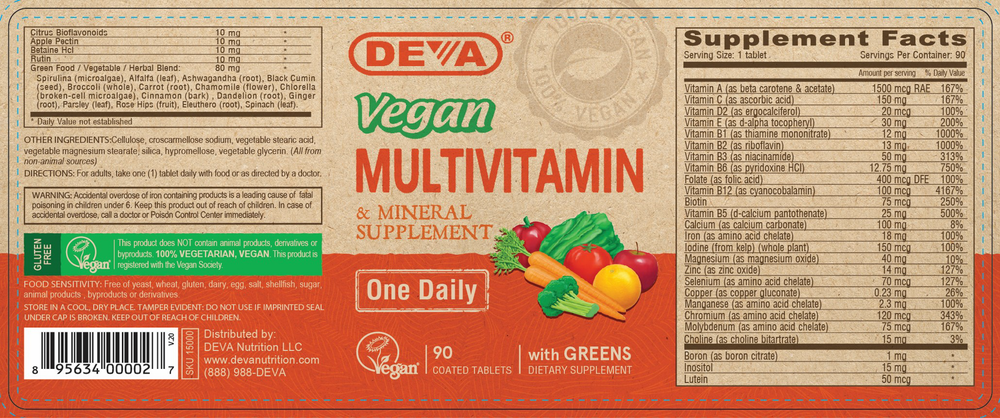
DEVA
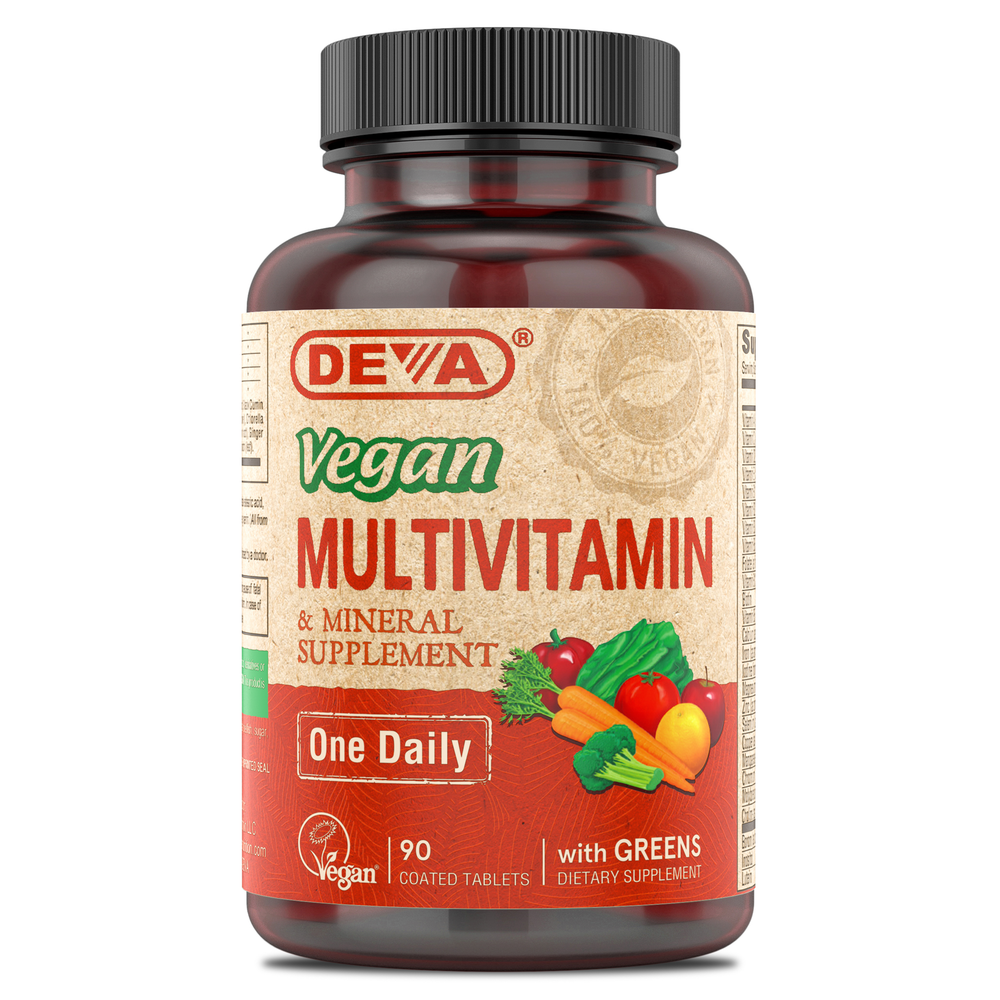
Vegan Multivitamin by DEVA
90 tablets · 90-day supply
Comprehensive Vegan Multivitamin for Daily Nutritional Support$12.99
This item is currently out of stockGet notified when this item is back in stock
Practitioner-grade brand3rd-party testedFree shipping $50+
Vegan·Gluten Free·Dairy Free·Egg Free·Wheat Free·Yeast Free·
DEVA Vegan Multivitamin overview
If you follow a vegan or mostly plant‑based diet, a vegan multivitamin is a practical backstop for nutrients that are harder to get from plants. This formula suits vegans, vegetarians, and anyone eating a limited or low‑calorie menu who wants coverage for B12, iodine, zinc, and iron. It’s also a fit if your Vitamin D, 25‑Hydroxy (the blood test that reflects vitamin D status) or Vitamin B12 are in the lower range, or if your Ferritin (iron storage protein) trends low from heavy periods. Men and post‑menopausal adults with normal or high Ferritin usually do better with an iron‑free multivitamin.
This multivitamin uses cyanocobalamin (a stable, well‑studied B12 form) at 100 mcg to reliably raise B12 in vegans, and includes 18 mg iron for those who lose iron with menstruation. Iodine from kelp (150 mcg) supports thyroid hormone production. It provides vitamin D2 at 20 mcg; D2 works, but D3 from lichen generally raises Vitamin D, 25‑Hydroxy more efficiently, so add a D3 if your level is low. Minerals are present at modest doses—calcium carbonate 100 mg and magnesium oxide 40 mg—meant as a safety net, not as full repletion.
Take one tablet daily with food, ideally a meal that contains some fat to improve absorption of vitamins A, D, and E. If iron upsets your stomach, take it with the largest meal or at bedtime with a small snack. Separate it by at least two hours from coffee or tea, which can reduce iron uptake, and from any larger calcium or magnesium supplements that compete with iron. Recheck Vitamin B12, Methylmalonic Acid (a functional B12 marker), Ferritin, and Vitamin D, 25‑Hydroxy after 8–12 weeks to gauge response.
Space this multivitamin at least four hours away from levothyroxine for thyroid, and two to six hours from antibiotics like tetracyclines or fluoroquinolones, since iron and minerals bind them. Proton pump inhibitors and metformin can impair B12 absorption—this formula helps, but lab follow‑up matters. If you have hemochromatosis, chronically high Ferritin, or liver disease, choose an iron‑free multivitamin. Not a prenatal: it contains preformed vitamin A (retinyl acetate), so pregnant people should use a true prenatal and follow clinician guidance. Thyroid disease warrants caution with kelp‑derived iodine; monitor TSH (the pituitary signal that drives thyroid hormone production).
Frequently asked questions
Do vegans need a multivitamin or just B12?
B12 is non‑negotiable for vegans, but a multivitamin also covers iodine, zinc, and iron, which are common gaps. If your labs are consistently solid on a B12‑only plan, you can skip the multi, but most vegan eaters benefit from broader coverage.
Is vitamin D2 in a vegan multivitamin as good as D3?
D2 raises vitamin D, but D3 generally raises Vitamin D, 25‑Hydroxy more per microgram. If your level is low, add a separate vegan D3 (lichen‑sourced) and retest in 8–12 weeks; keep the multivitamin for other nutrients.
Will this multivitamin improve energy?
If fatigue is driven by low B12, iron deficiency, or low vitamin D, correcting those can improve energy within 4–12 weeks. If your labs are normal, don’t expect a stimulant effect—multivitamins fill gaps, they don’t act like caffeine.
Can I take a multivitamin with coffee?
It’s better to separate by two hours. Coffee and tea polyphenols reduce iron absorption, and calcium in dairy coffee drinks competes with several minerals. Take the multivitamin with a meal and have coffee later.
Is iron in a multivitamin safe for men?
Men and post‑menopausal adults often don’t need supplemental iron. If your Ferritin is normal or high, choose an iron‑free multivitamin. If Ferritin is low or you donate blood frequently, iron can be appropriate with lab monitoring.
Can I take this with levothyroxine?
Yes, but separate by at least four hours. Iron, calcium, and magnesium bind levothyroxine in the gut and blunt its absorption. Keep your thyroid pill on an empty stomach and take the multivitamin later with food.
How long until blood tests improve on a multivitamin?
Most see changes in Vitamin B12, Methylmalonic Acid, and Vitamin D, 25‑Hydroxy within 8–12 weeks. Ferritin rises more slowly, often over 8–16 weeks, depending on iron intake and ongoing blood loss.
How to take it & ingredients
Suggested use: For adults, take one tablet daily with food, or as directed by your health care provider.
Active ingredients
1 tablet per serving · 90 servings
Vitamin A
Beta Carotene & Acetate
Beta Carotene & Acetate
1500 mcg RAE
Vitamin C
Ascorbic Acid
Ascorbic Acid
150 mg
Vitamin D2
Ergocalciferol
Ergocalciferol
20 mcg, 800 IU
Vitamin E
D-Alpha Tocopheryl
D-Alpha Tocopheryl
30 mg, 27 IU
Vitamin B1
Thiamine Mononitrate
Thiamine Mononitrate
12 mg
Vitamin B2
Riboflavin
Riboflavin
13 mg
Vitamin B3
Niacinimide
Niacinimide
50 mg
Vitamin B6
Pyridoxine HCl
Pyridoxine HCl
12.75 mg
Folate
Folic Acid
Folic Acid
400 mcg DFE
Vitamin B12
Cyanocobalamin
Cyanocobalamin
100 mcg
Biotin
75 mcg
Pantothenic Acid
D-Calcium Pantothenate
D-Calcium Pantothenate
25 mg
Calcium
Calcium Carbonate
Calcium Carbonate
100 mg
Iron
Amino Acid Chelate
Amino Acid Chelate
18 mg
Iodine
Kelp (whole plant)
Kelp (whole plant)
150 mcg
Magnesium
Magnesium Oxide
Magnesium Oxide
40 mg
Zinc
Oxide
Oxide
14 mg
Selenium
Amino Acid Chelate
Amino Acid Chelate
70 mcg
Copper
Gluconate
Gluconate
0.23 mg
Chromium
Amino Acid Chelate
Amino Acid Chelate
120 mcg
Molybdenum
Amino Acid Chelate
Amino Acid Chelate
75 mcg
Boron
Citrate
Citrate
1 mg
Choline
Bitartrate
Bitartrate
15 mg
Inositol
15 mg
Lutein
0.05 mg
Citrus Bioflavonoids
10 mg
Apple Pectin
10 mg
Betaine HCl
10 mg
Rutin
10 mg
Green Food / Vegetable / Herbal Blend
80 mg
Other ingredients: Cellulose, Croscarmellose Sodium, Vegetable Stearic Acid, Vegetable Magnesium Stearate, Silica, Chlorophyll Coating
Certifications
Benefits
Warnings
Customers also considered
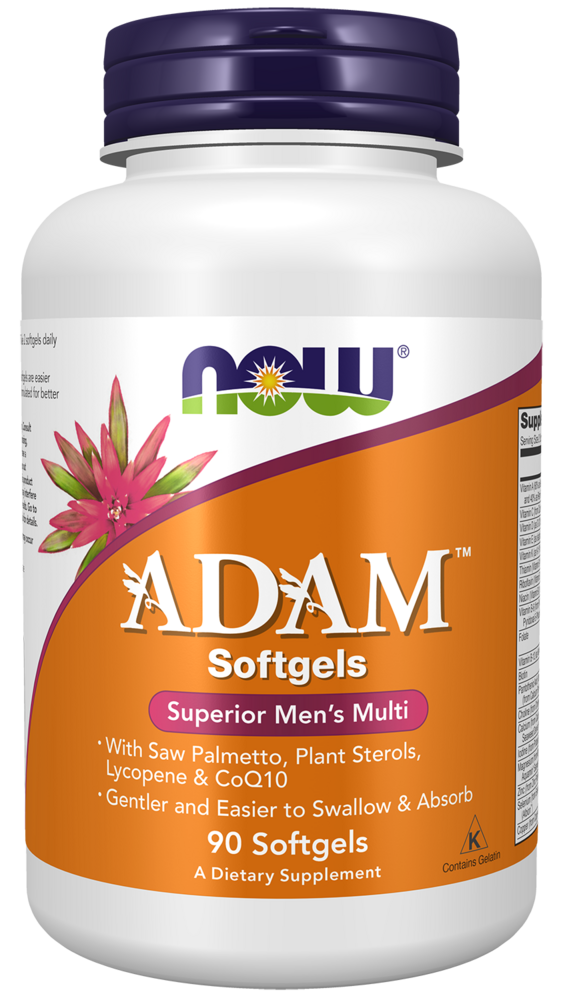
ADAM Superior Men's Multi
Now Foods
90 softgels
$39.99$31.99 with Subscribe & Save
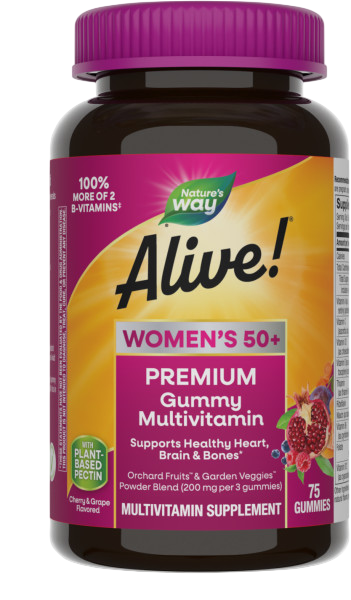
Alive Womens 50+ Premium Gummy Multi-Vitamin
Nature's Way
75 gummies
$22.99$17.99 with Subscribe & Save
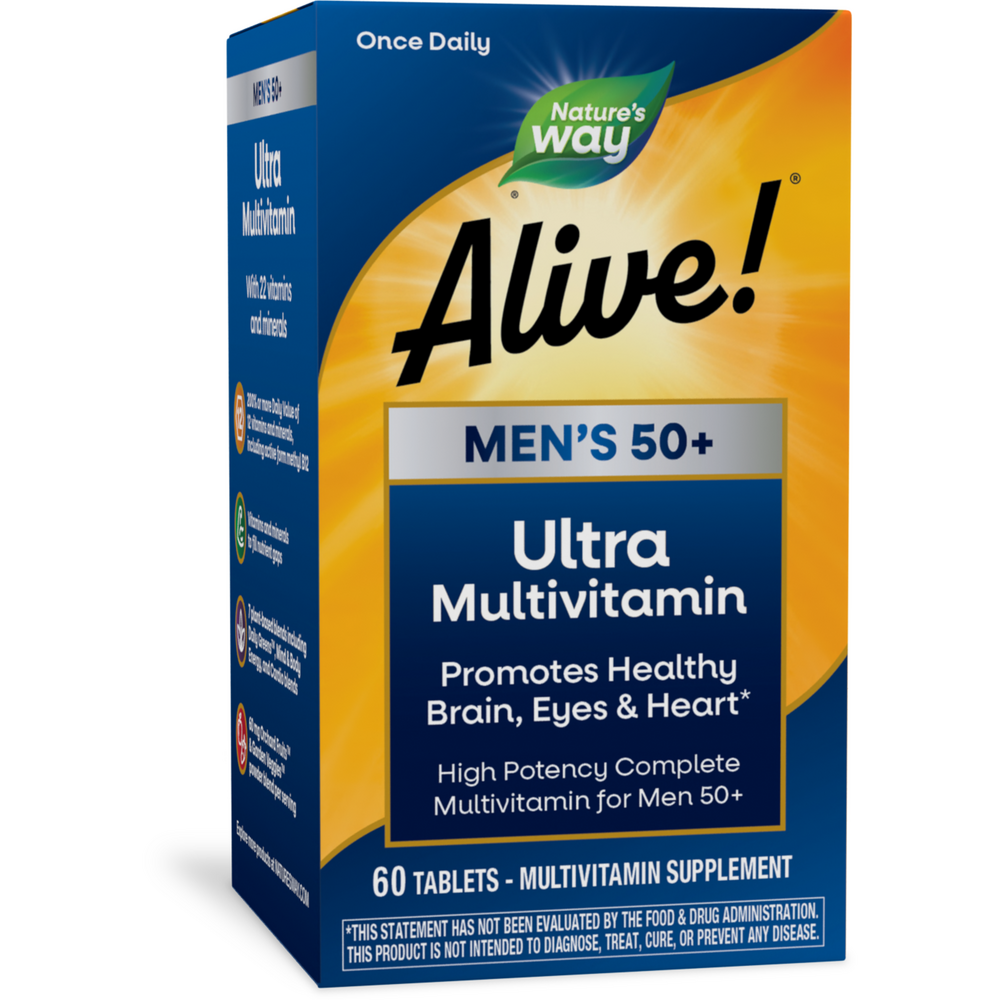
Alive! Men’s 50+ Ultra Potency
Nature’s Way
60 tablets
$29.99$23.99 with Subscribe & Save
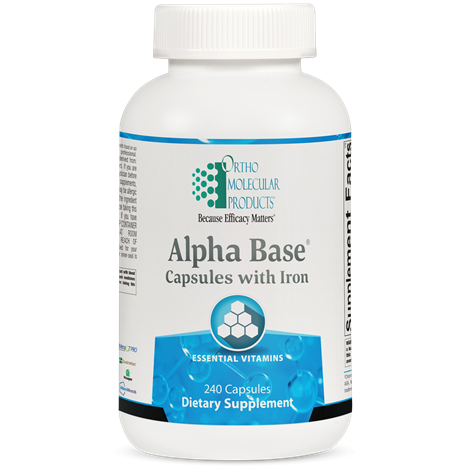
Alpha Base® Capsules with Iron
Ortho Molecular Products
240 capsules
$74.31$66.95 with Subscribe & Save