 Instalab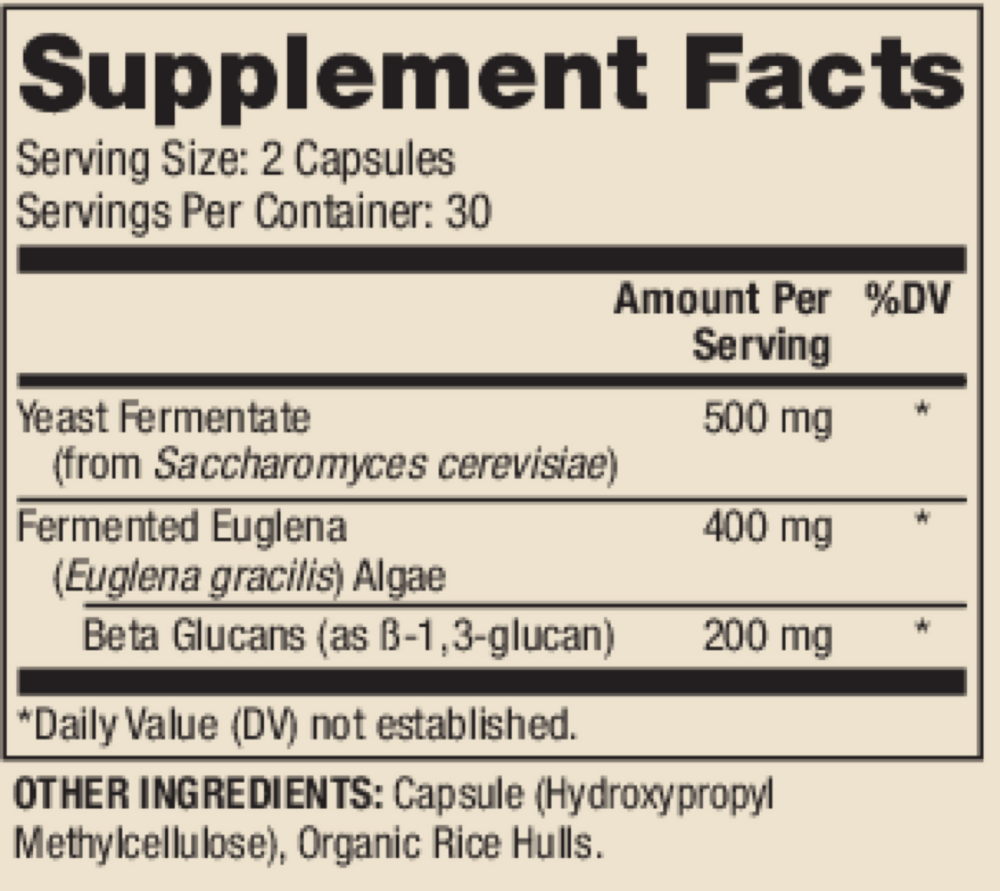
Dr. Mercola
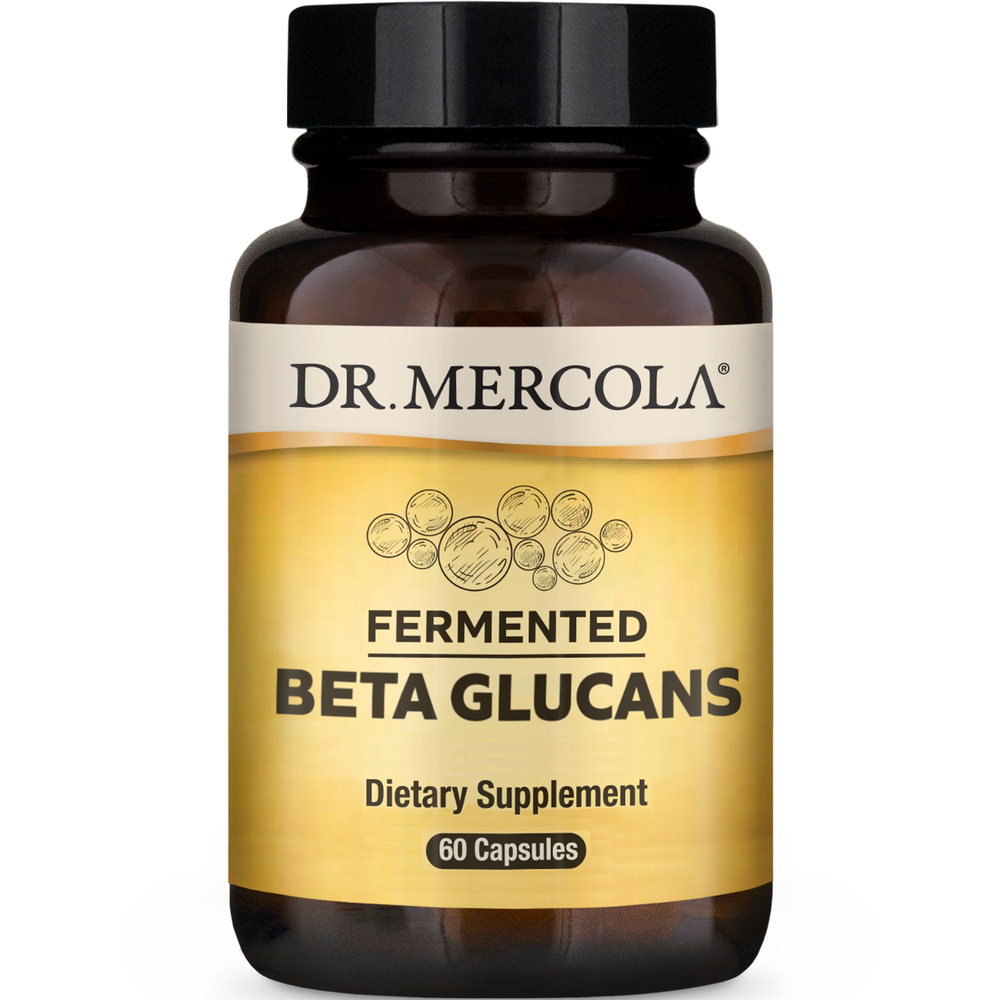
Fermented Beta Glucans by Dr. Mercola
60 capsules · 30-day supply
Supports Immune Function and Gut Health with Fermented Ingredients$31.99
Purchase options
Practitioner-grade brand3rd-party testedFree shipping $50+
Dr. Mercola Fermented Beta Glucans overview
Teachers, parents of daycare kids, frequent flyers, and endurance athletes are the classic use cases for a beta glucan supplement aimed at fewer colds. If you track Immunoglobulin A (IgA, your first-line antibody in saliva) and it’s low, priming innate immunity can help. This dose is for daily maintenance over a season; start before high‑exposure periods. If you’re after cholesterol lowering, that’s an oat/barley beta‑glucan story, not yeast or algae.
Yeast-derived 1,3/1,6 beta glucans and Euglena’s paramylon (a 1,3 beta glucan) engage dectin‑1 receptors on immune cells, which “primes” innate defenses. In trials, this shows up as higher salivary IgA, more active natural killer cells (the patrol cells that clear infected cells), and modest drops in hs-CRP (a general inflammation marker) in some users. Unlike oat beta glucan, these are not gel-forming fibers, so effects are immune, not cholesterol-lowering.
Take one to two capsules once daily, with or without food; sensitive stomachs usually prefer with food. Consistency matters more than timing. Most people judge effect over 4 to 12 weeks, so start before travel or race season. Pairing with vitamin D or zinc is common in winter, but they work by different mechanisms—don’t expect an immediate effect from day one.
If you’re on immunosuppressive therapy (organ transplant drugs, high‑dose steroids, or biologics for autoimmune disease), coordinate with your clinician before using immune‑active supplements. Allergy to yeast is a reason to avoid yeast-sourced ingredients. Pregnancy and breastfeeding: safety data are limited; use only with clinician guidance. This isn’t live yeast, so it doesn’t worsen Candida overgrowth.
Frequently asked questions
Does beta glucan really help prevent colds?
Evidence suggests yeast beta glucan modestly reduces the number and duration of upper respiratory infections in high‑exposure groups. Benefits are preventive, not a cure mid‑illness, and usually appear after several weeks of daily use.
How long does beta glucan take to work?
Plan on 4 to 12 weeks for measurable changes like fewer sick days or higher salivary IgA. Some athletes start noticing fewer post‑race colds after 2 to 4 weeks, but give it a season to judge.
What’s the difference between yeast beta glucan and oat beta glucan?
Yeast and Euglena provide 1,3/1,6 beta glucans that act on immune cells. Oats and barley provide 1,3/1,4 beta glucans that gel in the gut and lower LDL cholesterol. Choose by goal: immune priming vs. cholesterol reduction.
Can I take beta glucan with vitamin C, zinc, or vitamin D?
Yes, they act through different pathways and are often combined in winter. Avoid stacking many new products at once so you can tell what’s helping and monitor for stomach upset.
Is beta glucan safe with autoimmune disease or after transplant?
Use caution. Because beta glucans are immune‑active, coordinate with your rheumatologist or transplant team if you’re on biologics or other immunosuppressants. Don’t self‑adjust prescribed meds.
Will beta glucan upset my stomach?
Most tolerate it well. A minority report mild gas or nausea, especially on an empty stomach. Taking with food and hydrating helps. Stop if symptoms persist.
Is this a prebiotic fiber?
Not in the classic sense. Yeast/Euglena beta glucans are poorly fermentable, so they don’t feed gut bacteria like inulin does. Their primary action is on immune receptors, not microbiome fermentation.
Does beta glucan interact with antifungal medications?
No. These are purified polysaccharides, not live yeast, and don’t interfere with antifungal drugs. If you have a yeast allergy, avoid yeast‑sourced products regardless.
How to take it & ingredients
Suggested use: Adults take one to two capsules daily.
Active ingredients
2 capsules per serving · 30 servings
Yeast fermentate
Saccharomyces cerevisiae
Saccharomyces cerevisiae
500 mg
▼
Fermented Euglena
Euglena gracilis Algae
Euglena gracilis Algae
400 mg
Beta glucans
200 mg
Other ingredients: Hydroxypropyl methylcellulose (capsule), Organic rice hulls
Certifications
Benefits
Warnings