 Instalab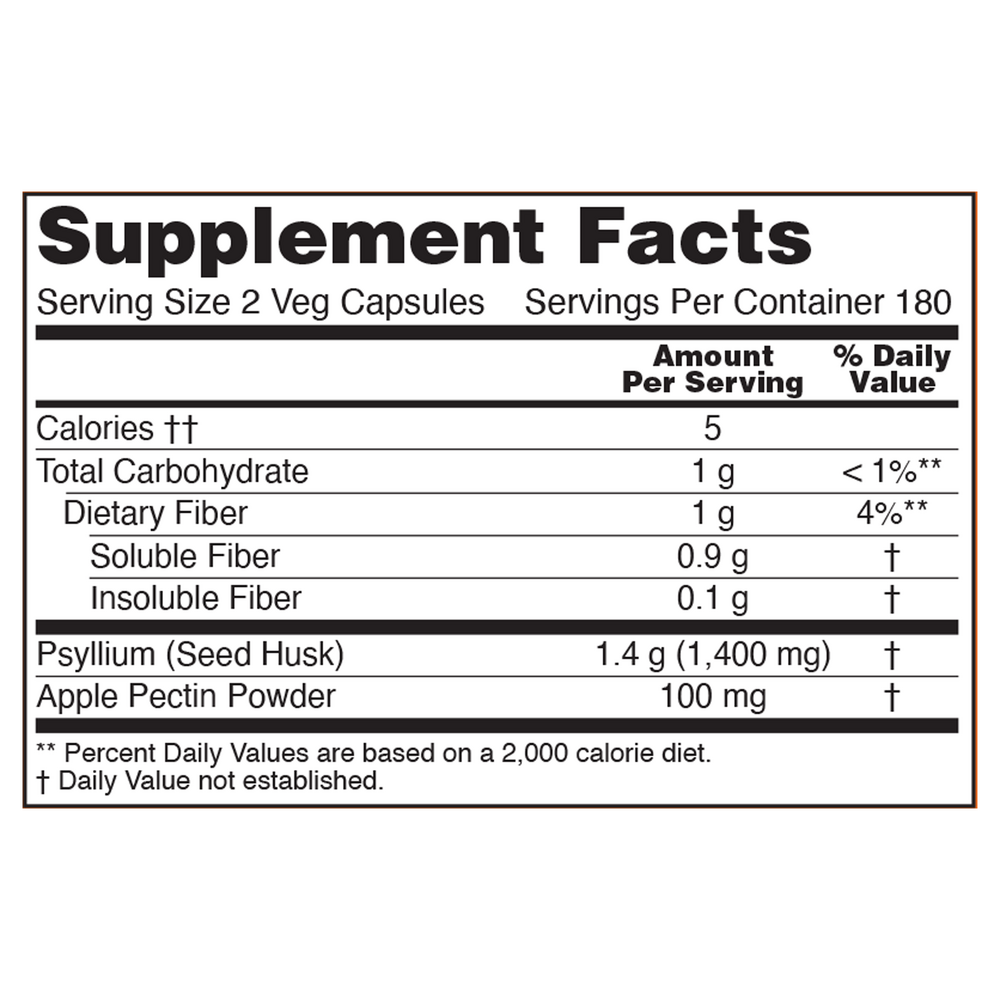


Now Foods
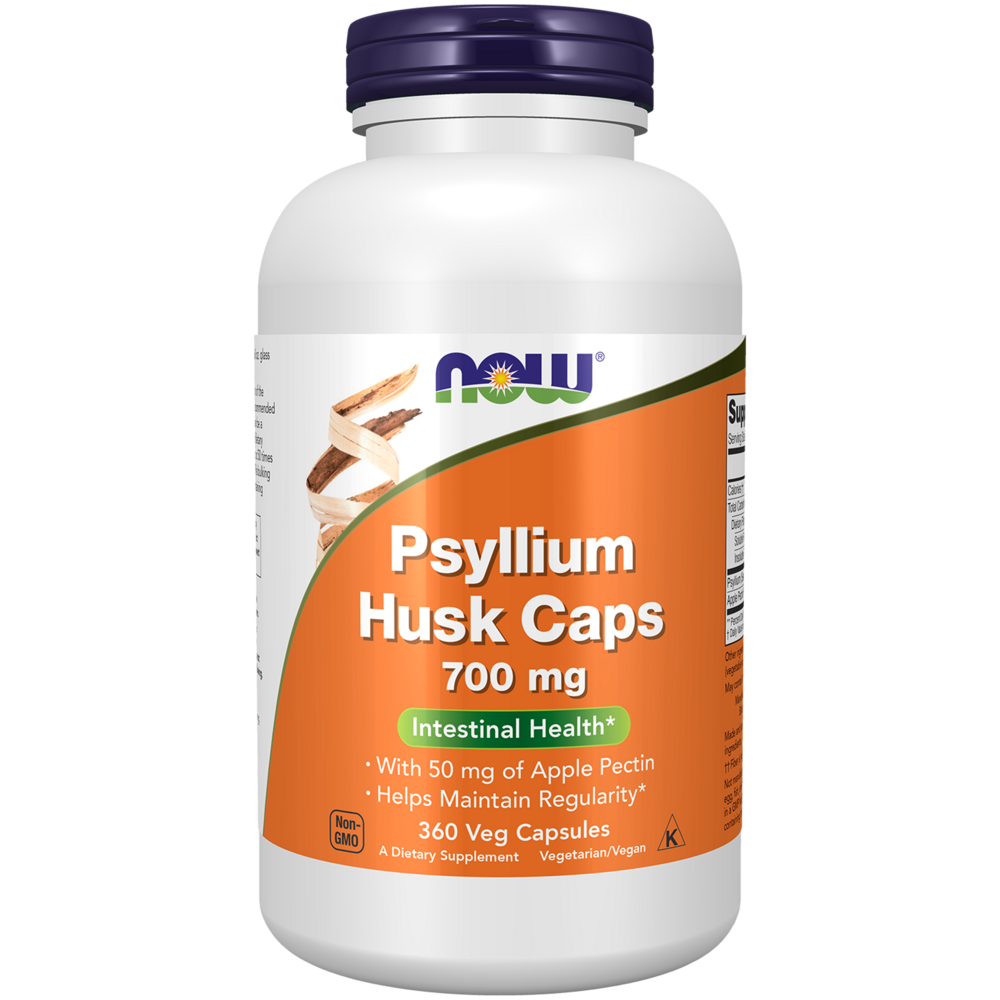
Psyllium Husk Caps by Now Foods
360 capsules · 180-day supply
Natural Fiber Support for Digestive Health and Regularity$39.99
Purchase options
Practitioner-grade brand3rd-party testedFree shipping $50+
Vegan·Vegetarian·Kosher·Gluten Free·Soy Free·Egg Free·
Now Foods Psyllium Husk Caps overview
If you’re looking for psyllium husk capsules to fix irregularity or ease bloating from a low-fiber diet, this fits. It’s also useful if your LDL-C (the “bad” cholesterol number on a lipid panel) or ApoB (the count of artery-clogging particles) runs high-normal and you want a gentle nudge downward. Low-carb and keto eaters, travelers with inconsistent meals, and pregnancy-related constipation often respond well. If you have established deficiency in fiber intake, expect better results with steady daily use rather than on-and-off dosing.
Psyllium is a soluble, gel-forming fiber that holds water in the stool, which softens hard stools and firms loose ones, normalizing transit either way. That same gel binds bile acids, so your liver pulls cholesterol from the bloodstream to make more bile, which can lower LDL-C and slightly improve ApoB over weeks. By slowing carbohydrate absorption, it blunts post-meal glucose spikes and can trim HbA1c (your 3‑month average blood sugar) in some people. A small amount of apple pectin adds additional gel-forming fiber, though psyllium does the heavy lifting here.
Take 2 capsules with a full 8 oz glass of water, 2 to 3 times daily. Start once daily for 3–4 days, then add a second and third dose if needed to minimize gas. For appetite and post-meal glucose control, take 10–30 minutes before meals. Bowel regularity often improves within 24–72 hours; lipid and glucose changes show up on labs like LDL-C and HbA1c after 4–8 weeks of daily use. Clinical LDL lowering usually uses higher total fiber than this provides alone.
Because psyllium can slow or reduce drug absorption, take it 2–4 hours apart from oral meds. This matters for levothyroxine, statins, metformin, carbamazepine, lithium, and fat-soluble vitamins. If you monitor glucose, note that adding fiber can lower post-meal readings; track and adjust with your clinician if you use insulin or sulfonylureas.
Avoid psyllium if you have trouble swallowing, esophageal narrowing, a history of bowel obstruction, or active strictures. Do not take it dry; always swallow with a full glass of water to prevent choking. Stop and seek care if you develop chest pain, vomiting, or difficulty swallowing after a dose. Rare allergies occur; anyone with prior psyllium sensitivity should avoid it.
Frequently asked questions
How long does psyllium husk take to work for constipation?
Most people see easier, more regular bowel movements within 24–72 hours of daily use. Consistency matters, and drinking a full glass of water with each dose is essential for effect and safety.
Can psyllium husk lower cholesterol?
Yes, psyllium can modestly lower LDL cholesterol over 4–8 weeks by binding bile acids. Trials typically use higher daily fiber than these capsules provide alone, so think of this as a gentle nudge, not a stand‑alone fix.
Should I take psyllium before or after meals?
Either works for regularity. For appetite and post-meal glucose control, 10–30 minutes before meals is more effective. Separate by 2–4 hours from medications to avoid absorption issues.
Does psyllium help diarrhea as well as constipation?
It can. Psyllium’s gel holds water, which softens hard stools and firms loose ones, helping normalize stool consistency in both directions. Start with a lower dose if stools are very loose and increase as tolerated.
Will psyllium cause gas or bloating?
Some people notice gas for the first week as the gut adapts. Starting with one daily dose and increasing every few days, plus adequate water, usually minimizes this. Persistent pain or severe bloating is a reason to stop.
Is psyllium safe with levothyroxine or other meds?
It can reduce absorption. Take meds and psyllium 2–4 hours apart. This is especially important for levothyroxine, carbamazepine, lithium, and some statins. If in doubt, ask your prescriber for timing advice.
Can I use psyllium on keto or low-carb diets?
Yes. Psyllium is non-digestible fiber, so it doesn’t add net carbs and often fixes low‑carb constipation. Introduce gradually and hydrate well to avoid cramping.
How to take it & ingredients
Suggested use: Take 2 capsules with 8 oz. glass of liquid, 2 to 3 times a day.
Active ingredients
2 capsules per serving · 180 servings
Psyllium
Seed Husk
Seed Husk
1400 mg, 1.4 g
Apple Pectin
Powder
Powder
100 mg
Other ingredients: Hypromellose (cellulose capsule), Stearic Acid (vegetable source), Silicon Dioxide
Certifications
Benefits
Warnings