 Instalab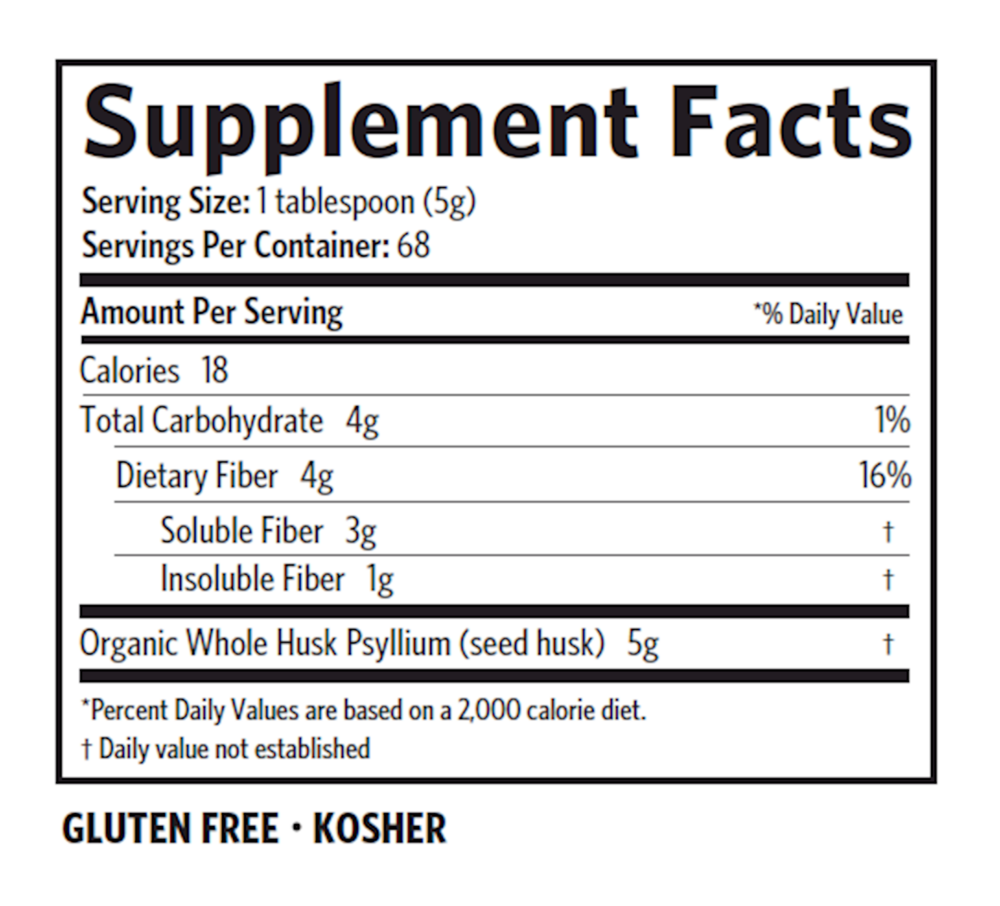

Organic India
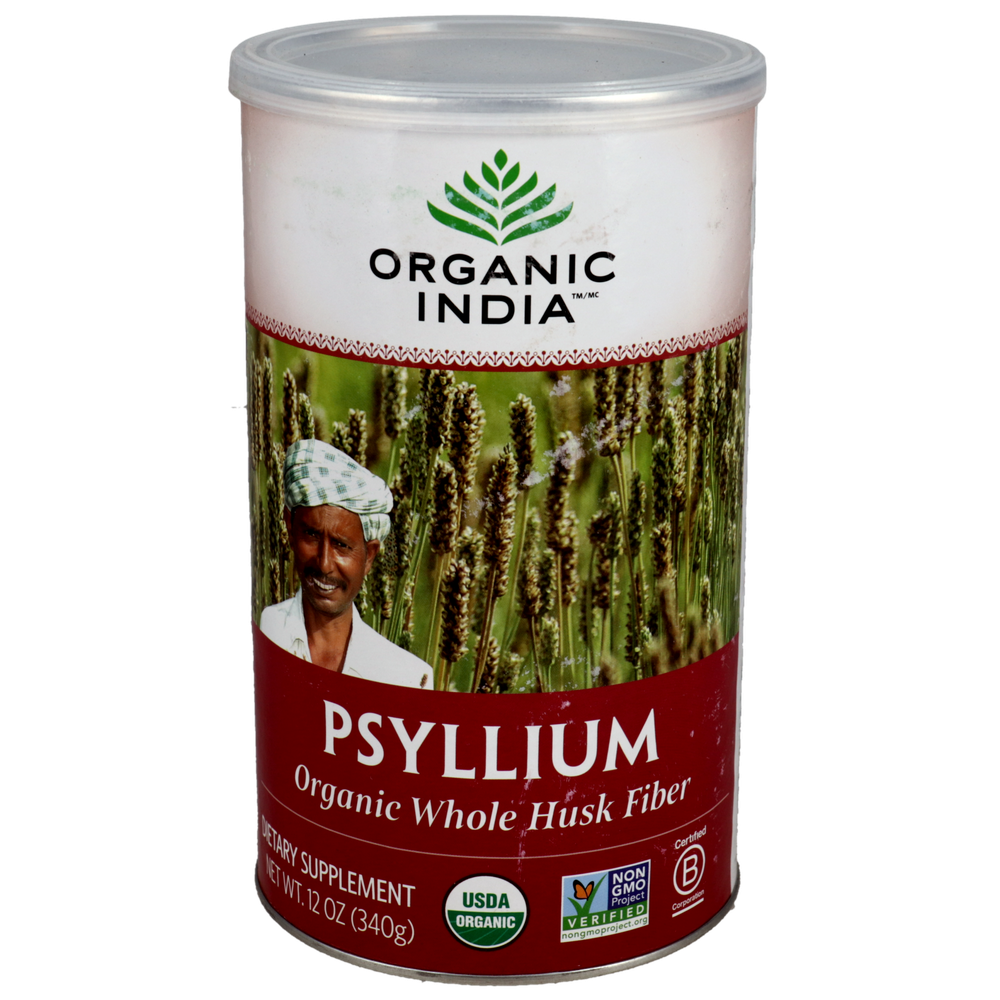
Psyllium 5 g by Organic India
340 grams · 68-day supply
Natural Viscous Fiber for Digestive Health and Regularity$19.99
Purchase options
Practitioner-grade brand3rd-party testedFree shipping $50+
Vegan·Vegetarian·Kosher·Gluten Free·Soy Free·Dairy Free·
Organic India Psyllium overview
If you’re Googling psyllium husk benefits, you likely want regularity, gentler stools, or a nudge on cholesterol and blood sugar. This 5 g serving fits adults with infrequent or hard stools, hemorrhoids, or irritable bowel syndrome with constipation. It also makes sense if your LDL Cholesterol (the particle linked to artery plaque) or Non-HDL Cholesterol run high, or if Fasting Glucose or Hemoglobin A1c are creeping up. Low-fiber eaters, low-carb dieters, and GLP‑1 users with constipation usually notice the most day-to-day benefit.
Psyllium husk is a gel‑forming soluble fiber that soaks up water, making stools softer and easier to pass while normalizing both constipation and loose stools. That same gel slows carbohydrate absorption, which smooths post‑meal blood sugar and can trim Hemoglobin A1c over time. It also binds bile acids in the gut, nudging the liver to draw LDL Cholesterol from the blood, which typically lowers LDL by about 5–10% within 4 to 12 weeks. Compared with fermentable fibers like inulin, psyllium ferments less, so gas is usually milder.
Mix one tablespoon in at least 10 oz of water or juice, stir, and drink right away, then chase with another glass of water. Take before or between meals; with meals is better if you’re targeting post‑meal glucose, before meals helps with fullness and weight management. This is a maintenance‑level dose; if constipation is stubborn or you’re aiming for LDL reduction, many adults do better titrating to 2–3 servings per day in divided doses. Expect bowel regularity to improve in 24–72 hours, cholesterol and A1c in 4–12 weeks.
Psyllium husk can slow the absorption of medicines and minerals. Take it at least 2 hours before or after drugs like levothyroxine, carbamazepine, lithium, and antibiotics, and away from iron, magnesium, or zinc. Skip if you have trouble swallowing, known esophageal or bowel strictures, or a history of bowel obstruction. If you’ve had major gut surgery, inflammatory bowel flares, or severe diverticulitis, check with your clinician first. Hydration matters: low fluid intake raises choking and impaction risk.
Frequently asked questions
How long does psyllium husk take to work for constipation?
Most people notice easier, more regular stools within 24–72 hours if they take psyllium daily with enough water. If stools are still hard after 3–5 days, increase to twice daily. If there’s no improvement or there’s pain, bleeding, or vomiting, stop and seek care.
Can psyllium husk lower cholesterol?
Yes. Taken consistently, psyllium typically lowers LDL cholesterol by about 5–10% over 4–12 weeks, with small effects on triglycerides. It works best alongside diet changes. Check LDL Cholesterol and Non-HDL Cholesterol before starting and again after 8–12 weeks.
Does psyllium help blood sugar or A1c?
It can modestly improve post‑meal glucose and slightly reduce Hemoglobin A1c when taken with or before meals. Effects are additive to diet and medication. If you use insulin or sulfonylureas, monitor for lower readings when you start or increase the dose.
Is psyllium husk better than capsules?
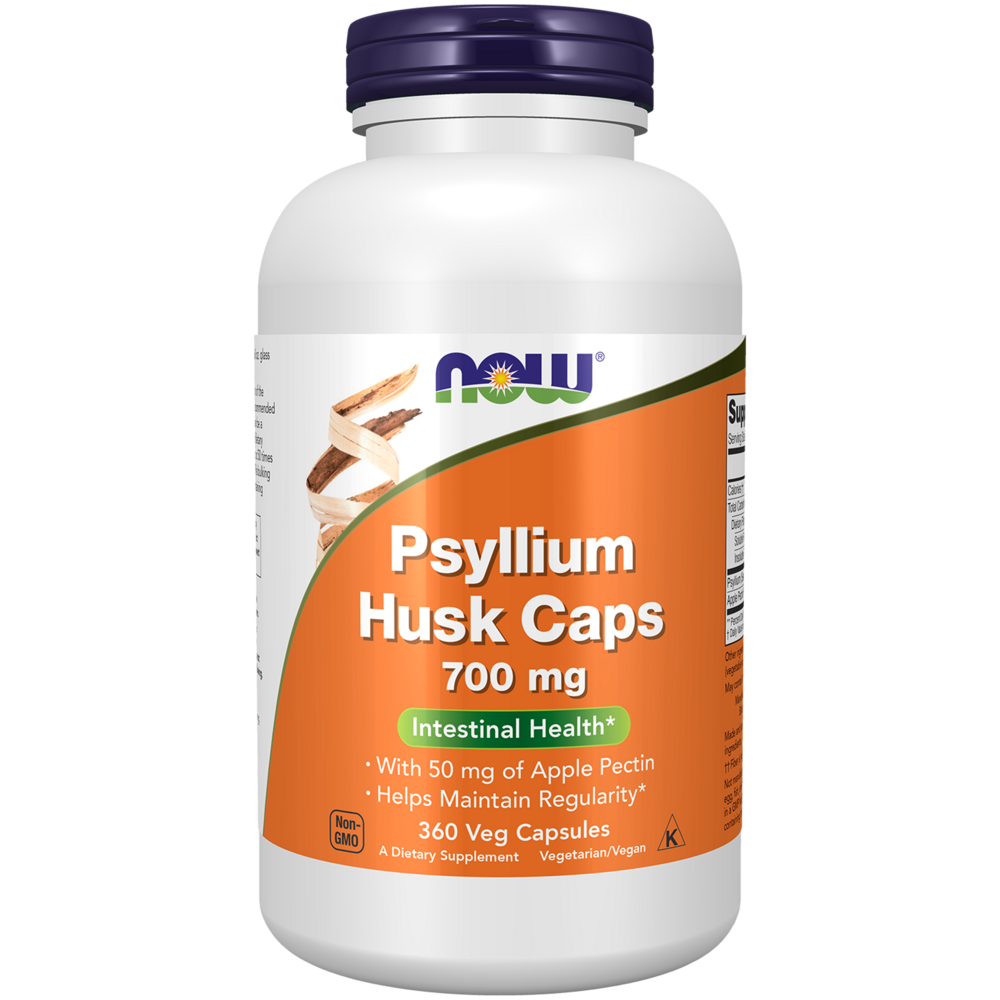
For meaningful doses, powder is more practical and cost‑effective. You’d need many capsules to equal one tablespoon of powder. If texture is a barrier, mix powder into smoothies or yogurt and drink promptly so it doesn’t congeal.
Will psyllium make me bloated or gassy?
Some mild bloating can occur in the first week, but psyllium ferments less than fibers like inulin, so gas is usually limited. Start with one serving daily, increase slowly, and drink extra water. Persistent pain, severe bloating, or constipation despite fluids is a stop sign.
When should I take psyllium relative to medications?
Separate psyllium by at least 2 hours from medications and mineral supplements to avoid reduced absorption. Be especially careful with levothyroxine, carbamazepine, lithium, and antibiotics. If in doubt, ask your pharmacist for timing advice.
Can I take psyllium during pregnancy or while breastfeeding?
Psyllium is generally considered safe for constipation in pregnancy and lactation when taken with adequate fluids. Even so, discuss it with your obstetric clinician, especially if you’ve had bowel issues or are on medications that require precise dosing.
How to take it & ingredients
Suggested use: Adults and Children over 12 years: One serving per day. Best taken before or between meals. Mix 1 tablespoon with at least 10 oz of water, juice or your favorite beverage. Stir and drink immediately. If too thick, add more liquid and stir. Drinking an additional glass of water afterwards is advisable to ensure hydration.
Active ingredients
1 tablespoon (5 grams) per serving · 68 servings
Organic Whole Husk Psyllium
Seed Husk
Seed Husk
5 g
Certifications
Benefits
Warnings