 Instalab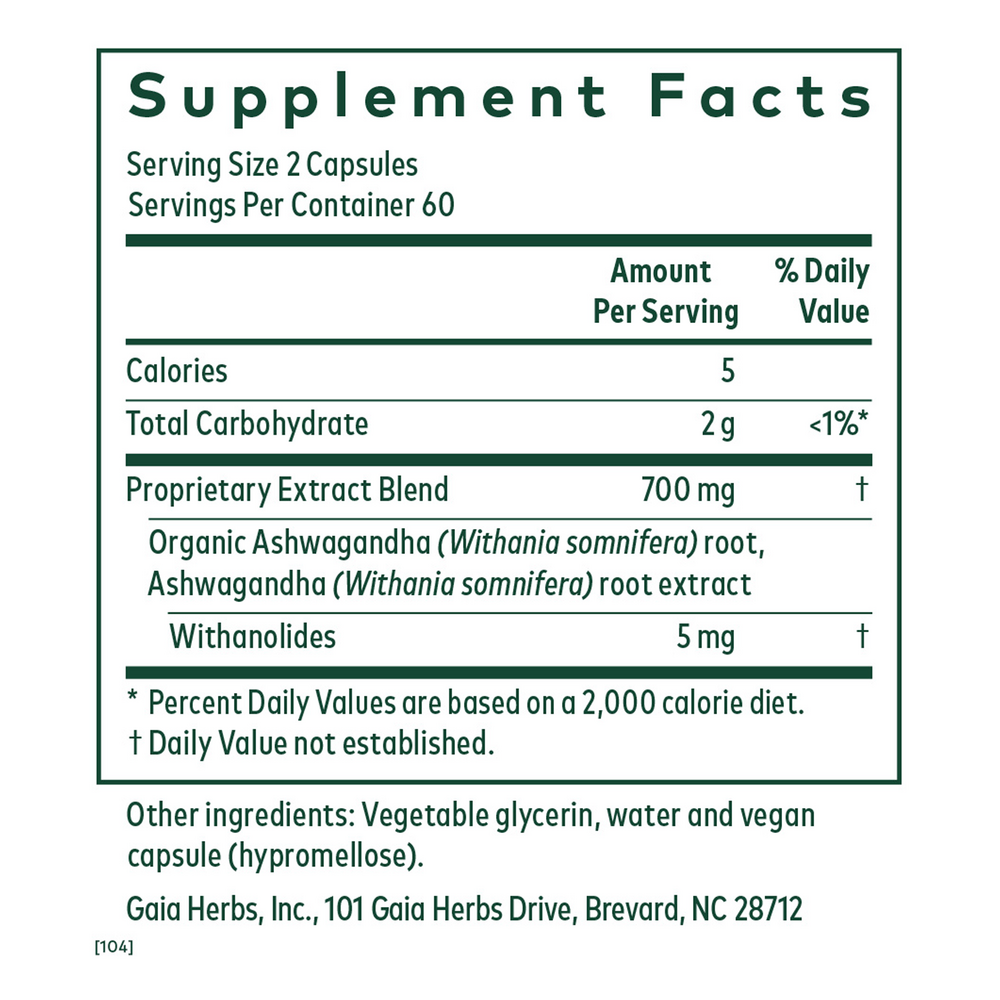
Gaia Herbs Pro
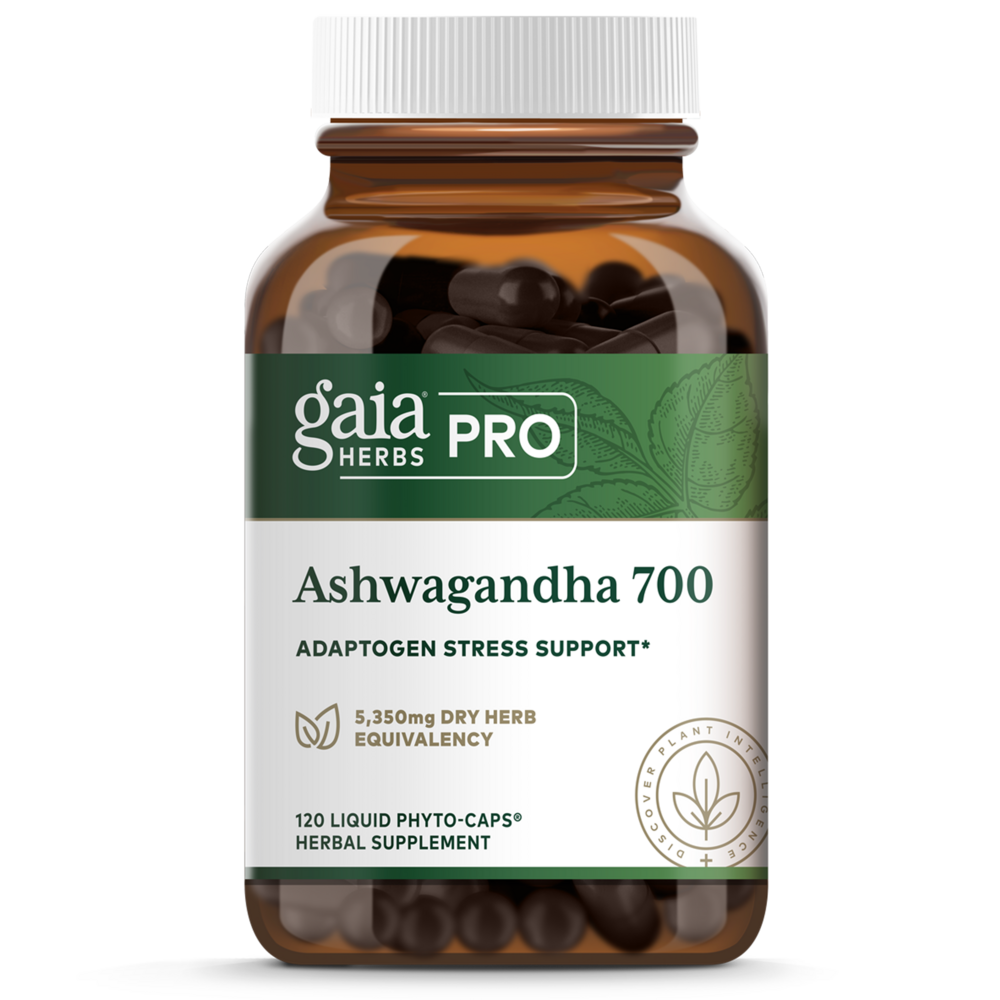
Ashwagandha 700 by Gaia Herbs Pro
120 capsules · 60-day supply
Support for Stress Relief and Overall Well-Being$45.99
Purchase options
Practitioner-grade brand3rd-party testedFree shipping $50+
Vegan·Kosher·Gluten Free·Soy Free·Dairy Free·Peanut Free·
Gaia Herbs Pro Ashwagandha 700 overview
If you’re looking at ashwagandha for stress, this fits adults with high daily strain who want measurable changes in how stressed they feel and how they sleep. It’s useful if your morning cortisol (the main stress hormone) runs high on testing or your sleep is light and broken. It can also help if your resting focus is off from chronic overload. If your thyroid labs (TSH, Free T4, Free T3) run low-normal, loop your clinician in because ashwagandha can push thyroid activity upward.
Ashwagandha root extracts, rich in withanolides (the plant’s active compounds), steady the HPA axis, the stress loop that links your brain to your adrenal glands, leading to a calmer cortisol pattern. They also act on GABA signaling, the brain’s main calming system, which is why some people fall asleep faster and wake less. Trials show reductions in perceived stress and modest improvements in sleep within 4 to 8 weeks. A minority of users see a bump in thyroid hormone output, which explains both better energy in some and jitters in others.
The maker suggests two capsules twice daily. Take with food to cut down on stomach upset, and split morning and evening for steadier effects. If your goal is sleep, move the second dose to after dinner. This total daily amount is on the higher side compared with many studies, so start with half for a week to gauge calm versus grogginess, then move up. Track changes in sleep and perceived stress, and recheck morning cortisol after 6 to 8 weeks if you’re data-driven.
Avoid in pregnancy and while breastfeeding. If you have hyperthyroidism, Graves’ disease, or you take levothyroxine, check thyroid labs (TSH, Free T4, Free T3) within a few weeks of starting and use only with clinician oversight. Use caution with sedatives or sleep meds, as effects can add up. Rare liver injury has been reported; if you notice dark urine, itching, or yellowing eyes, stop and get liver tests (ALT, AST). Autoimmune conditions or immunosuppressant use warrant a discussion with your specialist.
Frequently asked questions
How long does ashwagandha take to work for stress?
Most people notice calmer edges or better sleep within 1–2 weeks, with fuller changes in perceived stress and sleep quality by 4–8 weeks. Give it a month before judging.
When is the best time to take ashwagandha?
Split it: morning with breakfast and evening with dinner. If it makes you drowsy, push the second dose after dinner. If it feels stimulating, keep both doses earlier.
Does ashwagandha affect thyroid levels?
It can nudge thyroid hormone production up. If you have thyroid disease or take levothyroxine, monitor TSH, Free T4, and Free T3 after starting and adjust under guidance.
Can I take ashwagandha with antidepressants or sleep aids?
Ashwagandha has calming effects and can add to sedation from sleep meds or benzodiazepines. It’s generally fine with SSRIs, but discuss combinations with your prescriber.
What are common ashwagandha side effects?
The most common are stomach upset, loose stools, and daytime sleepiness. Less often, vivid dreams or restlessness occur. Rare liver injury is reported; stop if you see jaundice.
Is ashwagandha safe to take every day?
Daily use for 8–12 weeks is what most studies test. Many people cycle it, taking breaks after a few months. Long-term daily data are limited, so periodic reassessment is wise.
Can I drink alcohol while taking ashwagandha?
Light alcohol use is usually tolerated, but both are sedating. If you feel overly drowsy or off-balance, separate timing or reduce intake.
Should I take ashwagandha with food or on an empty stomach?
With food is better. It reduces nausea and loose stools and doesn’t blunt the calming effect.
How to take it & ingredients
Suggested use: Adults take 2 capsules twice daily.
Active ingredients
2 capsules per serving · 60 servings
▼
Proprietary Extract Blend
700 mg
Ashwagandha
Organic Ashwagandha (Withania somnifera) root and root extract
Organic Ashwagandha (Withania somnifera) root and root extract
-
Withanolides
5 mg
Other ingredients: Vegetable Glycerin, Water, Vegan Capsule (Hypromellose)
Certifications
Benefits
Warnings