
 Instalab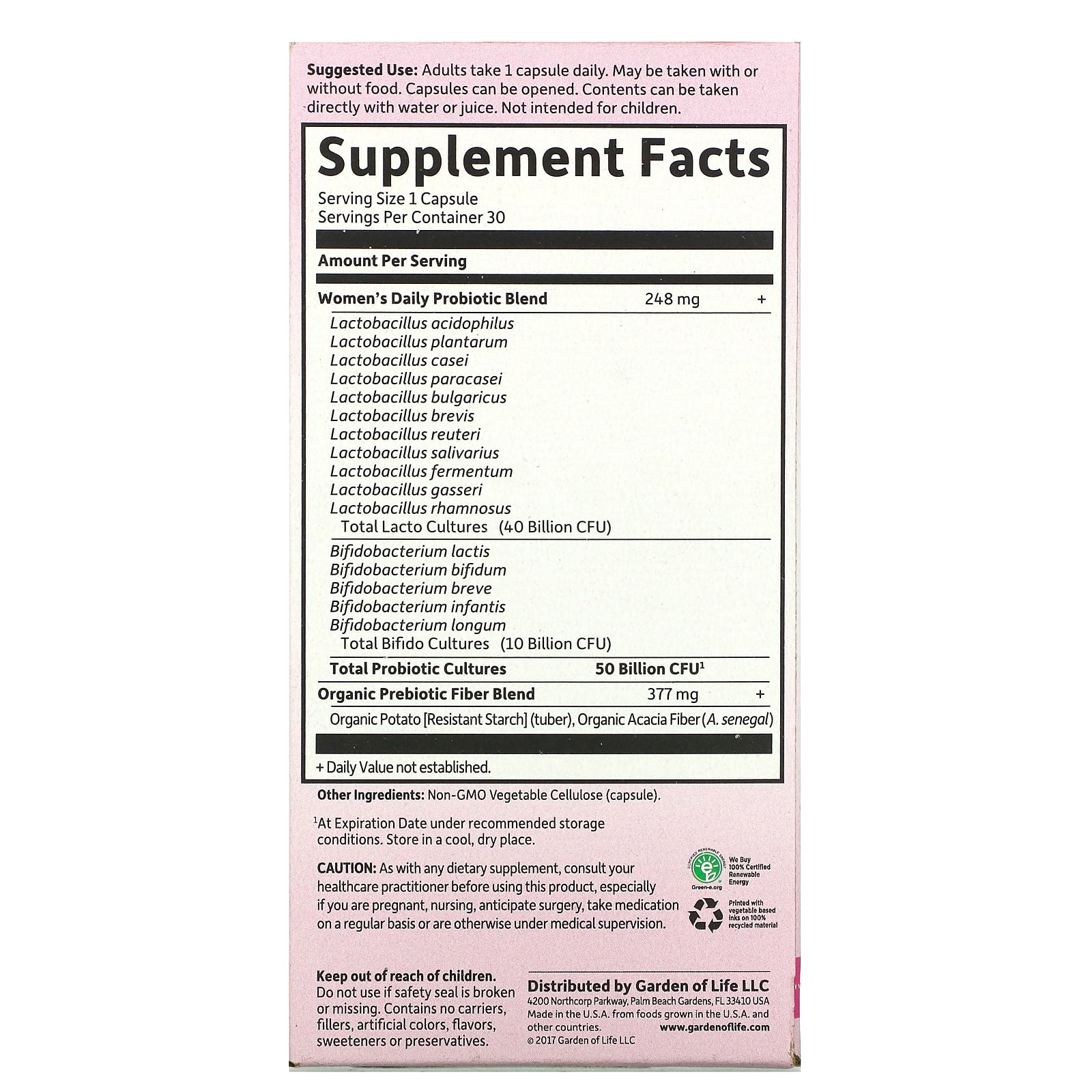

Garden of Life
Dr. Formulated Probiotics Women's Daily Care by Garden of Life
30 capsules · 30-day supply
Daily Probiotic Support for Women's Digestive and Immune Health$45.99
Purchase options
Practitioner-grade brand3rd-party testedFree shipping $50+
Vegan·Gluten Free·Soy Free·Dairy Free·Milk Free
Garden of Life Dr. Formulated Probiotics Women's Daily Care overview
If you’re aiming for fewer bloating days and steadier bowel habits while also looking after vaginal balance, a women’s probiotic fits. This formula delivers 50 billion CFU across Lactobacillus and Bifidobacterium strains, the workhorses for gut regularity and a healthy vaginal microbiome. It’s a good daily pick if you’ve had recent antibiotics, experience recurrent yeast or bacterial vaginosis alongside digestive issues, or eat a low‑fiber diet. If you need acute UTI treatment, use medical care first; a probiotic is for maintenance, not rescue.
Lactobacillus species dominate a healthy vaginal microbiome by making lactic acid and hydrogen peroxide, which lower vaginal pH (a less friendly environment for yeast and BV-causing bacteria). In the gut, Lactobacillus and Bifidobacterium compete with gas‑producing microbes and make short‑chain fatty acids that feed the intestinal lining. The included prebiotic fibers (resistant starch and acacia) act as food for these bacteria, helping them take hold. In practice, bowel pattern changes show up within 1–2 weeks; vaginal balance benefits often need 4–8 weeks of steady use.
Take one capsule daily, any time, with or without food. If you’re on antibiotics, separate the probiotic by at least 2–3 hours. You can open the capsule and mix into cool water or a smoothie. Expect mild gas during the first week as your microbiome adjusts; it usually settles. Because this contains prebiotic fiber, drink extra water. If you’ve reacted to prebiotics before, start every other day for a week, then move to daily as tolerated.
Skip probiotics if you’re severely immunocompromised, have a central venous catheter, are in intensive care, or have active severe pancreatitis—rare bloodstream infections from supplements have been reported in these settings. If you have significant small intestinal bacterial overgrowth (SIBO) with prominent bloating, a probiotic with added prebiotic fiber can worsen symptoms; choose a no‑fiber option and work with a clinician. Pregnancy and breastfeeding are generally considered compatible, but confirm with your obstetric clinician if you’ve had complications.
Frequently asked questions
How long does a women’s probiotic take to work?
Digestive changes often appear in 1–2 weeks. For vaginal balance (fewer BV or yeast flares), plan on 4–8 weeks of steady daily use. If nothing changes by 8 weeks, reassess strain choice, dose, and diet.
Can I take a probiotic with antibiotics?
Yes. Take the probiotic 2–3 hours away from each antibiotic dose and continue for at least 1–2 weeks after finishing the prescription. This timing reduces antibiotic-associated diarrhea and helps repopulation.
Does a probiotic help with UTIs?
It can help reduce recurrence risk in some women over time, but it does not treat an active UTI. If you have burning, urgency, or fever, seek medical care; use the probiotic for maintenance afterward.
Will this probiotic cause gas or bloating?
Temporary gas is common during the first week, especially with the added prebiotic fiber. It usually settles as your microbiome adapts. If persistent, try taking with food or dosing every other day at first.
Do I need to refrigerate this probiotic?
It’s formulated to be shelf-stable through its labeled potency, but store it cool and dry to protect the live cultures. Avoid heat, humidity, and leaving it in a hot car or steamy bathroom.
Is a women’s probiotic safe in pregnancy or breastfeeding?
Generally yes, probiotics have a good safety record in pregnancy and lactation. Still, discuss with your obstetric clinician, especially if you’re high-risk or have been hospitalized recently.
Can I open the probiotic capsule?
Yes. You can open it and mix the powder into cool water, juice, or a smoothie. Avoid hot liquids, which can damage live cultures. Drink soon after mixing for the best viability.
How to take it & ingredients
Suggested use: Adults take one capsule daily, with or without food. Capsules may be opened and the contents mixed with water or juice. Not intended for children.
Active ingredients
1 capsule per serving · 30 servings
Total Lacto Cultures
40 billion CFU
Total Bifido Cultures
10 billion CFU
Organic Prebiotic Fiber Blend
Organic potato resistant starch, organic acacia fiber
Organic potato resistant starch, organic acacia fiber
377 mg
Other ingredients: Non-GMO vegetable cellulose (capsule)
Certifications
Benefits
Warnings
Customers also considered
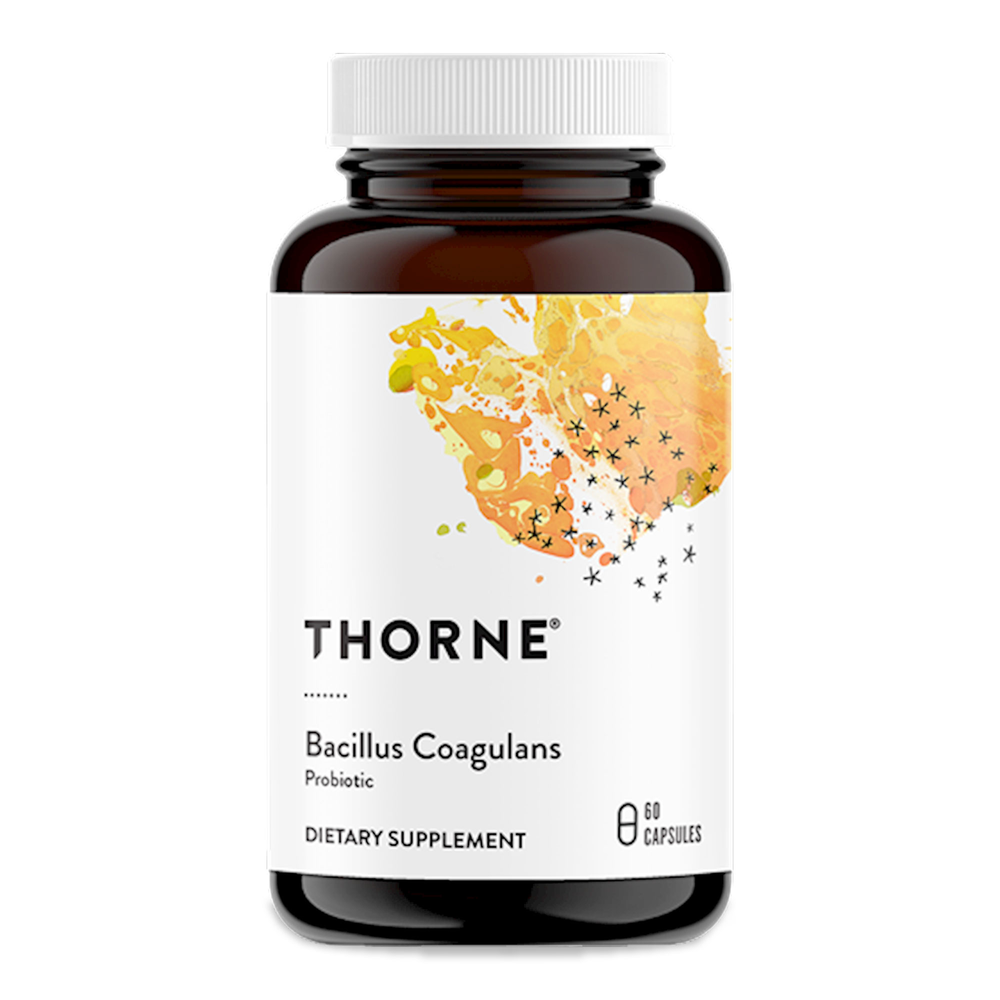
Bacillus Coagulans
Thorne
60 capsules
$33.00Save 10% with Subscribe & Save

Complete Biotic
Thorne
30 packets
$46.00Save 10% with Subscribe & Save

Complete Probiotics 70 Billion CFU
Dr. Mercola
30 capsules
$46.99Save 19% with Subscribe & Save

Digestive Probiotic & Prebiotic Grape
SmartyPants
60 gummies
$36.99Save 19% with Subscribe & Save