 Instalab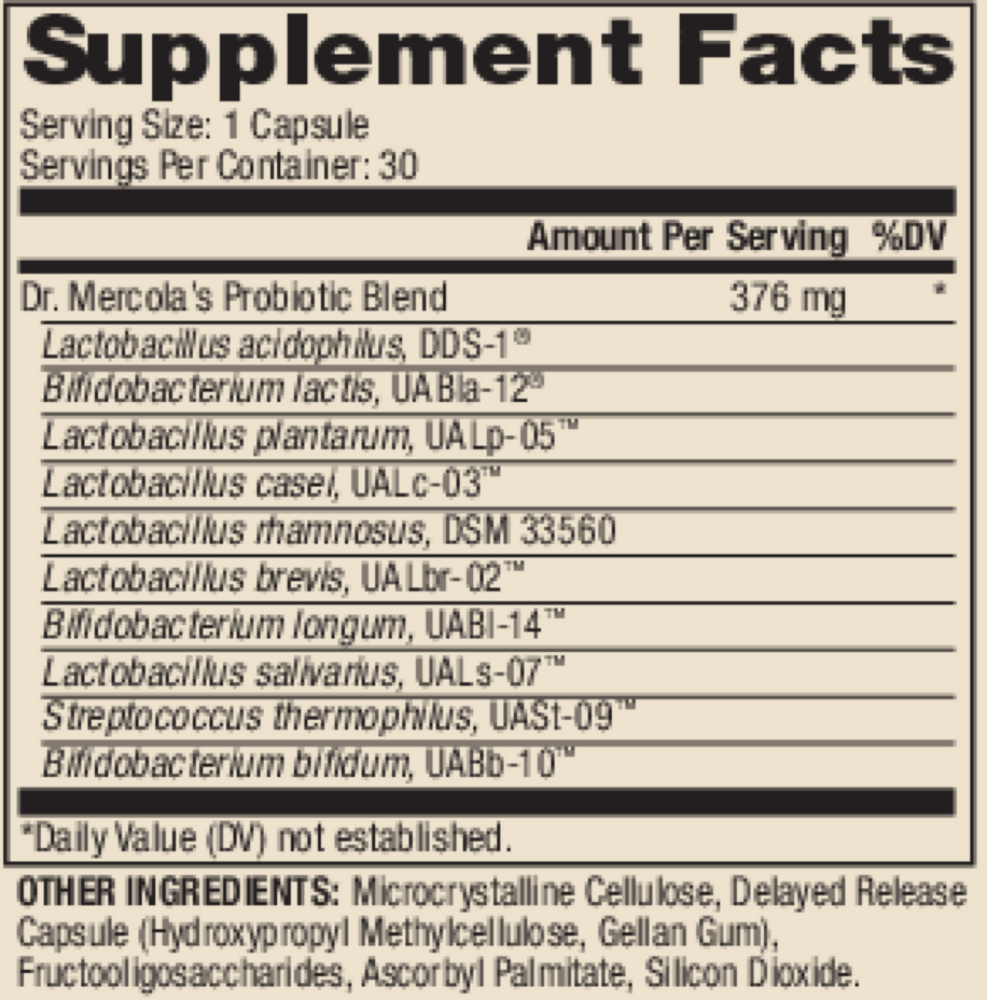

Dr. Mercola
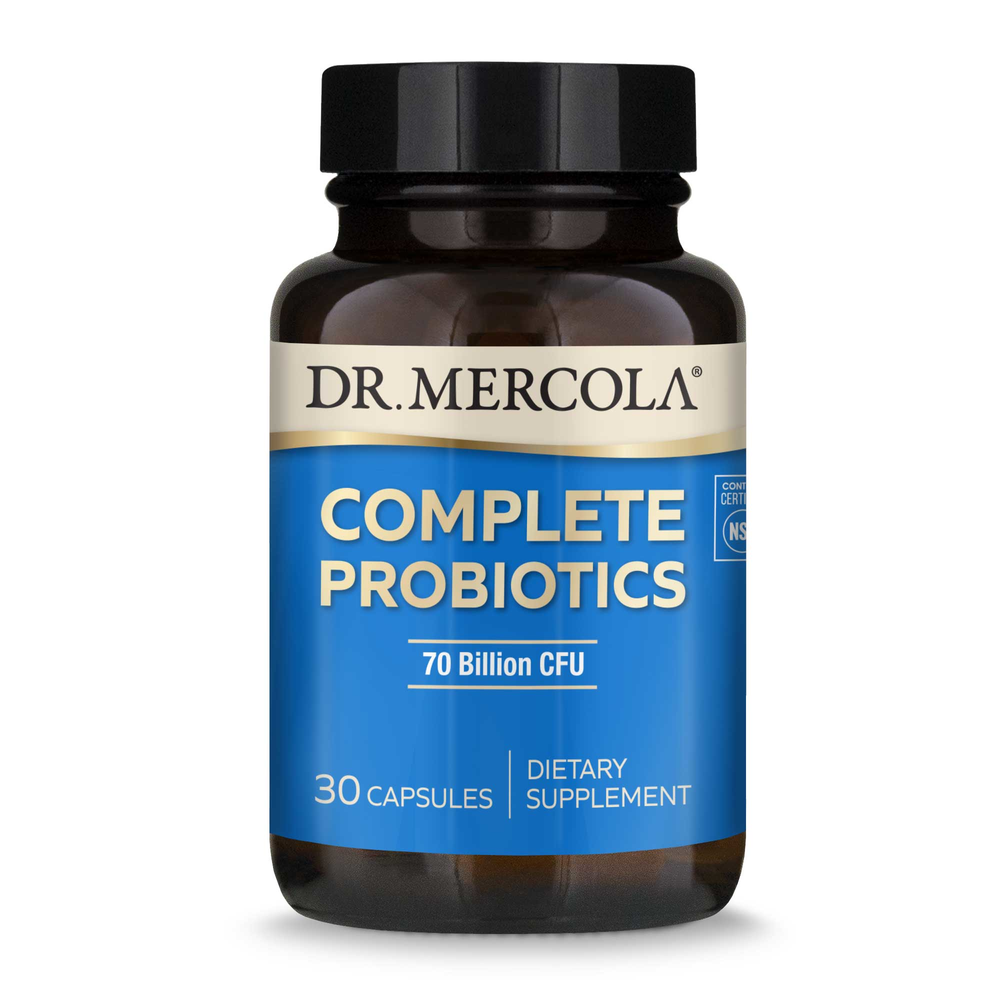
Complete Probiotics 70 Billion CFU 376 mg by Dr. Mercola
30 capsules · 30-day supply
Support Digestive Health and Balance with 70 Billion CFU Probiotics$46.99
Purchase options
Practitioner-grade brand3rd-party testedFree shipping $50+
Gluten Free·Soy Free
Dr. Mercola Complete Probiotics 70 Billion CFU overview
If you’re searching for probiotics 70 billion CFU to calm post‑antibiotic disruption, meal‑related bloating, or irregularity, this fits. It also suits frequent travelers, people with low dairy tolerance, and those whose stool testing shows low Lactobacillus/Bifidobacterium balance. Expect gut rhythm and gas to improve within 1 to 4 weeks, with immune‑related markers like hs-CRP (a general inflammation signal) shifting more slowly if they change at all.
Multi‑strain probiotics crowd out nuisance microbes, make short‑chain fatty acids (fuel for your colon lining), and lower gut pH so pathogens struggle. They can strengthen tight junctions in the gut barrier and raise secretory IgA (the antibody that lines your intestines), which explains fewer rashes and colds in some users. Gas often eases because these bacteria help finish carbohydrate breakdown that would otherwise ferment.
Take one capsule in the morning as directed; pairing it with your first meal can improve survival through stomach acid. If you’re sensitive or very gassy, start every other day for a week, then move to daily. When using antibiotics, separate by at least 2 to 3 hours and continue the probiotic for 1 to 2 weeks after the course to support recovery.
Antibiotics can reduce live counts, so the time gap matters. If you take antifungals or bismuth subsalicylate, spacing them from probiotics also makes sense. People on immune‑suppressing drugs or with prosthetic heart valves should involve their clinician, since even low bloodstream translocation of bacteria, while rare, matters more in those settings.
If you have small intestinal bacterial overgrowth, or SIBO (bacteria accumulating in the small intestine where they don’t belong), probiotics can sometimes worsen bloating; test and treat first. Skip unsupervised use if you’re critically ill, have a central venous line, or had recent pancreatitis. Pregnancy and breastfeeding are generally considered safe, but start low and discuss with your OB if you’re unsure.
Frequently asked questions
Is 70 billion CFU too much for a probiotic?
For most healthy adults, 70 billion CFU is a common consolidation dose, not excessive. Sensitive users can start every other day, then move to daily. If you’ve had SIBO or tend to bloat on probiotics, begin lower or get guidance.
How long do probiotics take to work for bloating?
Bloating and stool consistency often improve within 1 to 4 weeks if the probiotic matches your pattern. If nothing changes by week 4 to 6, switch strains or reassess diet triggers like FODMAPs and lactose with a clinician.
Should I take probiotics with antibiotics?
Yes, but separate doses by 2 to 3 hours to limit kill‑off. Continue the probiotic for 1 to 2 weeks after the antibiotic to help restore balance. If you develop fever or worsening abdominal pain, stop and contact your clinician.
Can probiotics cause gas or diarrhea at first?
They can, especially in the first week. This usually settles as your microbiome adjusts. Starting every other day or taking with food reduces symptoms. Persistent pain, fever, or blood in stool is not normal—seek care.
Do I need to refrigerate Dr. Mercola Complete Probiotics?
Follow the label. Many modern probiotics are shelf‑stable at room temperature, but cooler storage can help preserve potency over time. Avoid heat, humidity, and leaving the bottle in a hot car.
Are probiotics safe during pregnancy?
Most data show probiotics are well tolerated in pregnancy. If you’re new to them, start low and monitor for GI changes. Anyone with high‑risk pregnancy factors should check with their OB before starting.
Can probiotics lower inflammation markers like hs-CRP?
Some studies show small reductions in hs-CRP (a general inflammation marker), but results vary and the effect is modest. Take probiotics for gut symptoms and regularity; consider diet, sleep, and exercise for inflammation.
How to take it & ingredients
Suggested use: Adults, as a dietary supplement, take one (1) capsule per day, preferably in the morning.
Active ingredients
1 capsule per serving · 30 servings
▼
Dr. Mercola's Probiotics Blend
376 mg
Lactobacillus acidophilus (DDS-1)
-
Bifidobacterium lactis (UABIa-12™)
-
Lactobacillus plantarum (UALp-05™)
-
Lactobacillus casei (UALc-03™)
-
Lactobacillus rhamnosus (DSM 33560)
-
Lactobacillus brevis (UALbr-02™)
-
Bifidobacterium longum (UABl-14™)
-
Lactobacillus salivarius (UALs-07™)
-
Streptococcus thermophilus (UASt-09™)
-
Bifidobacterium bifidum (UABb-10)
-
Other ingredients: Microcrystalline Cellulose, Hydroxypropyl Methylcellulose, Gellan Gum, Fructooligosaccharide, Ascorbyl Palmitate, Silicon Dioxide
Certifications
Benefits
Warnings
Customers also considered

Bacillus Coagulans
Thorne
60 capsules
$33.00Save 10% with Subscribe & Save

Complete Biotic
Thorne
30 packets
$46.00Save 10% with Subscribe & Save

Digestive Probiotic & Prebiotic Grape
SmartyPants
60 gummies
$36.99Save 19% with Subscribe & Save

Dr. Formulated Probiotics Mens Daily Care
Garden of Life
30 capsules
$45.99Save 20% with Subscribe & Save