 Instalab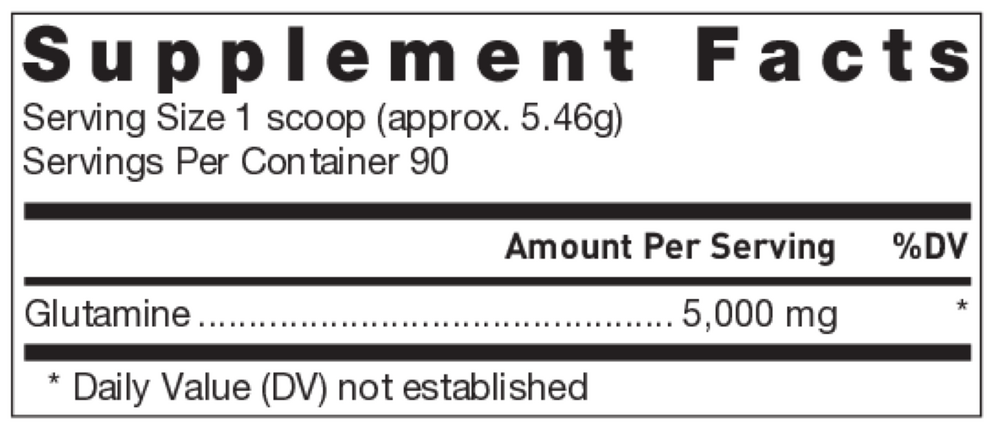


Klean Athlete
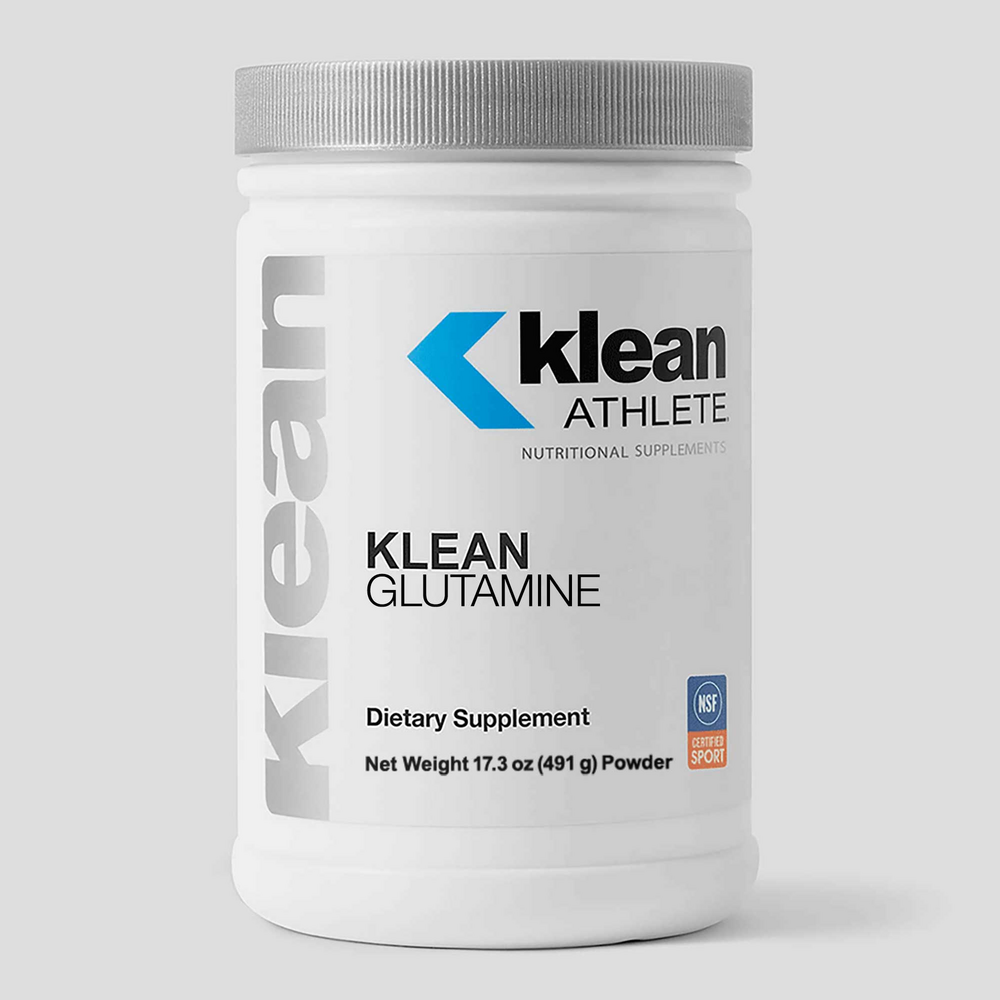
Klean Glutamine 5000 mg by Klean Athlete
491 grams · 89-day supply
Support Recovery and Muscle Health with Pure Glutamine$65.00
Purchase options
Practitioner-grade brand3rd-party testedFree shipping $50+
Vegan·Vegetarian·Gluten Free·Egg Free·Fish Free·Animal Product Free·
Klean Athlete Klean Glutamine overview
Endurance and high-volume strength athletes who get frequent colds after hard blocks, or who finish sessions with stomach cramping, are the classic fit for glutamine powder. L-glutamine is also reasonable during heavy travel or calorie cuts when recovery lags and protein intake dips. If your training reports show elevated soreness and poor sleep, or your coach flags overreaching, a daily 5 g can help stabilize recovery, especially if you’re not hitting 1.6–2.2 g/kg/day of protein.
Glutamine is a conditionally essential amino acid, meaning your needs outpace your body’s supply under heavy stress. It is the preferred fuel for enterocytes (the gut lining cells) and many immune cells, so topping it up helps maintain the gut barrier and immune function during hard training. In muscle, it carries nitrogen for tissue repair and buffers ammonia (a fatigue-related byproduct). That’s why studies show smaller bumps in creatine kinase (a muscle damage marker) and steadier hs-CRP (a general inflammation marker) in some athletes using it.
Mix one scoop in 8–10 oz of water. Timing is flexible, but most athletes use 5 g right after training or before bed. On very hard days, splitting 5 g twice daily is common. It’s flavor-neutral and fine with or without food. Expect gut comfort and day-after readiness to improve within 1 to 3 weeks. If you already eat ample protein and recover well, more than 5 g/day rarely adds much.
Skip supplemental glutamine if you have severe liver disease with confusion risk (hepatic encephalopathy, a buildup of brain-affecting toxins), significant kidney disease, or you’re on a protein-restricted plan set by your clinician. If you’re being treated for active cancer, ask your oncology team first; glutamine is sometimes used for mouth sores from chemo, but unsupervised use is not advised. Pregnant or nursing: get clinician approval before starting.
Frequently asked questions
Does glutamine build muscle?
Not directly. Glutamine helps recovery by fueling gut and immune cells and carrying nitrogen for repair, but it’s not a primary muscle-building supplement like protein or creatine. It can help you train consistently, which is what drives gains.
How long does L-glutamine take to work?
Most athletes notice steadier digestion and next-day readiness within 1 to 3 weeks. If you’re under heavy training stress, benefits can show sooner, especially for post-workout stomach upset.
When should I take glutamine, before or after workout?
Either works. Common patterns are 5 g after training or 5 g before bed. On very hard days, many split 5 g twice daily. Consistency matters more than exact timing.
Is glutamine safe to take every day?
For healthy adults, 5 g/day is generally well tolerated. Avoid if you have severe liver or kidney disease, and consult your clinician if you’re under oncology care or pregnant or nursing.
Can glutamine help with leaky gut or IBS?
Evidence is strongest for exercise-induced gut permeability in endurance training. For general IBS, data are mixed. If your main issue is non-exercise IBS, work with a clinician on diet and targeted testing first.
Any side effects from glutamine powder?
Side effects are uncommon at 5 g/day. Occasional bloating or mild GI discomfort can occur, which usually resolves by splitting the dose or taking with a small snack.
Can I take glutamine with other supplements or medications?
It mixes fine with protein or electrolytes. Clinically important drug interactions are rare, but if you’re on protein restriction or have liver/kidney disease, check with your clinician first.
How to take it & ingredients
Suggested use: Adults take one scoop dissolved in eight to ten ounces of liquid or as directed by a coach, trainer, or health professional.
Active ingredients
1 scoop = 5.46 grams per serving · 90 servings
Glutamine
5000 mg
Certifications
Benefits
Warnings