 Instalab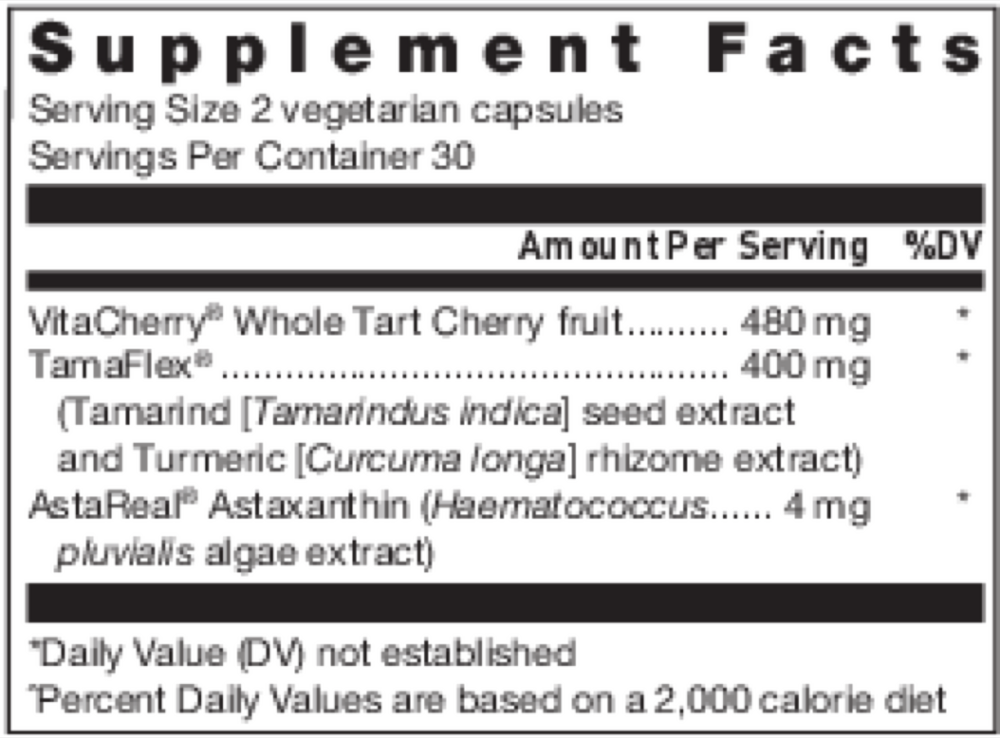


Klean Athlete
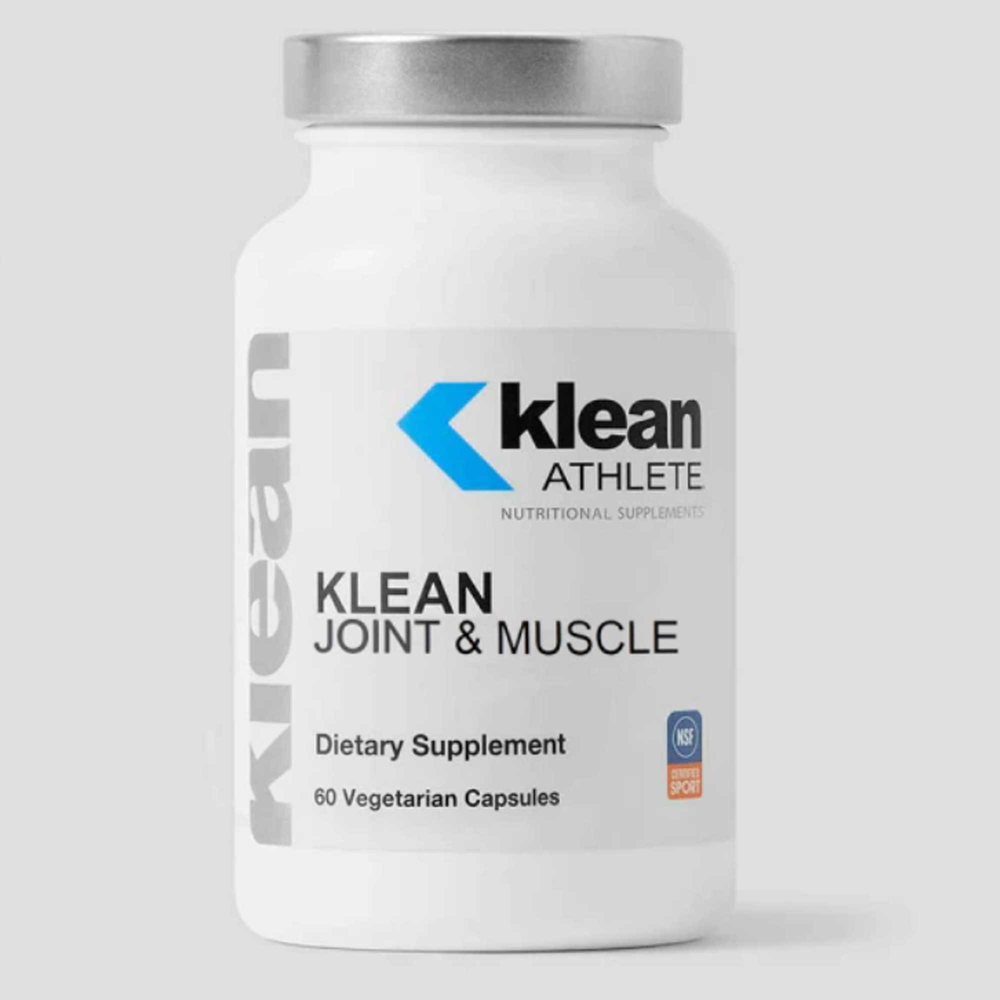
Klean Joint & Muscle by Klean Athlete
60 capsules
Support for Joint and Muscle Health with Natural Botanicals$42.50
Purchase options
Practitioner-grade brand3rd-party testedFree shipping $50+
Gluten Free
Klean Athlete Klean Joint & Muscle overview
Runners with sore knees after mileage spikes, lifters with recurring elbow or shoulder aches, and anyone whose hs-CRP (a blood marker of inflammation) runs high after hard training are the best fit. This blend pairs turmeric with tamarind, tart cherry, and astaxanthin for joint comfort and muscle recovery. It’s most useful for active adults who want less day‑after soreness without using NSAIDs daily. If you need aggressive pain control for arthritis, this is an adjunct, not a stand‑alone fix.
Tart cherry concentrates are rich in anthocyanins, the red-purple pigments that dial down inflammatory signaling and reduce the enzymes that drive soreness. In studies, they trim post-workout DOMS (delayed-onset muscle soreness) and can lower creatine kinase (CK, a marker of muscle damage) after races. Astaxanthin, the red antioxidant from algae, sits in cell membranes and limits lipid peroxidation (fatty membrane damage), which correlates with faster recovery and less fatigue. The turmeric/tamarind combo targets joint comfort by calming inflammatory pathways in cartilage and synovial tissue.
Take two capsules daily with food. For joint pain, expect meaningful changes within 2 to 12 weeks, with steadier gains the longer you stay consistent. For race weeks or new training blocks, keep the daily dose and consider starting at least 3 to 7 days before the event for the tart cherry soreness benefit. Astaxanthin at 4 mg is a mid-range daily dose; some endurance data use 4 to 12 mg.
Turmeric and tamarind can have mild blood-thinning effects; use caution with warfarin, direct oral anticoagulants (blood thinners like apixaban or rivaroxaban), and antiplatelets (aspirin, clopidogrel). Avoid high-dose turmeric extracts if you have active gallbladder disease or bile duct obstruction. If you’re pregnant, planning surgery, or have reflux that worsens with spices, check with your clinician. Monitor blood pressure if you’re on antihypertensives, as astaxanthin can nudge it down slightly.
Frequently asked questions
How long until turmeric for joint pain starts working?
Most people notice joint comfort improvements within 2 to 4 weeks, with fuller effects by 8 to 12 weeks. Muscle soreness benefits from tart cherry can be felt within days around hard training if you take it consistently.
Should I take it with food or on an empty stomach?
Take it with food. Fat-containing meals improve absorption of fat-soluble components like astaxanthin and reduce the chance of stomach upset from turmeric or tamarind.
Can I use this with ibuprofen or naproxen?
It’s best not to stack daily. Combining with NSAIDs can increase stomach irritation and bleeding risk. If you occasionally need an NSAID, separate by several hours and keep your clinician in the loop.
Is astaxanthin vegan and where does it come from?
Yes. This astaxanthin is sourced from Haematococcus pluvialis algae, not from shellfish. It’s suitable for vegetarians and vegans.
Will it help lower hs-CRP after hard training?
In responders, yes. Tart cherry and astaxanthin have shown modest reductions in hs-CRP (a marker of systemic inflammation), especially when training volume is high and soreness is frequent.
Do I take it every day or just on workout days?
Take it daily. The joint benefits build over weeks, and consistent daily use improves recovery. For events, start at least a week before and continue for a few days after.
Any common side effects I should watch for?
The most common are mild stomach upset or reflux, usually improved by taking with food. Rarely, turmeric can loosen stools or, in sensitive people, aggravate gallbladder symptoms.
Can I open the capsules and mix with a smoothie?
Yes, you can open the capsules. Mix the contents into a smoothie or yogurt taken with a meal that includes some fat to aid absorption.
How to take it & ingredients
Suggested use: Take 2 capsules daily or as directed by your health professional.
Active ingredients
2 capsules per serving
VitaCherry Whole Tart Cherry
480 mg
TamaFlex Turmeric Extract
400 mg
AstaReal Astaxanthin
Haematococcus pluvialis algae extract
Haematococcus pluvialis algae extract
4 mg
Other ingredients: Hydroxypropyl methylcellulose, Microcrystalline Cellulose, Ascorbyl Palmitate
Certifications
Benefits
Warnings
Customers also considered
Advanced Testosterone Support
Thorne
60 capsules
$43.00$38.70 with Subscribe & Save
Boswellia Phytosome
Thorne
60 capsules
$59.00$53.10 with Subscribe & Save
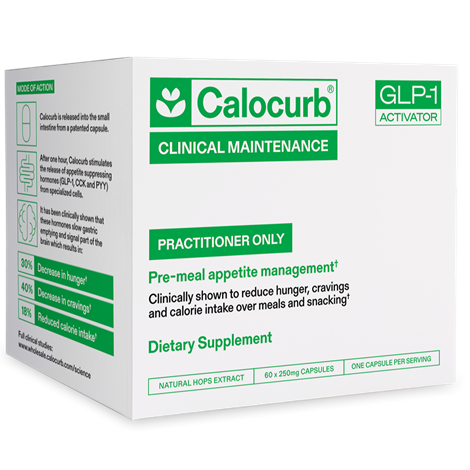
Calocurb® Clinical Maintenance Pack
Ortho Molecular Products
60 capsules
$142.90$128.74 with Subscribe & Save
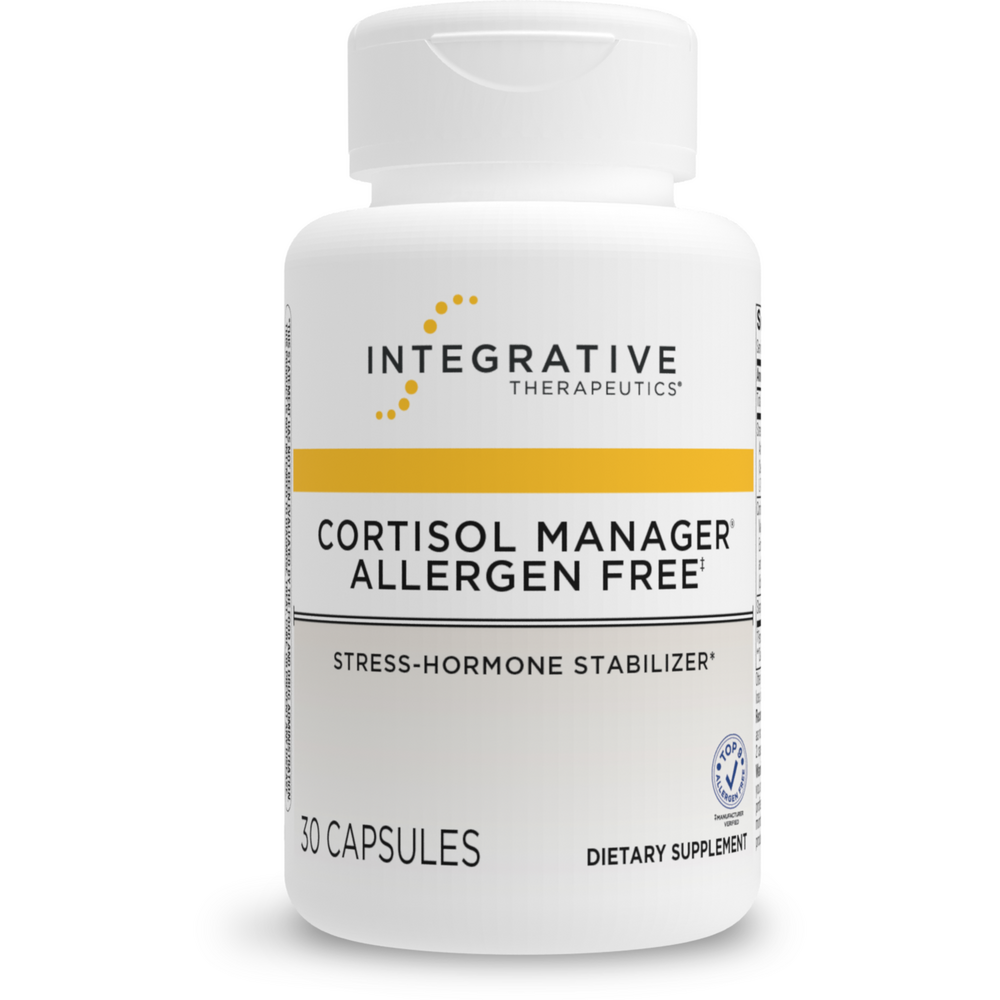
Cortisol Manager Allergen Free
Integrative Therapeutics
30 capsules
$28.99$22.99 with Subscribe & Save