 Instalab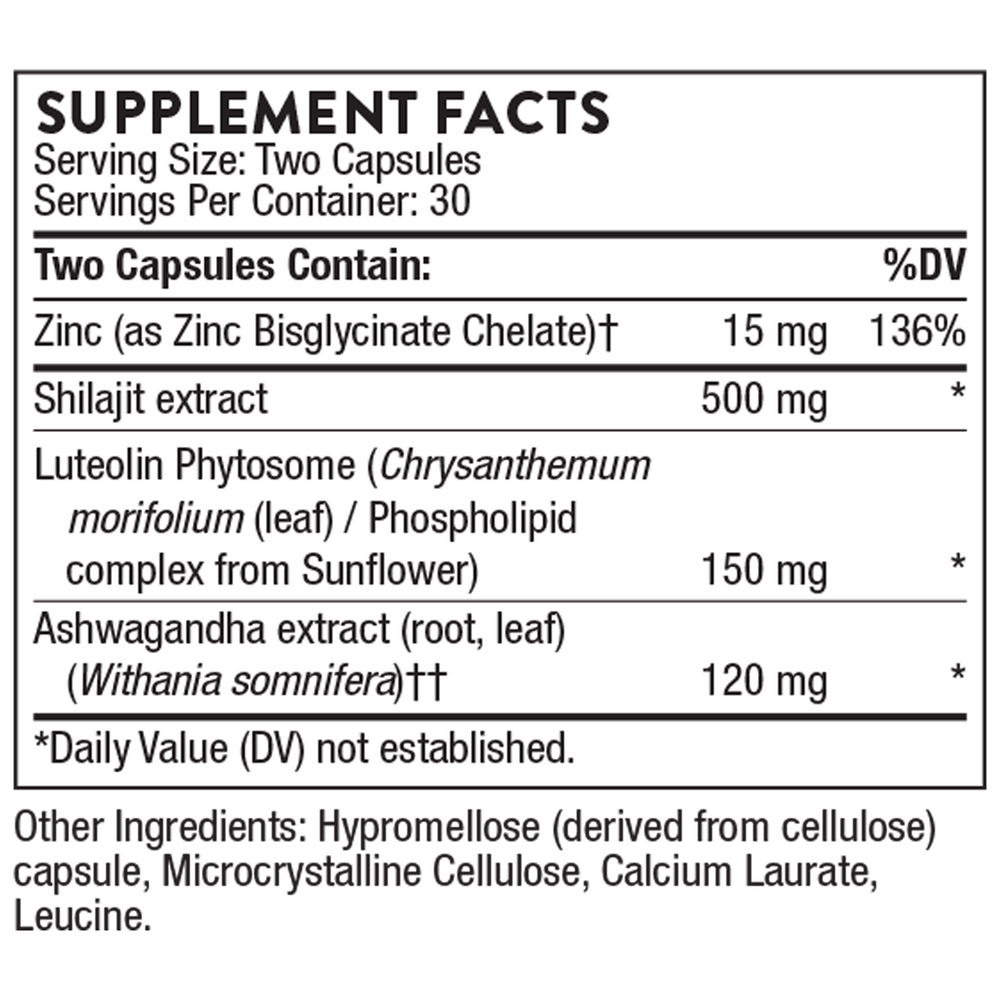
Thorne
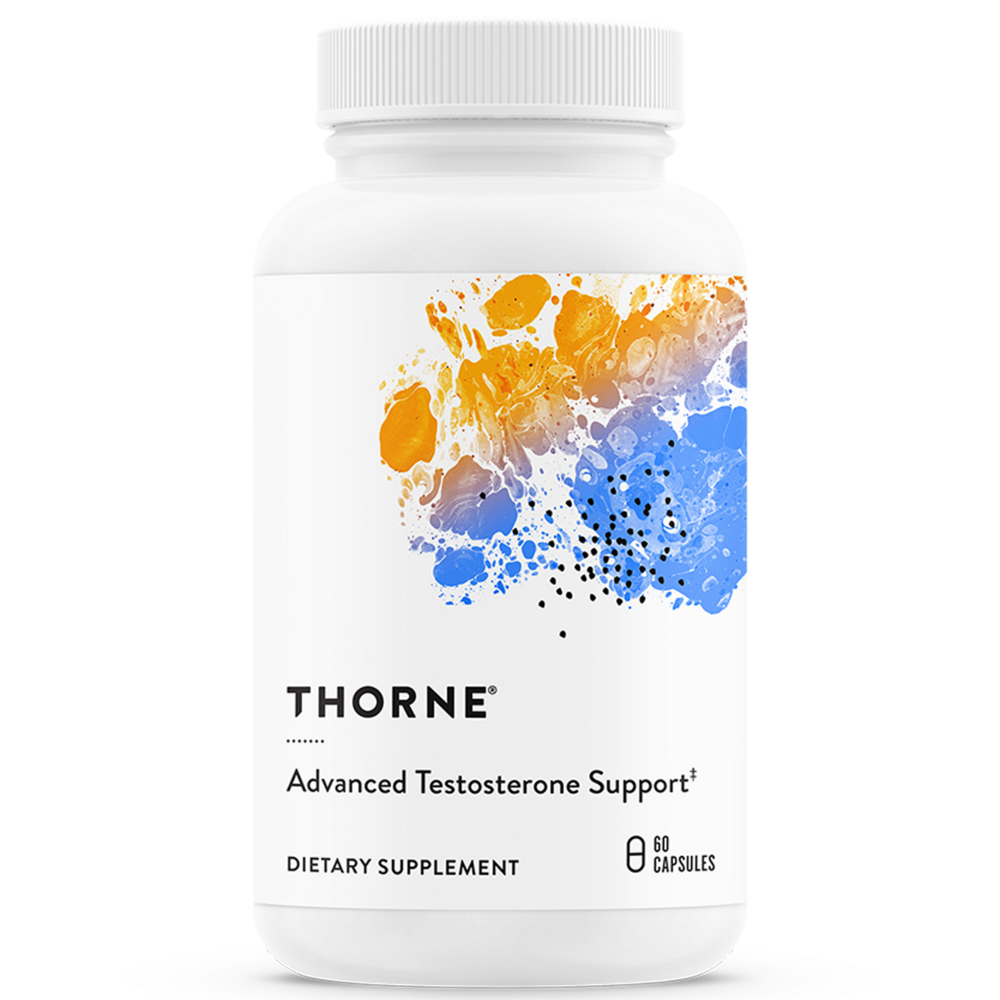
Advanced Testosterone Support by Thorne
60 capsules · 30-day supply
Natural Support for Healthy Testosterone Levels and Vitality$43.00
Purchase options
Practitioner-grade brand3rd-party testedFree shipping $50+
Gluten Free·Soy Free·Dairy Free
Thorne Advanced Testosterone Support overview
This fits men with low-normal energy, training plateaus, or reduced drive whose Total Testosterone or Free Testosterone is on the lower side. It’s useful if stress and poor sleep are high, if your Zinc is low (common in vegans or heavy sweaters), or if Estradiol, sensitive runs higher with weight gain. Track with Total and Free Testosterone, SHBG (the protein that binds testosterone), LH (the pituitary signal to the testes), and morning Cortisol.
Zinc bisglycinate is a well-absorbed form; repleting low zinc can normalize testosterone production. Shilajit (standardized extract) improved Total Testosterone roughly 15–20% in small 90-day trials, likely by supporting mitochondrial energy in the testes. Ashwagandha can lower cortisol (the stress hormone that blunts testosterone) and has shown 10–15% testosterone bumps in stressed men. Luteolin phytosome improves luteolin absorption and may inhibit aromatase, the enzyme that converts testosterone into estradiol, while acting as an antioxidant.
Take 2 capsules daily with food; morning works for most, but evening is fine if ashwagandha feels calming. Separate from quinolone or tetracycline antibiotics by 2–4 hours because zinc blocks their absorption. Expect changes within 4 to 12 weeks. Recheck Total and Free Testosterone, SHBG, Estradiol, sensitive, and morning Cortisol after 8–12 weeks. Results are stronger with resistance training, 7–8 hours of sleep, weight loss if needed, and limiting alcohol.
Skip if you have prostate cancer, markedly elevated PSA, or are planning pregnancy without clinician input. Avoid in pregnancy or breastfeeding. Use caution with thyroid disease because ashwagandha can boost thyroid activity in rare cases. Sedatives can add to ashwagandha’s calming effect. Long-term high zinc can lower copper, though 15 mg/day is moderate. Allergic to sunflower? The luteolin is in a sunflower-derived phytosome. On prescription testosterone? This is adjunct, not a replacement.
Frequently asked questions
Will this actually raise testosterone?
In men with low or low-normal levels, it can help. Zinc repletion, ashwagandha, and shilajit show modest rises (often 10–20%) over 8–12 weeks. If testosterone is very low from testicular or pituitary disease, you need medical evaluation and possibly prescription therapy.
How long does testosterone support take to work?
Give it 4–12 weeks. Most human studies on shilajit and ashwagandha ran 8–12 weeks. Re-test Total and Free Testosterone, SHBG, and Estradiol, sensitive after 8–12 weeks to gauge response.
What’s the best time of day to take it?
With a meal, once daily. Morning suits most people. If ashwagandha makes you relaxed, evening is fine. Separate from quinolone or tetracycline antibiotics by a few hours because zinc interferes with their absorption.
Can I take this with testosterone therapy (TRT)?
Yes, but it’s adjunct. It won’t replace TRT. Discuss with your prescriber, especially if you’re also using aromatase inhibitors, since luteolin has mild aromatase-inhibiting activity.
Is it safe for women to use?
Women aren’t the intended users here. Some ingredients are fine for women, but the goal is testosterone support. Avoid during pregnancy or breastfeeding and discuss alternatives with your clinician.
Any common side effects?
Generally well tolerated. Possible mild stomach upset, drowsiness from ashwagandha, or headache. Rarely, ashwagandha can increase thyroid activity. Take with food and stop if you notice unusual symptoms.
Does zinc in this interact with medications?
Yes. Zinc can bind quinolone and tetracycline antibiotics and some osteoporosis drugs, reducing their absorption. Separate dosing by at least 2–4 hours. Long-term high-dose zinc can lower copper, but this dose is moderate.
Will this improve fertility or sperm quality?
In men with stress and low-normal testosterone, ashwagandha has improved sperm parameters in studies. Results vary, and a semen analysis plus hormones (Total/Free Testosterone, LH, FSH, Prolactin) gives better guidance.
How to take it & ingredients
Suggested use: Take 2 capsules daily or as recommended by your health care practitioner.
Active ingredients
2 capsules per serving · 30 servings
Zinc
Zinc Bisglycinate Chelate
Zinc Bisglycinate Chelate
15 mg
Shilajit Extract
500 mg
Ashwagandha Extract (root and leaf)
Withania somnifera
Withania somnifera
120 mg
Luteolin Phytosome
Chrysanthemum morifolium leaf extract / Phospholipid complex from Sunflower
Chrysanthemum morifolium leaf extract / Phospholipid complex from Sunflower
150 mg
Other ingredients: Hypromellose Capsule, Microcrystalline Cellulose, Calcium Laurate, Leucine
Certifications
Benefits
Warnings
Customers also considered
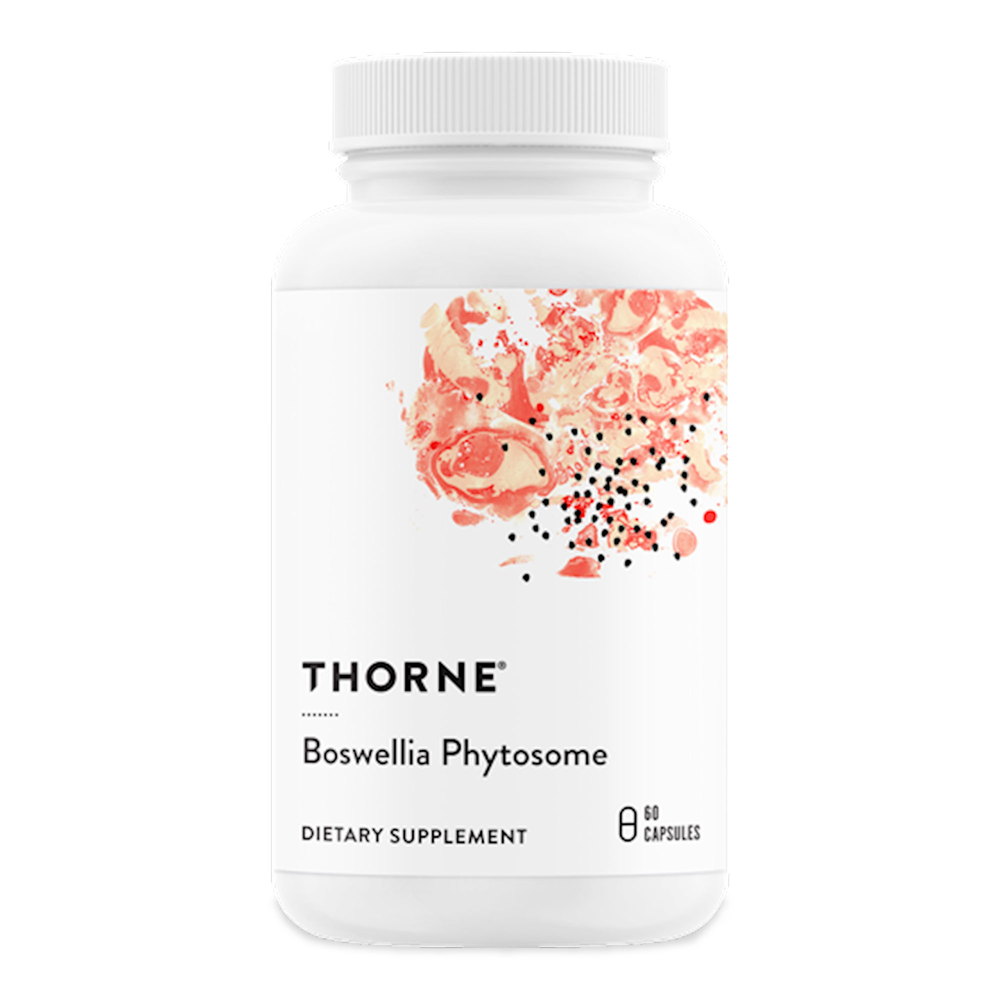
Boswellia Phytosome
Thorne
60 capsules
$59.00$53.10 with Subscribe & Save
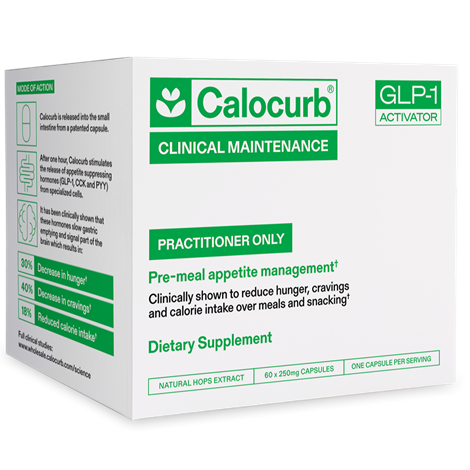
Calocurb® Clinical Maintenance Pack
Ortho Molecular Products
60 capsules
$142.90$128.74 with Subscribe & Save
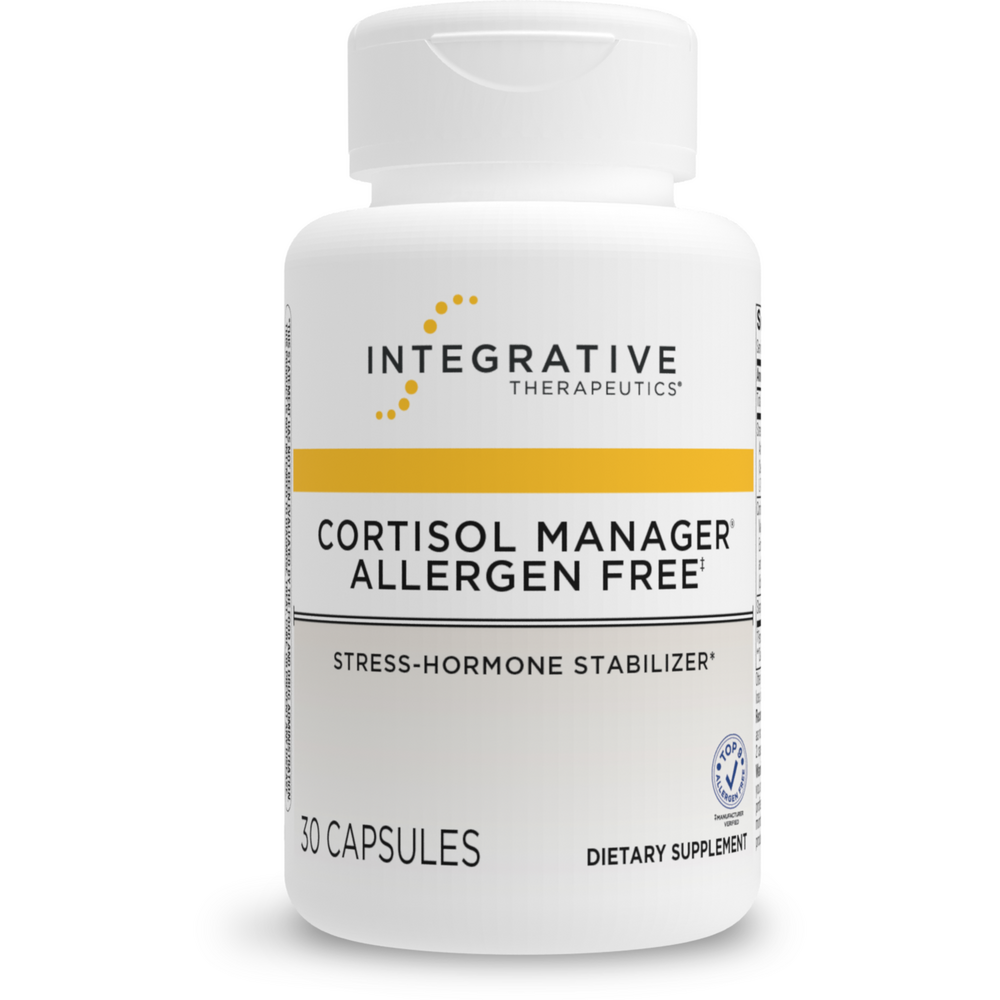
Cortisol Manager Allergen Free
Integrative Therapeutics
30 capsules
$28.99$22.99 with Subscribe & Save
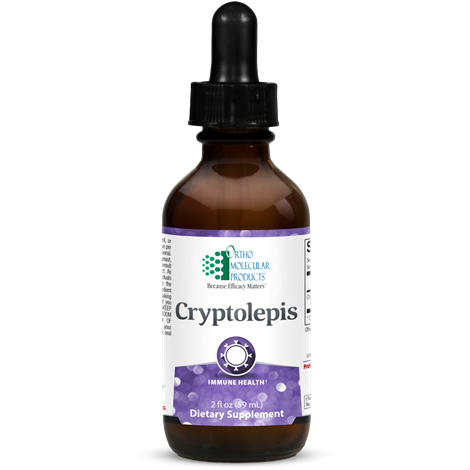
Cryptolepis
Ortho Molecular Products
59 milliliters
$59.55$53.65 with Subscribe & Save