 Instalab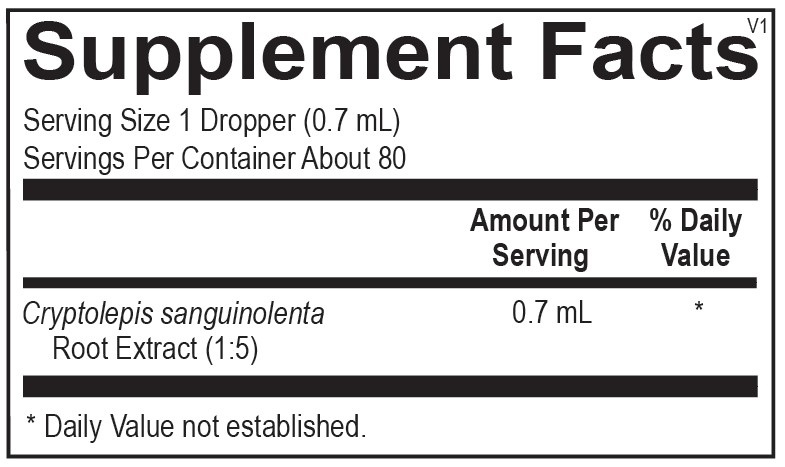

Ortho Molecular Products
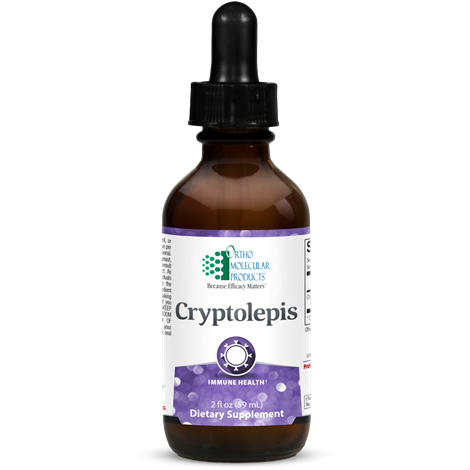
Cryptolepis 0.7 milliliter by Ortho Molecular Products
59 milliliters · 84-day supply
Support for Immune Function and Overall Wellness with Cryptolepis Extract$59.55
Purchase options
Practitioner-grade brand3rd-party testedFree shipping $50+
Gluten Free·Corn Free·Yeast Free·Artificial Color Free·Artificial Flavor Free
Ortho Molecular Products Cryptolepis overview
This fits adults working with a clinician on a botanical antimicrobial plan who want a single-herb cryptolepis tincture rather than a blend. It’s commonly used when microbial balance is the goal and your hs-CRP (an inflammation marker) runs high during flares. If you’ve had liver enzyme bumps before, build in checks of ALT and AST (liver enzymes) during use. Many practitioners pair cryptolepis with cat’s claw or Japanese knotweed when the Omega-3 Index is fine but infection-driven symptoms are suspected.
Cryptolepis (Cryptolepis sanguinolenta) contains indoloquinoline alkaloids like cryptolepine that, in lab studies, disrupt microbial DNA handling and break down biofilms (the protective layers some microbes form). That’s why it shows in‑vitro activity against certain bacteria and protozoa, including Borrelia species and malaria parasites. It also has polyphenols with modest antioxidant effects. Human data are limited to small and uncontrolled studies, so treat this as a clinician-guided experiment and track symptoms with labs like hs-CRP rather than expecting drug-like results.
Mix one full dropper (about 0.7 mL) in a few ounces of water twice daily, as directed. The taste is bitter; food can help if your stomach is sensitive. Many clinicians start at half-dropper doses for 3–5 days, then increase to the suggested use. Reassess within 4 to 6 weeks with your symptom log and, if relevant, hs-CRP or a Liver Panel. If you need multi-herb coverage, practitioners often add Andrographis or Sweet Wormwood rather than pushing this higher.
Skip during pregnancy or while trying to conceive; traditional texts note uterine effects. Avoid if you have active liver disease, heavy alcohol use, or a history of unexplained ALT/AST elevations; monitor a Liver Panel if you proceed. Data on drug interactions are sparse, so use extra caution with narrow-therapeutic-index drugs (warfarin, digoxin, tacrolimus) and other liver-metabolized agents. If you’re already on antibiotics, do not stop them; some clinicians combine cryptolepis, but that decision should be supervised.
Frequently asked questions
What is cryptolepis tincture used for?
Clinicians use cryptolepis tincture in botanical protocols aiming at microbial balance, especially during symptom flares. Evidence in humans is limited, so pair it with clinical follow-up and labs like hs-CRP or a Liver Panel to gauge response and safety.
Does cryptolepis treat Lyme disease?
No established human evidence shows it treats Lyme. Lab studies show activity against Borrelia, but that’s not the same as proven treatment. If Lyme is suspected or confirmed, work with a clinician and don’t replace antibiotics with herbs.
How long does cryptolepis take to work?
People who respond typically notice changes within 2 to 4 weeks. Most clinicians reassess by 4 to 6 weeks using symptom tracking and, when relevant, hs-CRP or liver enzymes (ALT, AST) to confirm both effect and tolerance.
Can I take cryptolepis with antibiotics?
Often, yes—many clinicians combine them. There’s no evidence cryptolepis reduces antibiotic effectiveness. Still, coordinate dosing with your prescriber and monitor for side effects, especially stomach upset or liver enzyme changes.
What are common side effects of cryptolepis?
The most common are bitter taste, mild nausea, or loose stools. Rarely, people report fatigue or elevated liver enzymes. Take with food if sensitive and stop if you develop jaundice, dark urine, or right‑upper abdominal pain.
Is cryptolepis safe in pregnancy or while trying to conceive?
Avoid it. Traditional sources and limited data suggest uterine effects and possible anti-fertility actions. Choose alternatives cleared by your obstetric provider if antimicrobial support is needed.
Do I need liver tests while using cryptolepis?
If you plan more than a brief trial or have liver risk factors, yes. Check a baseline Liver Panel (including ALT and AST) and repeat in 4 to 6 weeks, or sooner if you develop symptoms suggestive of liver irritation.
Does cryptolepis interact with other herbs or supplements?
It’s commonly paired with cat’s claw, Japanese knotweed, Andrographis, or Sweet Wormwood. Because interaction data are limited, add one item at a time and avoid stacking with other liver-stressing agents without oversight.
How to take it & ingredients
Suggested use: Mix 1 full dropper (0.7 mL or approximately 25-30 drops) with 2 fluid ounces of water, twice per day or as recommended by your health care professional.
Active ingredients
1 full dropper = 0.7 mL per serving · 84 servings
Cryptolepis
Root Extract (1:5)
Root Extract (1:5)
0.7 milliliter
Certifications
Benefits
Warnings
Customers also considered
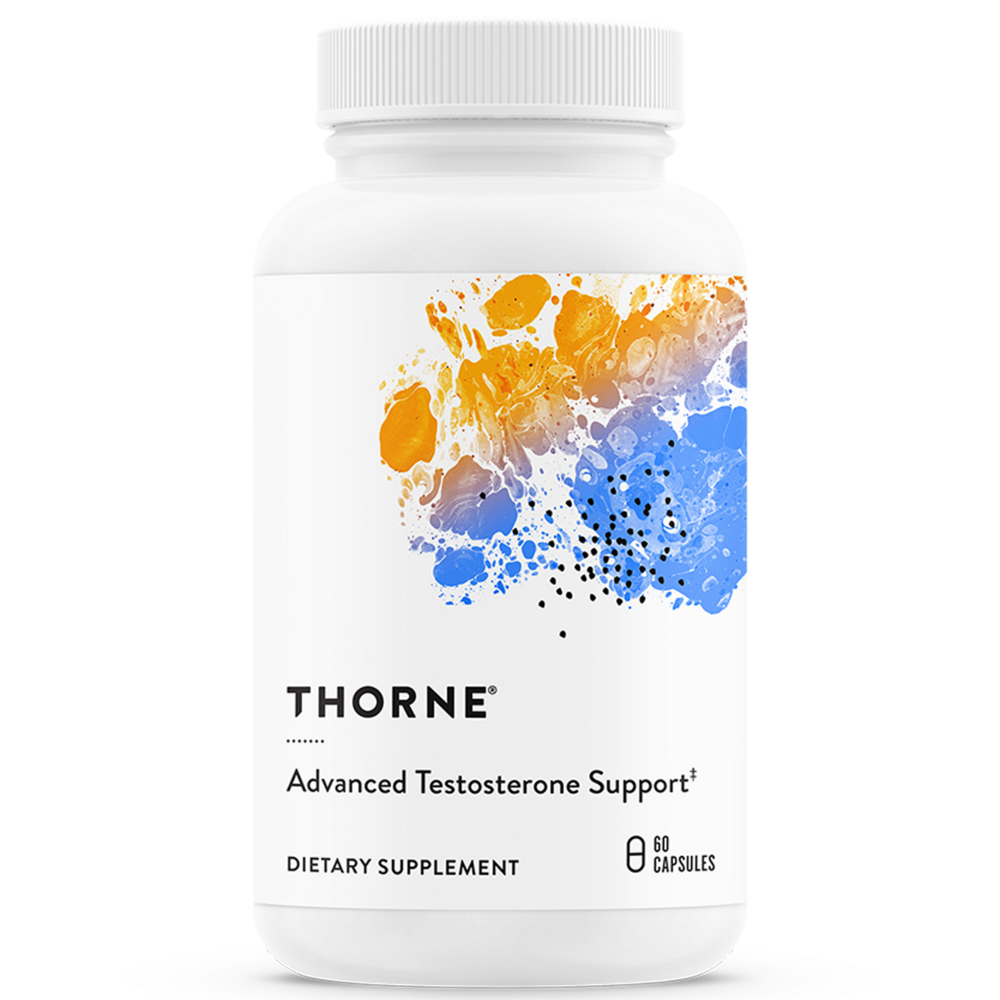
Advanced Testosterone Support
Thorne
60 capsules
$43.00$38.70 with Subscribe & Save
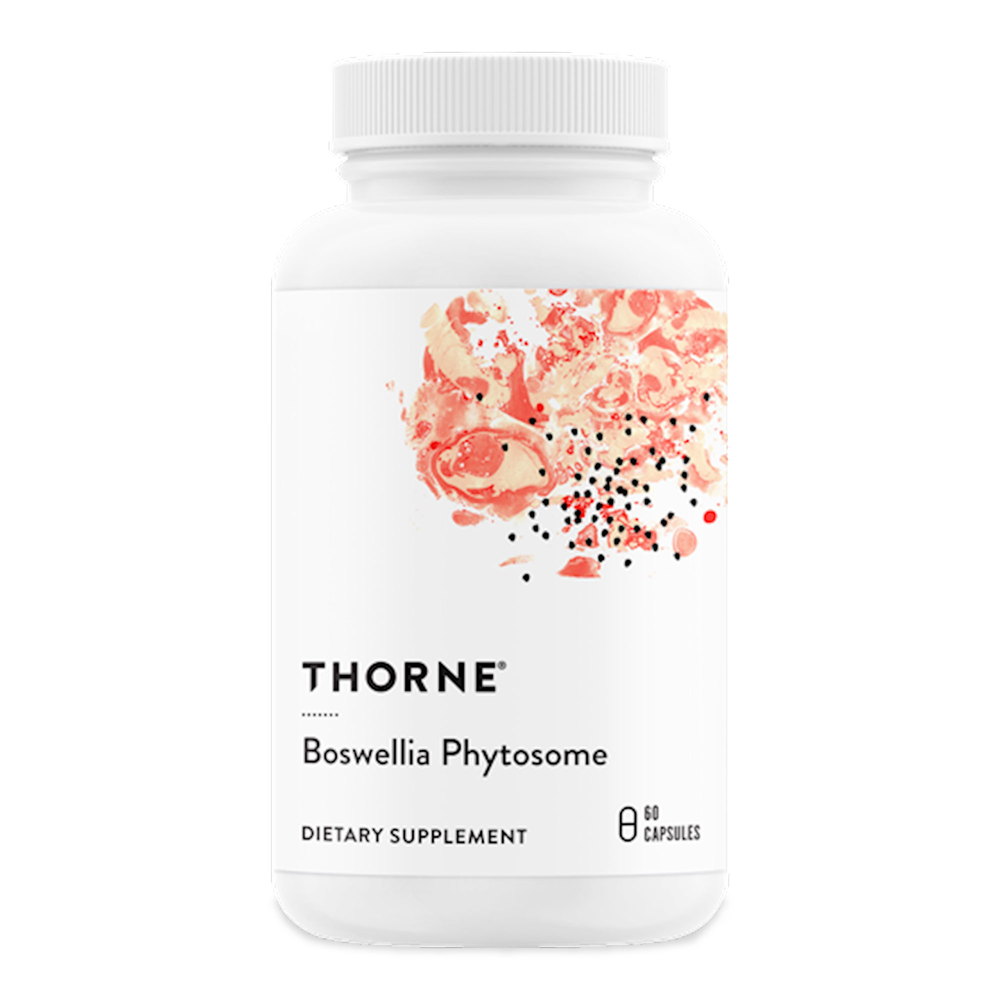
Boswellia Phytosome
Thorne
60 capsules
$59.00$53.10 with Subscribe & Save
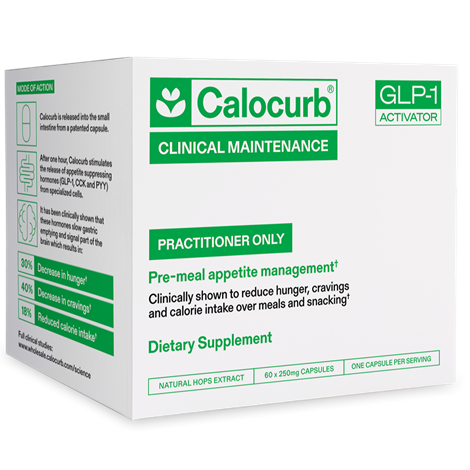
Calocurb® Clinical Maintenance Pack
Ortho Molecular Products
60 capsules
$142.90$128.74 with Subscribe & Save
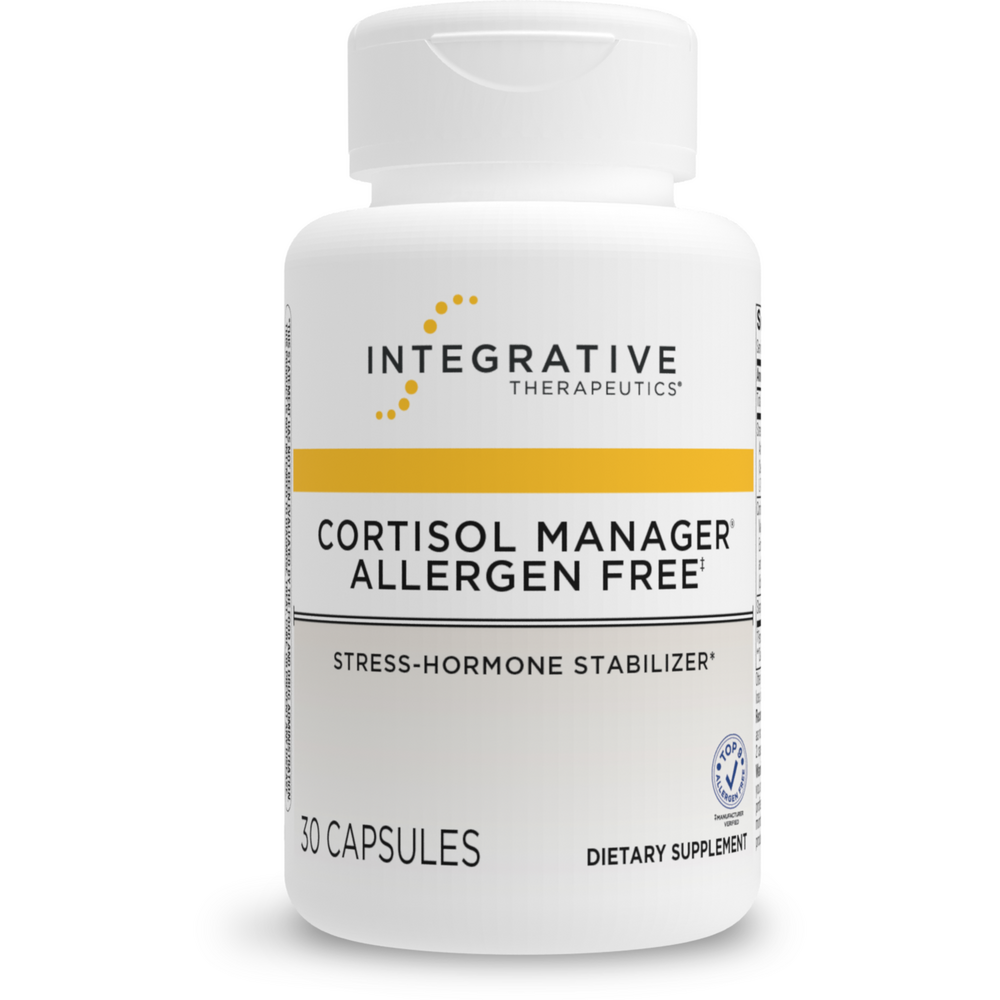
Cortisol Manager Allergen Free
Integrative Therapeutics
30 capsules
$28.99$22.99 with Subscribe & Save