
 Instalab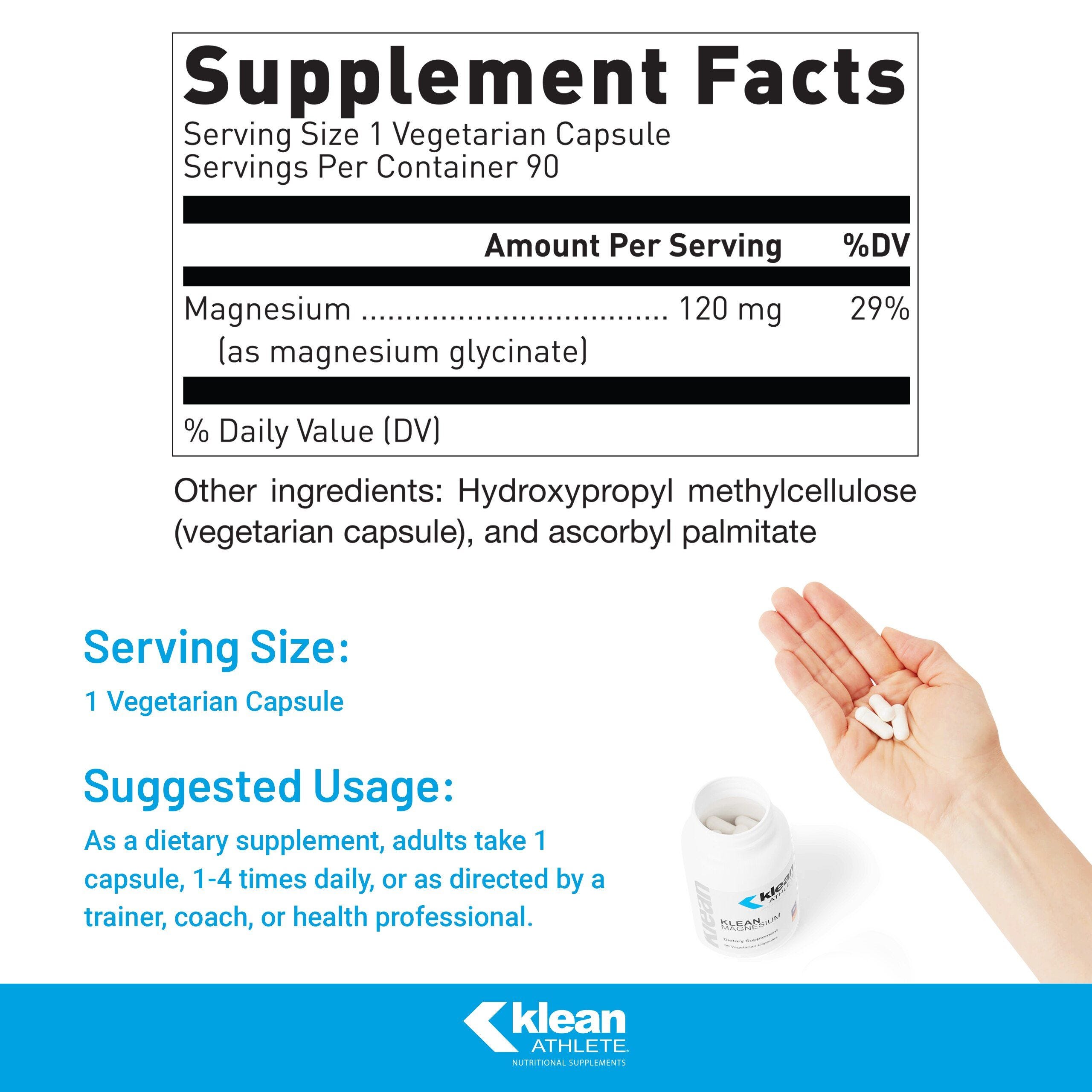


Klean Athlete
Magnesium 120 mg by Klean Athlete
90 capsules · 90-day supply
Essential Magnesium for Muscle Function and Relaxation$XX.XX$26.50retail
Purchase option
21% below MSRP3rd-party tested for purity & potencyFree shipping $50+
Vegetarian·Gluten Free
Klean Athlete Magnesium overview
If you’re searching for magnesium glycinate for better sleep, fewer muscle cramps, or steadier stress response, this fits. It’s well suited to athletes with heavy sweat loss, people with low veggie/legume intake, and those on diuretics (water pills that waste minerals) or proton‑pump inhibitors for reflux. If your Serum Magnesium is normal but symptoms persist, check RBC Magnesium (magnesium inside red blood cells), which can flag low tissue levels. Klean Athlete’s dose is easy to scale for maintenance or repletion.
Magnesium drives ATP production (the cell’s energy currency) and relaxes muscle by balancing calcium flow in muscle cells. The glycinate form is magnesium bound to glycine, an amino acid that is gentle on the gut and also signals the brain toward calm via GABA receptors (the system that dampens overexcited nerves). Compared with oxide or citrate, magnesium glycinate is better absorbed and far less laxative, so you can reach an effective dose without bathroom drama.
Each capsule provides 120 mg elemental magnesium; the label allows 1–4 capsules daily with a meal. Most people feel calmer sleep and fewer nighttime cramps when they place most or all of the dose in the evening. Split larger daily amounts into 2–3 doses for steadier absorption. Increase every few days until symptoms improve or you reach bowel tolerance (looser stools), then back off slightly.
Magnesium binds certain meds in the gut. Separate by at least 2–4 hours from levothyroxine, tetracycline and quinolone antibiotics, and oral bisphosphonates for bone. Large calcium or iron doses can compete with absorption; take them at a different meal. If you use blood pressure drugs, monitor at home as you raise magnesium—combined effects can lower readings. Alcohol increases magnesium loss, so needs may be higher on heavy drinking days.
Avoid high-dose magnesium if you have significant kidney disease, because impaired kidneys can’t clear excess and levels can rise too high. If you have myasthenia gravis (a neuromuscular condition causing weakness) or a history of heart block (electrical conduction problems), use magnesium only with clinician guidance. Pregnancy and breastfeeding: typical dietary doses are fine, but use higher amounts only with your obstetric clinician’s input.
Frequently asked questions
How long does magnesium glycinate take to work for sleep or cramps?
Some feel calmer sleep or fewer nighttime cramps within a few days, but give it 2–4 weeks for a fair trial. If nothing changes by then, check dosing, timing (evening often helps), and labs like RBC Magnesium.
What’s the difference between magnesium glycinate vs citrate or oxide?
Glycinate is better absorbed and gentler on the gut, so it’s preferred for sleep, stress, and cramps. Citrate is more laxative and often used for constipation. Oxide is inexpensive but poorly absorbed and more likely to cause diarrhea.
Can I take magnesium glycinate with antidepressants or sleep meds?
Generally yes, there’s no direct interaction with SSRIs, SNRIs, trazodone, or melatonin. It can add to sedation, so start at a lower evening dose and assess. Always separate it from meds that bind with minerals, like levothyroxine or certain antibiotics.
Does magnesium glycinate cause diarrhea?
It’s the least laxative common form, but very high doses can still loosen stools. Increase gradually and split doses across the day. If diarrhea persists, reduce by one capsule or switch timing to evening only.
What labs should I check before taking magnesium?
Serum Magnesium can miss low tissue levels. RBC Magnesium provides a better sense of intracellular status. In athletes, also track symptoms and consider pairing with basic electrolytes and kidney markers on your next panel.
Can magnesium glycinate lower blood pressure?
Modest reductions are common in people with low intake to start, typically showing within 4–8 weeks. If you’re on blood pressure medication, track readings as you increase magnesium to avoid going too low.
What dose of magnesium glycinate should I start with?
Start with 120–240 mg daily (1–2 capsules) with a meal, often in the evening. If symptoms persist and stools are normal, increase every few days up to 360–480 mg, then maintain the lowest dose that keeps benefits.
How to take it & ingredients
Suggested use: Adults take 1-4 capsules daily with a meal or as directed by a health professional.
Active ingredients
1 capsule per serving · 90 servings
Magnesium
Magnesium Glycinate
Magnesium Glycinate
120 mg
Other ingredients: Hydroxypropyl methylcellulose (vegetarian capsule), Ascorbyl palmitate
Certifications
Benefits
Warnings
Customers also considered
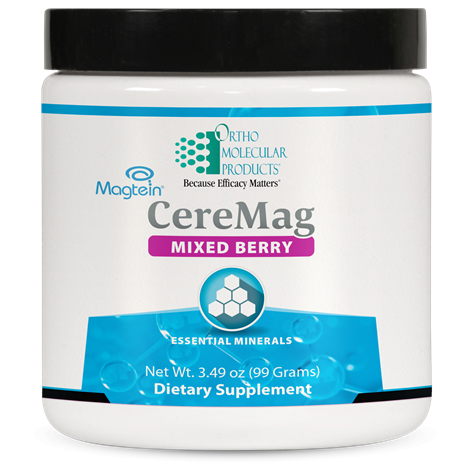
Ortho Molecular Products
CereMag
99 grams
$77.76
Add to cart for lower price

Garden of Life
Dr. Formulated Magnesium Raspberry
197.4 grams
$24.99
Add to cart for lower price

Natura Health Products
Dual-Mag Complex
90 capsules
$22.99
Add to cart for lower price

Ortho Molecular Products
Mag Threonate
60 capsules
$78.64
Add to cart for lower price