
 Instalab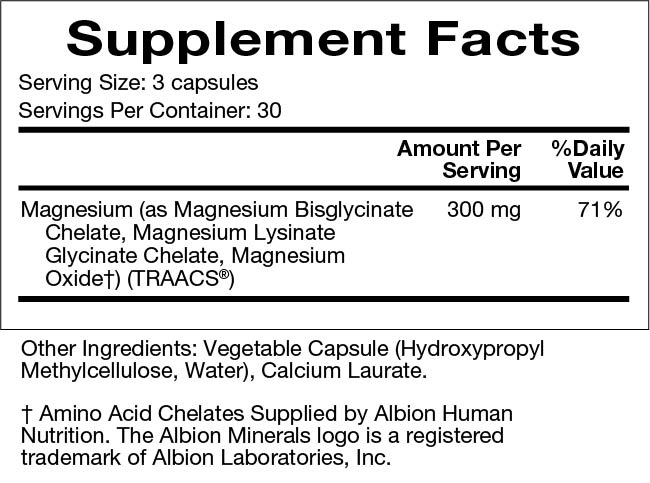




Natura Health Products
Dual-Mag Complex 300 mg by Natura Health Products
90 capsules · 30-day supply
Comprehensive Magnesium Support for Relaxation and Muscle Function$22.99
Purchase options
Practitioner-grade brand3rd-party testedFree shipping $50+
Gluten Free·Dairy Free·Egg Free·Milk Free·Tree Nut Free·Fish Free·
Natura Health Products Dual-Mag Complex overview
If sleep is light, muscles stay tight, or stress runs high, magnesium glycinate is a pragmatic first step. It fits adults whose RBC Magnesium (the form measured inside red blood cells) or serum magnesium is low or low‑normal, athletes losing minerals in sweat, and people who don’t tolerate citrate or oxide because of diarrhea. The 300 mg elemental dose here is maintenance-level; if you have established deficiency, you’ll likely need a higher short-term repletion plan with your clinician.
Magnesium calms the nervous system by helping GABA receptors (the brain’s main “brake” signal) function and by tempering NMDA receptors (excitatory signals), which is why many notice steadier sleep and less muscle tension. It is required to make ATP (your cells’ energy currency) and relaxes blood vessels, which contributes to small blood-pressure drops over weeks. Glycinate-based chelates, like magnesium bisglycinate and magnesium lysinate glycinate, are gentle and well absorbed. A touch of magnesium oxide adds stool-softening without the cramping many get from oxide alone. Modest reductions in hs-CRP (an inflammation marker) are seen in some patients.
Take three capsules daily with food, often best in the evening if sleep is the goal. Sensitive stomach or loose stools: split morning and night. Separate magnesium from levothyroxine, certain antibiotics, and bisphosphonates by at least 4 hours. If you also take large calcium or iron doses, space them from magnesium for best absorption. Expect sleep and muscle effects within days to 2 weeks; blood-pressure or glucose changes typically take 8–12 weeks. Recheck RBC Magnesium in 8–12 weeks.
Chronic kidney disease or significant heart block: use only with clinician oversight, since magnesium is cleared by the kidneys. Separate from tetracycline or fluoroquinolone antibiotics, levothyroxine, and bisphosphonates to avoid blocking their absorption. Loop or thiazide diuretics can lower magnesium; proton pump inhibitors are linked to low magnesium over time, which makes supplementation more relevant but worth monitoring with labs.
Frequently asked questions
Does magnesium glycinate help you sleep?
Often yes. By calming excitatory signaling and supporting GABA activity, magnesium glycinate can improve sleep depth and ease muscle tension. Most notice changes within a few days to 2 weeks. If insomnia has multiple causes, expect it to be one piece of the plan.
How long does magnesium glycinate take to work?
For sleep and muscle relaxation, days to 2 weeks is common. For blood-pressure or metabolic effects, give it 8–12 weeks and retest RBC Magnesium. If you started from a low level, your timeline may be longer and dose needs higher under guidance.
Is 300 mg of magnesium glycinate enough?
For maintenance, 300 mg elemental magnesium suits many adults, especially if diet intake is decent. If your RBC Magnesium is low or you’re symptomatic, clinicians often use higher short-term repletion, then step down once levels and symptoms improve.
What’s the difference between glycinate and oxide or citrate?
Glycinate (and bisglycinate) are chelated to amino acids, which improves tolerance and steady absorption with less diarrhea. Citrate and oxide draw water into the bowels, so they help constipation but are more likely to cause loose stools.
Can I take magnesium glycinate with antidepressants or anxiety meds?
Generally yes, there’s no common direct interaction. Take it with food, and separate it from meds that bind minerals. If you’re on sedating drugs or lithium, check with your prescriber before adding any calming supplement.
Does magnesium glycinate interact with thyroid medication?
Yes, it can block absorption of levothyroxine if taken together. Separate by at least 4 hours. This spacing also applies to tetracycline or fluoroquinolone antibiotics and bisphosphonates.
Will magnesium glycinate cause diarrhea?
It’s less likely than citrate or oxide. This formula is primarily glycinate-based, which is gentle, though a small amount of oxide may soften stools. If you get loose stools, split the dose or take with your largest meal.
How to take it & ingredients
Suggested use: Take 3 capsules daily or as directed by your healthcare practitioner.
Active ingredients
3 capsules per serving · 30 servings
Magnesium
Magnesium Bisglycinate Chelate, Magnesium Lysinate Glycinate Chelate, Magnesium Oxide (TRAACS)
Magnesium Bisglycinate Chelate, Magnesium Lysinate Glycinate Chelate, Magnesium Oxide (TRAACS)
300 mg
Other ingredients: Vegetable capsule (hydroxypropyl methylcellulose, water), Rice blend extract (rice bran extract, rice hulls, gum arabic, sunflower oil)
Certifications
Benefits
Warnings
Customers also considered
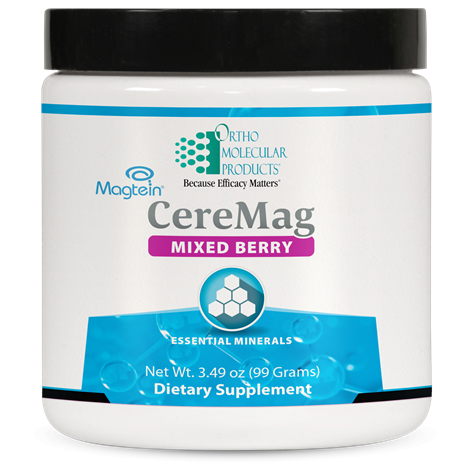
CereMag
Ortho Molecular Products
99 grams
$77.76$70.05 with Subscribe & Save

Dr. Formulated Magnesium Raspberry
Garden of Life
197.4 grams
$24.99$19.99 with Subscribe & Save

Mag Threonate
Ortho Molecular Products
60 capsules
$78.64$70.85 with Subscribe & Save

MagSRT
Jigsaw Health
120 tablets
$27.99$21.99 with Subscribe & Save