
 Instalab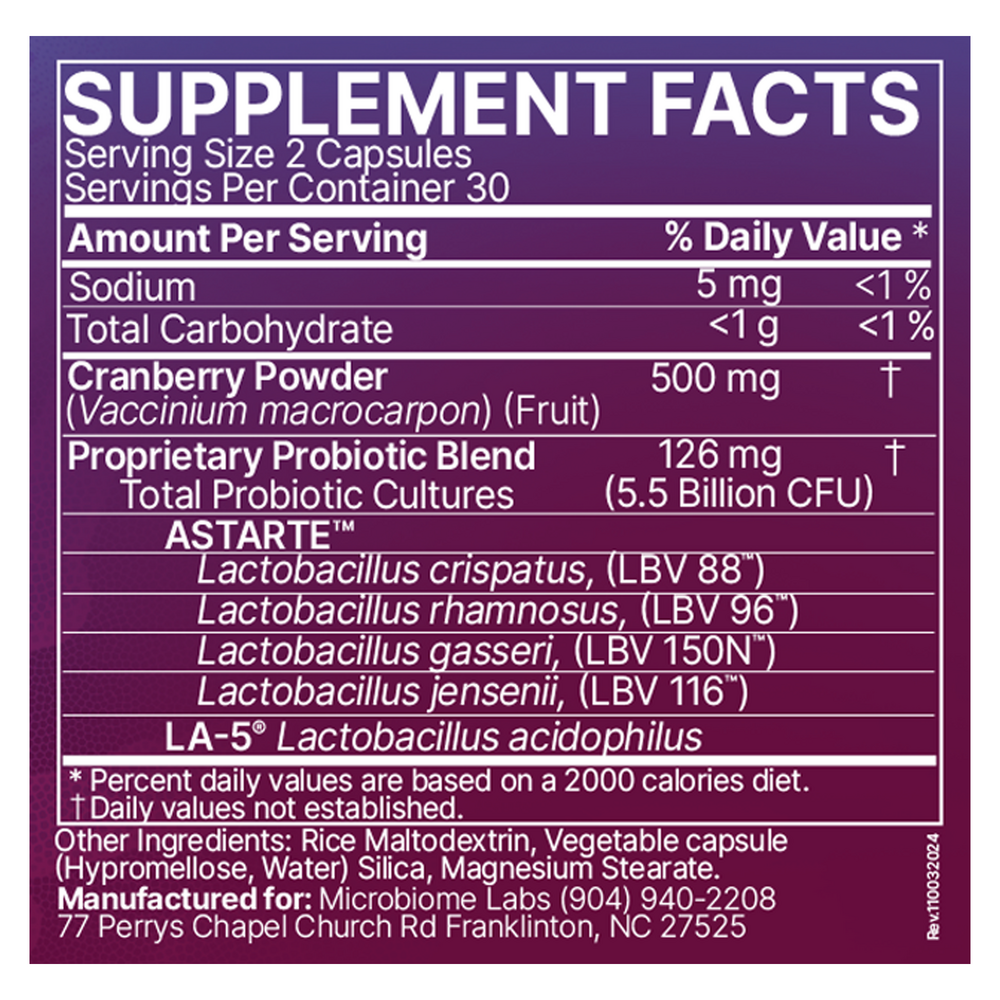

Microbiome Labs
Vaginal Balance by Microbiome Labs
60 capsules · 30-day supply
Support for Vaginal Health and Balance with Probiotics and Cranberry$XX.XX$32.99retail
This item is currently out of stockGet notified when this item is back in stock
21% below MSRP3rd-party tested for purity & potencyFree shipping $50+
Vegan
Microbiome Labs Vaginal Balance overview
This is a fit if you get recurrent vaginal imbalance—yeast symptoms after antibiotics, bacterial vaginosis that keeps coming back, or urinary burning after sex—and want a vaginal probiotic with cranberry rather than another antifungal cycle. It’s also reasonable for postmenopausal women with dry, higher-pH tissue who aren’t using vaginal estrogen, and for anyone with low fermented-food intake who wants gentler, preventive care rather than a treatment for an active infection.
Lactobacillus species dominate a healthy vagina by making lactic acid (the acid that keeps vaginal pH low) and hydrogen peroxide, which discourages overgrowth of yeast and anaerobic bacteria. A daily vaginal probiotic can help re-establish these bacteria after antibiotics or douching. Cranberry powder is rich in proanthocyanidins, plant compounds that make it harder for E. coli to stick to the urinary tract lining, which is why cranberry lowers UTI recurrence in some studies. Expect any shift in symptoms within 4 to 8 weeks, with fuller benefits over 3 months.
Take two capsules daily with or without food, preferably at the same time each day. If you’re on antibiotics, take the probiotic at least two to three hours away from each antibiotic dose and continue for one to two weeks after the course. For recurrent issues, plan on daily use for 8 to 12 weeks, then reassess. If you need faster relief during an active flare, this is adjunctive, not a replacement for clinician-directed treatment.
Skip cranberry-containing products if you take warfarin (a blood thinner) due to a potential interaction. Use caution with a history of calcium oxalate kidney stones, since cranberry contributes oxalate. People with central venous catheters or who are severely immunocompromised should avoid probiotics unless cleared by their specialists. Pregnancy and breastfeeding: generally considered low risk, but discuss with your obstetric clinician first.
Frequently asked questions
How long does a vaginal probiotic take to work?
Most people who respond notice steadier odor, discharge, or comfort within 4–8 weeks. Recurrence rates for BV or UTIs are usually evaluated over 3 months, so give it consistent daily use before judging.
Can I take a vaginal probiotic with antibiotics?
Yes, but separate doses by at least 2–3 hours so the antibiotic doesn’t wipe out the bacteria. Continue the probiotic for 1–2 weeks after finishing antibiotics to help repopulate lactobacilli.
Does cranberry actually prevent UTIs?
Cranberry reduces UTI recurrences in some people by blocking E. coli from sticking to the urinary tract lining. The effect is modest and preventive, not a cure for an active infection. Seek care if you have symptoms.
Will this help yeast infections or BV?
It’s best for prevention and maintenance between episodes. Probiotics that restore lactobacilli can reduce recurrences of BV and yeast in some women, but an active infection usually needs clinician-directed treatment.
Are there side effects with probiotics or cranberry?
Common effects are mild gas or bloating in the first week. Cranberry can cause stomach upset in sensitive people. Stop and consult a clinician if you develop hives, severe pain, fever, or worsening symptoms.
Can men take a vaginal probiotic with cranberry?
It’s formulated for vaginal and urinary ecology in women. Men with recurrent UTIs should discuss targeted options with a clinician; cranberry can be used by men, but the probiotic strains are aimed at vaginal balance.
When should I take it during the day?
Any consistent time is fine. Taking it with a small snack can reduce mild stomach upset. Consistency matters more than time of day for microbiome effects.
Is this safe in pregnancy or while breastfeeding?
Probiotics are generally considered low risk, and cranberry is widely used, but data in pregnancy are limited. Check with your obstetric clinician before starting during pregnancy or while nursing.
How to take it & ingredients
Suggested use: Adults (18+): Take 2 capsules per day.
Active ingredients
2 capsules per serving · 30 servings
▼
Proprietary Probiotic Blend
5.5 billion CFU, 126 mg
Lactobacillus crispatus (LBV 88)
-
Lactobacillus rhamnosus (LBV 96)
-
Lactobacillus gasseri (LBV 150N)
-
Lactobacillus jensenii (LBV 116)
-
Lactobacillus acidophilus LA-5
-
Sodium
5 mg
Cranberry Powder (Vaccinium macrocarpon) (Fruit)
500 mg
Other ingredients: Rice Maltodextrin, Vegetable Capsule (Hypromellose, Water), Silica, Magnesium Stearate
Certifications
Benefits
Warnings
Customers also considered
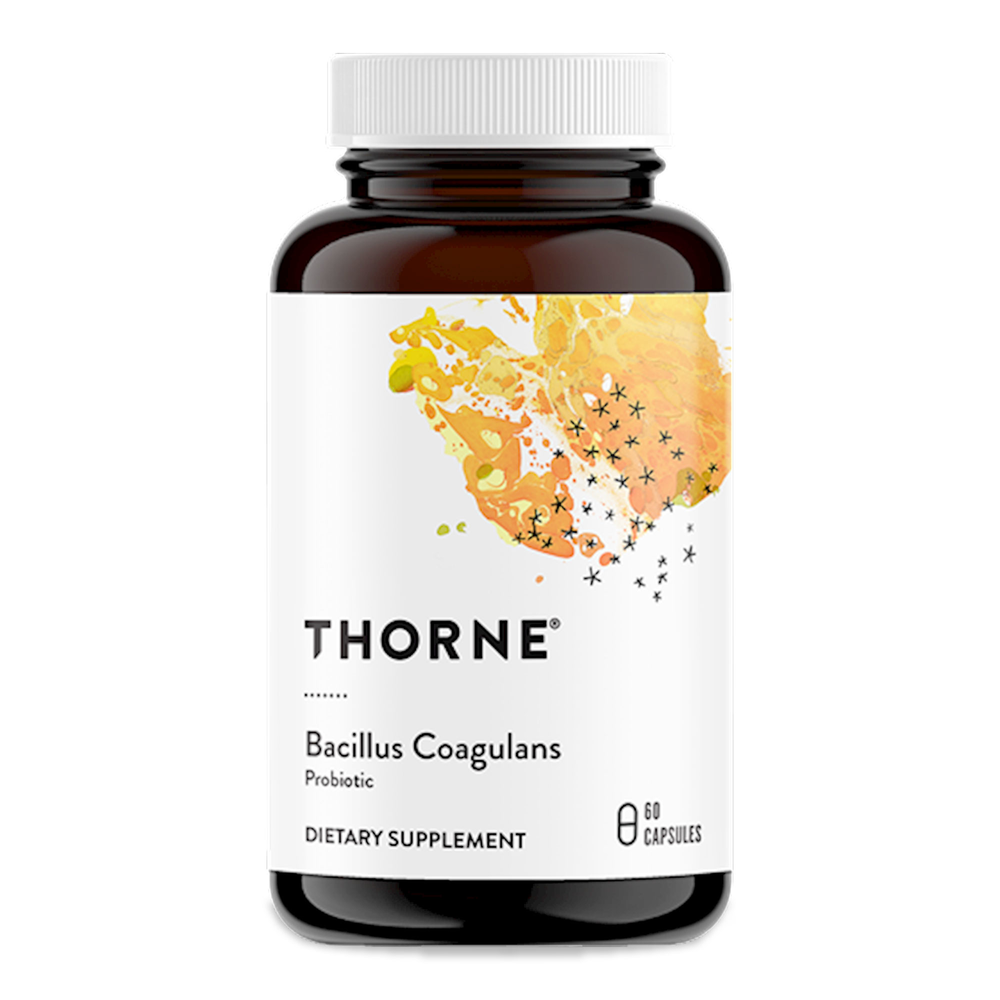
Thorne
Bacillus Coagulans
60 capsules
$33.00
Add to cart for lower price

Thorne
Complete Biotic
30 packets
$46.00
Add to cart for lower price

Dr. Mercola
Complete Probiotics 70 Billion CFU
30 capsules
$37.99
Add to cart for lower price

SmartyPants
Digestive Probiotic & Prebiotic Grape
60 gummies
$36.99
Add to cart for lower price