 Instalab
Now Foods
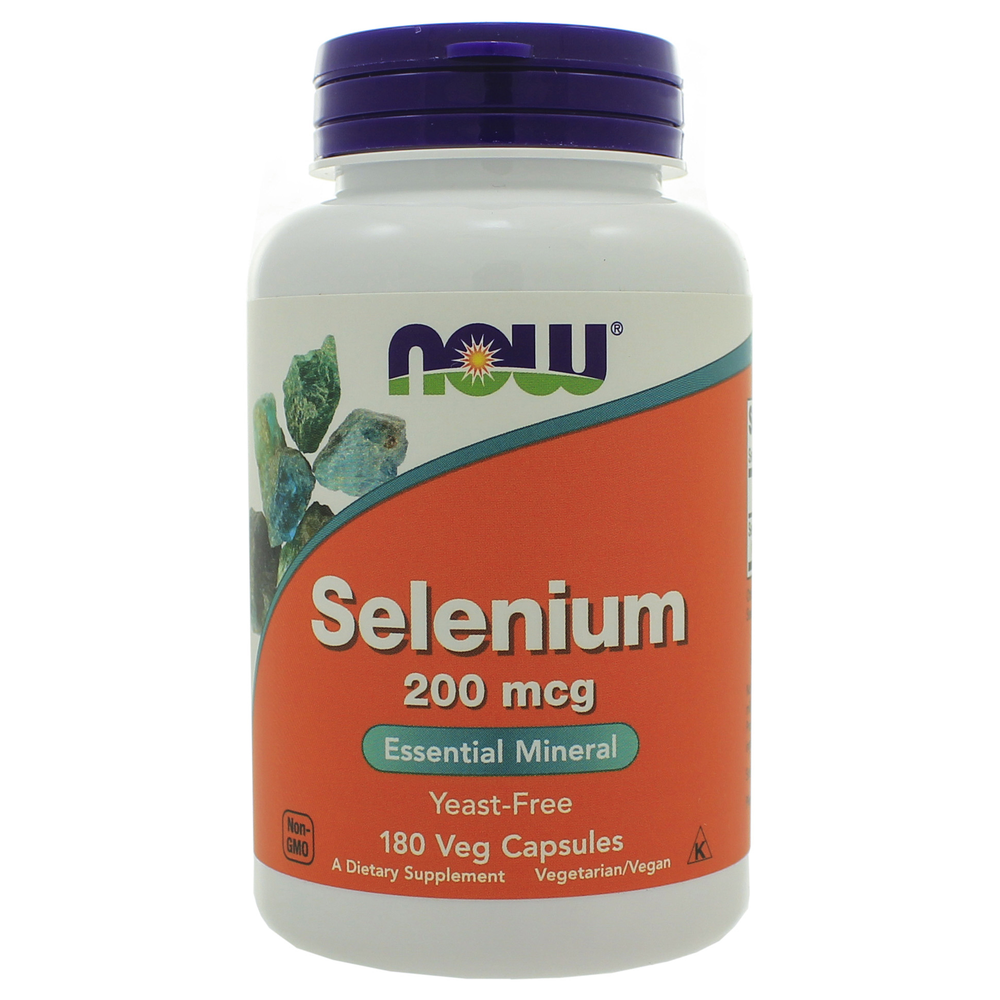
Selenium 200 mcg by Now Foods
180 capsules · 180-day supply
Essential Selenium for Antioxidant Support and Healthy Immune Function$19.99
Purchase options
Practitioner-grade brand3rd-party testedFree shipping $50+
Vegetarian·Gluten Free·Soy Free·Dairy Free·Salt Free·Wheat Free·
Now Foods Selenium 200 mcg overview
If you’re targeting thyroid health, selenium 200 mcg fits adults with autoimmune thyroid markers, especially Thyroid Peroxidase Antibodies (TPOAb, the immune attack on the thyroid). It’s also reasonable if your Selenium blood level is low, you avoid seafood and eggs, live in low-selenium soil regions, or have malabsorption (celiac, inflammatory bowel disease, bariatric surgery) or are on dialysis. For routine maintenance when your Selenium level is adequate, 50–100 mcg is often enough; 200 mcg is a purposeful dose used in thyroid antibody trials.
L‑selenomethionine (the form here) is absorbed well and gets stored in place of methionine inside body proteins, creating a steady selenium reserve. Your cells use selenium to build selenoproteins, including glutathione peroxidases (antioxidant enzymes that neutralize peroxides) and deiodinases (the enzymes that convert T4 into active T3). In Hashimoto’s, trials show 200 mcg can lower TPOAb and modestly improve well‑being over 3–6 months, likely by reducing oxidative stress in the thyroid. Effects on general immunity or inflammation markers like hs‑CRP are small and inconsistent.
Take one capsule daily with a meal, ideally at the same time each day. If you use levothyroxine for thyroid replacement, separate selenium by at least 4 hours to keep dosing consistent. Re‑check your Selenium level, TSH (the pituitary signal for thyroid output), Free T4, Free T3, and TPOAb after 12–24 weeks. If your level was low, you can often step down to 50–100 mcg for maintenance once repleted.
If you already take a multivitamin plus Brazil nuts or other selenium products, add up your total—too much selenium can cause hair loss, brittle nails, and a garlic breath odor. High lifelong intakes have been linked to higher blood sugar risk in some studies, so avoid extra selenium if your Selenium level is high. Pregnancy: stay within prenatal totals and ask your clinician. Cancer patients on chemotherapy should clear any selenium supplement with their oncologist.
Brazil nuts are rich in selenium but vary wildly by batch; one to two nuts can exceed a full day’s intake. A standardized 200 mcg capsule is easier to control. Expect any thyroid antibody changes in 3–6 months, not weeks. If you’re after hair or nail benefits, they only improve if low selenium was the cause, so check a Selenium blood test first.
Frequently asked questions
Is 200 mcg of selenium too much to take daily?
For targeted use, 200 mcg daily is a common clinical dose, especially in thyroid antibody studies. It’s not a casual “extra” on top of other sources. If your Selenium level is normal and you also eat Brazil nuts or take a multivitamin, consider 50–100 mcg or skip.
How long does selenium take to help the thyroid?
Give it 3–6 months. Trials using 200 mcg of L‑selenomethionine saw reductions in Thyroid Peroxidase Antibodies within that window. Re‑test TSH, Free T4, Free T3, and TPOAb after 12–24 weeks to judge response and adjust the dose.
Can I take selenium with levothyroxine?
Yes, but separate them by at least 4 hours. While selenium doesn’t block absorption like calcium or iron can, spacing keeps your thyroid medication routine consistent. Keep your clinician informed and monitor your thyroid labs during any supplement change.
What’s the difference between selenomethionine and sodium selenite?
L‑selenomethionine is absorbed well and stored in place of methionine in body proteins, creating a steadier pool. Sodium selenite is less stored and more directly used. For day‑to‑day supplementation, selenomethionine is often preferred for reliable repletion.
Can selenium cause hair loss or brittle nails?
Too much selenium can, and it’s a classic sign of excess. Other signs include a metallic or garlic breath odor and gastrointestinal upset. If that happens, stop all selenium sources and speak with your clinician. Use a Selenium blood test to right‑size your dose.
Does selenium lower inflammation like hs-CRP?
Any effect on hs‑CRP (a liver‑made marker of systemic inflammation) is modest and inconsistent. Selenium’s most reliable effects are on selenoprotein activity and thyroid hormone conversion, not broad anti‑inflammatory changes in otherwise healthy adults.
Are Brazil nuts a good alternative to a selenium supplement?
They can be, but selenium content varies widely by region and nut, so dosing is unpredictable. A single nut can exceed a day’s intake. If you’re managing thyroid antibodies or correcting a low Selenium level, a measured capsule is easier to titrate and monitor.
How to take it & ingredients
Suggested use: Take 1 capsule daily with a meal.
Active ingredients
1 capsule per serving · 180 servings
Selenium
From L-Selenomethionine
From L-Selenomethionine
200 mcg
Other ingredients: Rice flour, Cellulose (capsule), Stearic acid (vegetable source)
Certifications
Benefits
Warnings