 Instalab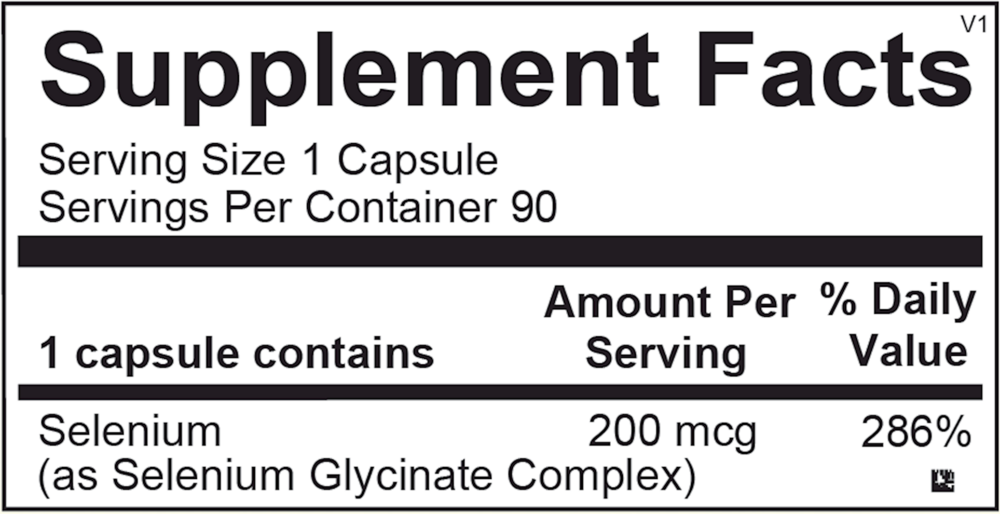
Ortho Molecular Products
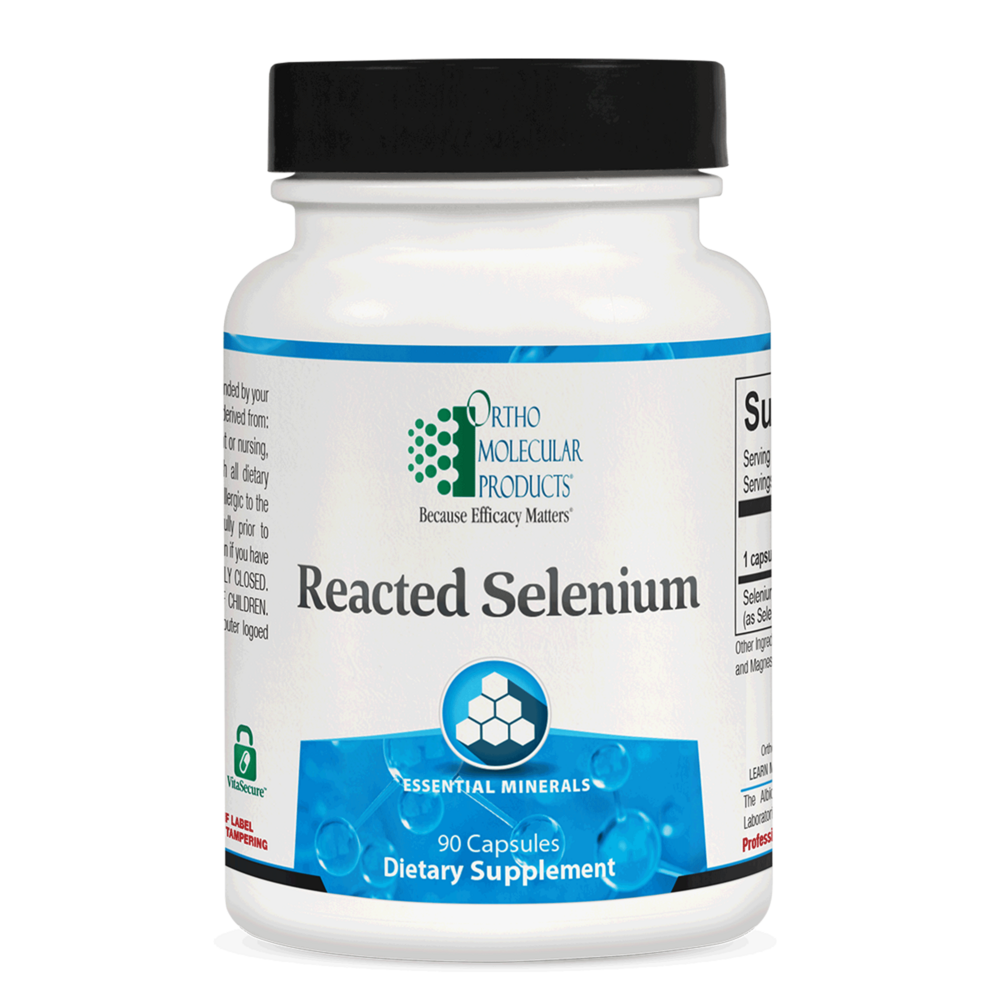
Reacted Selenium 200 mcg by Ortho Molecular Products
90 capsules · 90-day supply
Essential Selenium for Antioxidant Support and Immune Function$37.80
Purchase options
Practitioner-grade brand3rd-party testedFree shipping $50+
Gluten Free·Yeast Free·Artificial Color Free·Artificial Flavor Free
Ortho Molecular Products Reacted Selenium overview
If you’re exploring selenium for thyroid health, this dose fits adults with low or low‑normal intake who want a clinically used amount. It’s most relevant if your Selenium, Serum or Plasma is low, you rarely eat seafood or Brazil nuts, follow a vegan diet, or have thyroid autoimmunity with elevated Thyroid Peroxidase Antibodies. People with gastrointestinal disorders that impair absorption, those on dialysis, and postpartum women with thyroiditis are also candidates. If your level is replete, extra selenium is unlikely to help and can be counterproductive.
Selenium is built into selenoproteins that run key reactions: glutathione peroxidase (an enzyme that neutralizes peroxides before they damage cells), thioredoxin reductase (cellular redox control), and deiodinases (the enzymes that convert T4 into active T3 thyroid hormone). In thyroid autoimmunity, adequate selenium can modestly reduce antibody activity in some patients and smooth oxidative stress in the gland. The glycinate chelate is a gentle, well‑absorbed form comparable to selenomethionine, with less stomach upset than inorganic salts like sodium selenite.
Take one capsule daily with food to minimize nausea; morning or evening is fine. This is a full, not a micro, dose, so avoid stacking it with high‑selenium multivitamins or frequent Brazil nuts. Recheck Selenium, Serum or Plasma, TSH, Free T4, T3, and Thyroid Peroxidase Antibodies after 8 to 12 weeks. Antibody changes, when they occur, are usually seen by 3 to 6 months of steady intake.
If your selenium level is already high, skip supplemental selenium. Watch for signs of excess, like brittle nails, hair shedding, digestive upset, or a garlic‑like breath odor, and stop if these appear. Long‑term high intake has been linked to higher type 2 diabetes risk in some studies, so don’t exceed needs. Pregnancy is a time to keep intake moderate; use under clinician guidance and avoid combining multiple selenium products.
Selenium isn’t an antiviral or a shortcut for “immune boosting,” and it won’t replace thyroid hormone if you’re hypothyroid. Its lane is correcting low status so selenoproteins work properly. Some, but not all, patients with thyroid autoimmunity see reductions in Thyroid Peroxidase Antibodies. If your hs-CRP (a general inflammation marker) is high for other reasons, don’t expect selenium alone to normalize it.
Frequently asked questions
Does selenium help Hashimoto’s thyroiditis?
It can in some people. Trials using 200 mcg daily show modest reductions in Thyroid Peroxidase Antibodies over 3–6 months, mainly in those with low selenium to start. It doesn’t replace thyroid hormone if you’re hypothyroid, and not everyone responds.
How long does selenium take to work for thyroid?
Blood selenium rises within weeks, but thyroid-related changes take longer. Recheck Selenium, Serum or Plasma at 8–12 weeks, and antibody trends at 3–6 months. If nothing changes by then, continued use is unlikely to add benefit.
Is 200 mcg of selenium safe to take daily?
For most adults it’s within commonly used clinical dosing and under the tolerable upper limit. The key is not stacking with other selenium sources. If you eat Brazil nuts often or take a high-selenium multivitamin, adjust to avoid excess.
What’s the best form of selenium supplement?
Organic forms like selenomethionine and chelates such as selenium glycinate are well absorbed and gentler on the stomach than inorganic sodium selenite. Ortho Molecular Products Reacted Selenium uses a glycinate complex.
Can I take selenium with iodine or thyroid medication?
Yes, but coordinate with your clinician. Selenium and iodine both affect the thyroid; avoid high doses of either without labs. Levothyroxine should be taken on an empty stomach, separate from supplements; selenium can be taken with a meal later.
What are signs of too much selenium?
Early signs include nausea, a metallic or garlic-like breath odor, brittle nails, hair loss, and fatigue. Stop the supplement and check Selenium, Serum or Plasma if these appear. Severe toxicity is rare but requires medical care.
Who should avoid selenium supplements?
Skip if your selenium level is already high, if you’ve had selenosis, or if you can’t avoid stacking multiple selenium products. People with type 2 diabetes risk should avoid long-term high intake and target repletion, not excess.
How to take it & ingredients
Suggested use: Take one or more capsules per day or as recommended by your healthcare professional.
Active ingredients
1 capsule per serving · 90 servings
Selenium
Selenium Glycinate Complex
Selenium Glycinate Complex
200 mcg
Other ingredients: Natural vegetable capsules, Microcrystalline cellulose, Magnesium stearate
Certifications
Benefits
Warnings