 Instalab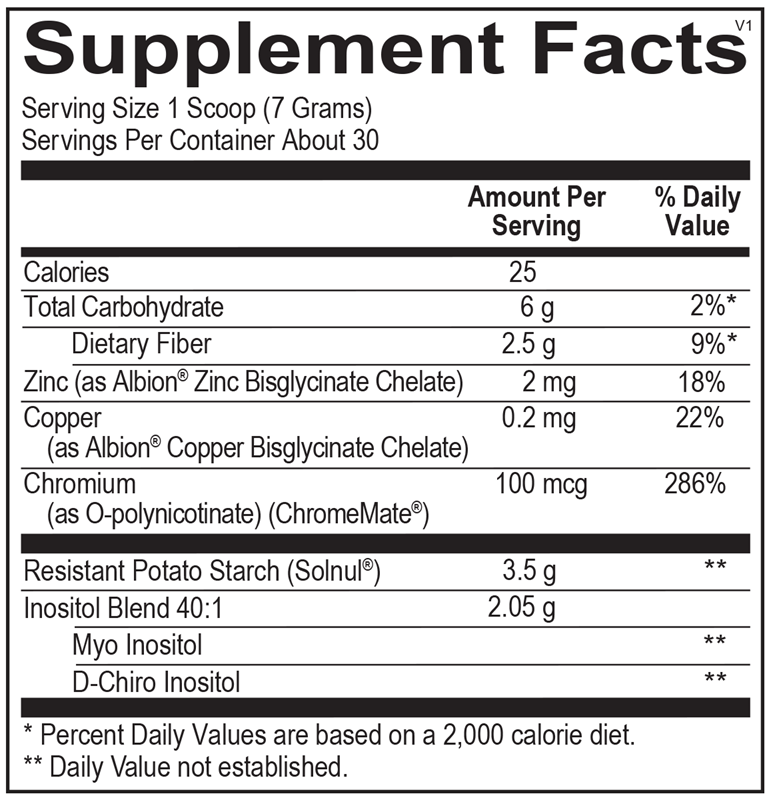

Ortho Molecular Products
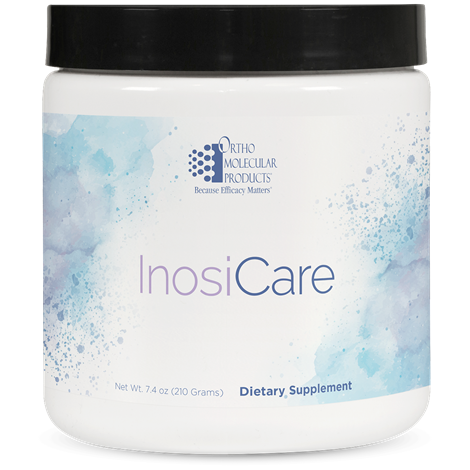
InosiCare by Ortho Molecular Products
210 grams · 30-day supply
Support Metabolic Health and Hormonal Balance with Inositol and Essential Nutrients$60.00
Purchase options
Practitioner-grade brand3rd-party testedFree shipping $50+
Vegan·Vegetarian·Gluten Free·Yeast Free·Artificial Color Free·Artificial Flavor Free
Ortho Molecular Products InosiCare overview
This 40:1 myo-:D-chiro-inositol blend supports cycle regularity and insulin sensitivity in adults tracking their metabolic and reproductive health. The 40:1 myo-inositol:D-chiro-inositol ratio mirrors what healthy ovaries use and is the combo most studied for restoring ovulation and more predictable cycles within 8 to 12 weeks. It also fits people watching fasting insulin (how hard your pancreas has to work), fasting glucose, Hemoglobin A1c, or triglycerides. If your diet is low in fiber or you’re cutting carbs, the added resistant starch helps fill the gap.
Myo‑inositol and D‑chiro‑inositol act as inside-the-cell messengers for insulin, improving insulin sensitivity (how responsive cells are to insulin) so your ovaries see less excess insulin and androgen signaling, a common driver of cycle disruption. Resistant potato starch feeds gut microbes that make butyrate, a short-chain fat that improves glucose handling and gut barrier function; even small daily amounts can help regularity. Chromium polynicotinate helps the insulin receptor do its job during meals, and the low-dose zinc with copper keeps mineral balance while supporting ovarian enzyme activity and skin.
Mix one scoop daily in water or a smoothie, ideally with a meal that contains carbohydrates. Consistency matters more than timing; plan on daily use for 8 to 12 weeks before judging cycle and glucose changes. This is a moderate inositol dose suitable for maintenance or a first trial. If you have established deficiency or need intensive repletion for cycle health, higher total inositol intakes are often used under clinician guidance, then stepped down.
If you take prescription glucose-lowering medications such as insulin or sulfonylureas, monitor for low blood sugar when adding inositol, chromium, or resistant starch; discuss dose adjustments with your clinician. Skip extra zinc elsewhere to avoid crowding out copper, since both are included here. Pregnant or planning? Inositol is commonly used in fertility care, but confirm the plan with your obstetric clinician. Sensitive gut? Start with half a scoop for a week to limit gas as your microbiome adapts.
Frequently asked questions
How long does inositol take to work for cycle health?
Most cycle and ovulation changes show up within 8–12 weeks. Improvements in fasting insulin, fasting glucose, or Hemoglobin A1c can take 8–16 weeks depending on diet and activity.
Does inositol help you get pregnant?
It often supports ovulation and may improve egg quality markers in adults working on fertility. It’s not a standalone fertility treatment; pair it with cycle tracking and your clinician’s plan.
Can I take this with metformin or GLP‑1 drugs?
Usually yes. Inositol and resistant starch work through different pathways. Watch for lower appetite or lower glucose and review any medication dose changes with your prescriber.
Will inositol lower my blood sugar?
It can modestly improve insulin sensitivity and post‑meal glucose. Chromium adds a small additional effect in some people. Monitor fasting glucose and Hemoglobin A1c to see your response.
Any side effects from resistant starch?
Gas, bloating, or stool changes can occur the first 1–2 weeks as gut bacteria adjust. Starting at half a scoop and taking it with food usually solves this.
Is this dose enough compared with typical inositol studies?
It’s a moderate daily dose suitable for maintenance or a first trial. Many clinical studies use higher total daily inositol; clinicians often start higher, then step down for maintenance.
Will inositol affect birth control pills?
It doesn’t reduce contraceptive effectiveness. It may change cycle symptoms over time because of improved insulin sensitivity, but it doesn’t interfere with the pill’s mechanism.
Can men use inositol for metabolic health?
Yes. Inositol and chromium can support insulin sensitivity in men as well. Track fasting glucose, Hemoglobin A1c, triglycerides, and waist circumference to gauge benefit.
How to take it & ingredients
Suggested use: Mix 1 scoop (7 grams) with water or your beverage of choice per day or as recommended by your health care professional.
Active ingredients
1 scoop = 7 grams per serving · 30 servings
Inositol Blend
Myo-Inositol and D-Chiro Inositol (40:1 ratio)
Myo-Inositol and D-Chiro Inositol (40:1 ratio)
2.05 g
Resistant Potato Starch
Solnul®
Solnul®
3.5 g
Zinc
Zinc Bisglycinate Chelate (Albion®)
Zinc Bisglycinate Chelate (Albion®)
2 mg
Copper
Copper Bisglycinate Chelate (Albion®)
Copper Bisglycinate Chelate (Albion®)
0.2 mg
Chromium
O-Polynicotinate (ChromeMate®)
O-Polynicotinate (ChromeMate®)
100 mcg
Fiber
2.5 g
Other ingredients: Resistant tapioca dextrin, Lemon juice powder, Citric acid, Rebaudioside M
Certifications
Benefits
Warnings