 Instalab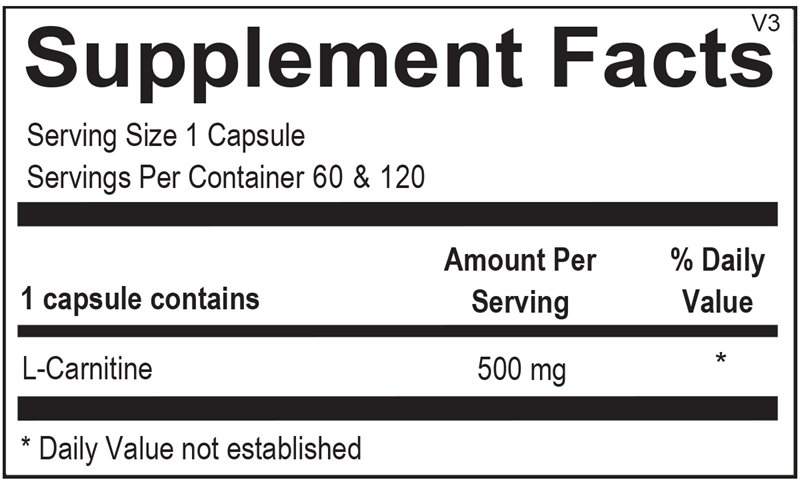

Ortho Molecular Products
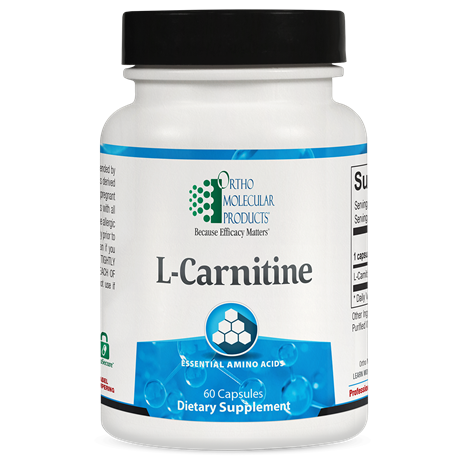
L-Carnitine 500 mg by Ortho Molecular Products
60 capsules · 60-day supply
Supports Energy Production and Fat Metabolism for Enhanced Performance$66.66retail
Add to cart for 10% off
Purchase option
10% below MSRP3rd-party tested for purity & potencyFree shipping $50+
Gluten Free·Corn Free·Yeast Free·Artificial Color Free·Artificial Flavor Free
Ortho Molecular Products L-Carnitine overview
If you’re searching “L-carnitine dosage” for fatigue or training, this fits people with low carnitine intake or higher needs. Vegans and very low–red-meat eaters tend to run lower. Endurance athletes, adults with chronic fatigue and low Free Carnitine on a Carnitine, Free and Total test, and people on valproate (an anti-seizure drug that depletes carnitine) are the most likely responders. It’s also reasonable if your Triglycerides are elevated and you want an adjunct to diet and omega-3. For cognition, acetyl-L-carnitine is the brain-focused form.
L-carnitine shuttles long-chain fatty acids into mitochondria, the part of the cell that makes ATP (usable energy). That increases fat burning and can spare glycogen during exercise, which is why some athletes feel better stamina. It also helps clear acyl groups, byproducts that can bottleneck energy pathways, which shows up on an Acylcarnitine Profile. In people with high triglycerides, improving fat handling in the liver can modestly lower the Triglycerides value within 4 to 12 weeks. The TMAO metabolite (linked in observational studies to heart risk) can rise in heavy red-meat eaters; the clinical meaning of that on supplements is still debated.
Label guidance is one capsule three times daily, totaling 1.5 g per day. Take with meals or a carbohydrate-containing snack to enhance uptake. For training goals, many studies use 2–3 g per day divided, paired with carbs over weeks to raise muscle levels; this is a maintenance-level dose. Expect energy and fatigue changes within 2 to 4 weeks if you were low. Avoid late-evening doses if you’re sensitive to stimulatory effects.
If you have hypothyroidism, L-carnitine can blunt thyroid hormone entry into cells; stay consistent with timing away from levothyroxine and monitor symptoms with your clinician. History of seizures warrants caution, as rare reports describe increased frequency. Kidney disease needs individualized dosing, though dialysis patients are often supplemented under care. If you notice a fishy odor, lower the dose or split it. For low energy with normal Carnitine, consider checking Ferritin, Vitamin C, and Vitamin B6 (all support carnitine biology) before escalating dose.
Frequently asked questions
What does L-carnitine do, in plain English?
It helps move fat into your cells’ power plants (mitochondria) to be burned for energy. If you’re low, topping up can improve stamina and reduce fatigue within weeks.
How long does L-carnitine take to work?
If you’re deficient or low-normal, energy and fatigue changes often show up within 2–4 weeks. Exercise adaptations that depend on raising muscle carnitine can take 8–24 weeks.
What’s the best L-carnitine dose for energy?
1–2 g per day is common for fatigue; this formula provides 1.5 g/day at label use. Athletes often use 2–3 g/day divided, taken with carbs. Start lower if you’re sensitive.
Should I take L-carnitine with or without food?
With food is best, ideally with some carbohydrate to aid uptake. Taking it with meals also reduces nausea or stomach upset in sensitive users.
Is L-carnitine or acetyl-L-carnitine better?
For physical energy and fat metabolism, L-carnitine is standard. For cognitive goals, acetyl-L-carnitine crosses into the brain more readily and is often preferred.
Does L-carnitine help with weight loss?
It can increase fat burning, but weight change is modest without diet and activity changes. It’s better viewed as an energy cofactor than a stand-alone fat-loss pill.
Does L-carnitine affect thyroid medication?
It can oppose thyroid hormone effects inside cells. Separate from levothyroxine by several hours, keep timing consistent, and monitor labs and symptoms with your clinician.
What side effects should I watch for?
Most tolerate it well. Possible effects include nausea, loose stools, restlessness if taken late, and a fishy body odor. Reducing the dose or splitting it usually solves this.
How to take it & ingredients
Suggested use: Take 1 capsule three times per day or as recommended by your health care professional.
Active ingredients
1 capsule per serving · 60 servings
L-Carnitine
500 mg
Other ingredients: Natural Vegetable Capsules, Glycerin, Purified Water
Certifications
Benefits
Warnings