 Instalab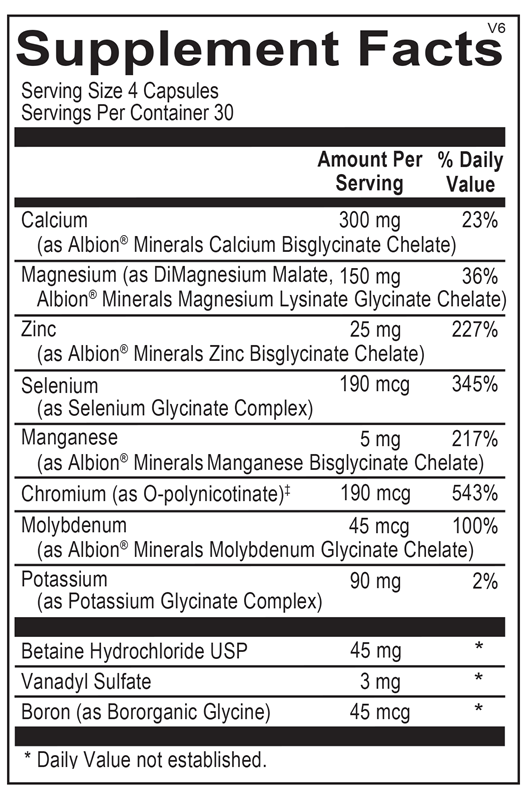

Ortho Molecular Products
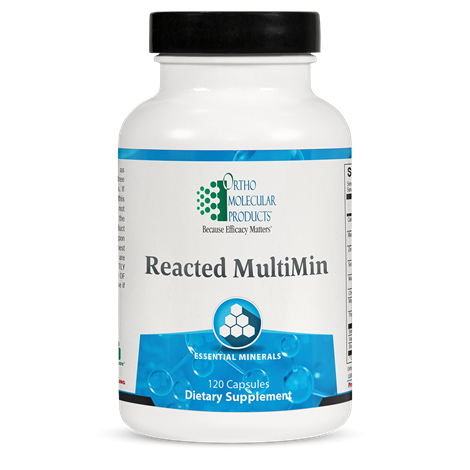
Reacted MultiMin by Ortho Molecular Products
120 capsules · 30-day supply
Comprehensive Trace Mineral Support for Optimal Health and Vitality$50.67
Purchase options
Practitioner-grade brand3rd-party testedFree shipping $50+
Gluten Free·Wheat Free·Yeast Free·Artificial Color Free·Artificial Flavor Free
Ortho Molecular Products Reacted MultiMin overview
If your diet is light on dairy, seafood, or organ meats, a chelated multimineral can cover common gaps without upsetting your stomach. The mix here fits active adults who sweat a lot, people on restrictive diets, and long‑term acid reducer users who struggle with mineral absorption. It’s also a practical partial calcium and magnesium top‑up if your Vitamin D, 25-Hydroxy is adequate but your bone intake is light. Zinc is substantial, so if your Copper, Serum tends to run low, plan to monitor or add copper separately.
These minerals are bound to amino acids (glycinate, lysinate) or malate, which protects them through the gut and improves tolerance compared with oxides or carbonates. Magnesium malate feeds the Krebs cycle (your cells’ energy pathway), while magnesium glycinate is gentle on digestion. Betaine HCl increases stomach acidity, which helps ionize minerals for uptake. Chromium polynicotinate and vanadyl sulfate influence insulin signaling, relevant if you track fasting glucose, fasting insulin, or A1C. Boron helps your body use vitamin D and calcium for bone maintenance.
Take four capsules daily in divided doses with meals as directed. Food enhances uptake and pairs well with the included betaine HCl. Evening is a good time for part of the dose, since magnesium can be calming. Separate from thyroid medication (levothyroxine), tetracycline or quinolone antibiotics, and osteoporosis drugs by at least four hours, since minerals bind these medicines. If you also take iron, use a different meal to avoid competition with calcium and zinc.
If you use diabetes medicines, the chromium and vanadyl sulfate can lower glucose further, so monitor your readings and adjust with your clinician. Chronic kidney disease, a history of high calcium, or recurrent calcium-based kidney stones warrants medical guidance before adding concentrated minerals. Selenium here is high for a daily multi; if you already eat selenium-rich foods (like Brazil nuts) or take extra selenium, avoid stacking. The formula omits copper and iron; long-term zinc at 25 mg can lower copper, so periodic Copper, Serum and Ceruloplasmin checks are smart.
Frequently asked questions
Are chelated minerals really better absorbed?
Often, yes. Chelated minerals like glycinate and malate are bound to amino acids, which improves absorption and reduces stomach upset compared with oxides or carbonates. Individual response varies, but most people tolerate chelates better.
Can I take this multimineral with thyroid medication?
Not at the same time. Calcium, magnesium, and iron can bind levothyroxine and reduce its absorption. Take thyroid medication on an empty stomach and separate minerals by at least four hours.
Will chromium and vanadyl sulfate lower my blood sugar?
They can nudge glucose down by improving insulin action. If you’re on diabetes medications or have reactive hypoglycemia, monitor fasting glucose or use a CGM and discuss dose timing with your clinician.
How long until I notice effects from a multimineral?
Digestive tolerance is immediate, but measurable changes take time. For magnesium-related sleep or muscle cramps, expect 1–2 weeks. For bone markers or glucose metrics like A1C, think 8–12 weeks before rechecking labs.
Does this contain copper or iron?
No. It includes zinc at 25 mg without copper, which can lower copper over time. If you have low Copper, Serum or follow a high-zinc regimen, consider adding copper under guidance. Add iron only if your Ferritin is low.
Can I take this with a proton pump inhibitor (PPI)?
Yes, and the betaine HCl may partially offset low stomach acid for mineral absorption. Still, PPIs can reduce absorption of some minerals, so verify status over time with labs like Magnesium (RBC) and Vitamin D, 25-Hydroxy.
Any side effects to watch for?
Chelated minerals are usually easy on the GI tract. Occasional nausea occurs if taken on an empty stomach. Very high selenium intake can cause hair or nail brittleness; avoid combining with other selenium supplements.
Is nighttime best because of magnesium?
Taking part of the dose at night is reasonable, since magnesium can be calming. The key is splitting doses with meals for better absorption and spacing away from interacting medications.
How to take it & ingredients
Suggested use: 4 capsules in divided doses per day or as recommended by your health care professional.
Active ingredients
4 capsules per serving · 30 servings
Calcium
As Albion® Minerals Calcium Bisglycinate Chelate
As Albion® Minerals Calcium Bisglycinate Chelate
300 mg
Magnesium
As DiMagnesium Malate, Albion® Minerals Magnesium Lysinate Glycinate Chelate
As DiMagnesium Malate, Albion® Minerals Magnesium Lysinate Glycinate Chelate
150 mg
Zinc
As Albion® Minerals Zinc Bisglycinate Chelate
As Albion® Minerals Zinc Bisglycinate Chelate
25 mg
Selenium
As Selenium Glycinate Complex
As Selenium Glycinate Complex
190 mcg
Manganese
As Albion® Minerals Manganese Bisglycinate Chelate
As Albion® Minerals Manganese Bisglycinate Chelate
5 mg
Chromium
As O-polynicotinate
As O-polynicotinate
190 mcg
Molybdenum
As Albion® Minerals Molybdenum Glycinate Chelate
As Albion® Minerals Molybdenum Glycinate Chelate
45 mcg
Potassium
As Potassium Glycinate Complex
As Potassium Glycinate Complex
90 mg
Betaine Hydrochloride
USP
USP
45 mg
Vanadyl Sulfate
3 mg
Boron
As Bororganic Glycine
As Bororganic Glycine
45 mcg
Other ingredients: Hypromellose (Natural Vegetable Capsules), Magnesium Stearate, Stearic Acid, Microcrystalline Cellulose, Silicon Dioxide
Certifications
Benefits
Warnings