 Instalab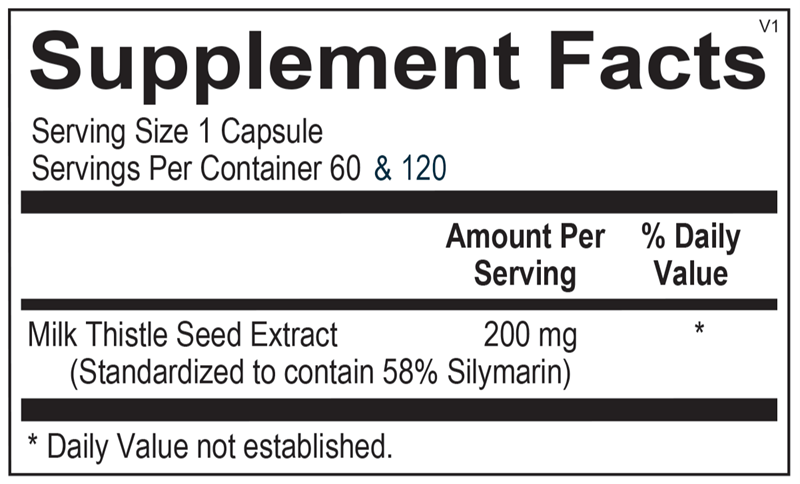
Ortho Molecular Products
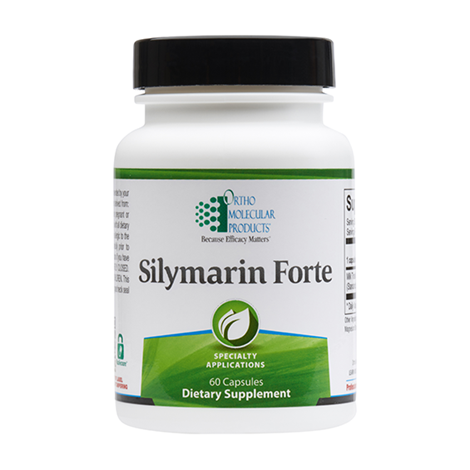
Silymarin Forte 200 mg by Ortho Molecular Products
120 capsules · 120-day supply
Support Liver Health and Detoxification with Standardized Milk Thistle Extract$78.98
Purchase options
Practitioner-grade brand3rd-party testedFree shipping $50+
Gluten Free·Wheat Free·Yeast Free·Artificial Color Free·Artificial Flavor Free
Ortho Molecular Products Silymarin Forte overview
If your liver enzymes run a little high on labs, milk thistle (silymarin) is a reasonable trial. Think mild bumps in ALT and AST (the enzymes released when liver cells are stressed) or GGT (a bile-duct related enzyme) from fatty liver, regular alcohol, or multiple medications. It also suits those who rely on acetaminophen. It’s not a fix for heavy drinking or advanced disease, but for low-grade elevations, many see a small, steady improvement on repeat tests.
Silymarin is a mix of flavonoids from milk thistle, led by silibinin. In liver cells it raises glutathione (the cell’s main antioxidant), stabilizes membranes, and reduces lipid peroxidation (fat damage from free radicals). It also slows fibrogenesis, the scarring process that stiffens liver tissue, and modestly increases bile flow. Its protective effect is why an IV form is used in mushroom poisoning in Europe, but for everyday use, expect gradual, not dramatic, changes.
Take one capsule three times per day with meals, as directed by the manufacturer. Each capsule provides 200 mg milk thistle extract standardized to 58% silymarin, about 116 mg silymarin per dose. If you’re sensitive, start once daily for a week, then increase. Give it 4 to 8 weeks before judging, then recheck ALT, AST, and GGT. Pair it with the basics: less alcohol, weight loss if fatty liver is present, and medication review with your clinician.
Silymarin can nudge drug metabolism in the liver (CYP3A4 and 2C9, the enzyme systems that clear many medicines), though effects are usually small. If you take warfarin, tacrolimus, certain statins, or antidiabetic drugs, involve your prescriber and monitor. Avoid in pregnancy and breastfeeding unless specifically advised. If you’ve had ragweed or daisy-family allergies, use caution. With known gallstones or bile duct blockage, talk to your clinician before starting.
Frequently asked questions
Does milk thistle lower ALT and AST?
Often, modestly. In people with fatty liver or medication-related stress, silymarin can bring small reductions in ALT and AST over 4 to 12 weeks. It’s not a substitute for cutting alcohol, managing weight, or reviewing meds, which have larger effects.
How long does milk thistle take to work?
Plan on 4 to 8 weeks before you recheck labs. Some notice earlier changes, but enzyme shifts usually take a month or two. If there’s no movement by 12 weeks, reconsider the plan with your clinician.
Can I take milk thistle with alcohol or acetaminophen?
You can, but it won’t counteract heavy drinking or high-dose acetaminophen. If you drink, keep it moderate. Stay within safe acetaminophen limits and avoid combining with alcohol. Use silymarin as added protection, not a license to overuse.
Does milk thistle interact with statins or other meds?
Possible, but usually mild. Silymarin can affect liver enzymes that process drugs. If you’re on statins, warfarin, tacrolimus, or diabetes medications, involve your prescriber and consider checking levels or effects after starting.
Is milk thistle safe in pregnancy or breastfeeding?
Data are limited, so avoid unless your obstetric clinician specifically recommends it. Safety in pregnancy and lactation hasn’t been established in well-controlled studies.
What side effects should I watch for?
Most tolerate it well. Possible effects include mild stomach upset, headache, or itching. Allergic reactions are rare but more likely if you react to ragweed or other daisy-family plants. Stop and seek care if you notice hives or trouble breathing.
Does milk thistle affect blood sugar?
It can slightly lower fasting glucose in some people. If you use insulin or diabetes medications, watch for lower readings and discuss dose adjustments with your clinician.
How to take it & ingredients
Suggested use: 1 capsule three times per day or as recommended by your health care professional.
Active ingredients
1 capsule per serving · 120 servings
Milk Thistle Seed Extract
Standardized to contain 58% Silymarin
Standardized to contain 58% Silymarin
200 mg
Other ingredients: Hypromellose (Natural Vegetable Capsule), Microcrystalline Cellulose, Magnesium Stearate, Silicon Dioxide
Certifications
Benefits
Warnings
Customers also considered
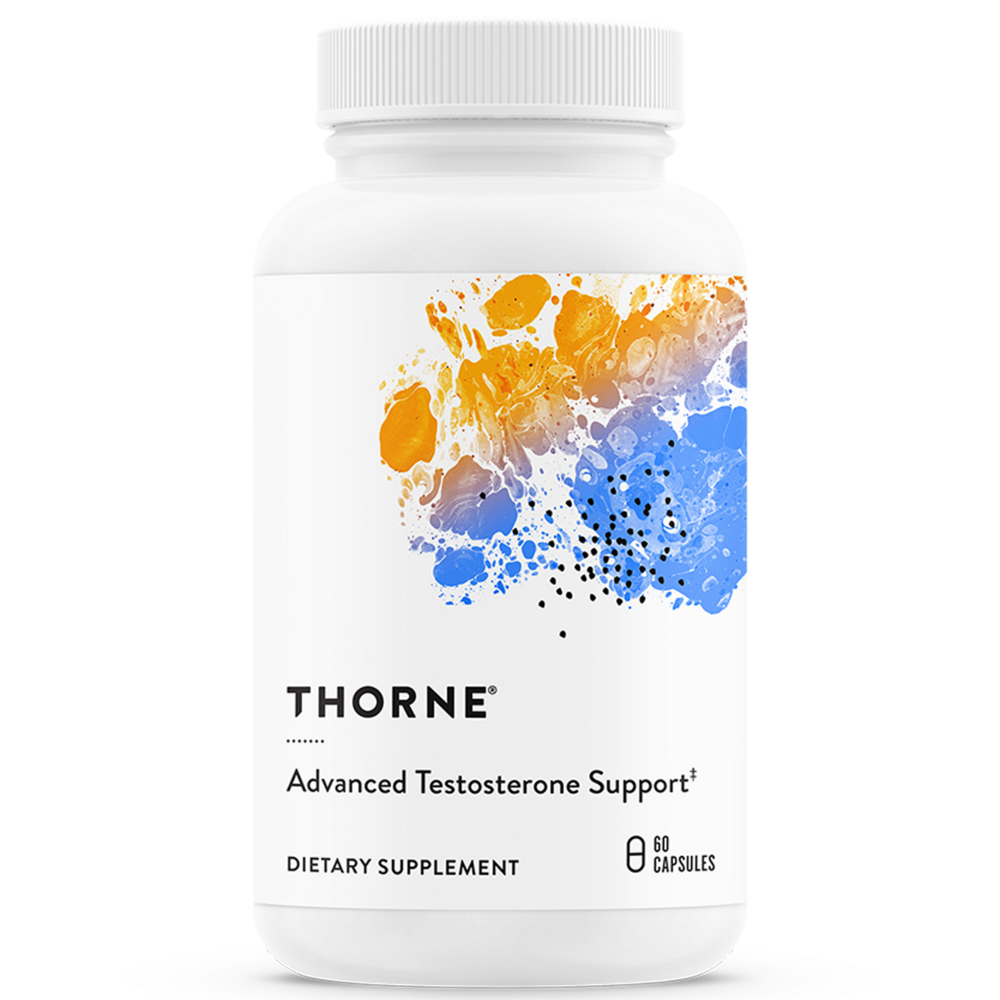
Advanced Testosterone Support
Thorne
60 capsules
$43.00$38.70 with Subscribe & Save
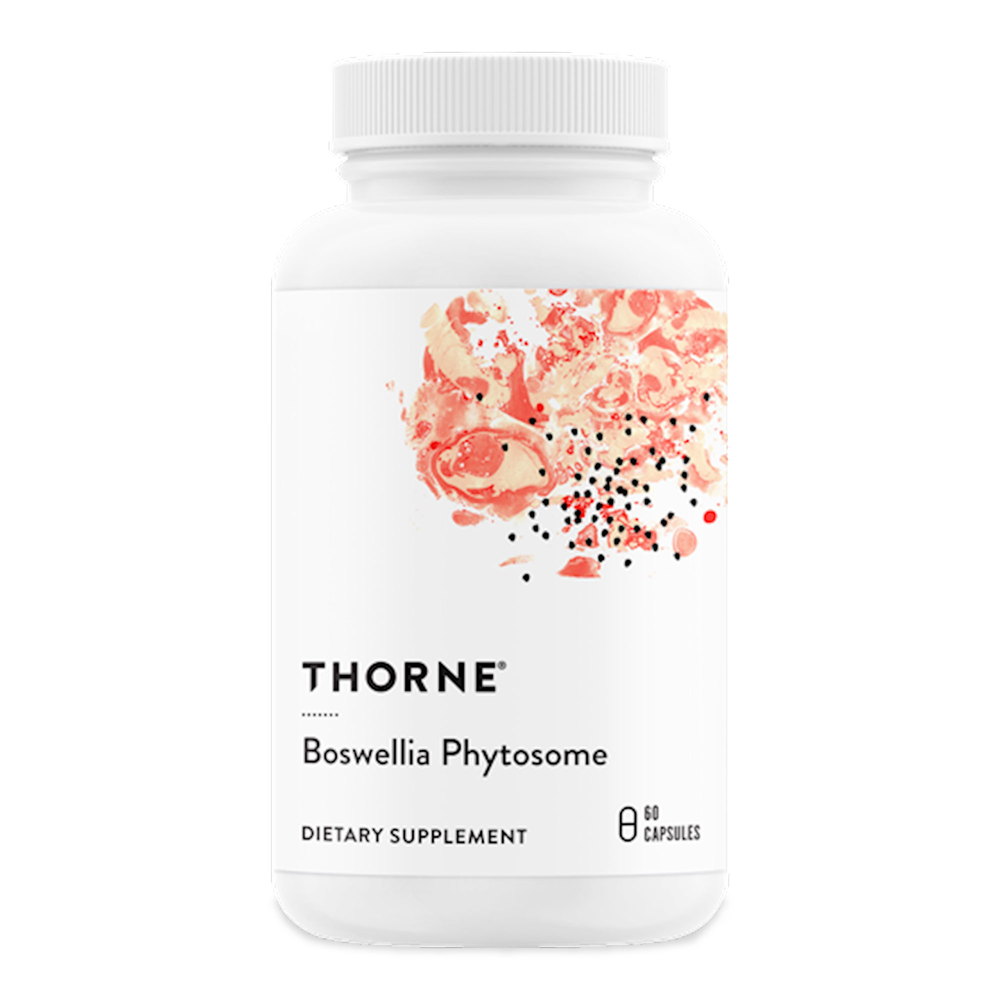
Boswellia Phytosome
Thorne
60 capsules
$59.00$53.10 with Subscribe & Save
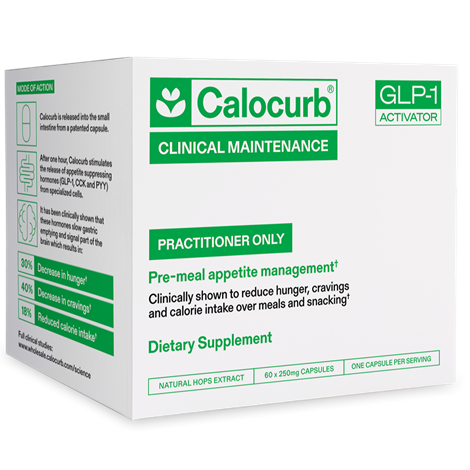
Calocurb® Clinical Maintenance Pack
Ortho Molecular Products
60 capsules
$142.90$128.74 with Subscribe & Save
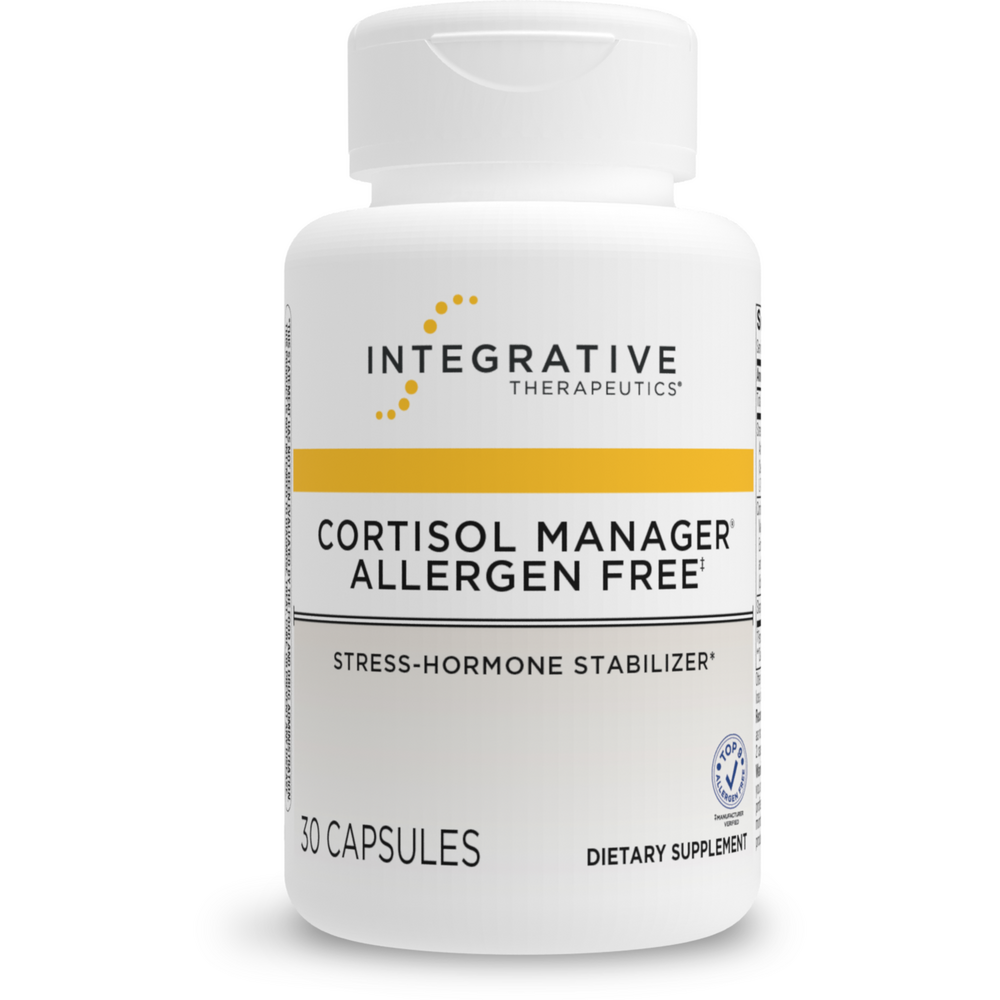
Cortisol Manager Allergen Free
Integrative Therapeutics
30 capsules
$28.99$22.99 with Subscribe & Save