 Instalab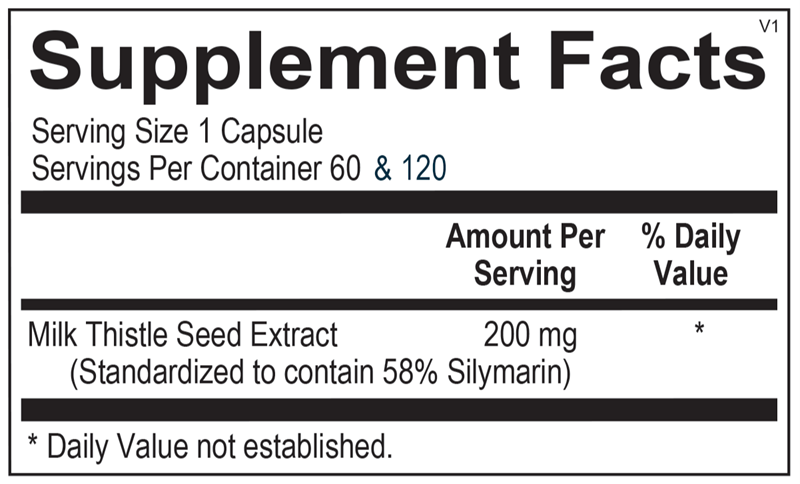
Ortho Molecular Products
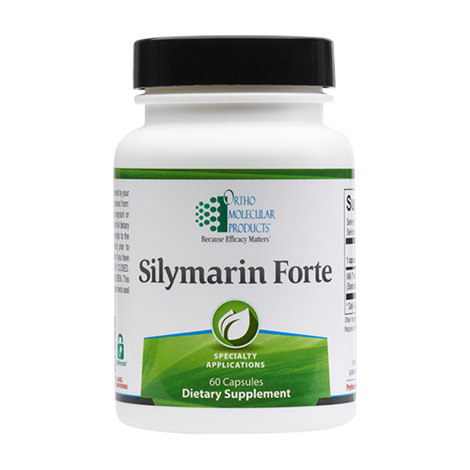
Silymarin Forte 200 mg by Ortho Molecular Products
60 capsules · 60-day supply
Support Liver Health and Detoxification with Standardized Milk Thistle Extract$49.56
Purchase options
Practitioner-grade brand3rd-party testedFree shipping $50+
Gluten Free·Wheat Free·Yeast Free·Artificial Color Free·Artificial Flavor Free
Ortho Molecular Products Silymarin Forte overview
If you’re looking at milk thistle for elevated liver enzymes, this is a practical pick for adults with mildly high ALT and AST (liver enzymes that rise when liver cells are stressed) on routine labs. It fits nonalcoholic fatty liver from weight gain or insulin resistance, and for those cutting back on alcohol. It’s also reasonable if GGT (a bile-related enzyme) runs high. Use it as an add-on to weight loss, less alcohol, and medication review, not as a stand‑alone fix.
Silymarin, the active complex in milk thistle, concentrates in liver cells and raises glutathione (the cell’s main antioxidant and detox cofactor). That buffers everyday oxidative stress and helps enzymes process medications and bilirubin more cleanly. These flavonoids also stabilize liver cell membranes and nudge repair pathways, which is why some people see small drops in ALT and AST over weeks. Evidence for dramatic “detox” claims is weak; think gentle protection during lifestyle change.
The label suggests one capsule three times daily. Each capsule provides 200 mg milk thistle extract standardized to 58% silymarin. Split doses with meals improve absorption, especially if the meal contains some fat. Most clinical programs run 8 to 12 weeks before rechecking labs like ALT, AST, and GGT. If your enzymes are meaningfully high, pair this with changes that move the needle most: fewer drinks, weight loss, better glycemic control, and a review of hepatotoxic meds.
Skip self-treating if you have jaundice, abdominal swelling, or known cirrhosis; you need a clinician’s plan and close lab follow-up. Avoid in pregnancy and breastfeeding due to limited data. Use caution with ragweed allergies (same plant family). Because silymarin can affect liver enzymes that clear drugs, speak with your prescriber if you take narrow-therapeutic-index medicines like warfarin, phenytoin, tacrolimus, or cyclosporine. Bile duct blockage or painful gallstones also warrant medical guidance.
Frequently asked questions
How long does milk thistle take to lower ALT and AST?
Most responders see small improvements within 8 to 12 weeks. Recheck labs like ALT, AST, and GGT after a full cycle, ideally alongside weight loss and reduced alcohol, which drive larger changes.
Should I take milk thistle with food or on an empty stomach?
Take it with meals. Silymarin is better absorbed with food, especially some fat, and splitting the dose two to three times daily helps keep levels steadier.
Can milk thistle protect my liver if I drink alcohol?
It does not offset heavy drinking. Milk thistle can be a gentle add-on during alcohol reduction, but it won’t prevent enzyme spikes or long-term harm from ongoing excess intake.
Does milk thistle interact with medications?
Possible. Silymarin can influence liver enzymes that metabolize drugs. Check with your clinician if you take warfarin, phenytoin, tacrolimus, cyclosporine, or other narrow‑window medicines.
Is milk thistle safe long term?
Studies typically cover 2 to 6 months and show good tolerance. For longer use, take periodic breaks and monitor labs like ALT, AST, and bilirubin with your clinician.
Can milk thistle help fatty liver disease?
It can contribute to modest drops in liver enzymes over weeks, but the big levers are weight loss, improved insulin sensitivity, fewer drinks, and regular activity. Use it as an add-on, not the anchor.
What side effects should I watch for?
Mild digestive upset, headache, or itching can occur. Rarely, people with ragweed or aster family allergies react. Stop and seek care if you notice rash, swelling, or breathing issues.
How to take it & ingredients
Suggested use: 1 capsule three times per day or as recommended by your health care professional.
Active ingredients
1 capsule per serving · 60 servings
Milk Thistle Seed Extract
Standardized to contain 58% Silymarin
Standardized to contain 58% Silymarin
200 mg
Other ingredients: Hypromellose (Natural Vegetable Capsule), Microcrystalline Cellulose, Magnesium Stearate, Silicon Dioxide
Certifications
Benefits
Warnings
Customers also considered
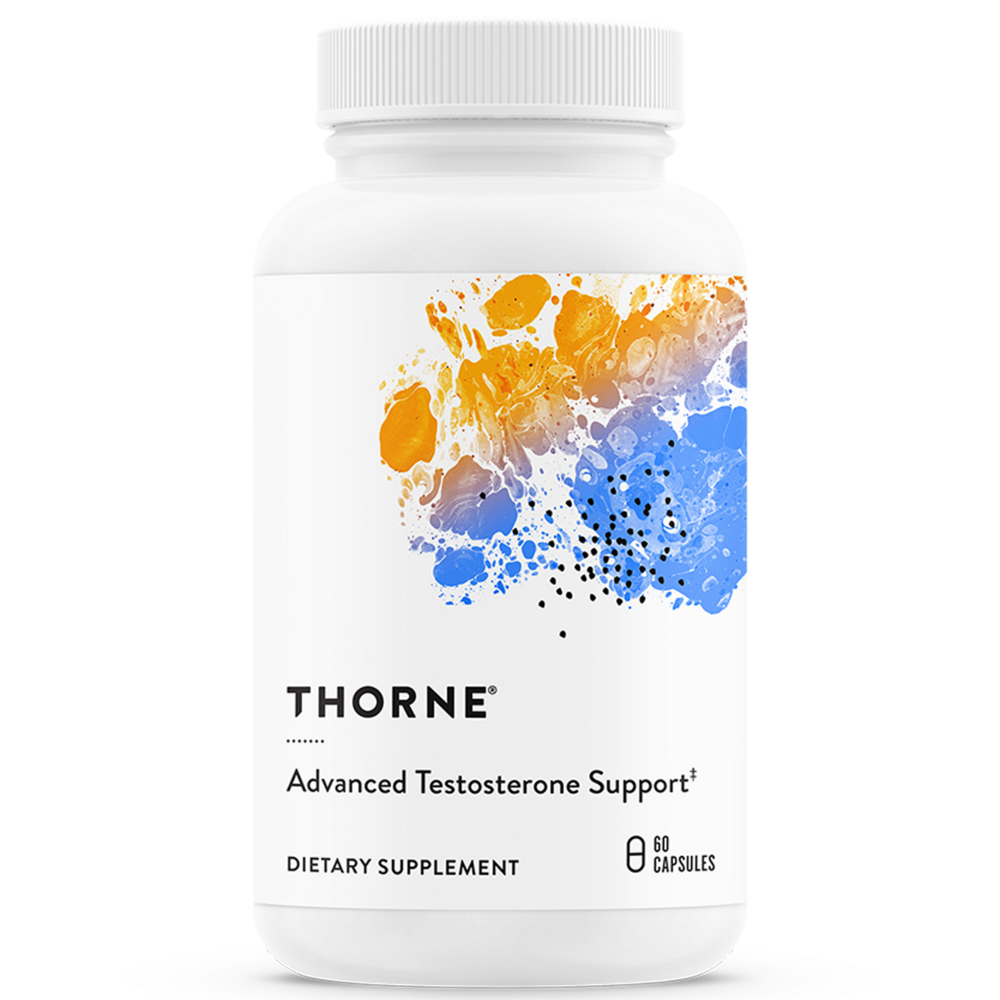
Advanced Testosterone Support
Thorne
60 capsules
$43.00$38.70 with Subscribe & Save
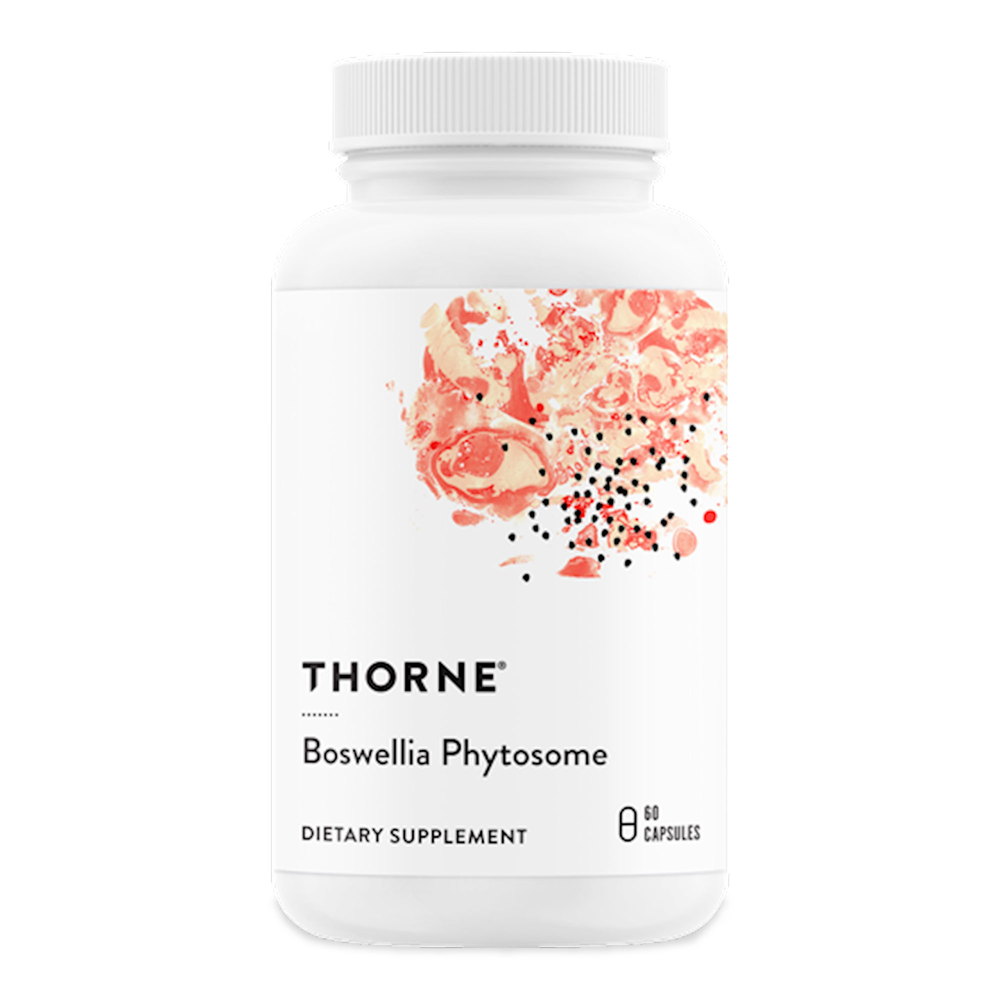
Boswellia Phytosome
Thorne
60 capsules
$59.00$53.10 with Subscribe & Save
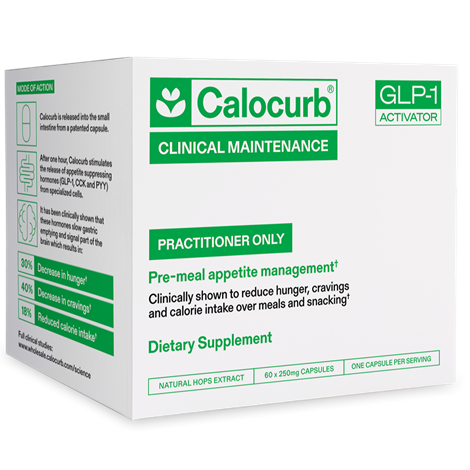
Calocurb® Clinical Maintenance Pack
Ortho Molecular Products
60 capsules
$142.90$128.74 with Subscribe & Save
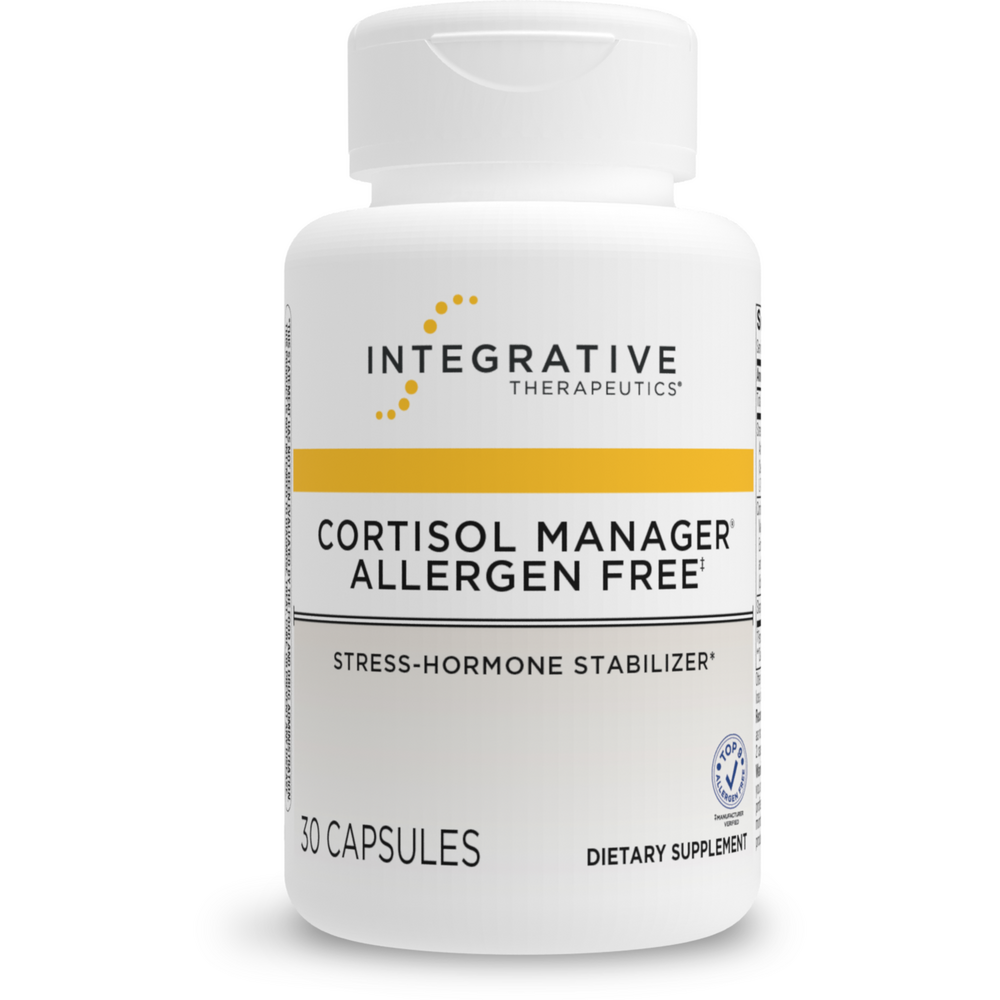
Cortisol Manager Allergen Free
Integrative Therapeutics
30 capsules
$28.99$22.99 with Subscribe & Save