 Instalab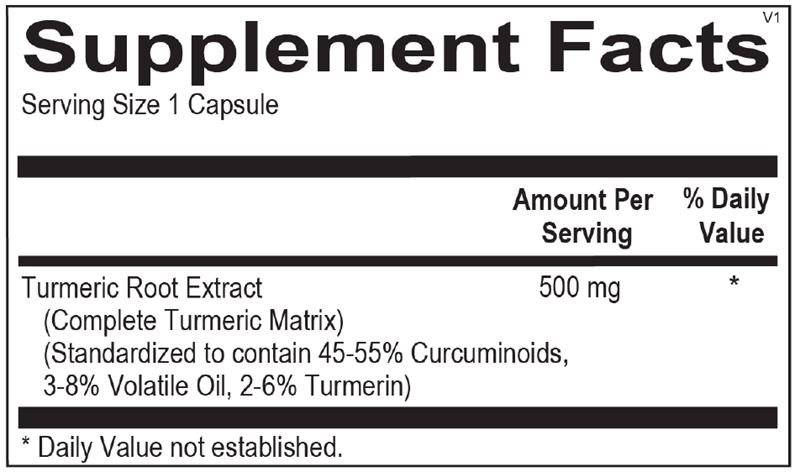
Ortho Molecular Products
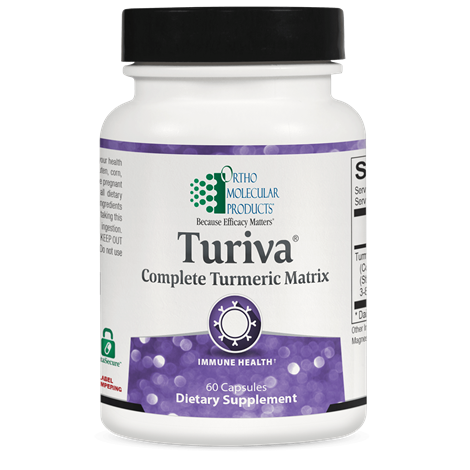
Turiva® 500 mg by Ortho Molecular Products
120 capsules · 120-day supply
Curcumin-Powered Support for Inflammation and Joint Health$116.27
Purchase options
Practitioner-grade brand3rd-party testedFree shipping $50+
Gluten Free·Wheat Free·Yeast Free·Artificial Color Free·Artificial Flavor Free
Ortho Molecular Products Turiva® overview
If you’re exploring turmeric for inflammation, this fits adults with achy knees or hands from everyday use, mild to moderate osteoarthritis, or post‑workout soreness who want a once‑daily option without black pepper extracts. It also suits people with a higher hs-CRP (a blood marker of inflammation) looking for a gentle nudge down over weeks, and those who get reflux from high‑dose curcumin plus piperine.
This is a full-spectrum turmeric extract: curcuminoids (the bright yellow actives), turmerone-rich volatile oils (aromatic compounds that aid absorption), and turmerin (an antioxidant protein) are kept together. Curcuminoids temper COX and LOX enzymes that generate prostaglandins and leukotrienes (inflammation signals), which is why joint pain scores and stiffness often improve within 4 to 8 weeks, with modest drops in hs-CRP in some users.
Take 1 capsule daily with a meal that includes some fat for better absorption. Stay consistent for at least 4 to 8 weeks before judging results. Each capsule provides 500 mg of a complete turmeric matrix, yielding about 225–275 mg curcuminoids. Compared with isolated high‑milligram curcumin plus piperine, the built‑in turmeric oils here can improve uptake without pepper; avoid stacking extra piperine unless you tolerate it well.
Avoid if you have gallstones or bile duct obstruction, since turmeric can stimulate bile flow. Use caution with blood thinners (warfarin, apixaban, rivaroxaban) or antiplatelets (aspirin, clopidogrel) and stop 1–2 weeks before surgery. Pregnancy and breastfeeding: avoid supplemental doses. If you’ve had unexplained elevated ALT (a liver enzyme) or prior supplement-related liver issues, discuss monitoring first. Heartburn can occur; take with food or reduce dose.
Frequently asked questions
How long does turmeric take to work for joint pain?
Most people who respond notice easier movement and less soreness within 4 to 8 weeks. Inflammation markers like hs-CRP, when elevated, tend to shift more slowly. Stay consistent daily with food.
Do I need black pepper (piperine) with curcumin?
Not with this formula. It includes turmeric’s own volatile oils, which help absorption. Piperine can raise blood levels but also drug interactions and reflux. Avoid adding piperine unless you know you tolerate it.
Does turmeric thin your blood?
Turmeric can mildly affect platelet activity and clotting. If you take warfarin, apixaban, rivaroxaban, aspirin, or clopidogrel, use caution and involve your clinician. Stop 1–2 weeks before planned surgery.
Can turmeric upset my stomach?
Yes, some people get heartburn or nausea. Taking it with a meal, lowering the dose, or using this non‑piperine formula often helps. If symptoms persist, discontinue and reassess the plan.
Is turmeric safe for the liver?
Turmeric is generally well tolerated, but rare cases of liver injury have been reported with curcumin supplements, especially with added piperine. If you have liver disease or rising ALT, discuss monitoring first.
What’s the difference between turmeric and curcumin?
Turmeric is the whole root; curcumin is one major active compound. This product keeps curcuminoids together with turmeric oils and turmerin, aiming for better absorption and a broader effect than isolated curcumin.
Can people with gallstones take turmeric?
Best to avoid. Turmeric can stimulate bile flow and may worsen pain with gallstones or bile duct blockage. Get evaluated and treated first, then revisit supplements with your clinician.
When should I take turmeric, morning or night?
Either is fine. Take it with a meal that contains some fat to improve absorption, and use the same time daily to build the habit and keep blood levels steady.
How to take it & ingredients
Suggested use: 1 capsule per day or as recommended by your health care professional.
Active ingredients
1 capsule per serving · 120 servings
Turmeric Root Extract
Complete Turmeric Matrix (Standardized to contain 45–55% Curcuminoids, 3–8% Volatile Oil, 2–6% Turmerin)
Complete Turmeric Matrix (Standardized to contain 45–55% Curcuminoids, 3–8% Volatile Oil, 2–6% Turmerin)
500 mg
Other ingredients: Hypromellose (Natural Vegetable Capsule), Microcrystalline Cellulose, Magnesium Stearate, Silicon Dioxide
Certifications
Benefits
Warnings
Customers also considered
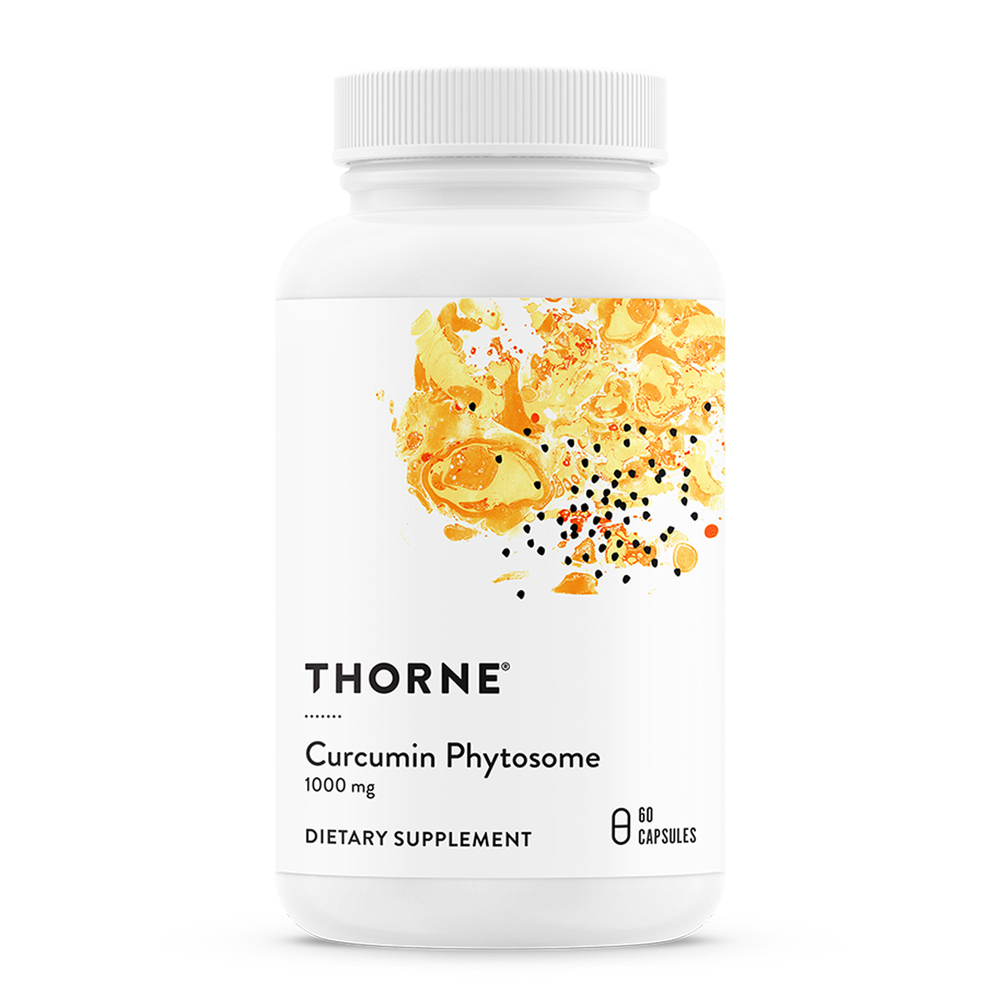
Curcumin Phytosome
Thorne
60 capsules
$36.00$32.40 with Subscribe & Save
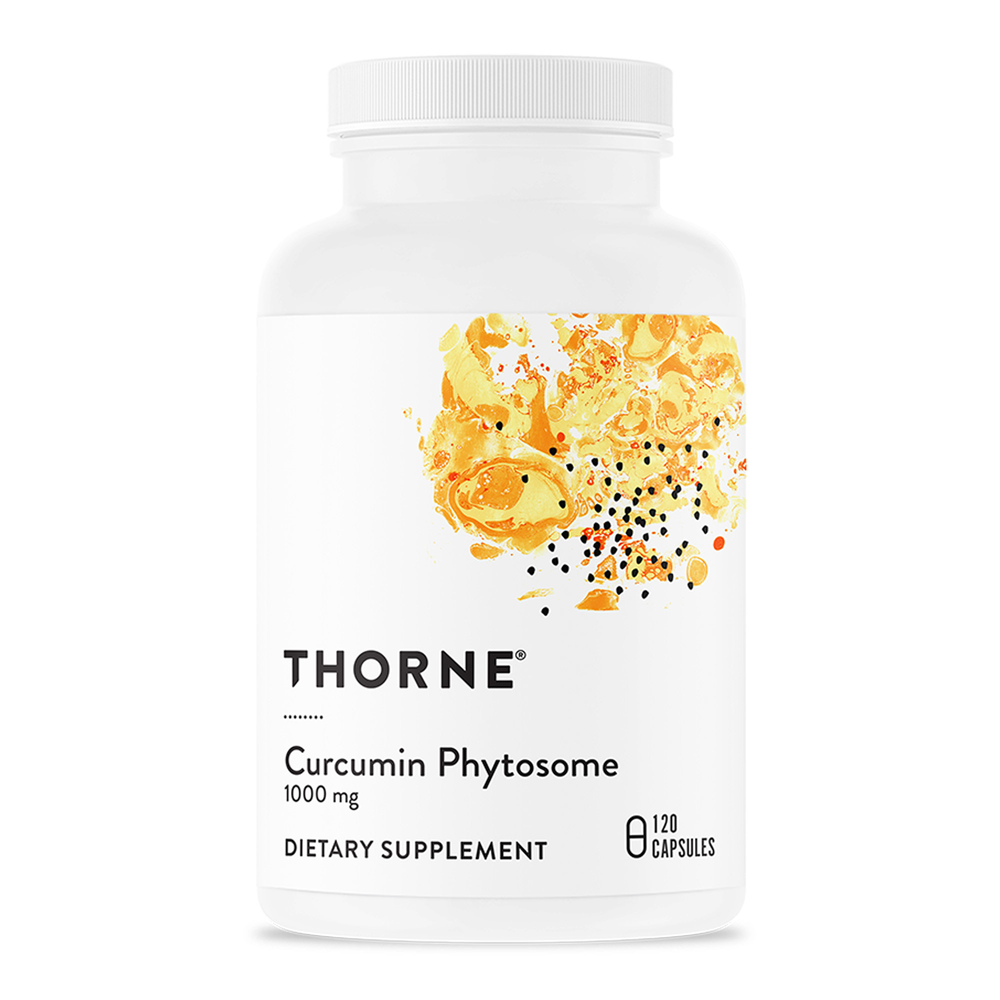
Curcumin Phytosome NSF Sport
Thorne
120 capsules
$68.00$61.20 with Subscribe & Save
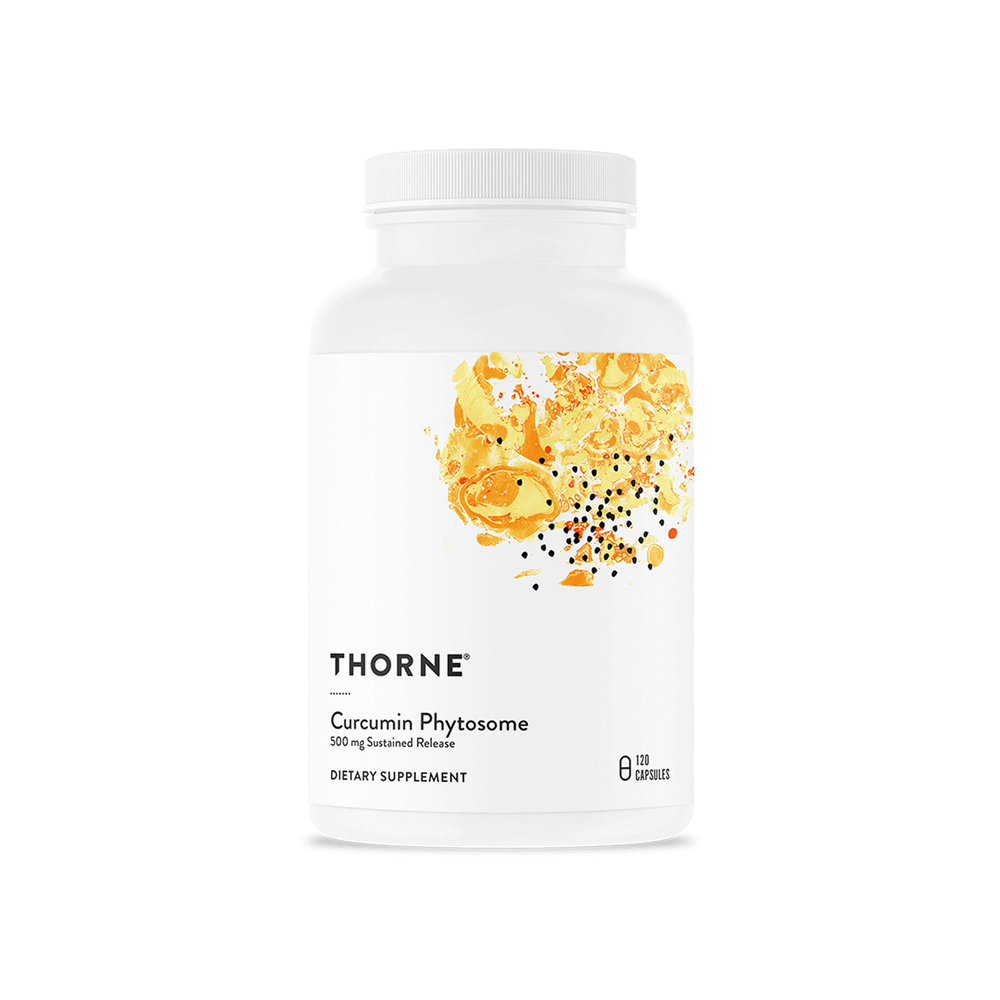
Curcumin Phytosome Sustained Released
Thorne
120 capsules
$49.00$44.10 with Subscribe & Save
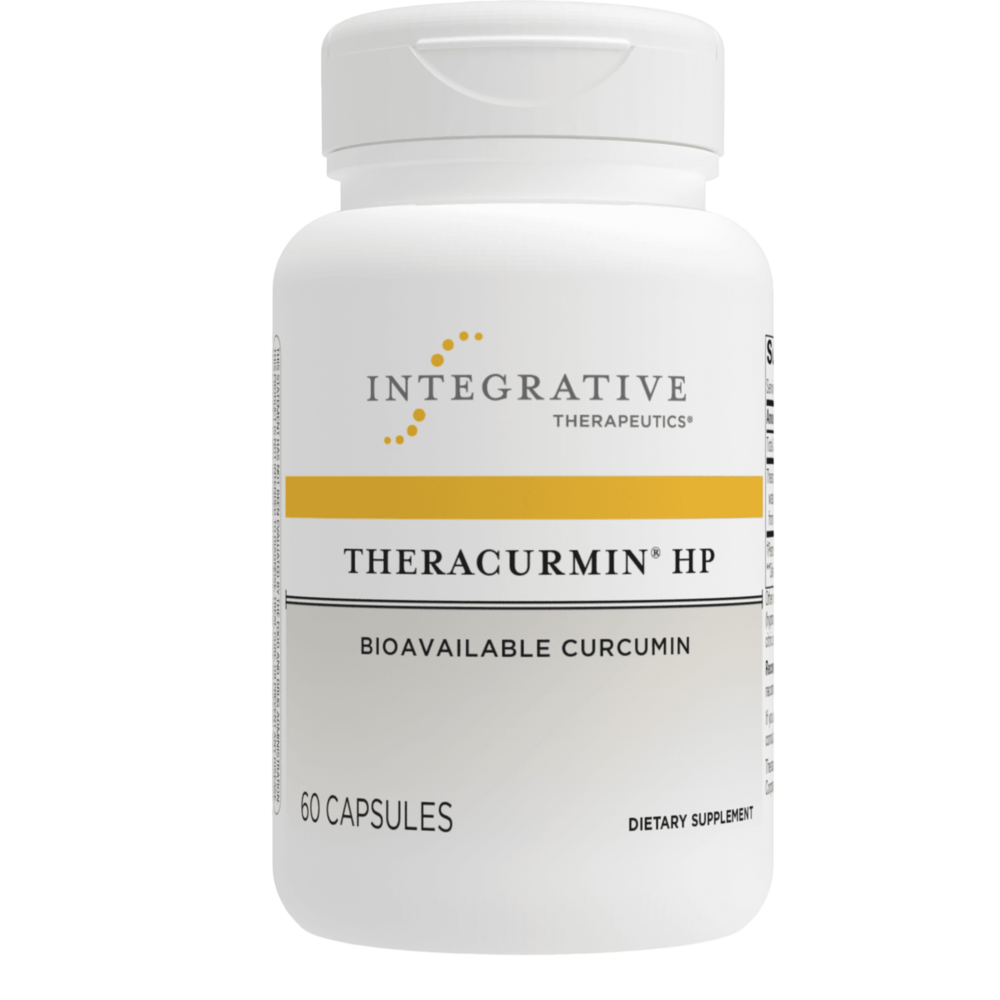
Theracurmin HP
Integrative Therapeutics
60 capsules
$56.99$45.99 with Subscribe & Save