 Instalab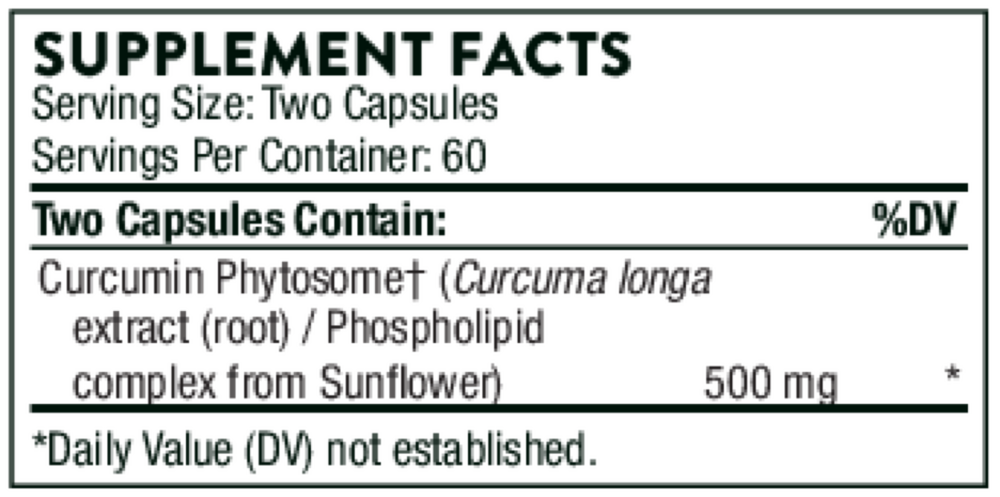


Thorne
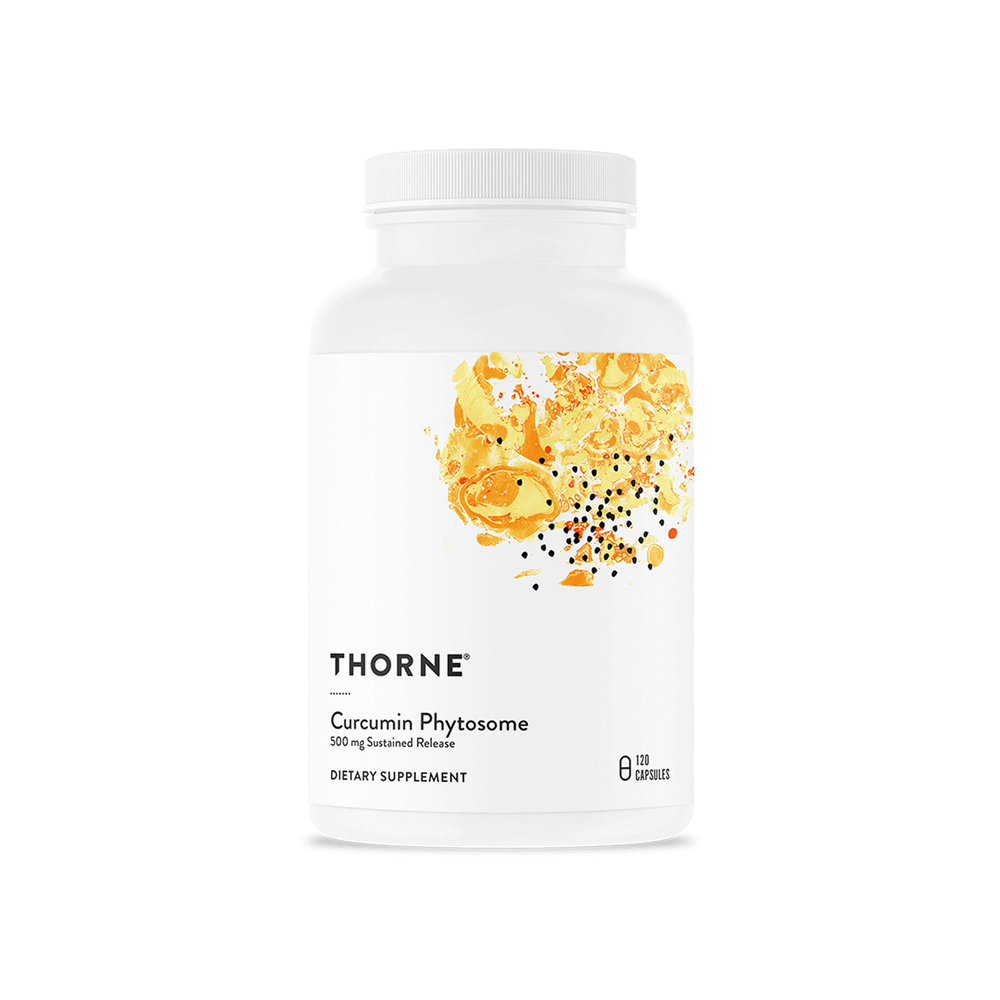
Curcumin Phytosome Sustained Released 500 mg by Thorne
120 capsules · 60-day supply
Enhanced Curcumin for Inflammation Support and Joint Health$49.00
Purchase options
Practitioner-grade brand3rd-party testedFree shipping $50+
Gluten Free·Soy Free·Dairy Free·Milk Free
Thorne Curcumin Phytosome Sustained Released overview
If your joints feel stiff after training or first thing in the morning, curcumin phytosome is one of the few botanicals with data for function and comfort within 4 to 8 weeks. It fits adults with elevated soreness or a high hs-CRP (a blood marker of whole‑body inflammation), and those who limit NSAIDs due to stomach or kidney concerns. Plant‑based eaters who rarely use turmeric in cooking also tend to run low on curcuminoid intake. This sustained-release 500 mg dose is maintenance to moderate; persistent symptoms often respond best to twice‑daily use.
Curcumin in food is poorly absorbed; the phytosome form binds curcumin to phosphatidylcholine (a membrane fat) to raise blood levels several‑fold compared with standard extracts. Once absorbed, curcumin turns down NF‑κB (a cellular switch that drives inflammatory gene signaling) and nudges COX‑2 (the enzyme that makes pain‑signaling prostaglandins) toward a calmer set point. In trials with Meriva, people reported less knee pain and better walking distance, along with modest drops in hs-CRP. It also acts as an antioxidant, buffering free radicals that accumulate after hard exercise.
Take 1–2 capsules twice daily with food; fat in the meal further helps uptake, even with a phytosome. Start at the low end for a week, then increase if needed. Expect joint changes in 2–8 weeks; give it a full month before judging. If you already use fish oil or an NSAID, begin at the lower curcumin dose and space doses by a few hours. Stop 7–10 days before planned surgery. Track progress with symptoms and hs-CRP if you follow labs.
Skip high-dose curcumin if you use blood thinners like warfarin, apixaban, or clopidogrel, or if you bruise easily, due to additive bleeding risk. Gallbladder disease or active bile duct obstruction can flare with curcumin because it stimulates bile flow. If your Ferritin (iron stores) is low, use caution; curcumin can hinder iron absorption. Pregnancy and breastfeeding: stay with culinary turmeric only unless your clinician advises otherwise. Liver meds are fine in most adults, but recheck ALT if you have chronic liver disease.
Frequently asked questions
Is curcumin phytosome better than regular turmeric?
Yes. Phytosome forms like Meriva bind curcumin to a membrane fat for much higher absorption than turmeric powder or standard 95% extracts. That’s why clinical trials often use curcumin phytosome for joint outcomes.
How long does curcumin take to work for joint pain?
Most responders notice easier movement in 2–8 weeks. Give it at least 4 weeks of steady, twice‑daily dosing. Soreness after workouts can ease sooner, while long‑standing knee arthritis usually needs the full trial.
Should I take curcumin with food or on an empty stomach?
Take it with a meal, ideally one that contains some fat. Even with a phytosome, food improves comfort and uptake. Empty‑stomach dosing is more likely to cause nausea or reflux in sensitive people.
Can I take curcumin with ibuprofen or naproxen?
Use caution. Curcumin can have mild blood‑thinning effects and may add to the GI risk of NSAIDs. If you combine them, use the lowest effective doses, separate by a few hours, and avoid if you’ve had ulcers.
Does curcumin thin your blood?
It has a mild antiplatelet effect. On its own this is rarely an issue, but it matters if you’re on warfarin, apixaban, rivaroxaban, or clopidogrel, or before surgery. In those cases, avoid or clear it with your clinician.
What dose of curcumin phytosome should I use?
A common clinical pattern is 500 mg twice daily with meals. For milder aches, start once daily and build up. For stubborn symptoms, many clinicians use twice‑daily for 8–12 weeks, then taper to maintenance.
What side effects should I watch for?
Most people tolerate it well. Possible effects include stomach upset, reflux, headache, or loose stools, usually dose‑related. Stop and seek care for unusual bruising, yellowing of the eyes, or severe abdominal pain.
Can curcumin affect iron levels?
High intakes can hinder iron absorption. If your Ferritin is low or you’re on iron therapy, separate curcumin and iron by several hours and recheck labs. If iron stays low, pause curcumin until iron is repleted.
How to take it & ingredients
Suggested use: Take 1-2 capsules two times daily or as recommended by your health professional.
Active ingredients
2 capsules per serving · 60 servings
Curcumin Phytosome
Meriva
Meriva
500 mg
Other ingredients: Calcium (Citrate), Calcium Laurate, High and Low Viscosity Hydroxypropyl Methylcellulose, Hypromellose Capsule, Leucine, Microcrystalline Cellulose, Silicon Dioxide
Certifications
Benefits
Warnings
Customers also considered
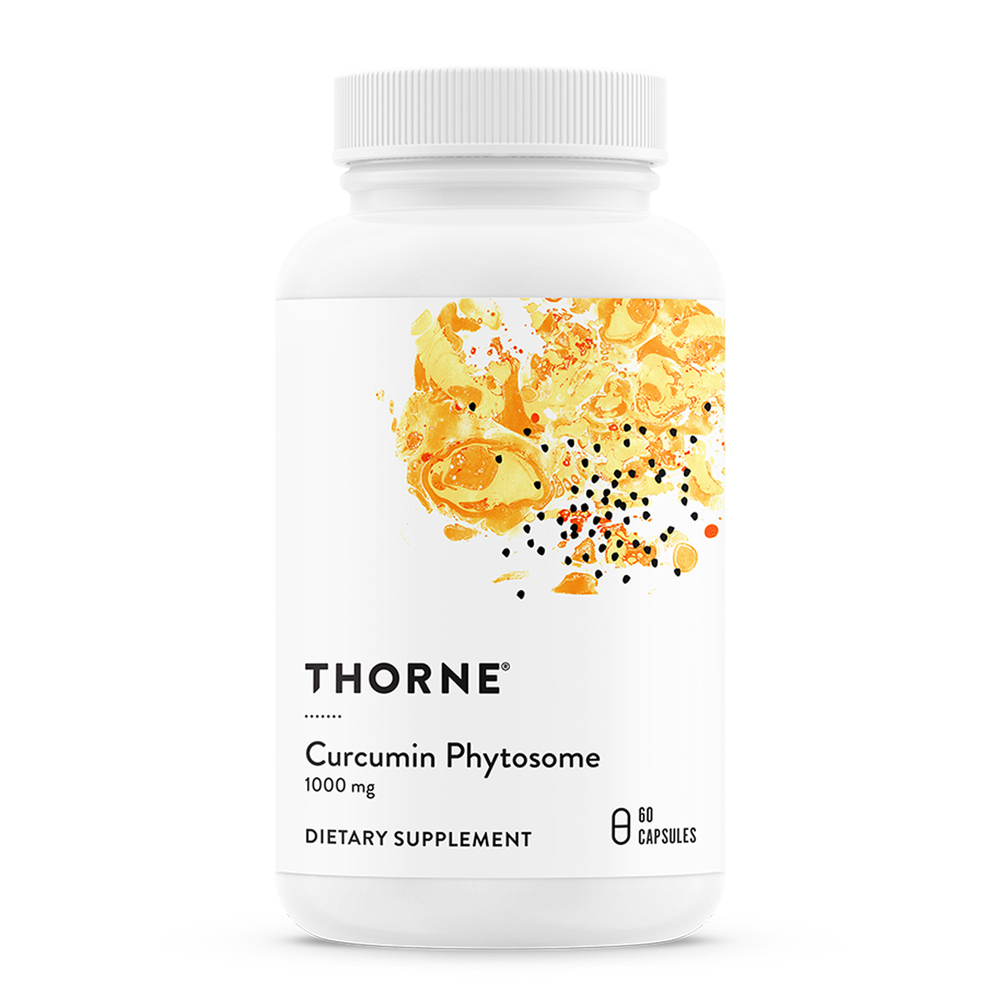
Curcumin Phytosome
Thorne
60 capsules
$36.00$32.40 with Subscribe & Save
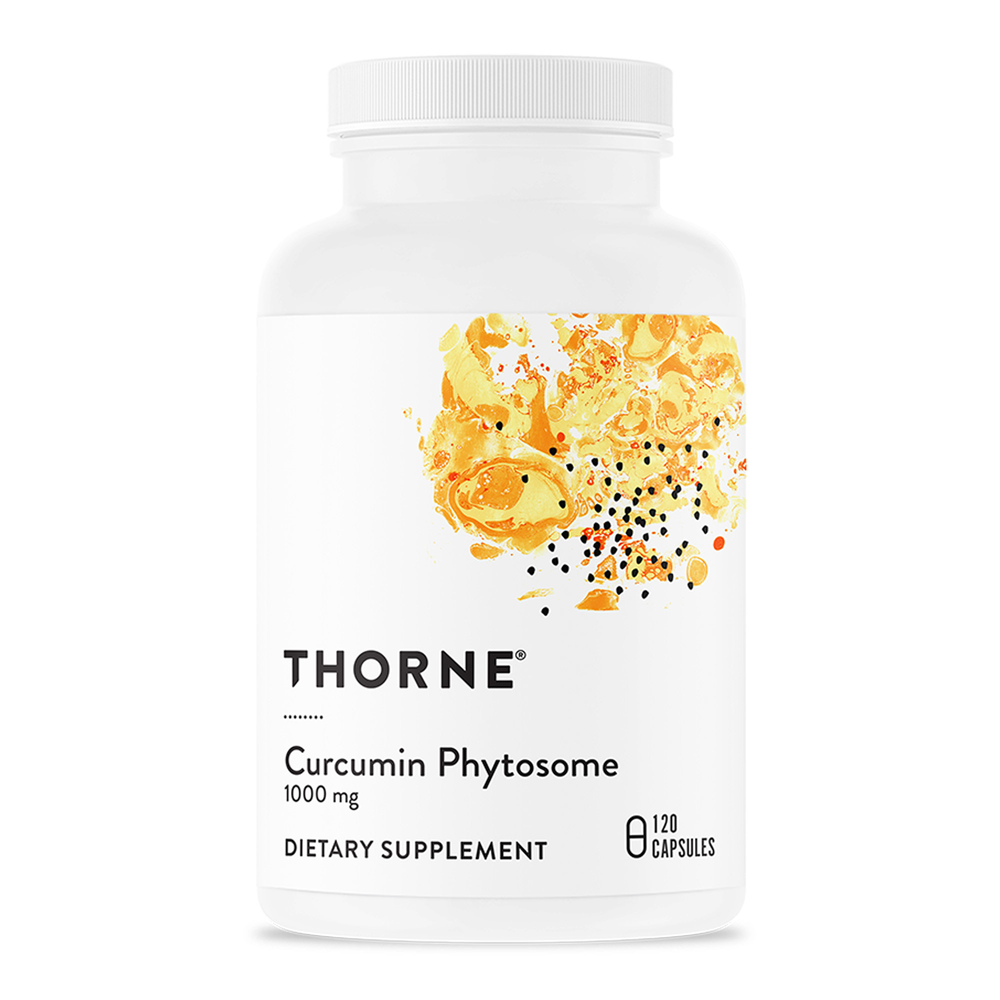
Curcumin Phytosome NSF Sport
Thorne
120 capsules
$68.00$61.20 with Subscribe & Save
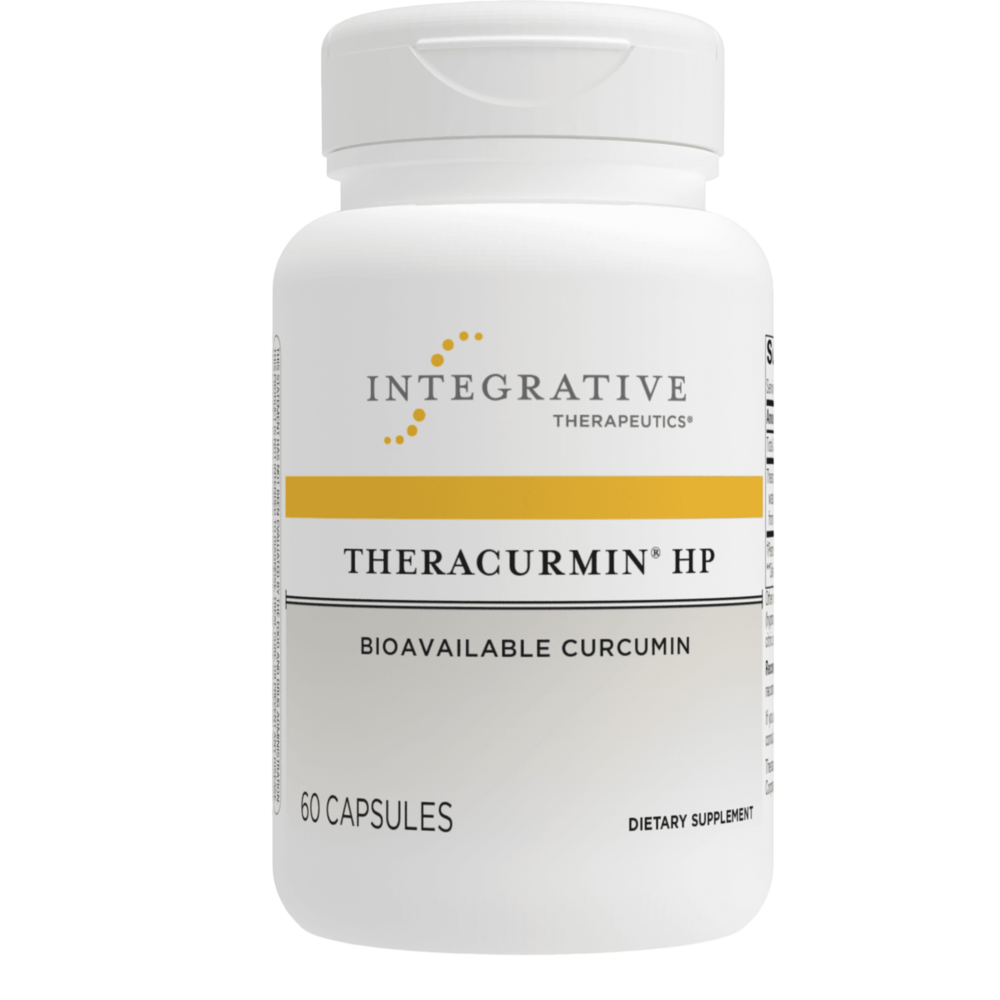
Theracurmin HP
Integrative Therapeutics
60 capsules
$56.99$45.99 with Subscribe & Save
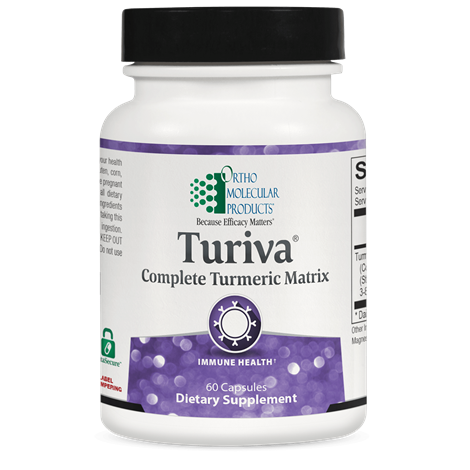
Turiva®
Ortho Molecular Products
60 capsules
$70.10$63.15 with Subscribe & Save