 Instalab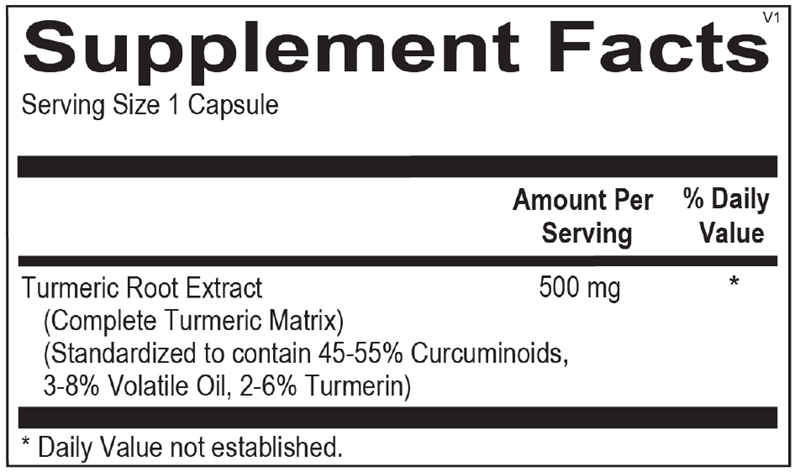
Ortho Molecular Products
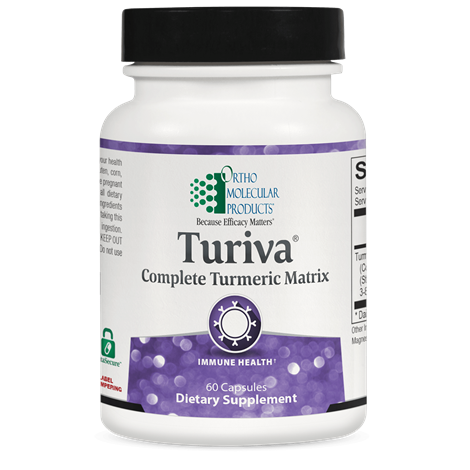
Turiva® 500 mg by Ortho Molecular Products
60 capsules · 60-day supply
Powerful Curcumin for Inflammation Support and Overall Wellness$70.10
Purchase options
Practitioner-grade brand3rd-party testedFree shipping $50+
Gluten Free·Wheat Free·Yeast Free·Artificial Color Free·Artificial Flavor Free
Ortho Molecular Products Turiva® overview
If your joints ache after runs or your hs-CRP (a blood marker of whole‑body inflammation) runs high, a curcumin supplement is a reasonable first step. This 500 mg Complete Turmeric Matrix suits adults seeking daily inflammation control without black pepper extracts. It’s a maintenance-level dose for ongoing support; people with significant osteoarthritis pain often need higher total curcuminoids or a twice-daily regimen for 4 to 8 weeks before judging benefit.
Curcuminoids dial down inflammatory signals and the COX-2 and 5-LOX enzymes (the pathways that generate pain-related prostaglandins and leukotrienes). In trials, that often translates to modest joint pain relief and small drops in hs-CRP. This formula preserves the turmeric rhizome’s full matrix: curcuminoids plus turmerone-rich volatile oils (which improve absorption) and turmerin protein (an antioxidant component). It avoids piperine from black pepper, which can raise levels of many medications.
Take one capsule with a meal that contains some fat; curcumin absorbs better with food. Most people assess pain and stiffness after 2 to 8 weeks. If you and your clinician decide you need more, increasing to twice daily is common in practice. Stacking with omega-3 fish oil can be additive for those with elevated triglycerides or higher hs-CRP, since they work through different mechanisms.
Use caution if you take blood thinners or antiplatelets (warfarin, apixaban, rivaroxaban, clopidogrel, prasugrel) or daily high-dose aspirin; curcumin has mild antiplatelet effects. Avoid with active gallstones or bile duct blockage because turmeric can stimulate bile flow. If you have reflux, start with food to limit stomach upset. Separate from iron by several hours, and reconsider if your Ferritin is low. Pregnancy and breastfeeding: skip unless your clinician is on board.
Frequently asked questions
How long does curcumin take to work for joint pain?
Most people who respond notice steadier joints within 2 to 8 weeks. Give it a full month before judging. If pain is substantial, a higher total daily amount or twice-daily dosing under clinician guidance is often needed.
Do I need black pepper (piperine) with curcumin?
Not with this formula. It retains turmeric’s volatile oils (turmerones) that improve uptake. Piperine can boost absorption but also raises levels of many drugs, which is why some prefer pepper-free options.
Does turmeric thin your blood?
Turmeric has mild antiplatelet effects. It’s usually fine for healthy adults, but combine cautiously with warfarin, apixaban, rivaroxaban, clopidogrel, prasugrel, or high-dose aspirin, and stop before elective surgery as directed.
Should I take curcumin with food or on an empty stomach?
Take it with a meal that includes fat for better absorption and fewer stomach symptoms. Empty-stomach dosing is more likely to cause nausea or reflux in sensitive people.
Can I use turmeric instead of NSAIDs like ibuprofen?
Curcumin can reduce pain for some people, but it’s generally milder than NSAIDs. Many use it to lower day-to-day reliance on NSAIDs. Don’t stop prescribed pain meds without discussing with your clinician.
Will curcumin lower my hs-CRP?
It can. Meta-analyses show small to moderate reductions in hs-CRP in responders. If your hs-CRP is elevated, recheck labs after 8 to 12 weeks alongside diet, sleep, and exercise changes.
Is curcumin safe if I have gallstones?
Best to avoid. Turmeric can stimulate bile flow, which may worsen symptoms in people with gallstones or bile duct obstruction. Discuss alternatives with your clinician first.
Does turmeric affect iron absorption?
Yes, turmeric can inhibit iron absorption. If your Ferritin is low or you take iron, separate dosing by several hours and recheck labs to be sure your iron status improves.
How to take it & ingredients
Suggested use: 1 capsule per day or as recommended by your health care professional.
Active ingredients
1 capsule per serving · 60 servings
Turmeric Root Extract
Complete Turmeric Matrix (Standardized to contain 45–55% Curcuminoids, 3–8% Volatile Oil, 2–6% Turmerin)
Complete Turmeric Matrix (Standardized to contain 45–55% Curcuminoids, 3–8% Volatile Oil, 2–6% Turmerin)
500 mg
Other ingredients: Hypromellose (Natural Vegetable Capsule), Microcrystalline Cellulose, Magnesium Stearate, Silicon Dioxide
Certifications
Benefits
Warnings
Customers also considered
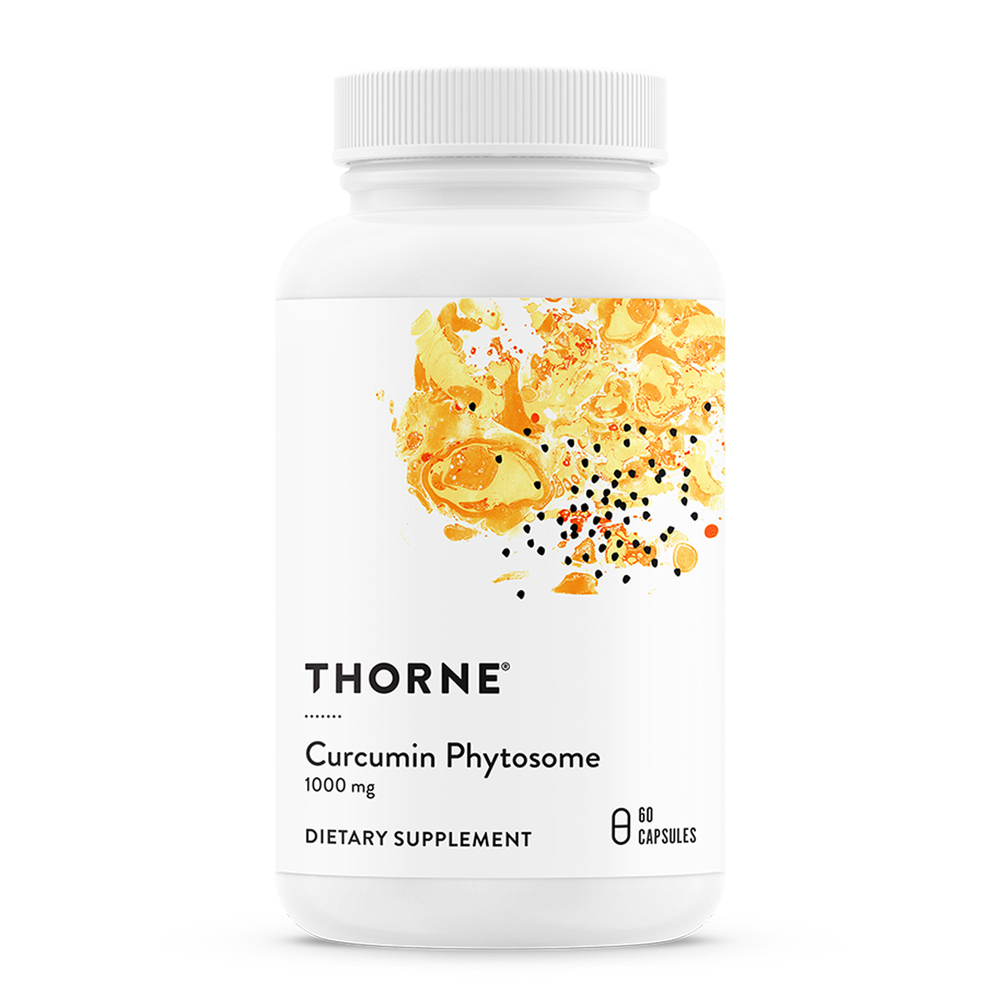
Curcumin Phytosome
Thorne
60 capsules
$36.00$32.40 with Subscribe & Save
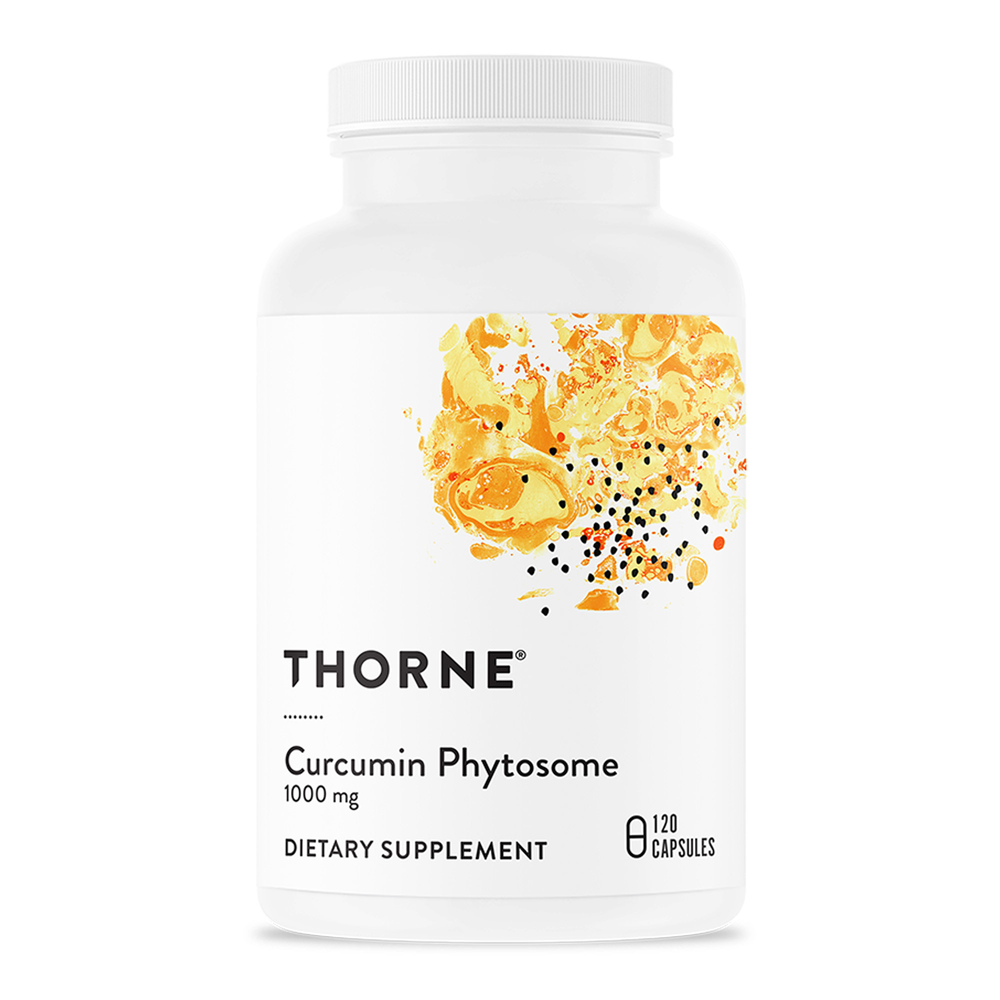
Curcumin Phytosome NSF Sport
Thorne
120 capsules
$68.00$61.20 with Subscribe & Save
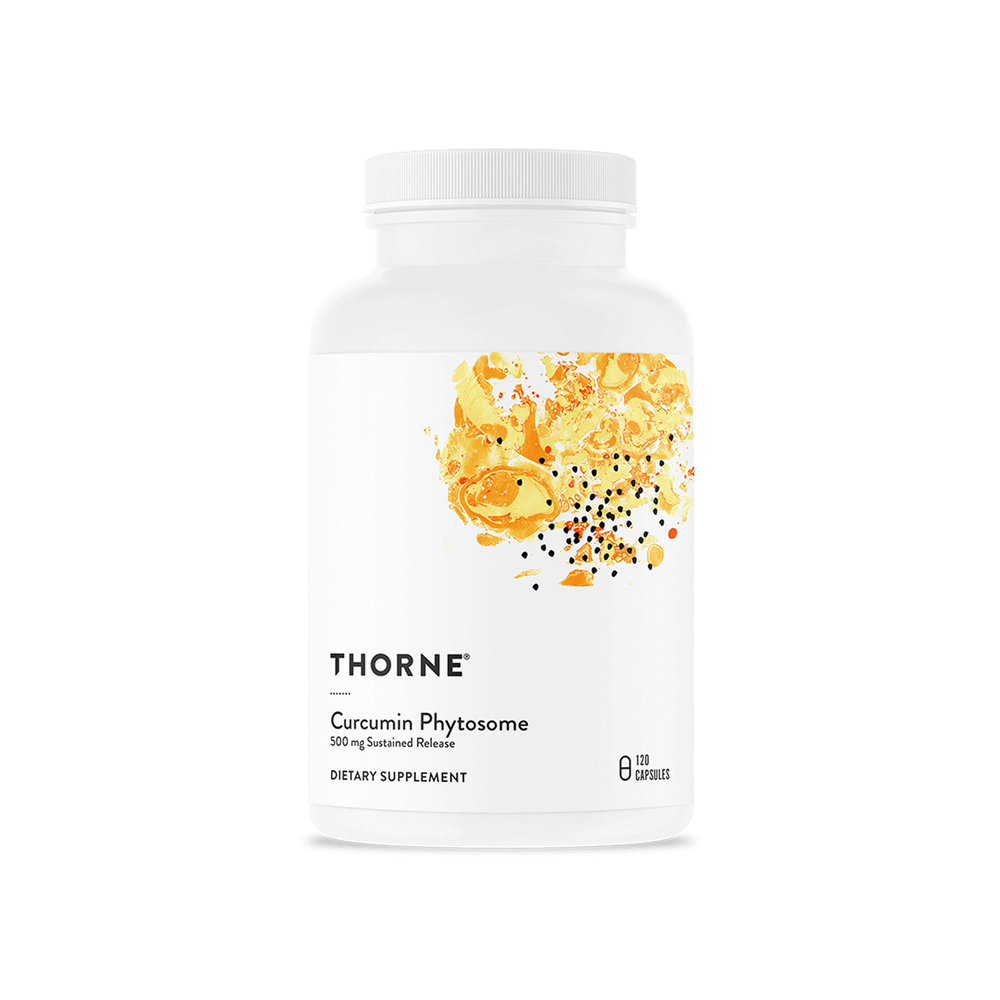
Curcumin Phytosome Sustained Released
Thorne
120 capsules
$49.00$44.10 with Subscribe & Save
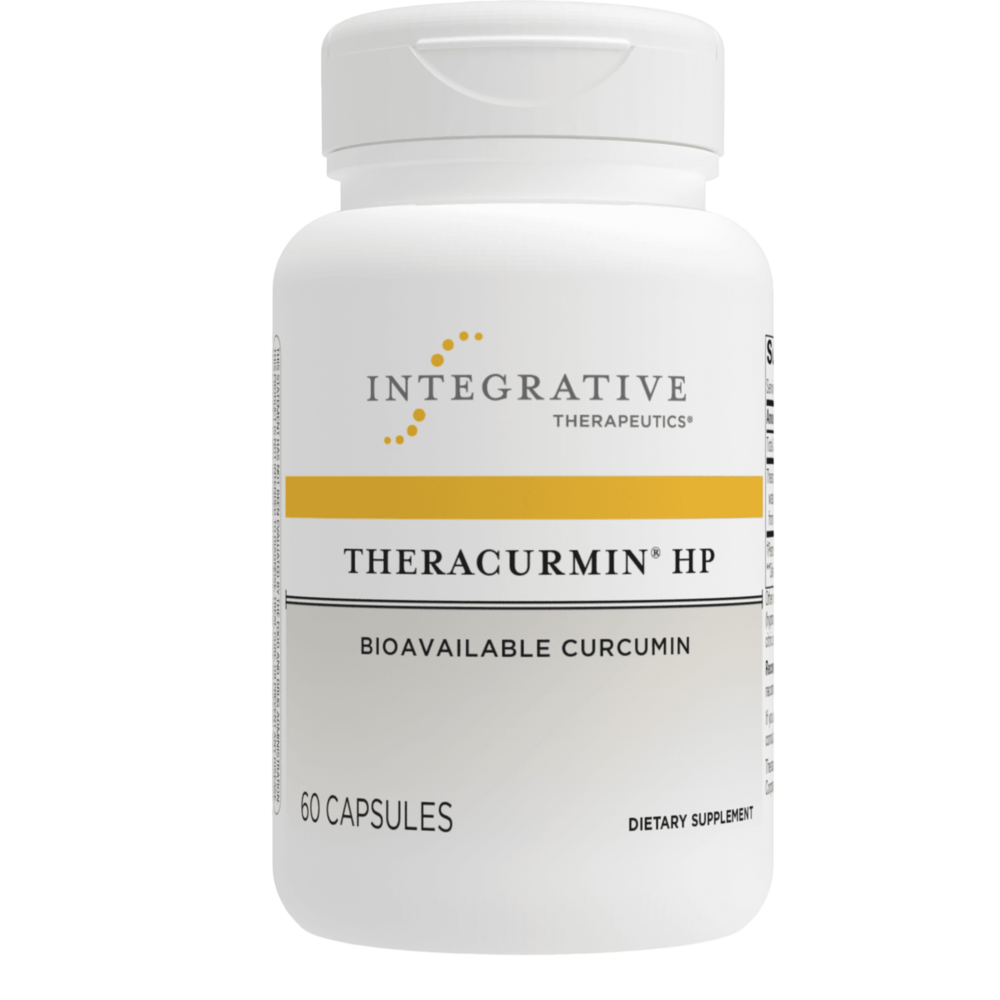
Theracurmin HP
Integrative Therapeutics
60 capsules
$56.99$45.99 with Subscribe & Save